Start With Fruity Styles
Fruit-forward wines like Malbec or Riesling are easier to read than austere, earthy bottles.

Understand Wine. Enjoy Every Glass.
Wine Basics
Wine is one of the oldest drinks people make, yet the core idea fits in a sentence. Here is what wine is, how it is made, and why every bottle tastes different.
Start Learning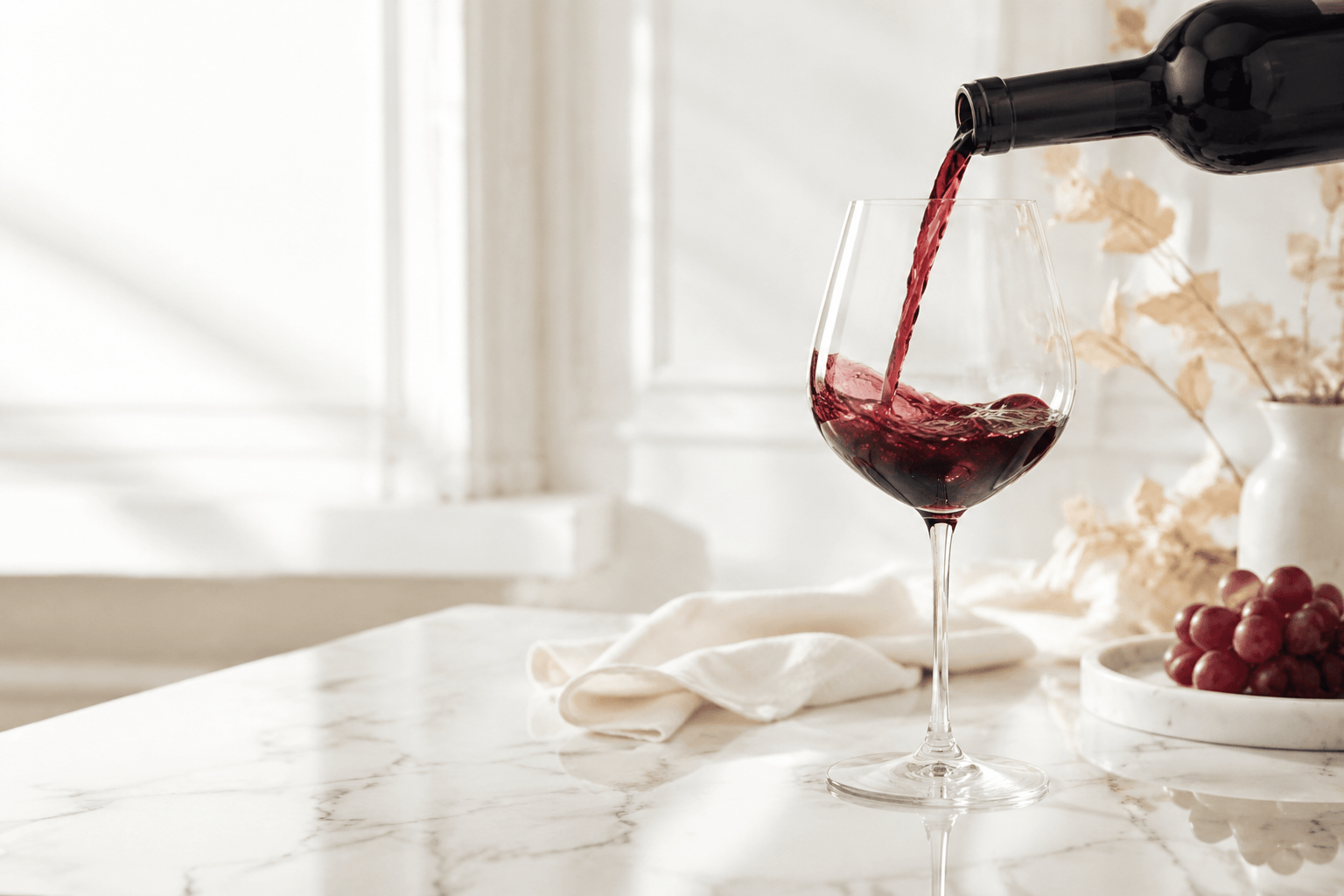
So, what is wine? At its simplest, it is grapes plus yeast plus time. Almost all wine comes from one grape species, Vitis vinifera, which includes famous varieties such as Chardonnay, Cabernet Sauvignon, and Pinot Noir. Wine grapes are small, thick-skinned, and very sweet, which gives yeast plenty of sugar to work with. A finished wine is mostly water and alcohol, usually somewhere around 11–15% alcohol by volume. The rest is a small but powerful mix of acids, any leftover sugar, tannins and color from the skins, and hundreds of aroma compounds. Those small parts are what you taste. Nothing needs to be added to make flavor: notes like cherry, lemon, pepper, or vanilla come from the grape, fermentation, or oak barrels, not from added fruit or spice.
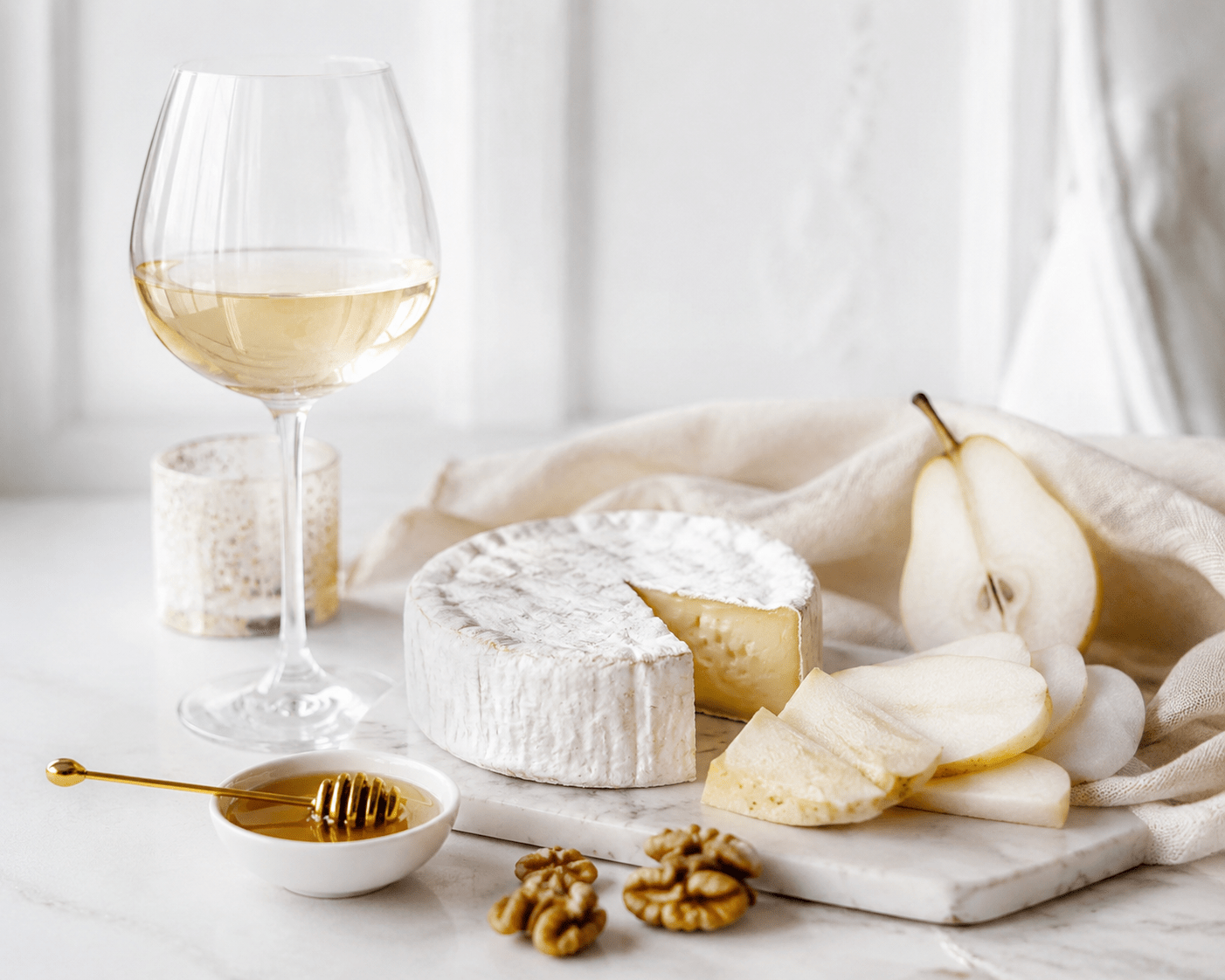
The basic process has barely changed in thousands of years. Grapes are picked when ripe, then crushed to release juice. Yeast — either wild yeast from the vineyard or a selected strain — converts the sugar into alcohol and carbon dioxide. For red wine, the juice ferments together with the dark skins, which is where all the color and most of the tannin come from. For white wine, the grapes are pressed first and only the clear juice ferments. After fermentation, the young wine rests in stainless steel tanks, oak barrels, or other vessels for a few months to a few years before bottling. For the full journey, step by step, read how wine is made. Sparkling, rosé, and fortified wines follow the same start with a few extra twists.
Three things explain most of the variety. First is the grape: Sauvignon Blanc smells of citrus and cut grass, while Syrah leans toward blackberry and black pepper. Second is place. Cool climates, such as Germany’s Mosel or France’s Chablis, make wines with lighter body and higher acidity. Warm climates, such as California or South Australia, ripen grapes fully, giving riper fruit and more alcohol. Soil, sun, and elevation add finer differences. Third is the winemaker: new oak barrels add vanilla and toast, longer skin contact adds tannin, and stopping fermentation early leaves sweetness. That is why the same grape can taste lean and flinty from one region and rich and tropical from another. Comparing Old World vs New World wine is a quick way to taste the effect of place.
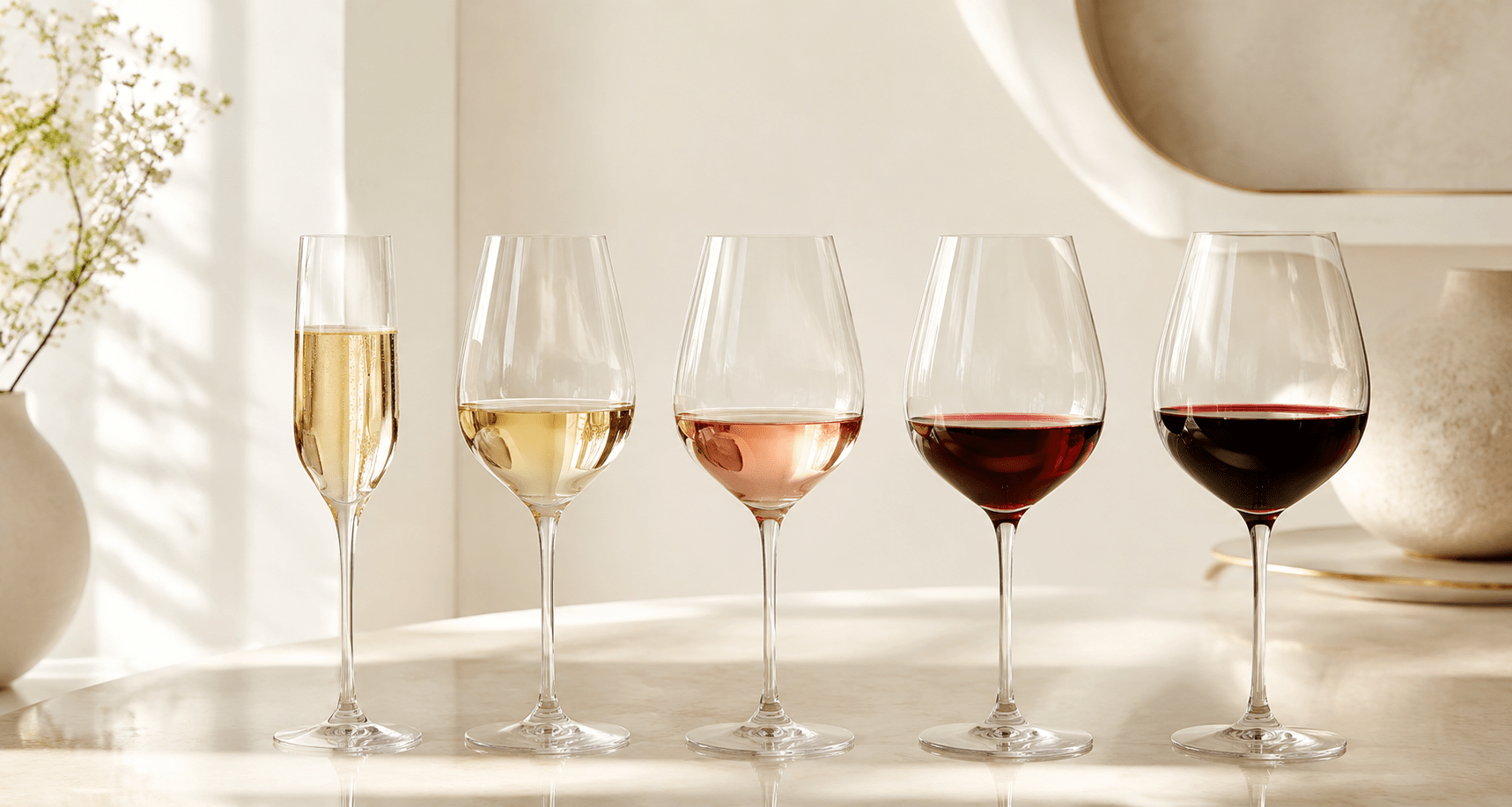
Every wine falls into a few broad families. Red wine is made from dark grapes fermented on their skins. White wine is usually made from green-skinned grapes with little or no skin contact. Rosé uses dark grapes but keeps the skins in contact for only hours, so the juice turns pink. Sparkling wine traps the carbon dioxide from a second fermentation, creating bubbles. Dessert wines are sweet, often because grapes were harvested late or frozen, and fortified wines like Port and Sherry have extra grape spirit added. The wine types guide covers each family with grapes to try. Within each style, wines also range from bone dry to sweet and from light to full-bodied.
Beyond flavor, every wine has a structure you can feel. Sweetness comes from sugar the yeast left behind; most everyday wines are dry. Acidity makes your mouth water and keeps wine refreshing, and it is higher in cool-climate wines. Tannin is the drying, tea-like grip from grape skins and seeds, found mainly in reds — see tannins in wine. Alcohol adds warmth and weight. Body is the overall sense of lightness or heaviness, shaped by all of the above. A good wine is balanced, meaning no single part sticks out. Learning these five words gives you a vocabulary for any bottle, and wine terminology fills in the rest.
You learn wine by drinking it with a little attention, not by memorizing facts. Pick one white and one red you can find easily — for instance, a New Zealand Sauvignon Blanc and a Chilean Merlot — and taste them side by side. Notice the color, smell each wine, then sip and think about sweetness, sourness, and any drying feeling. The steps below turn that into a quick home lesson. From there, how to taste wine sharpens your technique, and wine for beginners suggests which bottles to buy next. Serve the white chilled and the red just below room temperature so each shows its best side.
Choose two easy-to-find wines, such as Sauvignon Blanc and Merlot. Chill the white to about 45°F and serve the red around 60–65°F.
Hold each glass against a white napkin. Notice how pale or deep each is; color hints at grape, age, and skin contact.
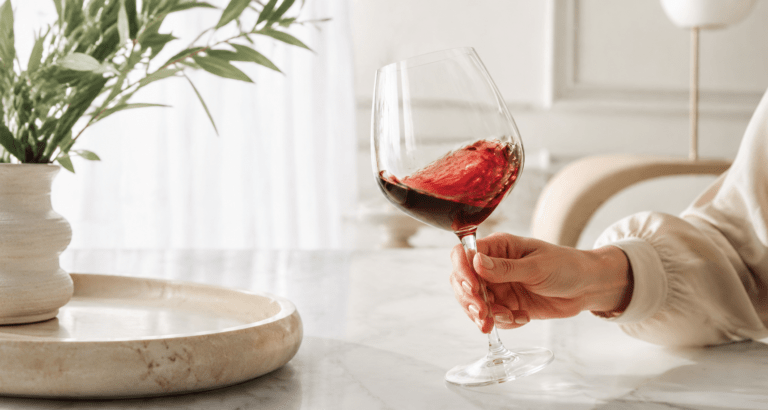
Swirl gently, then sniff. Name one fruit you notice in each, like lemon in the white or plum in the red.
Sip and hold the wine in your mouth. Is it sweet or dry? Does it make your mouth water? That watering is acidity.
Notice any drying grip on your gums after the red, and whether each wine feels light like water or heavier like milk.
Fruit-forward wines like Malbec or Riesling are easier to read than austere, earthy bottles.
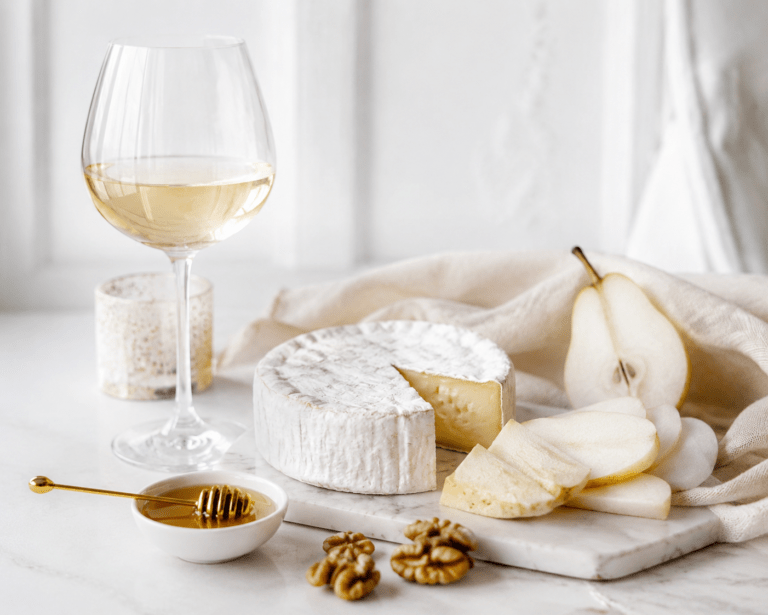
Taste a red with and without cheese; the tannin softens dramatically with fat and protein.
The ABV on the label hints at body: under 12% is usually light, over 14% fuller.
Learn Your Taste
Answer a few simple questions and discover styles that fit your palate.
Take the Wine QuizEssentially, yes. Wine is grape juice fermented by yeast, which turns the sugar into alcohol. Color, tannin, bubbles, and sweetness come from how long the juice stays on the skins and how fermentation is managed.
Yes, but those are called fruit wines and are usually labeled by fruit, such as plum or blackberry wine. When people say wine without a qualifier, they mean wine made from grapes.
Most table wines range from about 11% to 15% alcohol by volume. Light German Riesling or Moscato d'Asti can be much lower, while fortified wines like Port are typically around 19–20%.
Red wine gets its color from dark grape skins. The juice of most red grapes is clear, so the skins soak in the fermenting juice to release color, tannin, and flavor.
Traditional wine does not. Aromas like cherry, grapefruit, or vanilla come from the grape variety, fermentation, and oak barrels. Flavored wine products exist, but they are labeled differently.
Thousands of years. Archaeological evidence points to winemaking in the Caucasus, around present-day Georgia, roughly 8,000 years ago, and wine was central to ancient Egyptian, Greek, and Roman cultures.