Shop the $12–$20 Range
This price band offers well-made, typical examples of most grapes without paying for prestige.

Understand Wine. Enjoy Every Glass.
Wine Basics
You do not need a cellar or a fancy vocabulary to enjoy wine. You need a few good starter bottles, a simple tasting habit, and a way to remember what you liked.
Start Learning
The best way into wine for beginners is to taste the classics before the curiosities. A small set of well-known grapes covers most of what you will see in stores and on restaurant lists, so learning them first gives you the most mileage. Begin with five: Sauvignon Blanc for zesty, light white; Chardonnay for fuller, often oaked white; a dry rosé; Pinot Noir for light, silky red; and Cabernet Sauvignon for bold, tannic red. Together they span light to full, crisp to creamy, and soft to grippy. You do not have to like them all. The point is to discover where your taste sits on that range. If you want a quick overview of what wine actually is first, read what is wine.

Wine talk sounds complicated, but most of it comes down to five traits. Sweetness: does the wine taste sugary or dry? Acidity: does it make your mouth water, like lemonade? Tannin: does it leave your gums dry and grippy, like strong black tea? Alcohol: do you feel warmth in your throat? Body: does it feel light like skim milk or heavy like cream? Once you can answer those five questions, you can describe what you like to a store clerk or server and get a better bottle. Many beginners mistake fruitiness for sweetness, so dry vs sweet wine is worth a read. When you hit an unfamiliar term, check wine terminology.
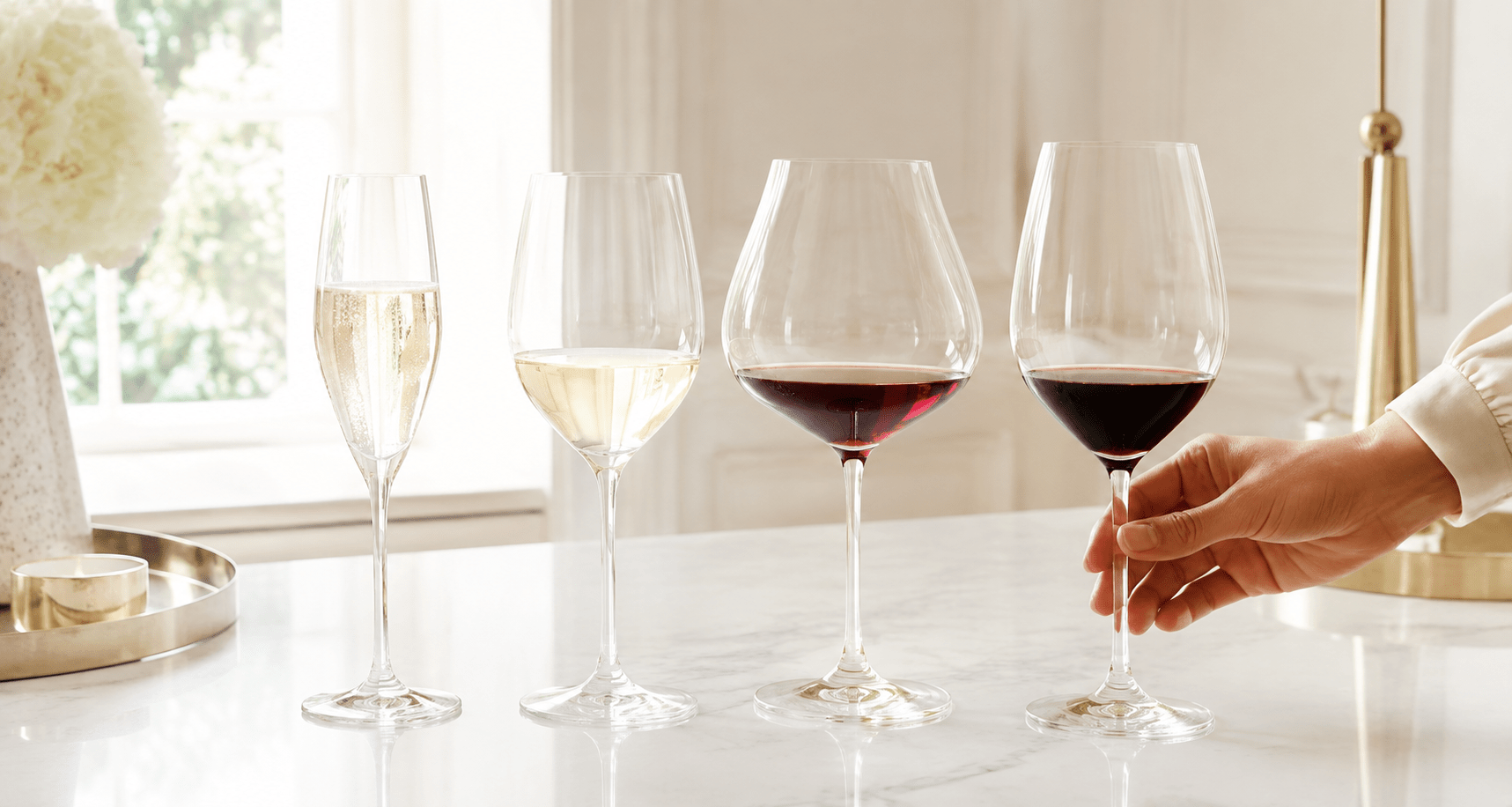
Tasting with attention is what turns drinking into learning. Pour a small amount into a glass with a bowl, about a third full. Look at the color against something white. Swirl to bring up aromas, then take a real sniff and name one or two smells — lemon, green apple, cherry, vanilla. Sip, let the wine cover your whole mouth, and notice the five traits above. Finally, notice how long the flavor lasts after you swallow; a longer finish often signals a better wine. The whole process takes under a minute. For more detail, see how to taste wine, and for a fun group format, try a wine tasting at home with friends.
If bitter or very dry wines put you off, start on the friendlier end. Off-dry Riesling from Germany or Washington State balances light sweetness with bright acidity. Moscato d’Asti is gently sweet, lightly fizzy, and low in alcohol. Dry rosé from Provence is crisp and easy with almost any food. Among reds, Merlot and Argentine Malbec offer soft, plummy fruit without harsh tannin. Prosecco is a cheerful, affordable sparkling wine. Most of these are easy to find for under $20. As your palate adjusts, you may find yourself drawn to drier, more structured wines — that shift is normal. For more starter picks, browse best wine for beginners.
A few easy fixes make a big difference. Serving reds too warm is the most common error; a red at 75°F tastes hot and flabby, so give it 15 minutes in the fridge. Serving whites ice-cold hides their flavor, so let them warm a few minutes out of the fridge. Judging a bold red without food is unfair, because tannin softens with fat and protein. Buying only by label art or price is another trap: a $15 Spanish Garnacha can beat a $40 bottle you do not enjoy. Finally, do not let an opened bottle sit on the counter for a week. Recork it and refrigerate it, and drink it within a few days. The wine serving temperature guide has an easy chart.
Memory is the weakest link for most new drinkers. Take a photo of every label you try and add a quick rating or three words, such as “crisp, lemony, loved it.” After ten or so bottles, patterns appear: maybe you love high-acid whites or dislike heavy oak. That record helps you shop smarter, and how to read a wine label shows where to find the grape, region, and alcohol on any bottle. Next, explore one new grape or region each month. If you liked Pinot Noir, try Gamay from Beaujolais. If you loved Sauvignon Blanc, try Albariño. Small, steady steps build real confidence faster than a crash course.
Pick a crisp white, a dry rosé, and a medium red, such as Sauvignon Blanc, Provence rosé, and Pinot Noir, each under $20.
Chill the white and rosé to 45–50°F. Cool the red to about 60°F with 15 minutes in the fridge.
Pour small amounts into separate glasses. Look, swirl, smell, and sip each wine, moving from lightest to fullest.
For each wine, note sweetness, acidity, tannin, alcohol, and body, plus whether you would buy it again.
Taste each again with a simple snack, like cheese or roast chicken, and notice which wine improves most.
Choose one new wine similar to your favorite and one that is different, then repeat the tasting next week.
This price band offers well-made, typical examples of most grapes without paying for prestige.
Tell a store clerk two wines you liked; they can steer you to similar bottles.
At wine bars, order tasting pours or flights to try more styles for less money.
Learn Your Taste
Answer a few simple questions and discover styles that fit your palate.
Take the Wine QuizStart with approachable, fruit-forward styles: off-dry Riesling, dry rosé, Prosecco, Merlot, or Malbec. They show clear fruit flavors without harsh tannin or very high acidity, which makes them easy to enjoy.
It can be. Lightly sweet wines like Moscato d'Asti or off-dry Riesling are easy entry points. Many people later move toward drier styles, but there is no rule that you must.
Taste several styles side by side and note sweetness, acidity, tannin, and body. Within a few tastings, you will see patterns, such as preferring crisp whites or soft reds, that guide future purchases.
No. Bottles in the $12 to $20 range are usually good, typical examples of each grape. Spending more often pays for reputation or aging potential that beginners do not need yet.
That is usually tannin, from grape skins and seeds, plus oak. It is strongest in young reds like Cabernet Sauvignon. Try softer reds, or drink bold reds with fatty or salty food.
Pour about one to two ounces per tasting glass. That is enough to swirl, smell, and take a few sips while keeping a multi-wine tasting moderate.