Try a Blind Taste
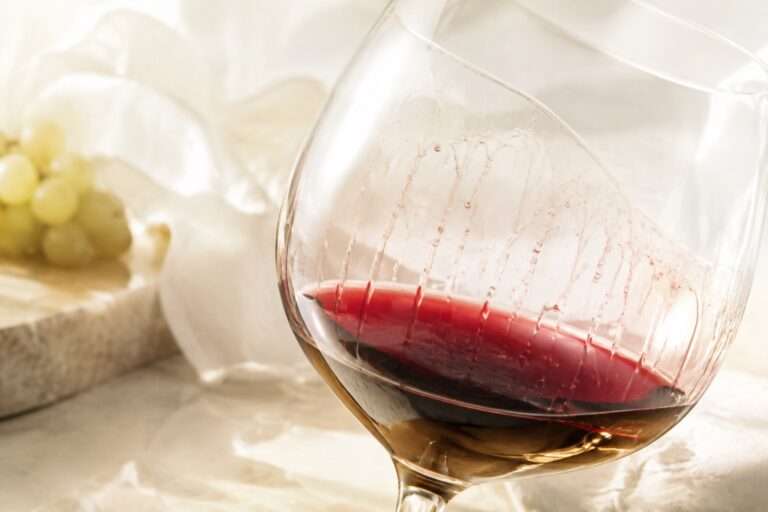
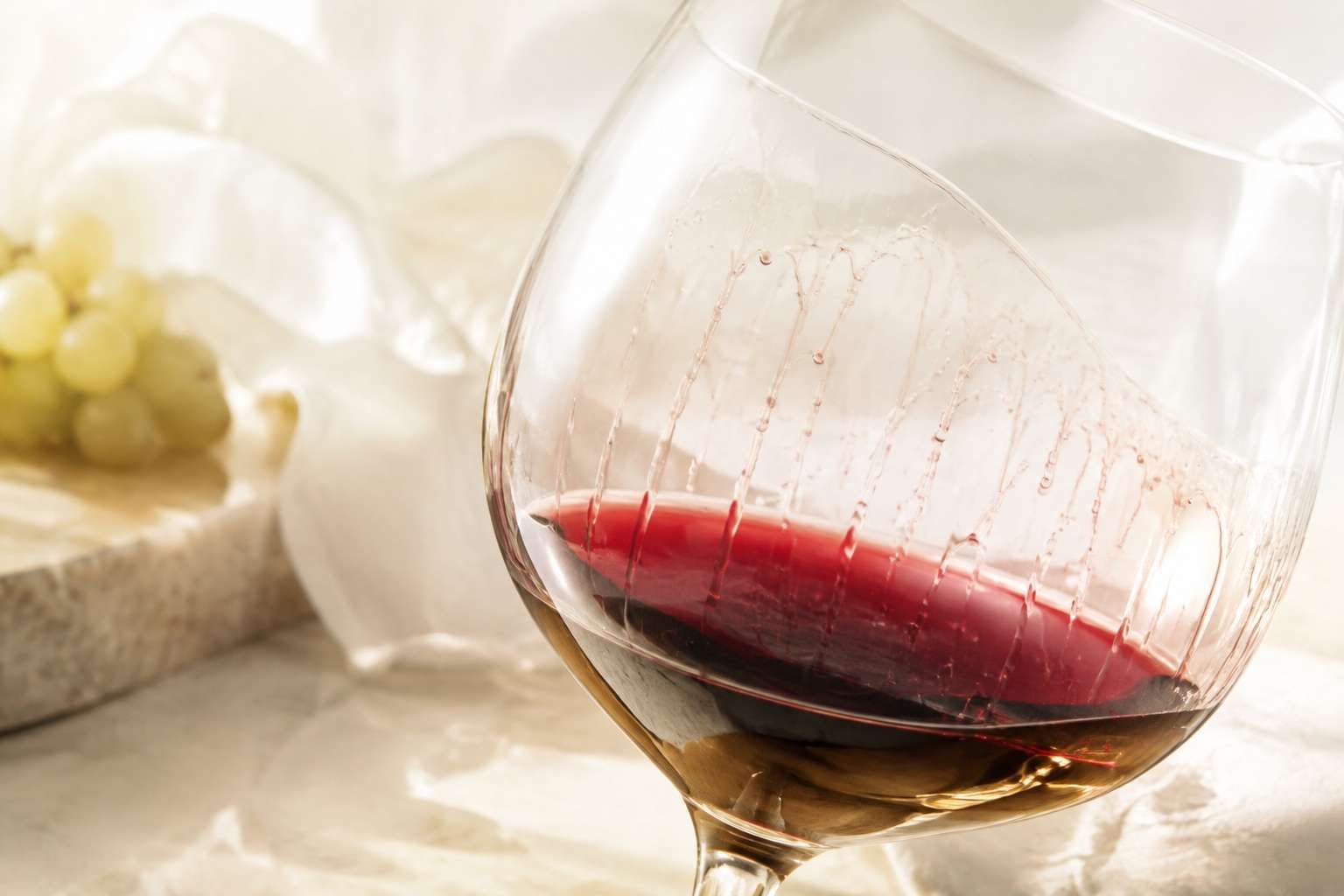
Pour both, hide the labels, and feel which one dries your gums more. That is the Cabernet.

Understand Wine. Enjoy Every Glass.
Wine Comparisons
They grow side by side in Bordeaux and often share a bottle, yet Cabernet Sauvignon vs Merlot is a contrast you can feel on your first sip. Here is what sets them apart.
Start Learning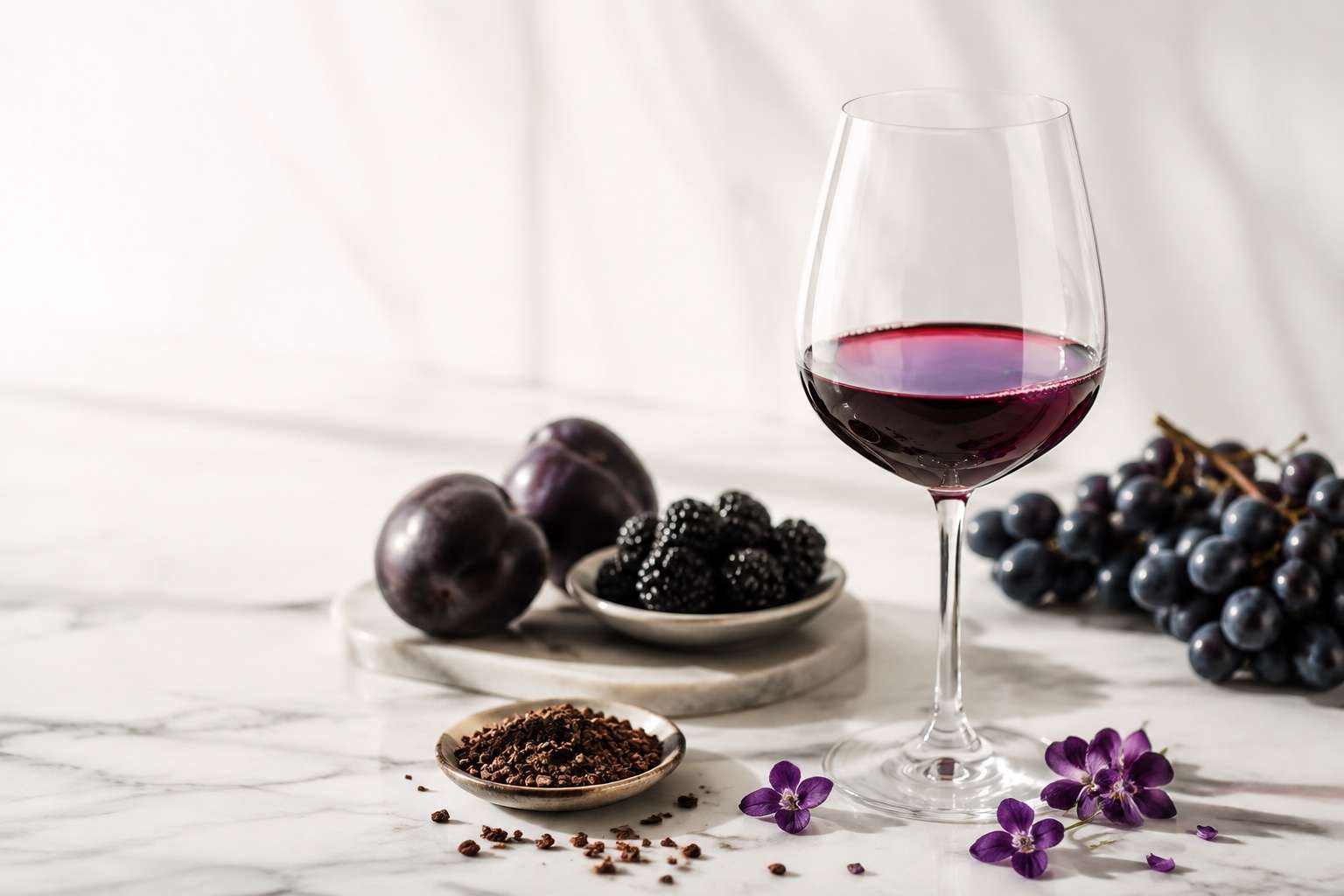
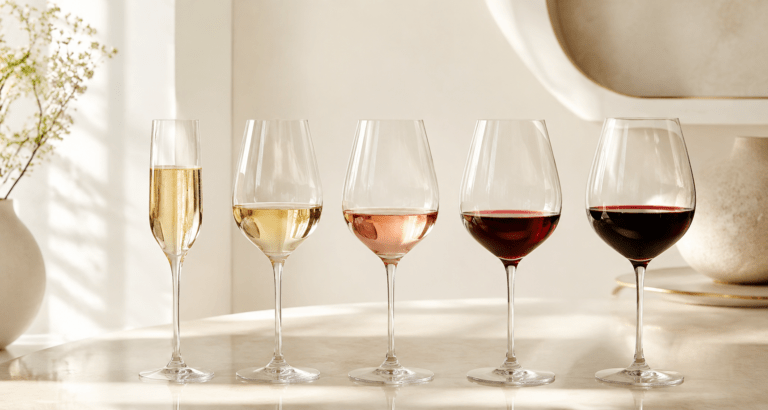
The two grapes look alike in the glass, but they feel very different in your mouth. Cabernet Sauvignon has small berries with thick skins and lots of seeds. Since tannins come from skins and seeds, Cabernet usually tastes firmer, drier, and more grippy, with a long, structured finish. Merlot has larger, thinner-skinned berries and ripens earlier, so it tends to feel plush and rounded, with tannins that seem velvety rather than dusty. Think of Cabernet as a tailored suit and Merlot as a soft sweater. Both are usually medium-plus to full-bodied and dry, and both handle oak aging well. The tannin gap is what drives almost every other difference: how they age, which foods they suit, and which one a newer red drinker will enjoy first.
Cabernet Sauvignon leans toward dark fruit: blackcurrant (cassis), black cherry, and blackberry. Look for savory notes too, like cedar, pencil shavings, tobacco, mint, and, in cooler sites, a hint of green bell pepper. New oak adds vanilla and toast. Merlot sits a shade redder and juicier: ripe plum, black cherry, raspberry, and often a cocoa or milk-chocolate softness. Cool-climate Merlot can show herbal and earthy tones, while warm-climate versions taste lush and fruit-forward. Acidity is medium to medium-plus in both, so neither is flabby. Alcohol is similar, usually 13.5–15% depending on how ripe the grapes were picked. If you want to train your palate, pour both, smell them blind, and look for that cassis-and-cedar signature in the Cabernet.
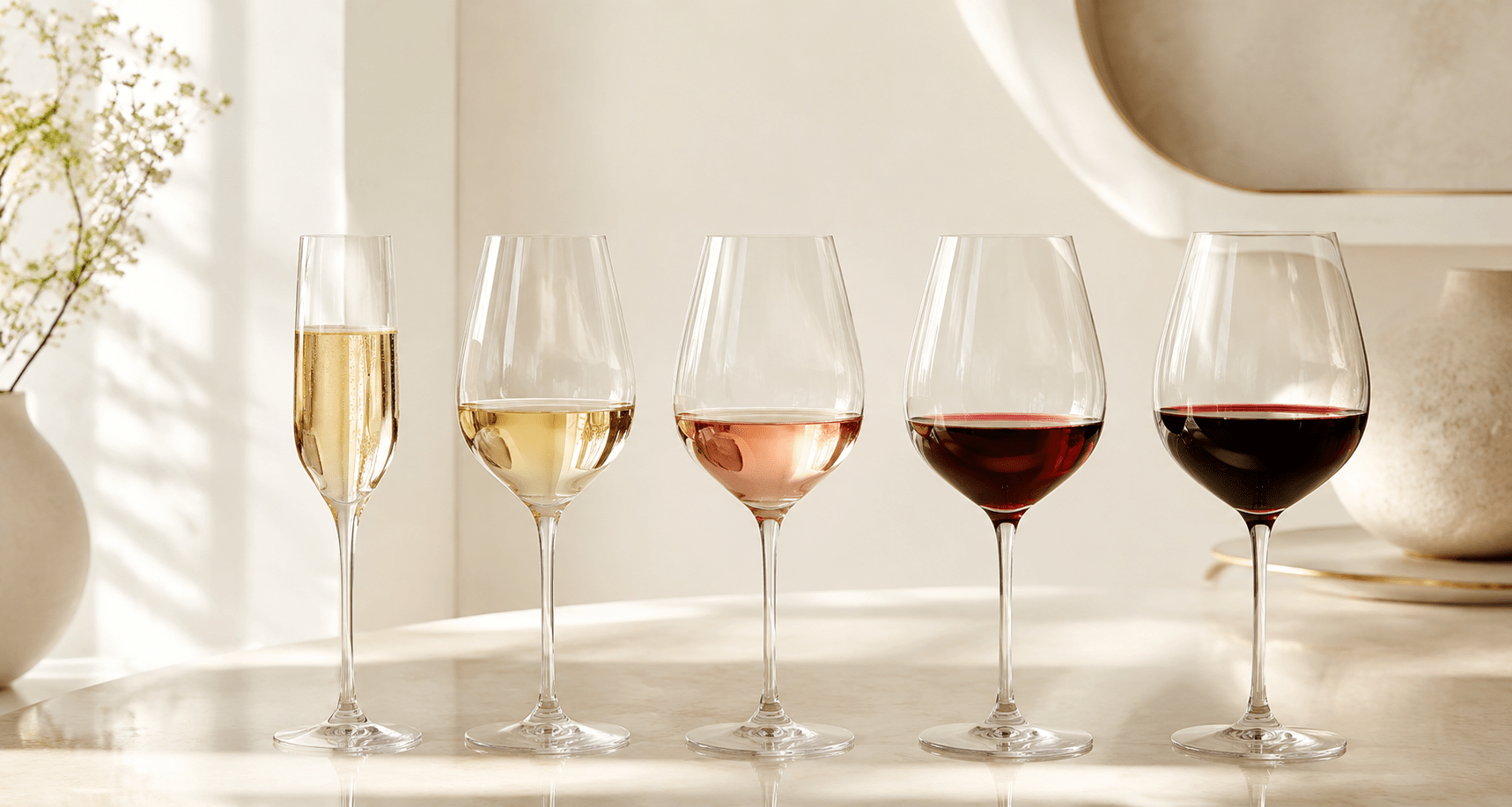
Both grapes come from Bordeaux, where they are usually blended. On the Left Bank (the Médoc, including Pauillac and Margaux), gravel soils drain well and warm up, which suits late-ripening Cabernet, so it leads the blend. On the Right Bank (Saint-Émilion and Pomerol), cooler clay soils favor Merlot, which often makes up most of the wine. Beyond France, Napa Valley is famous for rich, polished Cabernet, and Chile’s Maipo Valley offers great value. For Merlot, look to Washington’s Columbia Valley, where warm days and cool nights give ripe fruit with fresh acidity. Italy’s Tuscan coast, Australia, and South Africa grow excellent examples of both.
Match tannin to fat. Cabernet’s firm grip loves rich, protein-heavy dishes: ribeye, prime rib, braised short ribs, lamb chops, and aged hard cheeses. Fat and protein soften the tannin, so the wine tastes fruitier with food than alone. See our full wine with steak guide for cut-by-cut picks. Merlot is the more flexible dinner partner. Its softer structure works with roast chicken, pork tenderloin, meatloaf, mushroom dishes, and tomato-based pasta like lasagna. It also handles leaner meats, such as filet mignon or turkey, without overpowering them. Neither grape loves very spicy food, since heat makes tannin and alcohol feel harsher. With fish, both are usually too heavy, though a lighter Merlot can work with grilled salmon or tuna.
Both span every price point. Good everyday Cabernet and Merlot from Chile, Washington, and southern France are often under $20, while top Napa Cabernet and Pomerol Merlot are among the priciest wines in the world. Cabernet’s tannin and acidity give it a longer aging window; serious bottles can improve for 10 to 20 years or more. Most Merlot is made to enjoy within a few years, though great Right Bank Bordeaux ages beautifully. Serve both at 60–65°F in a large, tall glass. A young Cabernet benefits from 30 to 60 minutes in a decanter; Merlot usually needs less air. If a bottle tastes hot or flat, chill it in the fridge for 15 minutes.
Pick Merlot if you are newer to red wine, prefer smooth reds, or want one bottle that works across a mixed dinner menu. It is also the safer choice for guests who find big reds too drying. Pick Cabernet Sauvignon when you are serving steak or lamb, want a wine to cellar, or enjoy bold, structured reds with a savory edge. Still undecided? Try a Bordeaux blend, which combines the two: Cabernet brings backbone and Merlot fills in the middle. For more matchups, compare Malbec vs Merlot or Pinot Noir vs Merlot, or browse affordable red wines under $20 to taste both styles without spending much.
| Attribute | Cabernet Sauvignon | Merlot |
|---|---|---|
| Tannin | High and firm, noticeably drying | Medium, soft and velvety |
| Main flavors | Blackcurrant, cedar, tobacco, mint | Plum, black cherry, cocoa |
| Body | Full | Medium-plus to full, rounder |
| Classic home | Bordeaux Left Bank, Napa Valley | Bordeaux Right Bank, Washington |
| Best food | Ribeye, lamb, aged cheddar | Roast chicken, pork, pasta |
| Aging potential | Often 10–20+ years for top bottles | Usually best within 3–8 years |
Pour both, hide the labels, and feel which one dries your gums more. That is the Cabernet.
Give young Cabernet 30–60 minutes of air; most Merlot is ready to drink on opening.
Left Bank Bordeaux is Cabernet-led; Right Bank Saint-Émilion and Pomerol lean on Merlot.
Learn Your Taste
Answer a few simple questions and discover styles that fit your palate.
Take the Wine QuizNo. Both are almost always dry wines. Merlot can taste sweeter because its riper plum and chocolate flavors and softer tannins feel rounder, while Cabernet's firm tannin makes it seem drier and more austere.
Merlot is smoother. Its thinner skins give it less tannin, so it feels velvety instead of grippy. That makes it a popular first red for people moving beyond white or rosé wine.
Not really in alcohol. Both usually land between 13.5% and 15% ABV. Cabernet tastes stronger because of its higher tannin and more intense structure, not because it contains much more alcohol.
Yes, and winemakers do it all the time. Most red Bordeaux is a blend of the two, often with Cabernet Franc. Cabernet adds structure and aging power, while Merlot adds plush fruit and softness.
Cabernet Sauvignon is the classic match for fatty cuts like ribeye, because its tannin cuts through marbling. Merlot is the better pick for lean filet mignon, where big tannin can overwhelm the meat.
Often, at the everyday level, because Merlot ripens earlier and is easier to grow in many places. At the top end, the price gap disappears; the most famous Pomerol Merlots rival any Cabernet.