Cool It Down
Serve at 60–65°F. Fifteen minutes in the fridge keeps the alcohol from tasting hot.

Understand Wine. Enjoy Every Glass.
Grape Varieties
Cabernet Sauvignon is the world's most famous red grape: bold, structured, and built to age. Here is what it tastes like, where the best styles come from, and how to enjoy it.
Start Learning
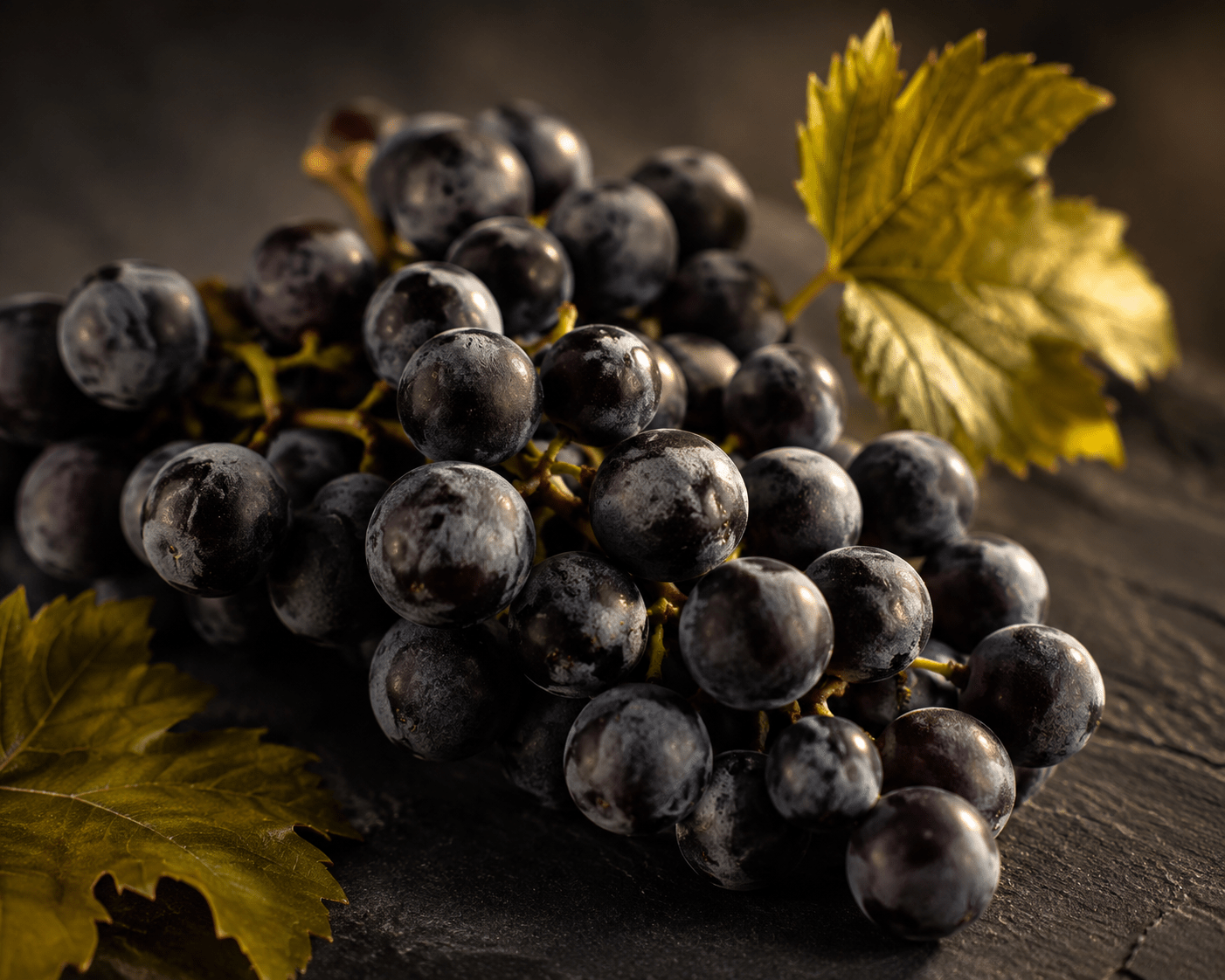
Cabernet Sauvignon wine leads with dark fruit: blackcurrant (cassis), black cherry, and blackberry. Behind the fruit you will often find cedar, pencil shavings, tobacco leaf, and dried herbs. Cooler sites can add a whiff of green bell pepper or mint, which comes from natural aroma compounds in the grape called pyrazines. Structurally, Cabernet is a heavyweight. The grapes are small with thick skins, so the wine is deeply colored and carries firm tannins that dry your mouth slightly. It also keeps good acidity, which keeps it from tasting flabby. Most examples are full-bodied at 13.5–15% alcohol. Oak barrels are part of the classic style, adding vanilla, toast, and baking spice. With ten or more years in bottle, a good Cabernet softens and picks up savory notes of leather, earth, and dried fruit.
Cabernet was born in Bordeaux, where it is the backbone of the famous blends on the Left Bank, especially in the Médoc and Pessac-Léognan. There it is usually blended with Merlot and Cabernet Franc, giving wines of cedar, graphite, and restrained fruit. In California, Napa Valley made Cabernet a superstar with riper, plusher styles: black cherry, cocoa, and sweet oak. Washington’s Columbia Valley sits between the two, ripe but fresh. Chile’s Maipo Valley offers bright cassis and a minty, herbal edge, often at a gentle price. Australia’s Coonawarra is known for eucalyptus and mint, while Margaret River makes elegant, Bordeaux-like wines. South Africa’s Stellenbosch is another rising source. The rule: warmer places give riper, softer fruit; cooler places give more herbs and tension.
Serve Cabernet slightly cool, at 60–65°F. True room temperature makes the alcohol taste hot and the fruit taste jammy, so 15 minutes in the fridge helps. Young Cabernet is tight and tannic, and it rewards air. Decant bottles under about eight years old for 30 to 60 minutes, or simply open them an hour before dinner. Older bottles may throw sediment, so stand them upright for a day and pour gently. Choose a large Bordeaux-style glass with a tall bowl; the extra space lets aromas gather and moves the wine toward the center of your tongue. Pour about one-third full. Leftovers keep better than most wines thanks to Cabernet’s tannin and acid: recork and refrigerate, and it will usually taste good for three to five days.
Cabernet needs food with fat and protein to tame its tannins. That is why it is the classic wine with steak, especially marbled ribeye. Tannin binds to protein, so the wine tastes smoother and the meat tastes juicier. Lamb is just as good, particularly with rosemary or garlic, which echo Cabernet’s herbal side. Burgers, braised short ribs, and prime rib all work. For cheese, reach for aged Cheddar, Gouda, or Parmesan rather than soft, delicate cheeses. Mushroom dishes and black-pepper sauces bring out the wine’s savory notes. Avoid very spicy food, since heat makes high-alcohol, tannic wines taste harsh and bitter. Delicate fish and light salads will also be flattened by Cabernet’s power.
If you love Cabernet, explore its family and its rivals. Merlot, its Bordeaux partner, is softer and plummier; compare them side by side with Cabernet Sauvignon vs Merlot. Cabernet Franc is actually one of Cabernet Sauvignon’s parents (the other is Sauvignon Blanc) and is lighter, with red fruit and more pepper. Petit Verdot adds deep color and violet perfume to blends. Chile’s Carmenère shares the green, herbal streak with softer tannins. For bold dark fruit without as much grip, try Argentine Malbec. If you want even more structure, Nebbiolo and Tannat deliver it.
Start with the place on the label. A bottle that names a specific region, such as Napa Valley, Paso Robles, Columbia Valley, or Maipo Valley, is usually a step up from a generic “California” bottling. In Bordeaux, Cabernet-heavy wines come from the Left Bank: look for Médoc, Haut-Médoc, Pauillac, or Margaux. For value, Chilean and Washington Cabernets often deliver real structure under $20, and our list of best red wines under $20 has more ideas. Expect to pay more for Napa. The word “Reserve” has no legal meaning in the US, so do not rely on it. If you plan to age a bottle, choose one with firm tannin and good acidity, and keep it somewhere cool and dark.
| Region | Style | What to Expect |
|---|---|---|
| Bordeaux (Left Bank), France | Blended, medium-plus body | Cassis, cedar, graphite, firm tannin, long aging |
| Napa Valley, California | Ripe, full-bodied, oaked | Black cherry, cocoa, vanilla, plush texture |
| Columbia Valley, Washington | Ripe but fresh | Dark berries, herbs, bright acidity |
| Maipo Valley, Chile | Fruity and herbal | Cassis, mint, soft price, easy drinking |
| Coonawarra, Australia | Structured, minty | Blackcurrant, eucalyptus, red-earth savor |
| Margaret River, Australia | Elegant, Bordeaux-like | Fine tannin, cassis, dried herbs |
Serve at 60–65°F. Fifteen minutes in the fridge keeps the alcohol from tasting hot.
Decant young Cabernet for 30 to 60 minutes to soften firm tannins.
Fatty, salty meats make tannic Cabernet taste smoother and fruitier.
Learn Your Taste
Answer a few simple questions and discover styles that fit your palate.
Take the Wine QuizCabernet Sauvignon is almost always dry. Its ripe dark fruit and vanilla from oak can seem sweet, especially in warm-climate styles, but very little sugar remains after fermentation in most bottles.
Cabernet Sauvignon has more tannin, more acidity, and flavors of blackcurrant and cedar. Merlot is softer and rounder, with plum and black cherry. Both come from Bordeaux and are often blended together.
Slightly, yes. Aim for 60–65°F, which is cooler than most rooms. A short spell in the refrigerator keeps the alcohol in check and lets the fruit and savory notes show clearly.
Usually three to five days if you recork it and keep it in the fridge. Its tannin and acidity protect it longer than lighter reds. Let it warm a little before drinking again.
Good examples do. Well-made Cabernet from Bordeaux, Napa, or Washington can improve for 10 to 20 years or more, gaining leather and earthy notes. Inexpensive everyday bottles are best within two to four years.
Natural compounds called pyrazines give some Cabernet a bell pepper or herbal note. It is more noticeable in cooler sites or less-ripe vintages and is a typical, not faulty, trait in moderation.