Decant During the Rest
Open young reds when the roast comes out; both need 30 minutes or more.

Understand Wine. Enjoy Every Glass.
Wine Pairings
Prime rib is the king of holiday roasts: tender, juicy, and marbled with fat. It is the perfect excuse to open your boldest, most structured red.
Start Learning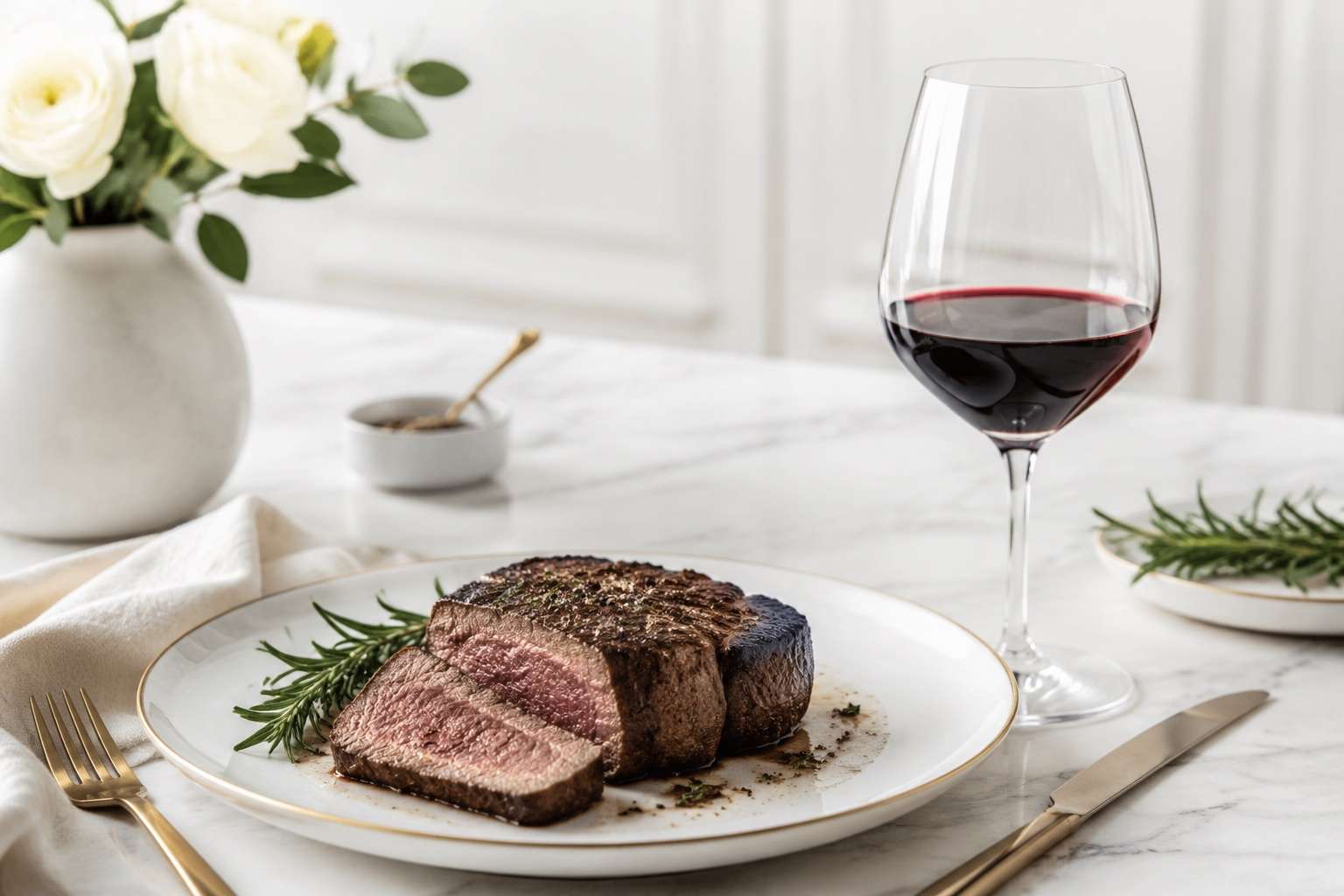
Prime rib is cut from the same part of the animal as ribeye, roasted whole on the bone and sliced thick. That means lots of intramuscular fat, a deeply seasoned outer crust, and juicy, rosy meat. The best wine with prime rib uses tannin to balance that richness. Tannins bind to fat and protein, so a red that tastes firm on its own becomes rounder and fruitier with each bite of beef, while the fat softens the wine’s grip. Cabernet Sauvignon is built for this job: blackcurrant fruit, cedar and tobacco notes, full body, and plenty of structure. A Cabernet from Napa Valley offers ripe, plush fruit, while Washington State versions from regions such as Walla Walla balance ripeness with fresh acidity.
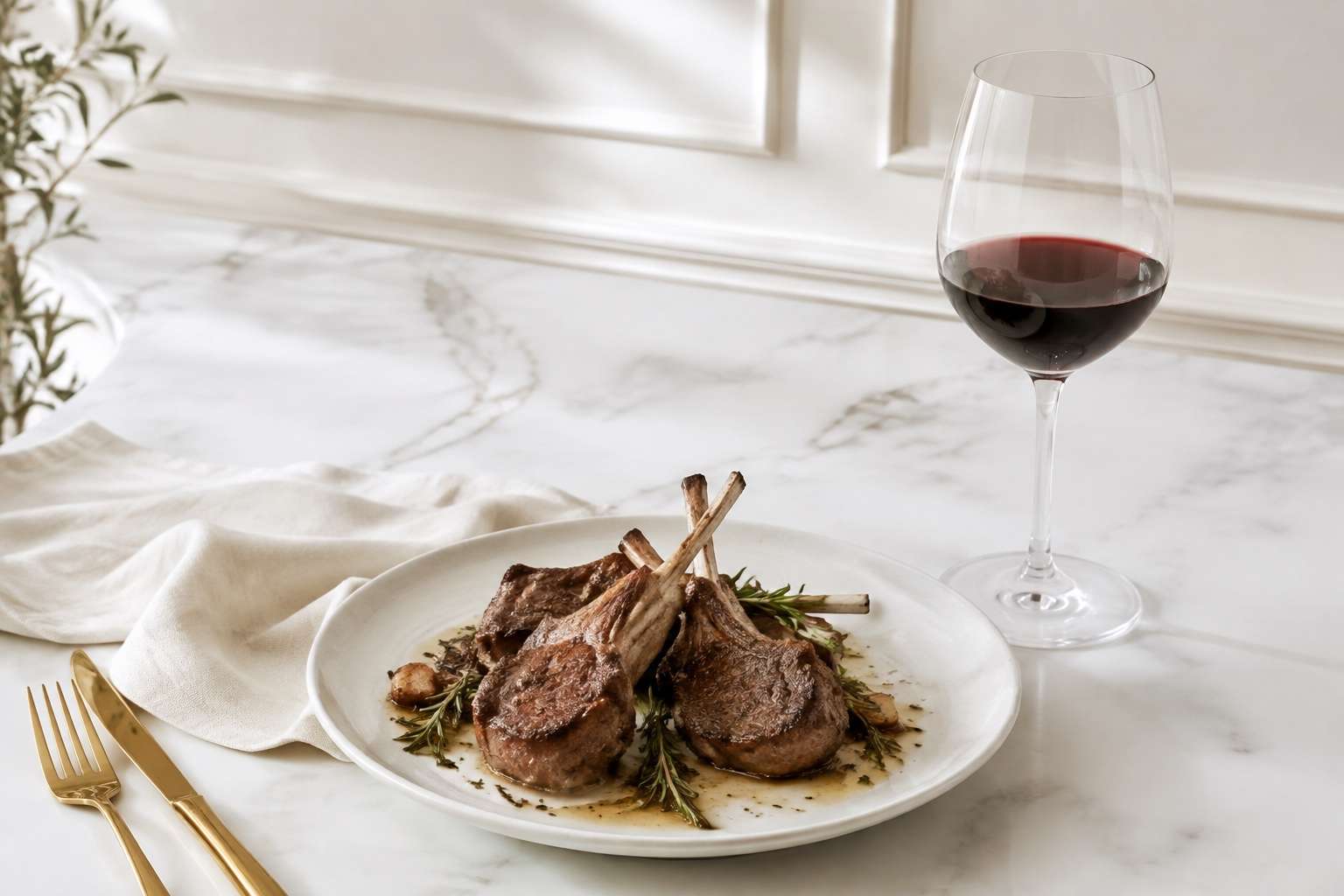
Plenty of other reds shine with a rib roast. Red Bordeaux is the traditional European pick: Left Bank wines from Pauillac or Margaux are Cabernet-based and structured, while Right Bank wines from Saint-Émilion and Pomerol lean on Merlot for plum fruit and silkier texture. Syrah from the Northern Rhône, such as Crozes-Hermitage or Côte-Rôtie, adds black pepper, olive, and smoky notes that love a peppery crust. Spanish Rioja Reserva or Gran Reserva brings leather, dried cherry, and vanilla from long oak aging, a lovely match for an herb-crusted roast. Italian Nebbiolo from Barolo or Barbaresco has high tannin and acidity and pairs beautifully with prime rib for a special celebration. Argentine Malbec is the friendly, budget-wise option.
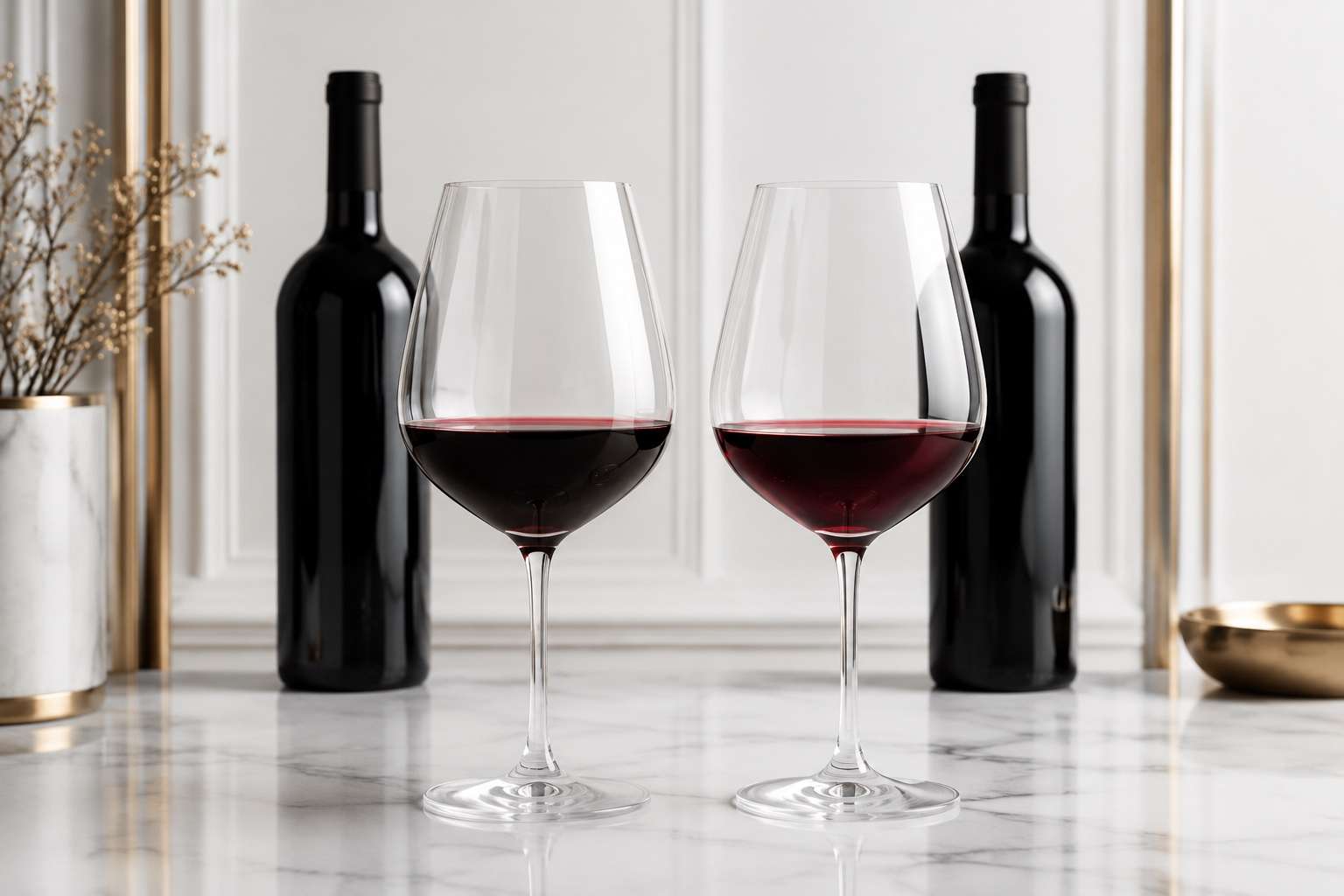
Classic prime rib accompaniments affect the wine. Au jus, the beefy pan juices, adds savory, salty depth that flatters structured reds and makes tannins feel softer. Horseradish cream is sharp and spicy, and its heat can make very tannic or high-alcohol wines taste harsh. If horseradish is a big part of your plate, choose a red with riper fruit, such as a California Cabernet, Malbec, or Australian Shiraz. A garlic-and-herb crust with rosemary and thyme suits Rhône blends and Rioja. Yorkshire pudding and creamy mashed potatoes add richness that a firm Cabernet cuts through. Creamed spinach and mushroom sides pull the pairing toward earthier wines like Bordeaux or Nebbiolo. Roasted root vegetables, sweet and caramelized, are friendly with fruit-forward Merlot.
Doneness matters more than you might think. Rare and medium-rare prime rib is juicier and has more protein and moisture for tannin to grip, so it shows off big, young Cabernet or Barolo best. Medium to well-done slices, often the end cuts, are drier and firmer; they pair better with softer, fruitier reds such as Merlot, Malbec, or a Grenache blend, because strong tannin on dry meat feels astringent. If you are serving a crowd with mixed preferences, open two styles: a structured Cabernet for the rare slices and a plush Merlot for the end cuts. Leftover prime rib becomes amazing French dip or steak sandwiches; pour a Zinfandel or Côtes du Rhône for those. For other beef cuts, see our full guide to wine with steak.
Red is the natural partner, but non-red drinkers have options. A rich, barrel-aged Chardonnay has the body and creamy texture to match prime rib, especially with butter-basted slices. Vintage Champagne or a full, structured rosé from Tavel or Bandol can also stand up to the meat. On the other hand, some wines struggle. Light, delicate whites like Pinot Grigio vanish next to a rich roast. Very light reds, including simple Beaujolais or a lean, cool-climate Pinot Noir, may taste thin, although a fuller, riper Pinot can work with a medium-rare center cut. Sweet wines clash with savory beef. Very old, fragile reds can be overwhelmed by horseradish, so serve them with plain, simply seasoned slices.
Prime rib needs to rest for 20 to 30 minutes after roasting, which is the perfect time to open the wine. Young Cabernet, Bordeaux, Syrah, and Nebbiolo benefit from 30 to 60 minutes of air, so decant them while the roast rests. Serve full-bodied reds at 60–65°F, slightly cooler than room temperature, and use a large-bowled glass. A standing rib roast is often a holiday splurge, but the wine does not have to be. Chilean Cabernet Sauvignon from the Maipo Valley, Bordeaux Supérieur, Washington State Cabernet, Côtes du Rhône Villages, and Rioja Crianza all deliver structure at fair prices, often under $25. Save a top Napa Cabernet, classified Bordeaux, or Barolo for Christmas or a milestone dinner.
| Prime Rib Style | Best Wine | Why It Works |
|---|---|---|
| Classic medium-rare with au jus | Cabernet Sauvignon or Left Bank Bordeaux | Firm tannins balance rich marbling |
| Peppercorn or herb crust | Northern Rhône Syrah | Pepper and savory notes echo the crust |
| With horseradish cream | Malbec or ripe California Cabernet | Riper fruit softens the horseradish heat |
| Holiday showpiece | Barolo or Rioja Gran Reserva | Aged complexity matches a special roast |
| Well-done end cuts | Merlot or Grenache blend | Softer tannins suit drier meat |
| Butter-basted slices | Barrel-aged Chardonnay | Creamy body for white-wine drinkers |
Open young reds when the roast comes out; both need 30 minutes or more.
Spicy horseradish favors fruit-forward reds over very tannic ones.
Pour Cabernet for rare slices and Merlot for well-done end cuts.
Learn Your Taste
Answer a few simple questions and discover styles that fit your palate.
Take the Wine QuizCabernet Sauvignon is the classic choice. Its full body and firm tannins balance the roast's marbling and make the meat taste juicier. Red Bordeaux, Syrah, and Rioja Gran Reserva are excellent alternatives.
It can work if it is a fuller, riper style and the roast is medium-rare. Delicate, lean Pinot Noir may taste thin next to such a rich cut. Most people find bolder reds a better match.
Yes. Merlot's plush plum fruit and softer tannins are great with prime rib, especially medium or well-done slices. Right Bank Bordeaux from Saint-Émilion or Pomerol is a classic Merlot-based choice.
Yes, for young, full-bodied reds. Thirty to sixty minutes in a decanter softens tannins and opens aromas. Older wines need only gentle decanting to remove sediment just before serving.
Choose a red with ripe fruit and moderate tannin, such as Malbec, Australian Shiraz, or California Cabernet. Horseradish heat makes austere, very tannic wines taste harsh.
A full-bodied, barrel-aged Chardonnay is the best white option. Its creamy texture and weight match the rich beef. Vintage Champagne is another good choice for guests who prefer not to drink red.