Taste Steel vs Oak
Compare an unoaked Chablis with an oaked California Chardonnay to taste barrel aging.

Understand Wine. Enjoy Every Glass.
Wine Basics
Every bottle starts as a cluster of grapes on a vine. Here is what happens between harvest and your glass, and how small choices create very different wines.
Start Learning
At heart, how wine is made comes down to one natural reaction: yeast eating sugar. Ripe grapes are full of sugar, and their skins carry wild yeasts. Crush the grapes, and fermentation starts, turning sugar into alcohol and carbon dioxide while releasing heat and aroma. Everything a winemaker does is about steering that reaction and what comes after. The six core stages are harvesting, crushing and destemming, fermentation, pressing, aging, and bottling. The order of pressing and fermenting is what separates red from white wine. Extra steps create sparkling, sweet, and fortified styles. For the bigger picture of what ends up in the glass, see what is wine; the sections below walk through each stage in the cellar.
Winemaking starts in the vineyard. As grapes ripen in late summer and fall, sugar rises, acidity falls, and flavors and tannins mature. In the Northern Hemisphere, harvest usually runs from August through October; in the Southern Hemisphere, roughly February through April. Winemakers taste grapes and measure sugar and acid to choose the picking date. Pick early and the wine will be lighter, fresher, and lower in alcohol; pick late and it will be riper and fuller. Grapes are harvested by hand or by machine. Hand-picking is gentler and allows workers to sort out damaged fruit, and it is required for some styles, including Champagne. Many wineries pick at night or dawn so the grapes arrive cool. Weather during a given year shapes this decision, which is why the vintage printed on a label can matter.
At the winery, grapes are usually destemmed and gently crushed to break the skins. Now the paths split. For red wine, the juice, skins, and seeds go into a tank together. As the yeast works, the skins float up into a cap that winemakers push down or pump juice over to extract color, tannin, and flavor. Red fermentation often runs warmer, roughly 75–90°F. For white wine, grapes are pressed before fermentation, and only the clear juice ferments, often at cooler temperatures to preserve delicate fruit aromas. Fermentation usually lasts one to several weeks. Winemakers can rely on wild yeast or add selected strains. Many wines also undergo malolactic conversion, which softens sharp acids and can add a buttery note, especially in Chardonnay.
Once red wine finishes fermenting, the skins are pressed to squeeze out the remaining wine. Then the new wine ages, a stage called élevage. Stainless steel tanks keep wines fresh and fruity, which suits crisp whites like Sauvignon Blanc and Albariño. Oak barrels let in tiny amounts of oxygen, softening tannins and adding flavors of vanilla, toast, spice, or coconut. New barrels give the most flavor; older ones mainly add texture. Concrete tanks and clay amphorae offer a middle path. Aging can last a few months for a fresh rosé or several years for a powerful red. Some wines also rest on their lees, the spent yeast, to gain a creamy texture. Learn how this affects structure in tannins in wine.
Before bottling, winemakers make the wine stable and clear. They rack it, moving the wine off settled sediment into a clean vessel. Many wines are also fined, using agents that bind to particles so they drop out, and filtered. Some producers skip these steps to keep more texture, which is why certain natural wines look hazy. Blending happens around this time too: Bordeaux blends Cabernet Sauvignon and Merlot, and even single-grape wines are often blends of different barrels or vineyard plots. A small amount of sulfur dioxide is typically added as a preservative; learn more in sulfites in wine. Finally, the wine is bottled and sealed with a cork or screw cap. Some reds then rest in bottle for months or years before release.
Rosé uses red grapes but leaves the juice on the skins for only a few hours to a couple of days, just long enough for a pink tint; see rosé wine. Sparkling wine needs a second fermentation to trap bubbles. In the traditional method used for Champagne and Cava, yeast and sugar are added to still wine in the bottle, and the carbon dioxide dissolves into the wine. In the tank method used for most Prosecco, the second fermentation happens in pressurized tanks. Sweet wines keep natural sugar, either because fermentation is stopped early or because grapes are super-concentrated through late harvest, noble rot, or freezing. Fortified wines like Port have grape spirit added mid-fermentation, which stops the yeast and leaves the wine sweet and strong.
Pick grapes when sugar, acidity, and flavor are in balance, by hand or machine, often in cool morning hours.
Remove stems and gently break the skins to release juice. For whites, press right away to separate the juice.
Yeast turns sugar into alcohol and carbon dioxide over one to several weeks. Reds ferment with their skins for color and tannin.
For reds, press the skins after fermentation to collect the remaining wine. White juice was already pressed before fermenting.
Rest the wine in steel, oak, or concrete for months to years to soften texture and develop flavor.
Rack, fine, or filter as needed, add a little sulfur dioxide, then bottle and seal with cork or screw cap.
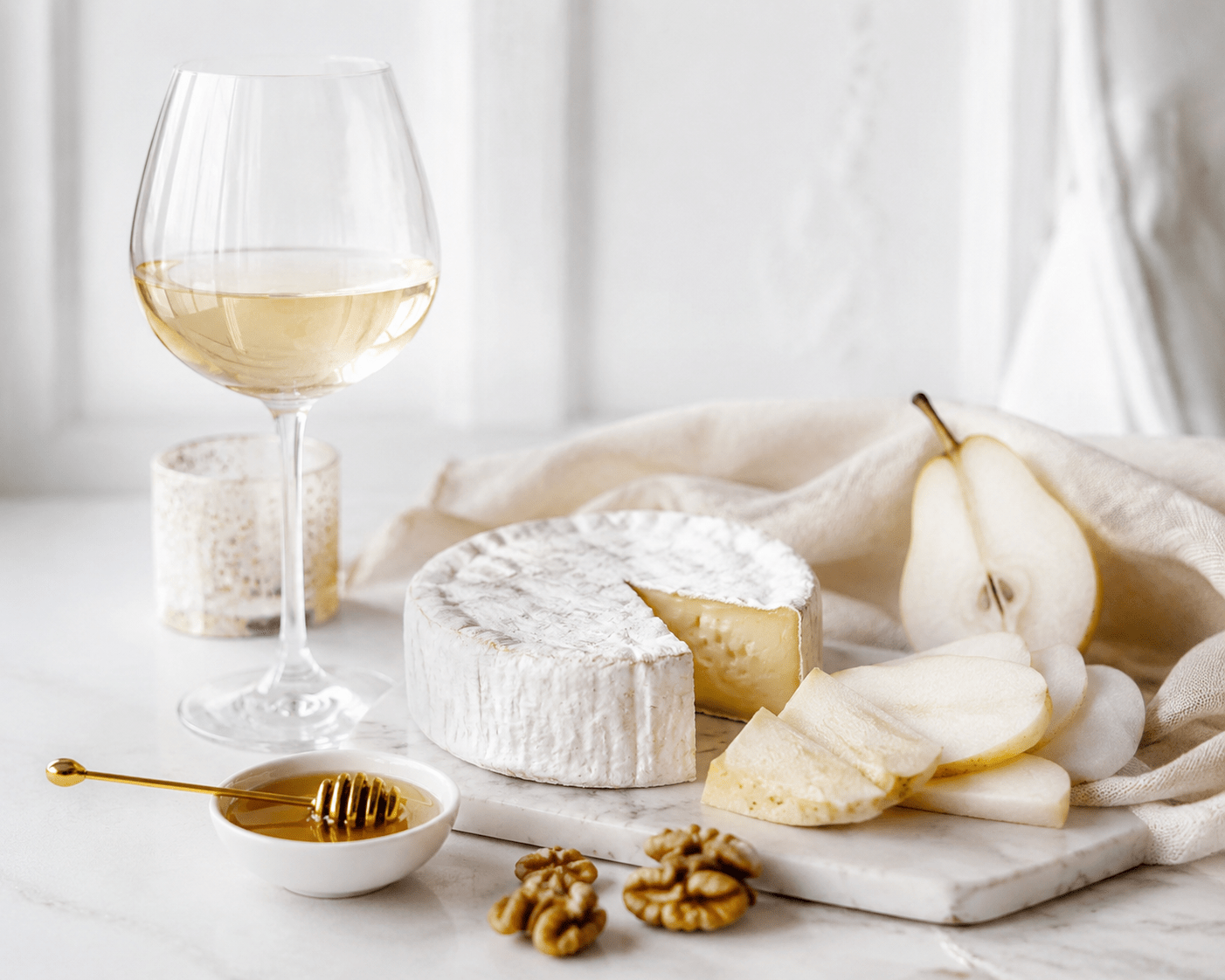
Compare an unoaked Chablis with an oaked California Chardonnay to taste barrel aging.
Many wineries list fermentation vessel, oak aging, and time in barrel on the back label.
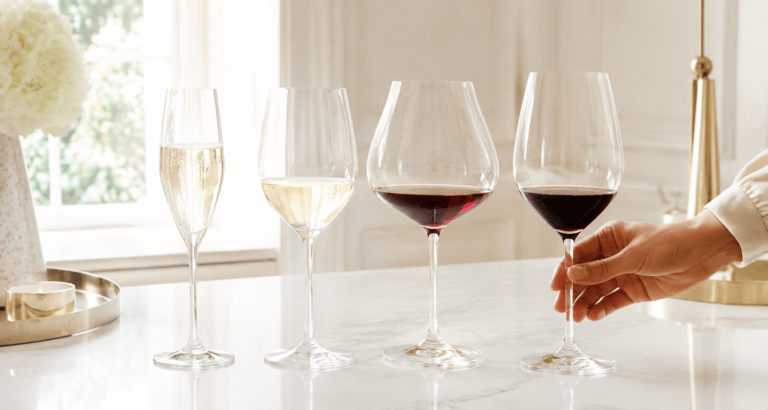
Line up a white, rosé, and red; color depth shows how long juice met skins.
Learn Your Taste
Answer a few simple questions and discover styles that fit your palate.
Take the Wine QuizFermentation takes about one to several weeks, but most wines age for a few months to a few years before release. Fresh whites and rosés can be bottled within months; many structured reds take two years or more.
Sometimes. In cool regions where grapes struggle to ripen, some places allow adding sugar before fermentation to raise alcohol, a practice called chaptalization. It is not meant to make the wine sweet and is banned in some warm regions.
Yes. Yeast is essential because it converts grape sugar into alcohol. Some wineries rely on wild yeasts present on grapes and in the cellar, while others add selected yeast strains for predictability.
Rarely, but it still happens. Some traditional Port producers in Portugal's Douro Valley foot-tread grapes in shallow stone tanks called lagares, and a few small wineries elsewhere use the method for gentle extraction.
The key difference is skin contact. Red wine ferments with the grape skins, which give color and tannin. White wine is pressed before fermentation, so only the juice ferments, keeping it light in color.
Oak barrels allow slow, gentle oxygen exposure that softens tannins and rounds texture. New oak also adds flavors such as vanilla, toast, clove, and coconut, depending on the wood and how it was toasted.