Serve Ice Cold
Chill oyster wines to 40–45°F and keep them on ice like the oysters.

Understand Wine. Enjoy Every Glass.
Wine Pairings
Raw oysters taste like a cold, salty breath of the sea. The perfect wine is just as crisp and briny, acting like a squeeze of lemon in a glass.
Start Learning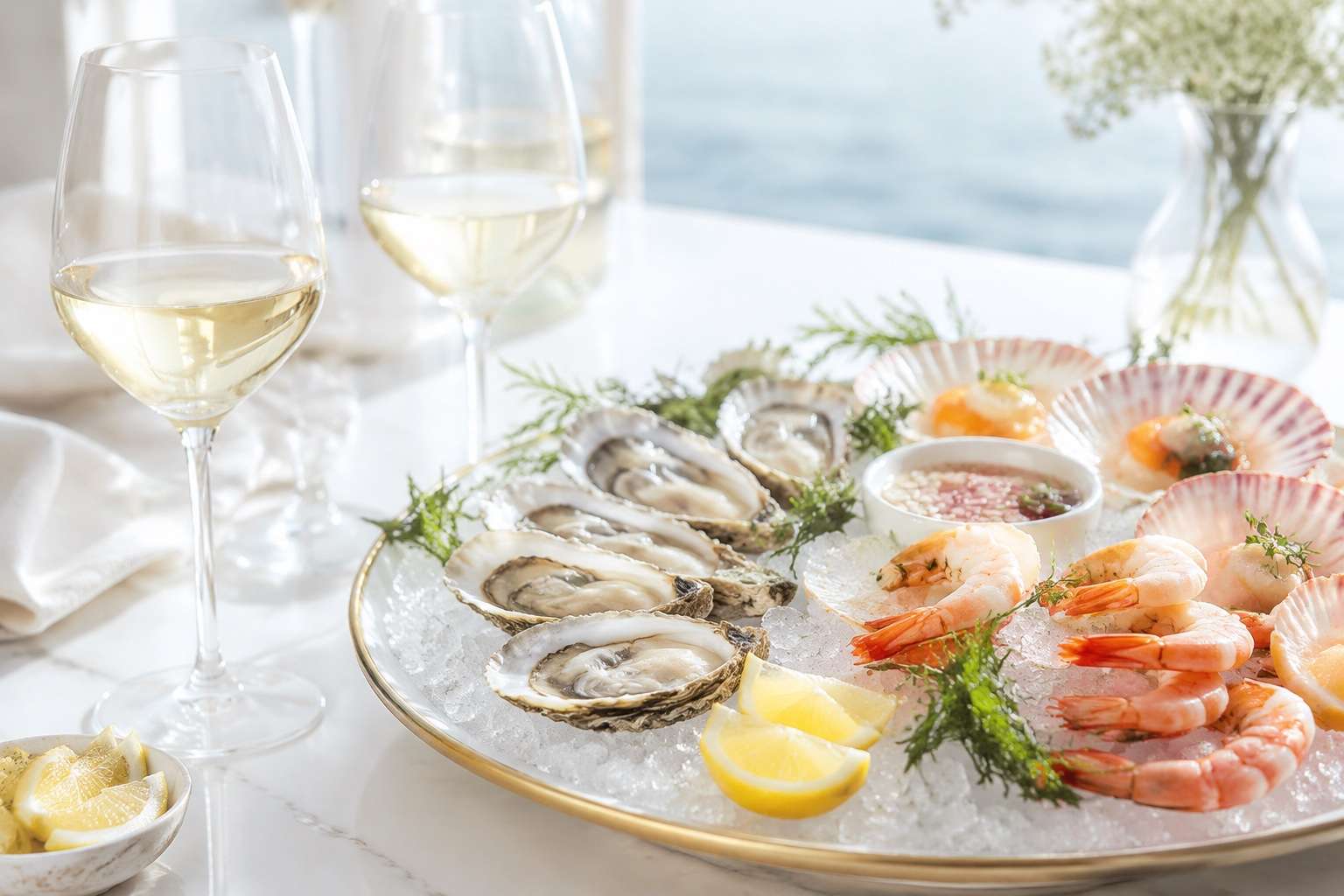
Raw oysters are salty, briny, and delicate, with a cool, silky texture and flavors that range from sweet cucumber to metallic and mineral. The best wine with oysters works like a squeeze of lemon: high acidity that refreshes, a light body that does not overpower, and a salty, mineral, almost seashell character that echoes the oyster itself. Fruit-forward or oaky wines cover up the oyster’s subtle flavors, and tannic reds react with the iodine and minerals in shellfish to create a harsh, metallic taste. Cold temperature matters too. Oysters are served on ice, and an ice-cold, bone-dry white matches that crisp, clean feeling. Think of the wine as a palate cleanser, rinsing away the salt so each oyster tastes as fresh as the first.
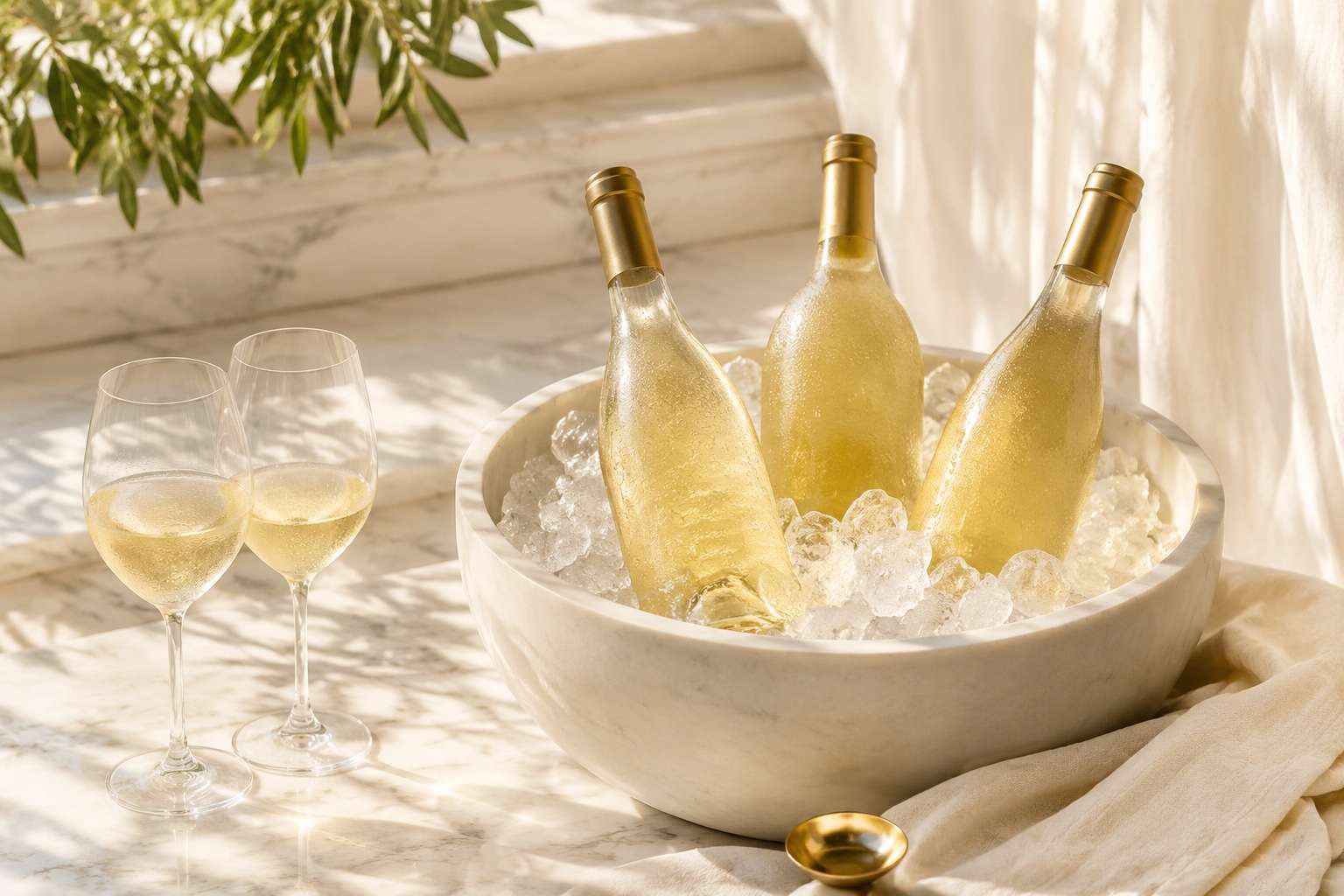
Muscadet, from near the Atlantic coast of the Loire Valley, may be the perfect oyster wine. Light, lemony, and saline, it is often aged “sur lie,” on its spent yeast, which adds a subtle bready texture. Chablis is another classic, an unoaked Chardonnay with flinty, chalky notes; its Kimmeridgian soils even contain fossilized oyster shells. Picpoul de Pinet, grown in the Languedoc near oyster beds on the Étang de Thau, is zesty and great value. Spanish Albariño from coastal Rías Baixas has a briny, citrusy character. Greek Assyrtiko from Santorini is intensely mineral and salty. Sancerre, a crisp Loire Sauvignon Blanc, adds citrus and herbal notes, while Portuguese Vinho Verde is light and refreshing.
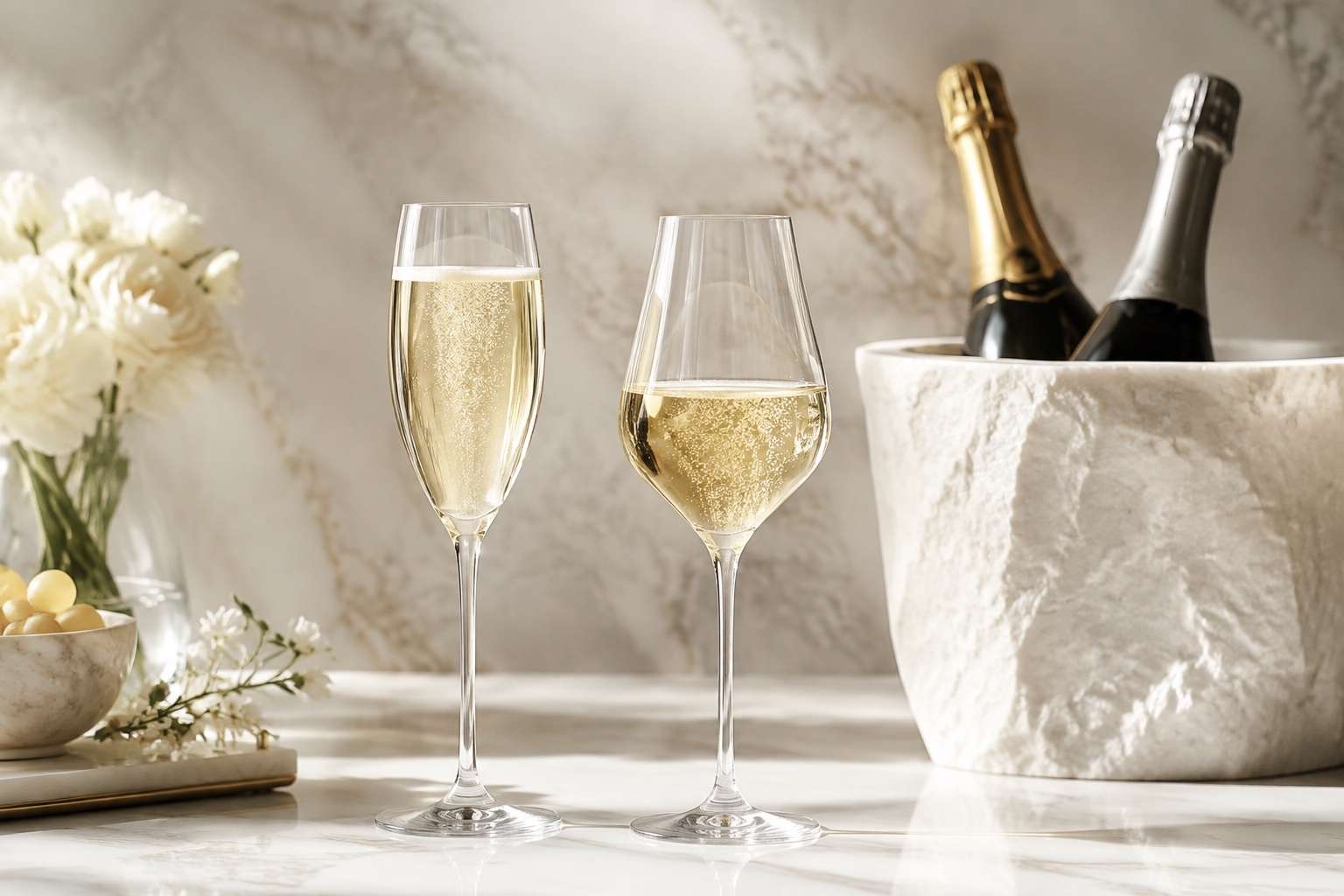
Oysters and Champagne are a timeless luxury pairing. Its high acidity, chalky minerality, and fine bubbles cleanse the palate, while toasty, bready notes from aging on yeast add a lovely contrast to the briny oyster. Choose the driest styles: Brut, Extra Brut, or Brut Nature (zero dosage). Blanc de Blancs, made only from Chardonnay, is especially crisp and elegant. Crémant and Cava offer similar pleasures at friendlier prices. For an adventurous match, try a chilled Fino or Manzanilla Sherry from southern Spain. These bone-dry, tangy, salty wines have a nutty, yeasty character that pairs brilliantly with oysters and other briny foods. Manzanilla, aged near the sea in Sanlúcar de Barrameda, is often described as having a salty note of its own.
Oysters vary by water, just as wine varies by place. East Coast (Atlantic) oysters tend to be brinier, saltier, and more mineral, which suits lean, salty wines like Muscadet, Chablis, and Picpoul. West Coast (Pacific) oysters, including small, sweet Kumamotos, are often creamier and sweeter, with cucumber or melon notes; they pair well with Sancerre, Albariño, or Champagne, whose slightly rounder fruit complements the sweetness. Toppings change things, too. Mignonette, a sauce of shallots and vinegar, needs a wine with very high acidity, like Muscadet or Champagne. Lemon juice pairs with anything crisp. Cocktail sauce with horseradish and ketchup is hard on wine, so use it sparingly with fine bottles. Hot sauce calls for low-alcohol wines such as Muscadet or Vinho Verde.
Cooking changes oysters from delicate to rich, which opens the door to fuller wines. Fried oysters, whether in a po’ boy or on their own, love dry sparkling wine, whose bubbles cut through the crispy batter. Oysters Rockefeller, baked with spinach, butter, herbs, and breadcrumbs, pair well with Sauvignon Blanc, which matches the green flavors, or a lightly oaked Chardonnay. Grilled or chargrilled oysters with garlic butter and Parmesan suit a rounder white like Chardonnay or white Burgundy. Oyster stew, made with cream and butter, is a lovely match for a rich Chardonnay or a dry Amontillado Sherry. Smoked oysters pair with dry rosé or Fino Sherry. For other shellfish and fish pairings, see our guide to wine with seafood.
Avoid red wine with raw oysters; tannins and shellfish can create a metallic, fishy taste. Heavily oaked, buttery Chardonnay, high-alcohol whites, and very aromatic wines like Gewürztraminer or Moscato overwhelm the oyster’s delicacy, and sweet wines generally clash. Serve oyster wines very cold, at 40–45°F, and keep the bottle in an ice bucket alongside the oysters. Plan on about half a dozen oysters per person as an appetizer, and a bottle for every three or four guests. Happily, many of the best oyster wines are bargains. Muscadet and Picpoul de Pinet often cost under $15, and Albariño, Vinho Verde, and Petit Chablis are affordable too. Save true Champagne or Premier Cru Chablis for a special night at the raw bar.
| Oyster Style | Best Wine | Why It Works |
|---|---|---|
| Briny East Coast oysters | Muscadet or Picpoul de Pinet | Lean, salty wines echo the brine |
| Sweet West Coast oysters | Sancerre or Albariño | Brighter fruit complements creamy sweetness |
| Oysters with mignonette | Chablis or Brut Champagne | High acidity matches vinegar and shallot |
| Fried oysters or po' boys | Dry sparkling wine or Cava | Bubbles cut through crispy batter |
| Oysters Rockefeller | Sauvignon Blanc or lightly oaked Chardonnay | Herbal notes match spinach and butter |
| Oyster stew | Rich Chardonnay or Amontillado Sherry | Round wines suit cream and butter |
Chill oyster wines to 40–45°F and keep them on ice like the oysters.
Choose Brut, Extra Brut, or Brut Nature when pairing Champagne with oysters.
It is the classic oyster wine and often costs under $15.
Learn Your Taste
Answer a few simple questions and discover styles that fit your palate.
Take the Wine QuizMuscadet is the classic pairing, along with Chablis and Brut Champagne. All three are bone-dry, high in acidity, and mineral, with a salty edge that complements briny raw oysters.
Yes. Champagne is a timeless oyster pairing. Its acidity and bubbles cleanse the palate, and its chalky minerality echoes the oyster's brine. Choose a Brut, Extra Brut, or Brut Nature style.
It is best to avoid red wine with raw oysters. Tannins can react with shellfish and taste metallic. With cooked oysters in rich sauces, a very light, low-tannin red can work, but whites are safer.
Yes. Crisp Sauvignon Blanc, especially Sancerre from the Loire Valley, pairs well with oysters, particularly sweeter West Coast varieties. It is also a great match for Oysters Rockefeller.
Chablis is an unoaked Chardonnay with high acidity and a flinty, chalky character. Its vineyards grow on Kimmeridgian soils rich in fossilized marine shells, and many drinkers find a briny quality in the wine.
Dry sparkling wine is the best match. Champagne, Cava, or Crémant cuts through the crispy batter and refreshes the palate. A crisp Sauvignon Blanc or Albariño also works well.