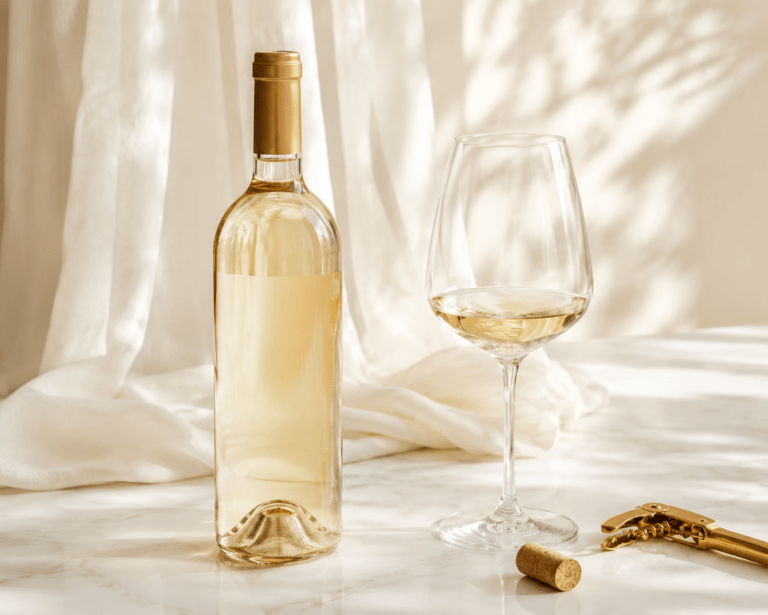
Pour One-Third Full
Leave room in the glass to swirl and smell the wine.

Understand Wine. Enjoy Every Glass.
Buying & Occasions
Wine comes with plenty of unwritten rules. The good news: most of them boil down to generosity and common sense. Here is what actually matters.
Start Learning
The first rule of wine etiquette for guests: a bottle you bring is a gift, not a contribution to the menu. The host has probably planned their wines already, so present yours with a phrase like “This is for you to enjoy another time.” Choose something versatile and a little special. Sparkling wine, a Pinot Noir, or a crisp white like Sancerre suits almost any host. Our hostess gift wines page suggests options by menu and budget. If you bring a special bottle you hope to share, ask the host before you arrive or when you hand it over. Never open a bottle you brought without the host’s invitation. For a casual potluck or barbecue, it is fine to bring wine meant for drinking that night. Bring it chilled if needed, and leave any unopened bottles behind as a thank-you.
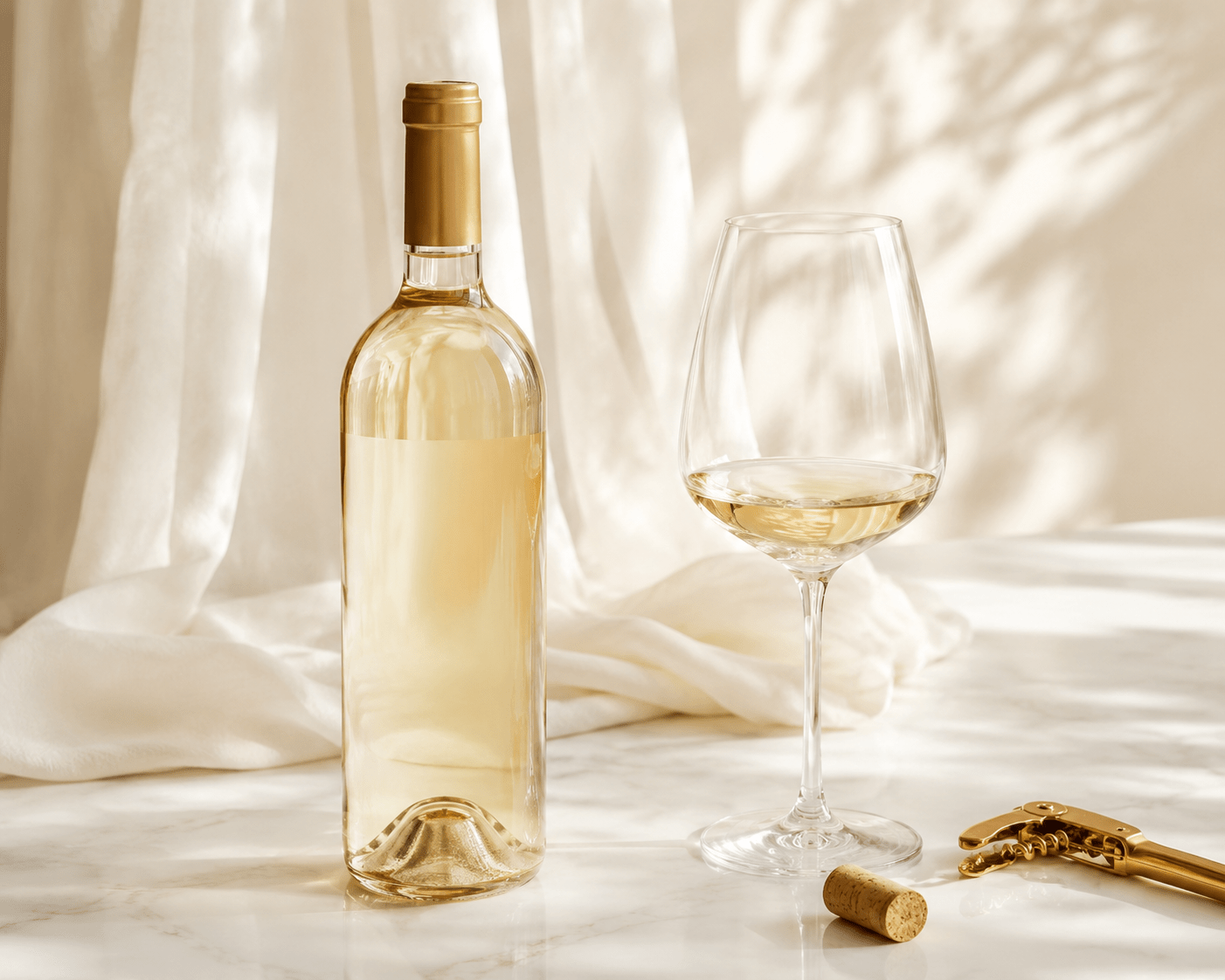
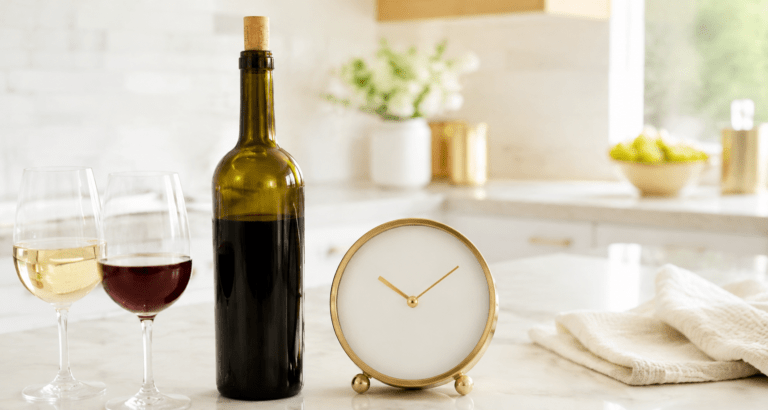
As a host, your job is to make guests feel comfortable. Offer a drink soon after people arrive, and have a few options ready: a white, a red, a sparkling wine, and something non-alcoholic. Pour for guests first, then yourself. Fill glasses about one-third full for still wines, which leaves room for swirling and keeps wine at the right temperature. Our how to pour wine guide covers technique. Keep glasses topped up without overfilling, and watch for guests who cover their glass or say they are done. Serve wines at the right temperature. Chill whites and sparkling wines, and serve reds slightly cool. See wine serving temperature. Offer water throughout the evening, and make sure everyone has a safe way home. If a guest brings a bottle, thank them sincerely. You may open it, but you never have to.
A few small habits make you look at ease. Holding a glass: hold stemmed glasses by the stem. This keeps fingerprints off the bowl and stops your hand from warming the wine. Read how to hold a wine glass. Pouring: pour with the label facing the guest if you like, twist the bottle slightly at the end to avoid drips, and pour sparkling wine slowly down a tilted glass. Toasting: raise your glass, make eye contact, and take a sip after the toast. Clink gently, rim to rim is fine, but bowl to bowl is safer for thin glassware. If you do not drink alcohol, it is perfectly polite to toast with water or a soft drink. Opening: open sparkling wine by holding the cork and turning the bottle, pointing it away from people. Our how to open a wine bottle guide covers corks of every kind.
At a restaurant, whoever orders the wine is usually shown the bottle to confirm it is the right one. Then a small taste is poured. You are checking for faults, like a musty, wet-cardboard smell from a corked wine, not deciding whether you like the style. If the wine is sound, simply nod. Feel free to ask the sommelier for help, and give a price range by pointing to a bottle on the list. Our ordering wine at a restaurant guide explains more. If you bring your own bottle, call ahead about corkage fees, avoid bringing a wine already on the list, and consider offering the sommelier a taste. At a winery, it is fine to spit or pour out wine, especially when tasting many. Our winery tasting etiquette page covers reservations, fees, and buying.
You dislike the wine you are served. Take small sips, enjoy the food and company, and say nothing negative. Good manners matter more than your opinion of the bottle. You do not drink. Simply say “No thank you” or ask for water. You never owe an explanation, and a good host never pushes. Your gift is not opened. That is normal and polite. The host will enjoy it later. Someone spills red wine. Reassure them right away, blot rather than rub, and deal with the stain quietly. Our how to remove red wine stains guide helps. A guest has had too much. Offer water and food, stop topping up their glass, and help arrange a safe ride home. You are unsure which glass is yours. At a set table, wine glasses sit to the upper right of your plate.
| Situation | Do | Avoid |
|---|---|---|
| Bringing wine to dinner | Present it as a gift for later | Expecting the host to open it |
| Hosting | Pour guests first, glasses one-third full | Overfilling or pressuring guests to drink |
| Holding a glass | Hold the stem | Gripping the bowl and warming the wine |
| Restaurant tasting | Check for faults, then nod | Sending back a sound wine you just dislike |
| Toasting | Raise, make eye contact, sip | Clinking thin glasses bowl to bowl hard |
| Not drinking | Politely decline or toast with water | Feeling you must explain |
Leave room in the glass to swirl and smell the wine.
Never assume a bottle you bring will be opened that night.
Keep water and a non-alcoholic option available all evening.
Learn Your Taste
Answer a few simple questions and discover styles that fit your palate.
Take the Wine QuizNot necessarily. Etiquette treats a bottle as a gift the host can save for later. If the host chooses to open it, enjoy it, but guests should never expect or request that their bottle be served.
Pour still wine about one-third full, roughly 5 ounces in a standard glass. This leaves space to swirl and smell. Sparkling wine can be poured higher, about two-thirds, in a narrow flute.
No. A clean bottle handed over with a smile is fine for a casual dinner. For birthdays, holidays, or a host gift you want remembered, a simple wine bag or tissue wrap adds a nice touch. A short tag noting the wine's style or a food it suits is more useful than fancy paper.
Yes, if it is faulty, such as corked, oxidized, or noticeably off. Sending back a sound wine just because you dislike the style is generally frowned upon, though some restaurants will accommodate you.
Usually the person who ordered it, or the host of the meal. The taste is a quick check for faults. If the wine smells clean, a simple nod tells the server to pour for the table.
Yes. A polite "No, thank you" is all that is needed, and you never owe an explanation. A considerate host will offer water or another drink without comment or pressure.