Start in the Middle
Unsure between light and bold reds? Merlot and Malbec are friendly, fruit-forward middle grounds.

Understand Wine. Enjoy Every Glass.
Find Your Wine
Answer a few quick questions about flavors you already love, and get wine styles worth trying next, plus tips for testing whether the match is right.
Start Learning
Five Simple Questions
Choose the answer that sounds best today. Your result is a starting point, not a rule.
Your Starting Style
Explore Your Wine GuidesOur what wine should I drink quiz skips the jargon. Instead of asking you to name grapes, it asks about things you already know: how sweet you like your drinks, whether you prefer light or rich textures, which fruits appeal to you, whether you enjoy bubbles, and what you like to eat. Each answer points toward one of the core traits that define a wine. Sweetness preference maps to the dry vs sweet scale. Light versus rich maps to body. A love of bright, tangy flavors points to high-acid wines, and a fondness for bold, roasty flavors points to fuller reds with more structure. The quiz combines those clues and suggests a few approachable styles, so you walk into a shop with a short list instead of a blank stare. If any style on your list is new to you, our wine types overview explains what each family tastes like.
Your coffee order and snack habits are surprisingly good predictors. If you drink black coffee or strong tea and enjoy dark chocolate, you are comfortable with bitterness and grip, which suggests you will like reds with firm tannins. If you reach for lemonade, sour candy, or a squeeze of lime on everything, you probably enjoy high acidity, the hallmark of crisp whites like Sauvignon Blanc and Grüner Veltliner. If you take your coffee with cream and sugar or love sweet tea, start with wines that have a touch of sweetness, such as Moscato or a Kabinett-style Riesling. If you love buttery popcorn and creamy pasta, a round, oaked Chardonnay may feel familiar. None of these rules is absolute, but they give you a smart first guess, and a smart first guess is what the quiz is designed to deliver.
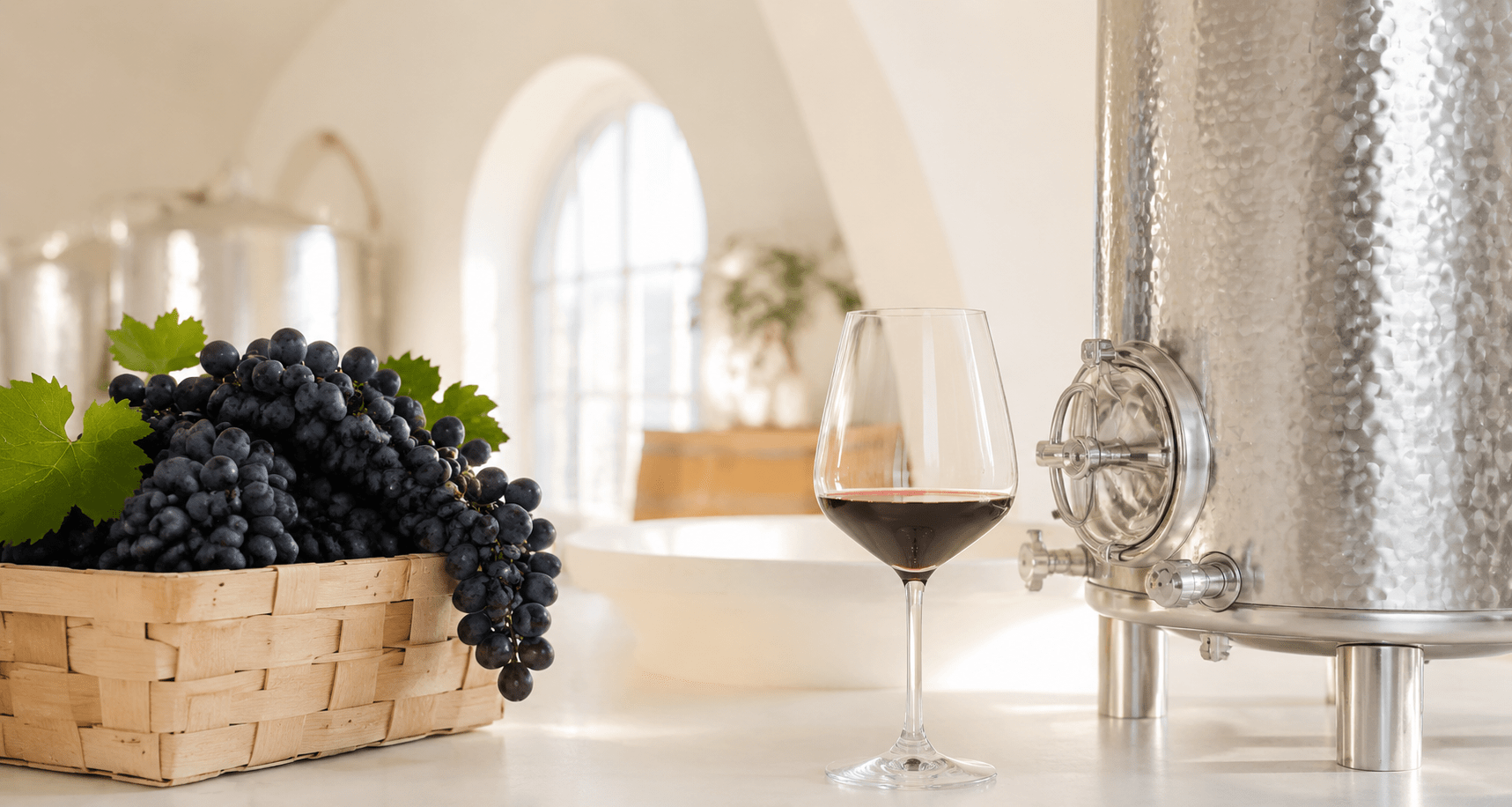
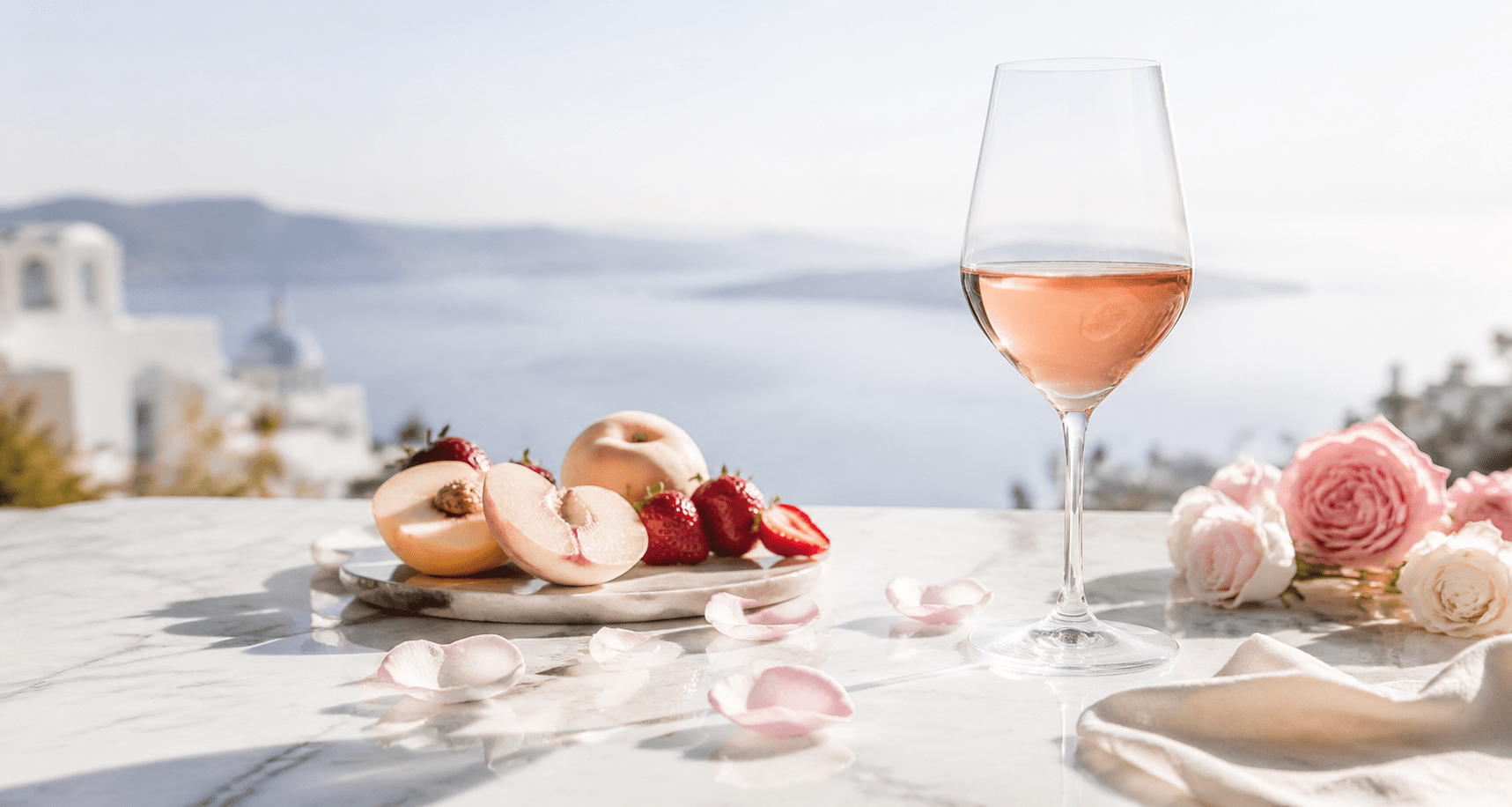
If your answers lean light and refreshing, your results will likely include whites, rosé, or bubbles. Crisp and zesty drinkers should try Sauvignon Blanc from Marlborough for punchy grapefruit, or Albariño from Spain’s Rías Baixas for lemon and a salty, seaside edge. Soft and easy drinkers often love Pinot Grigio, with gentle pear and apple. Rich and creamy fans should try a barrel-aged Chardonnay from California, or Viognier for apricot and honeysuckle perfume. If you said yes to bubbles, Prosecco offers fruity, frothy fun at a friendly price, while Champagne and Cava are drier and more toasty. Pale, dry rosé from Provence suits anyone who wants red-fruit flavor with white-wine freshness.
Red results usually fall into three groups. Light and silky: Pinot Noir and Gamay, the grape of Beaujolais, bring cherry and raspberry with gentle tannin and taste great slightly chilled. They are the easiest reds for people who usually drink white. Smooth and juicy: Merlot offers plum and chocolate with a soft texture, while Zinfandel leans jammy and peppery. Bold and structured: Malbec from Mendoza delivers blackberry and a velvety feel, Cabernet Sauvignon brings blackcurrant and firm grip, and Syrah adds smoke and black pepper. If you are unsure which group fits, start in the middle with Merlot or Malbec; both are fruit-forward enough for newcomers and substantial enough for red lovers.
A quiz result is a hypothesis, and the glass is the test. Buy two bottles from your result list, ideally one inexpensive example of each, and open them side by side. A simple wine tasting at home works better than drinking them on separate nights, because contrast makes differences obvious. Serve them at the right temperature, since a red that is too warm can taste heavy and alcoholic and a white that is too cold can taste like nothing; check the wine serving temperature chart. Taste each wine on its own first, then with a bite of food. Write down three words and a simple verdict: would you buy it again? Our tips on writing tasting notes make this quick. If both wines miss, that is still useful. Note what bothered you, such as too sour, too heavy, or too dry, and nudge your next choice the other way.
Many people start with sweet, fruity wines and drift toward drier, more structured styles over time. Others discover that they always preferred crisp whites. Both paths are fine. Retake the quiz every few months, especially after you have tried a few new bottles, and see whether your result shifts. Context matters too. The same person might want a chilled rosé on a summer patio and a hearty Syrah with winter stew, so think about the occasion as well as your general taste. When dinner is involved, let the food guide you and browse our wine pairings for ideas. When you are ready to shop, our best wine for beginners list and advice on how to buy wine will help you turn quiz results into real bottles, without overspending.
Pick the flavors you actually enjoy, not the answers that sound sophisticated. The quiz only works with your real preferences.
Write down the two or three wine styles in your result, such as Pinot Noir and Merlot, before you go shopping.
Choose inexpensive examples of two suggested styles so you can compare them without worrying about cost.
Serve both at the proper temperature, taste each alone and then with food, and record a quick verdict.
If a wine felt too sour, sweet, light, or heavy, shift your next pick the other way and retake the quiz later.
| If You Like | Try This Wine | Why It Fits |
|---|---|---|
| Lemonade, citrus, tart green apples | Sauvignon Blanc or Albariño | High acidity and zesty citrus flavors |
| Sweet tea, peaches, candy | Moscato or off-dry Riesling | Gentle sweetness balanced by fresh fruit |
| Creamy pasta, buttery popcorn | Oaked Chardonnay | Round body with vanilla and butter notes from oak |
| Cherries, strawberries, light dishes | Pinot Noir or Gamay | Light body, soft tannin, bright red fruit |
| Black coffee, dark chocolate | Cabernet Sauvignon or Malbec | Full body and firm tannin for bold palates |
| Celebrations and fizzy drinks | Prosecco or Cava | Lively bubbles in a fruity or toasty style |
Unsure between light and bold reds? Merlot and Malbec are friendly, fruit-forward middle grounds.
Pinot Noir and Gamay taste brighter after 20 minutes in the refrigerator.
Show your quiz styles to a wine shop clerk; it is an instant shortcut to good suggestions.
Learn Your Taste
Answer a few simple questions and discover styles that fit your palate.
Take the Wine QuizStart with something sweet, fruity, and low in tannin. Moscato d'Asti is lightly sparkling and low in alcohol, while off-dry Riesling and Prosecco are bright and easy. Serve them well chilled, which makes them taste even fresher.
If you want to branch into reds, try a light, low-tannin style like Pinot Noir or Gamay served slightly chilled. Dry rosé is another easy bridge, with red-fruit flavor and the crisp feel of a white.
Moscato, off-dry Riesling, and sweet rosé are natural starting points. If you prefer red fruit, try sparkling Lambrusco labeled amabile or dolce, its sweeter styles. Look for terms like off-dry, semi-sweet, or Kabinett on the label.
Try bold, ripe reds. If you enjoy roasty, bittersweet flavors, Malbec, Syrah, Zinfandel, and Cabernet Sauvignon often show mocha, dark fruit, and cocoa notes, especially after aging in toasted oak barrels. Argentine Malbec and Australian Shiraz are easy, fruit-forward places to start. Ruby Port is a sweet option for after dinner.
A wine quiz gives a solid first guess, not a final verdict. It links flavors you know to wine traits like acidity, sweetness, and body. Tasting a couple of suggested bottles side by side is what confirms or corrects it.
Yes. Many drinkers move from sweet, fruity wines toward drier, more structured styles as they taste more, while others settle into favorites. Retaking the quiz after trying new bottles helps you track that shift.