Read the Grape or Region
The label usually names a grape or place, which tells you the type and likely style.

Understand Wine. Enjoy Every Glass.
Wine Basics
Walk into any wine shop and the shelves can look endless. In reality, every bottle fits into one of six simple families, each with its own grapes, flavors, and uses.
Start Learning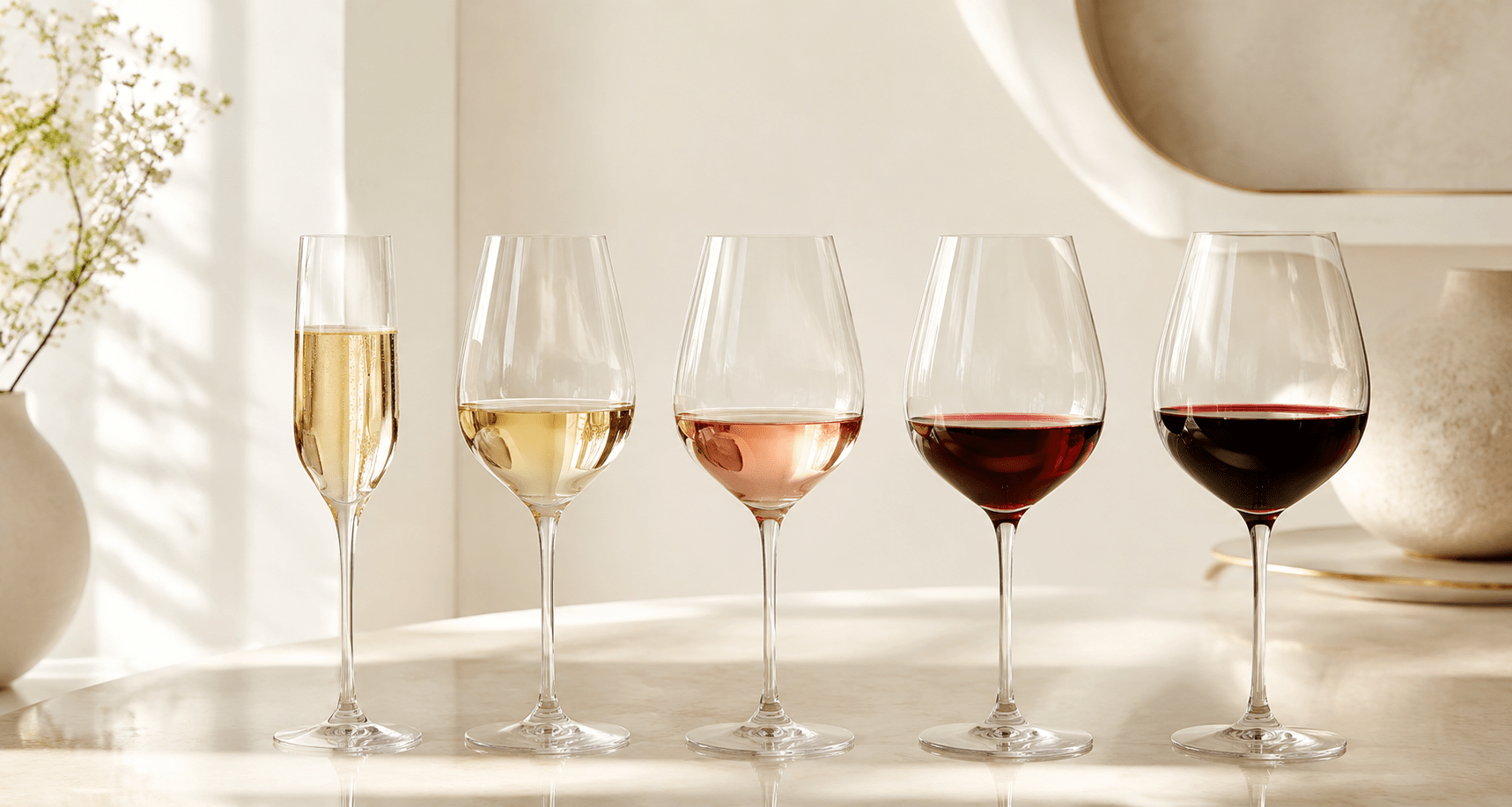
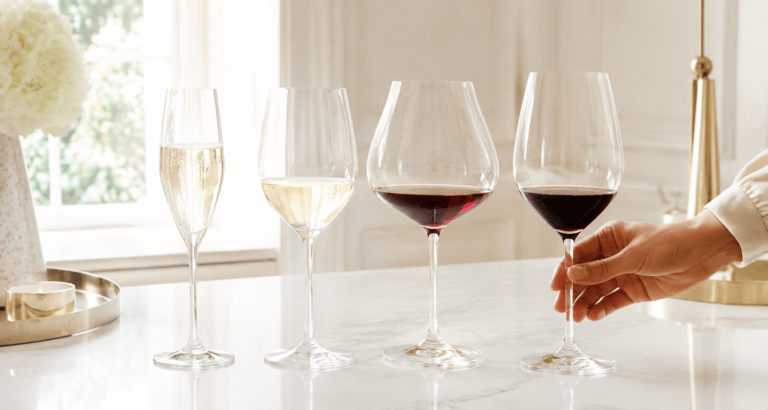
Most guides sort the types of wine into six families: red, white, rosé, sparkling, dessert, and fortified. The first three are called still wines because they have no bubbles. The split comes down to how the wine is made, not just the grape. Color depends on skin contact, bubbles depend on trapping carbon dioxide, and sweetness depends on how much grape sugar remains. Strength depends on whether spirit is added. Within each family, wines also differ by body, from light to full, and by flavor, from fruity to earthy. Knowing which family a bottle belongs to tells you roughly how it will taste, how cold to serve it, and what food it suits. The wine types hub goes deeper on each, including newer categories like orange and natural wine.
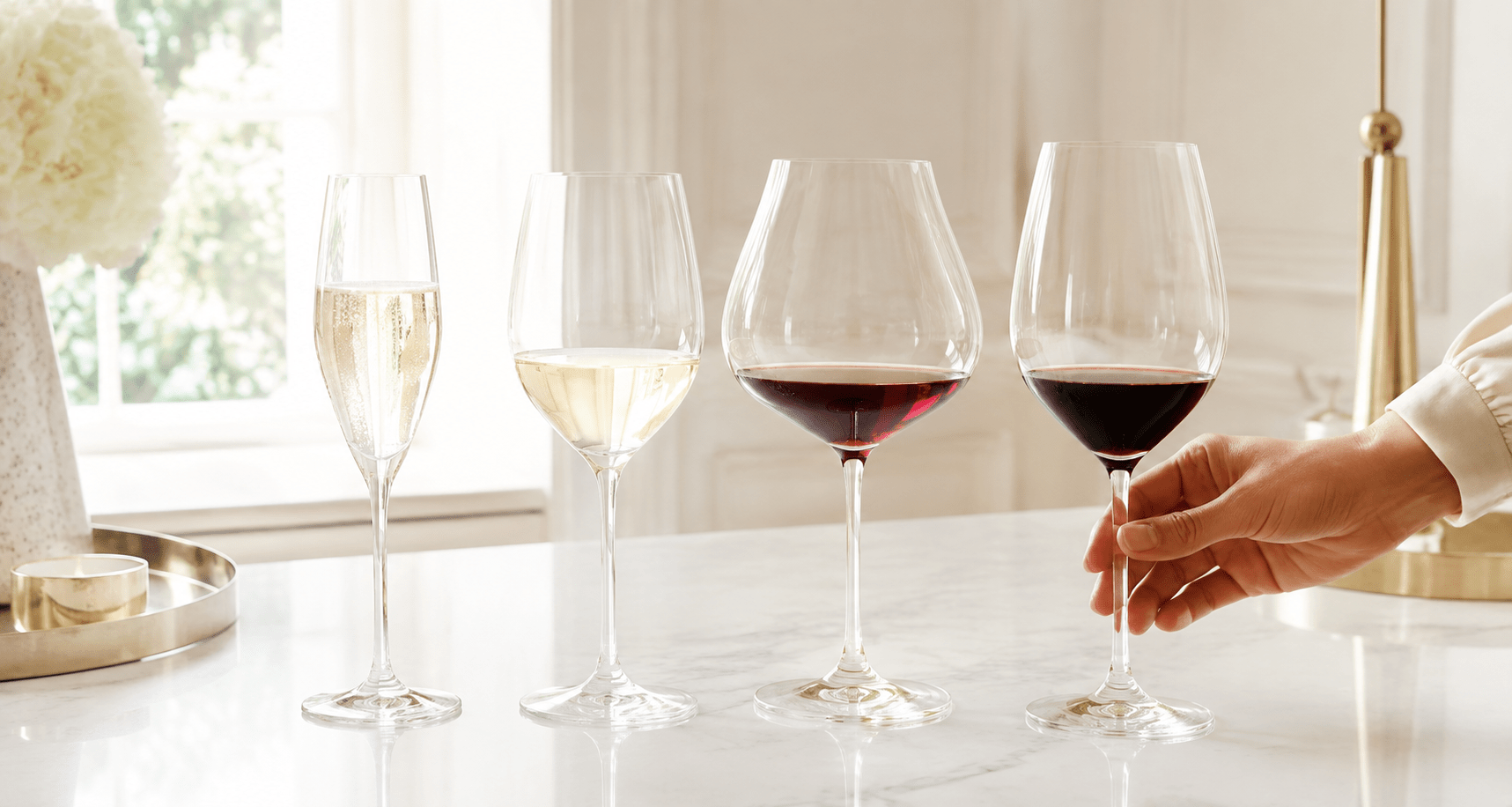
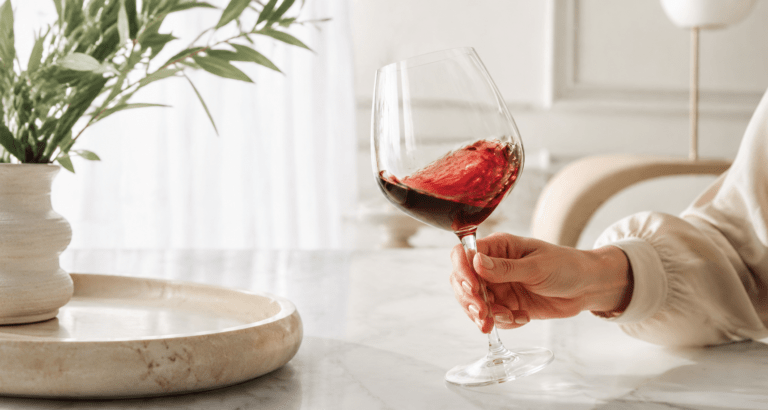
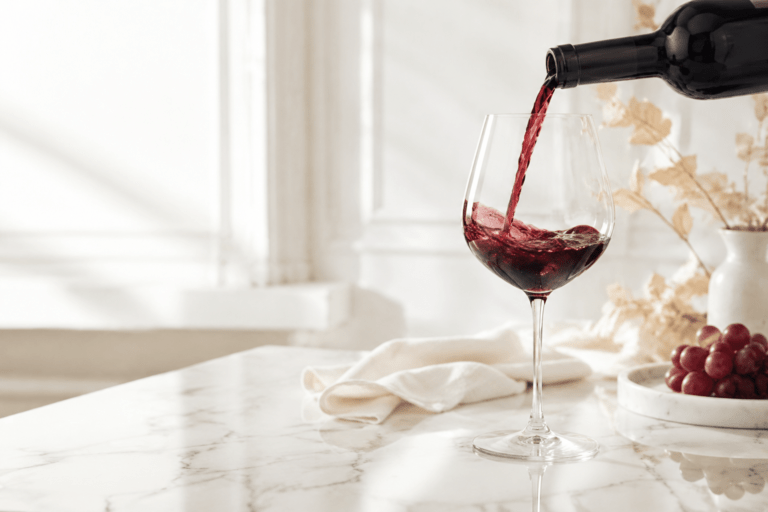
Red wine is made from dark-skinned grapes fermented with their skins, which give color, tannin, and much of the flavor. Light-bodied reds such as Pinot Noir and Gamay show red cherry and raspberry, soft tannin, and bright acidity. Medium-bodied reds like Merlot, Sangiovese, and Grenache add plum and spice. Full-bodied reds such as Cabernet Sauvignon, Syrah, and Malbec bring blackberry, firm tannin, and often oak flavors like vanilla and cedar. Serve reds slightly cool, about 55°F for light styles and 60–65°F for bold ones. Reds shine with meat, mushrooms, tomato sauces, and hard cheeses, and the fuller the dish, the fuller the red it can handle.
White wine is usually made from green-skinned grapes pressed before fermentation, so it has little tannin. Light, crisp whites like Pinot Grigio, Albariño, and Muscadet are zesty and citrusy. Aromatic whites such as Riesling, Gewürztraminer, and Viognier burst with floral and stone-fruit scents and can be dry or off-dry. Sauvignon Blanc brings grapefruit and green herbs. Full-bodied whites, especially oaked Chardonnay, feel rich and creamy with notes of baked apple, butter, and toast. Serve light whites at 45–50°F and fuller ones closer to 50–55°F. Whites pair well with seafood, chicken, salads, and creamy or citrusy sauces. For the full contrast with reds, see red vs white wine.
Rosé is made from red grapes whose skins stay in the juice only briefly — often a few hours — just long enough to tint it pink. Most quality rosé is dry, with strawberry, watermelon, and citrus notes. Provence in southern France is the classic model, but Spain, Italy, and the US make excellent versions. Sparkling wine gets its bubbles from a second fermentation that traps carbon dioxide. Champagne and Cava do this in the bottle, giving fine bubbles and toasty, bready notes. Prosecco does it in large tanks, keeping fresh pear and apple fruit. Sparkling wine runs from bone-dry Brut Nature to sweet Doux. Serve both rosé and sparkling well chilled, around 40–50°F, and do not save them only for celebrations; they pair with fried food, salty snacks, and brunch.
Dessert wines keep noticeable natural sweetness. Winemakers get there by leaving grapes on the vine late, as in late-harvest Riesling; by letting a beneficial mold called noble rot shrivel the grapes, as in Sauternes and Tokaji; or by picking frozen grapes for ice wine. These wines balance their sugar with high acidity, so the best taste luscious rather than syrupy. Fortified wines have grape spirit added, raising alcohol to roughly 15–22%. Adding it during fermentation stops the yeast and leaves sweetness, as in Port. Adding it after fermentation can make a dry wine, as in Fino Sherry. Serve these in small pours, about two to three ounces. They pair beautifully with blue cheese, nuts, and desserts that are slightly less sweet than the wine. Learn more in dessert wine.
Match the type to the moment. For a hot afternoon or aperitif, reach for a crisp white, rosé, or sparkling wine. For a light dinner like fish or roast chicken, try a medium white or a light red. For grilled steak, burgers, or rich stews, choose a full-bodied red. For dessert or a cheese board, a small glass of Port or late-harvest wine works well. If you are unsure what you like, run the tasting in the steps below to sample one wine from several families at once. And when you are ready to go deeper, browse individual grape varieties within your favorite type.
Buy a crisp white, a dry rosé, a Prosecco or Cava, a light red, and a full-bodied red to cover the main types.
Chill sparkling and white wine to 40–50°F, rosé to about 50°F, and cool reds to 55–65°F before tasting.
Start with sparkling, then white, rosé, light red, and full red so stronger wines do not overwhelm delicate ones.
Note each wine's color, how heavy it feels, and whether it leaves a drying sensation from tannin.
If you have one, taste a small pour of Port or late-harvest wine last, alongside cheese or dark chocolate.
The label usually names a grape or place, which tells you the type and likely style.
Brut sparkling wine is one of the most versatile food wines, especially with salty, fried dishes.
Dessert and fortified wines are richer and stronger, so pour two to three ounces.
Learn Your Taste
Answer a few simple questions and discover styles that fit your palate.
Take the Wine QuizMost experts group wine into six main types: red, white, rosé, sparkling, dessert, and fortified. Some lists add orange wine, made from white grapes fermented with their skins, as a seventh.
Red and white still wines are by far the biggest categories. Cabernet Sauvignon is among the most widely planted red grapes in the world, and Chardonnay is one of the most widely planted and recognized whites.
Dessert wines such as ice wine, Sauternes, Tokaji, and sweet Port are the sweetest. Many everyday wines, including most reds and dry whites, have little or no noticeable sugar.
Still wine has no bubbles. Sparkling wine traps carbon dioxide from fermentation, usually through a second fermentation in a bottle or pressurized tank, creating the fizz you see in Champagne and Prosecco.
Usually not. Most rosé is made from red grapes with brief skin contact. Blending red and white is rare in Europe, though rosé Champagne is a notable exception where it is allowed.
Dry sparkling wine and dry rosé are the most flexible. Their acidity cuts fat, their moderate weight suits both light and rich dishes, and they handle salt and gentle spice well. Among still wines, Pinot Noir and unoaked whites like Sauvignon Blanc match a wide range of meals.