Use the 20-Minute Rule
Whites out of the fridge 20 minutes early; reds in the fridge 20 minutes early.

Understand Wine. Enjoy Every Glass.
Wine Basics
Temperature changes how wine tastes more than almost anything else. A few degrees can turn a dull bottle bright, or a harsh red smooth and fruity.
Start Learning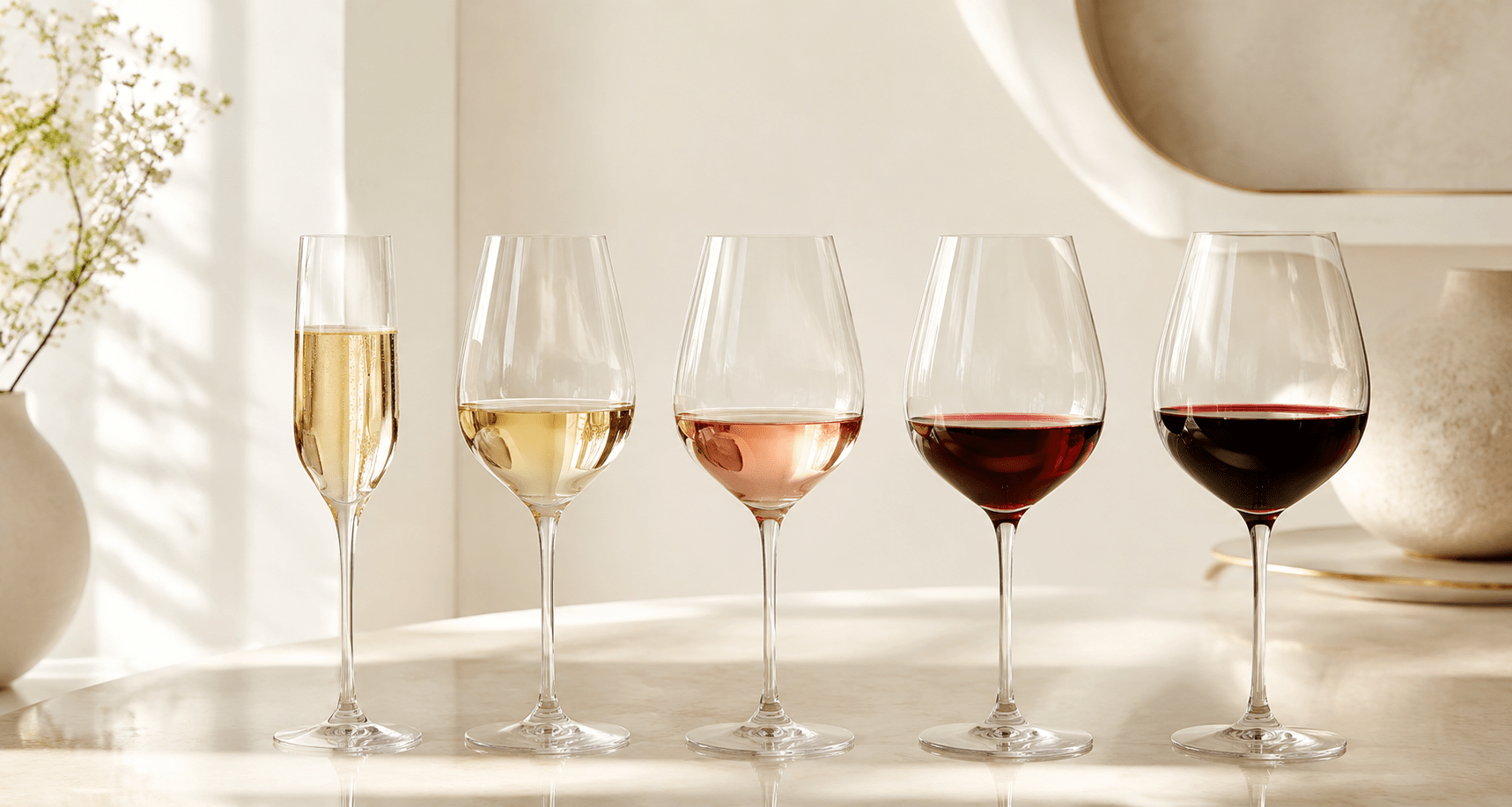
Wine serving temperature changes both aroma and structure. When wine is too cold, aromas stay locked in, and acidity and tannin feel sharper and more bitter. That is why an ice-cold Chardonnay can taste thin and a chilled tannic red can feel harsh. When wine is too warm, alcohol evaporates faster and dominates the nose, making the wine seem hot, heavy, and flabby, with fruit that tastes jammy rather than fresh. The sweet spot lets fruit, acidity, and texture work together. The “room temperature” rule for red wine comes from cooler cellars and homes of the past, closer to 60–65°F than today’s 70–75°F. That single fact explains why so many reds taste better with a short chill. A cheap thermometer is helpful, but the fridge-timing tricks below work fine without one.
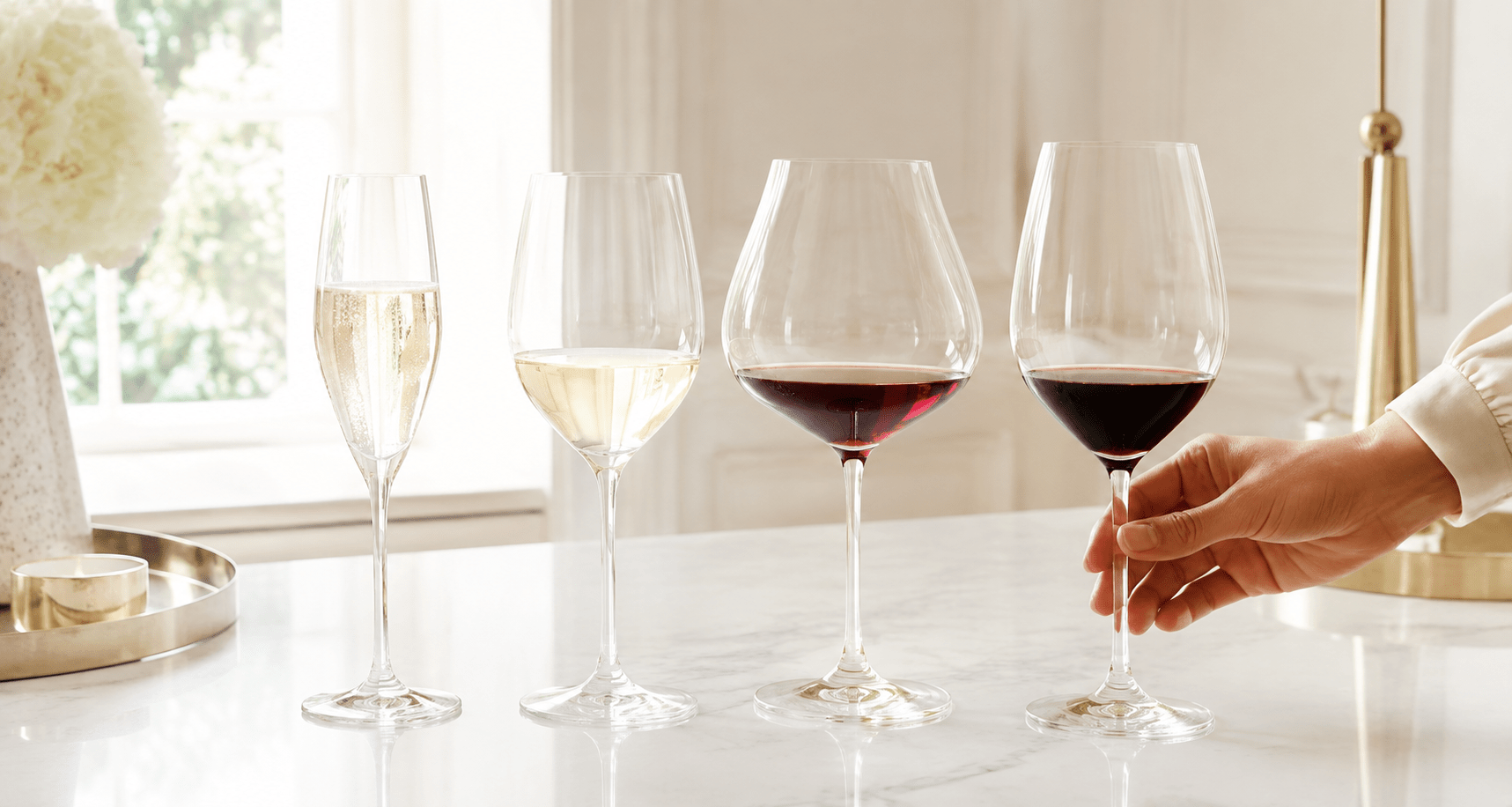
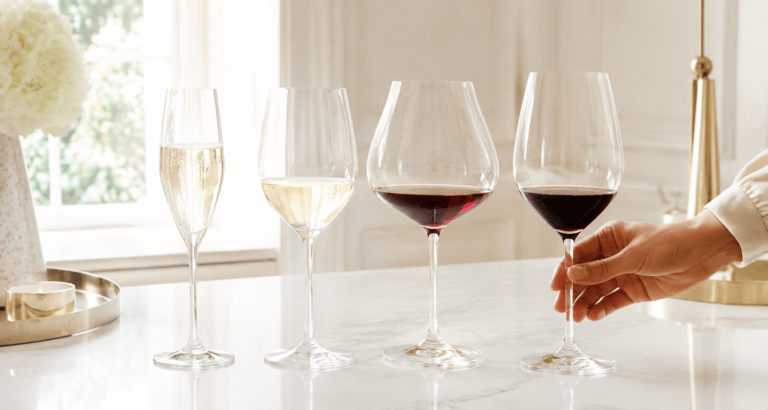
Sparkling wines are served coldest. Prosecco, Cava, and non-vintage Champagne show best around 40–45°F, which keeps bubbles fine and fresh; vintage Champagne and richer sparklers can go up to about 50°F to show more complexity. Light, crisp whites such as Sauvignon Blanc, Pinot Grigio, Albariño, and dry Riesling taste brightest at 45–50°F. Full-bodied whites like oaked Chardonnay, Viognier, and white Burgundy need a little more warmth, 50–55°F, so their creamy texture and aromas can open. Dry rosé fits with light whites at 45–50°F. Sweet dessert wines like Sauternes and late-harvest Riesling usually taste best around 45–50°F, which keeps the sugar from feeling heavy. Learn more about each family in white wine and sparkling wine.
Reds are served cooler than most people think. Light-bodied, low-tannin reds such as Beaujolais (Gamay), Pinot Noir, and many Lambruscos taste juicy and lively at 55–60°F, and some light reds are delicious even a bit cooler. Medium-bodied reds such as Merlot, Chianti, and Rioja Crianza sit around 58–62°F. Full-bodied, tannic reds like Cabernet Sauvignon, Syrah, Malbec, and Zinfandel show best at 60–65°F; colder than that, the tannin turns harsh. Fortified wines vary: Fino and Manzanilla Sherry are served chilled like a white, while Tawny Port is often served slightly cool and Ruby or Vintage Port around 60–65°F. If a red tastes boozy or soupy, it is almost always too warm. For more on red styles, see red wine.
A kitchen fridge sits around 35–40°F, colder than any wine needs. A white straight from the fridge usually wants 10 to 20 minutes on the counter before serving, depending on style. A red at room temperature needs about 15 to 20 minutes in the fridge to reach the low 60s°F. For a fast chill, use an ice bucket filled with half ice and half water, plus a handful of salt; the bottle chills in about 15 minutes. Spinning the bottle in the ice water speeds things up further. A frozen sleeve works well for a single bottle. The freezer works in a pinch, but set a timer for 20 to 30 minutes so you do not forget it. More tricks are in how to chill wine fast. To warm a too-cold wine, cup the bowl in your hands for a minute.
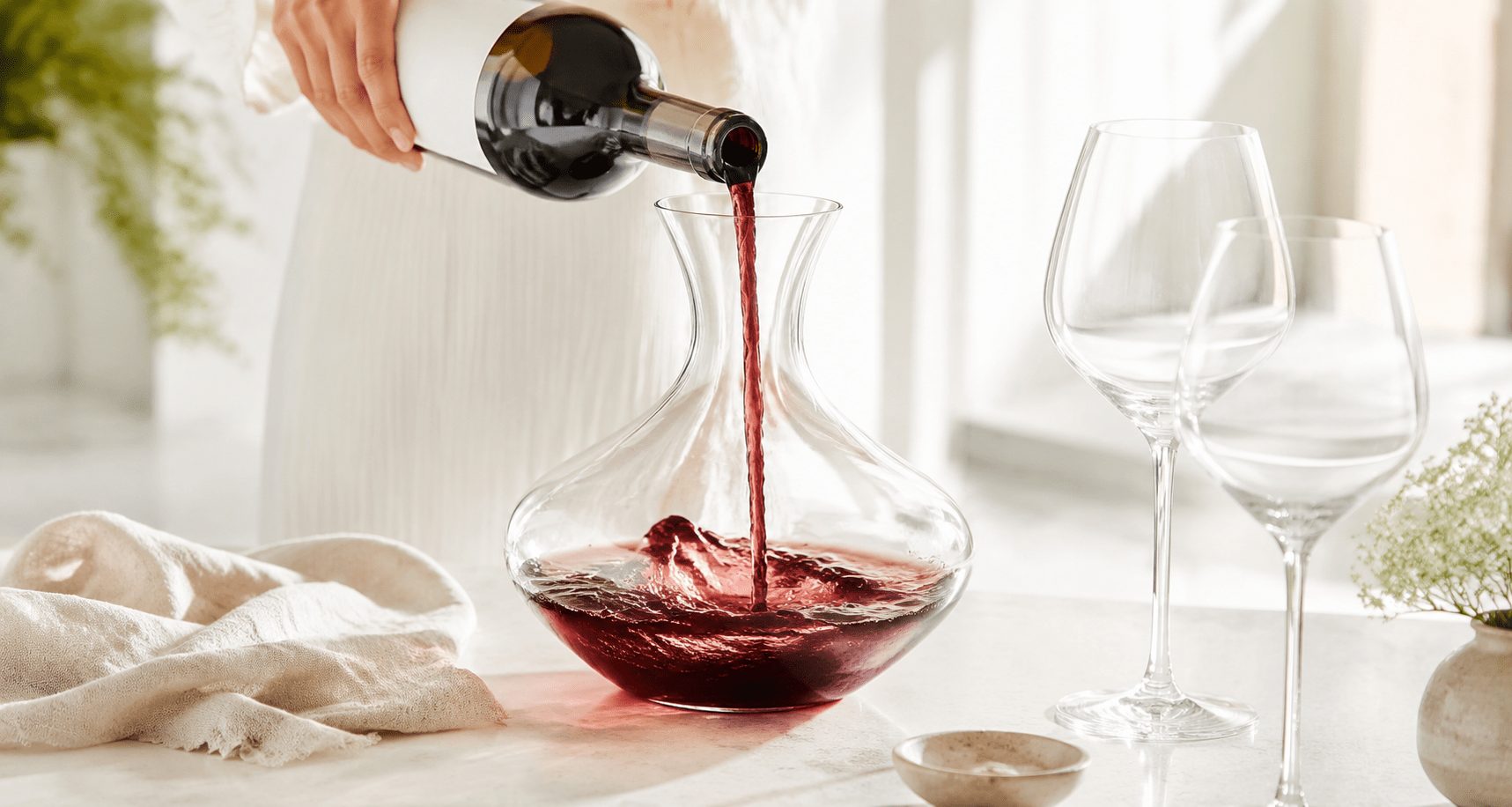
Wine warms quickly once poured. A glass of white can climb several degrees in a few minutes, especially outdoors or in a warm room. Pour smaller amounts more often rather than filling glasses to the brim, which helps keep each pour fresh. Hold stemmed glasses by the stem so your hand does not warm the bowl; how to hold a wine glass explains the grip. Keep whites and sparkling wine in an ice bucket between pours, but lift them out now and then so they do not get too cold. For reds on a hot summer day, set the bottle in a bucket of cool water for a few minutes. The right glass shape also helps aromas, covered in the wine glass guide.
Decide whether the wine is sparkling, light white, full white, rosé, light red, or full red. Each has its own target range.
Refrigerate whites, rosés, and sparkling wines for at least two to three hours before serving.
Take whites out of the fridge 10 to 20 minutes before pouring, longer for rich Chardonnay.
Put room-temperature reds in the fridge for about 15 minutes for bold styles and 20 to 30 minutes for light ones.
Use an ice bucket for whites and pour smaller amounts so glasses stay near the ideal temperature.
Whites out of the fridge 20 minutes early; reds in the fridge 20 minutes early.
An ice-water bath chills a bottle much faster than ice alone.
If a red tastes boozy, chill it. If a white tastes flat, let it warm.
Learn Your Taste
Answer a few simple questions and discover styles that fit your palate.
Take the Wine QuizServe light reds like Pinot Noir at 55–60°F and full-bodied reds like Cabernet Sauvignon at 60–65°F. That is cooler than most homes, so a short chill in the fridge usually helps.
Light, crisp whites taste best at 45–50°F, while full-bodied whites like oaked Chardonnay are better at 50–55°F. Straight from the fridge is usually a little too cold.
Yes, a lot. Warmth boosts aroma and makes alcohol taste hotter, while cold sharpens acidity, firms up tannin, and mutes fruit. That is why a big red served too warm tastes boozy and a crisp white served too warm tastes flat. A few degrees can change your view of the same bottle.
Serve Champagne around 40–45°F for most bottles, which keeps the bubbles lively. Older or vintage Champagne can be served slightly warmer, closer to 50°F, to show more toasty complexity.
Yes, for a quick chill of about 20 to 30 minutes. Set a timer, because a forgotten bottle can freeze, push out the cork, or even crack the glass.
It is not harmful, but it mutes aroma and flavor and makes acidity and tannin taste harsher. If a wine seems dull or bitter, let it warm a few minutes in the glass.