Buy From the Mountains
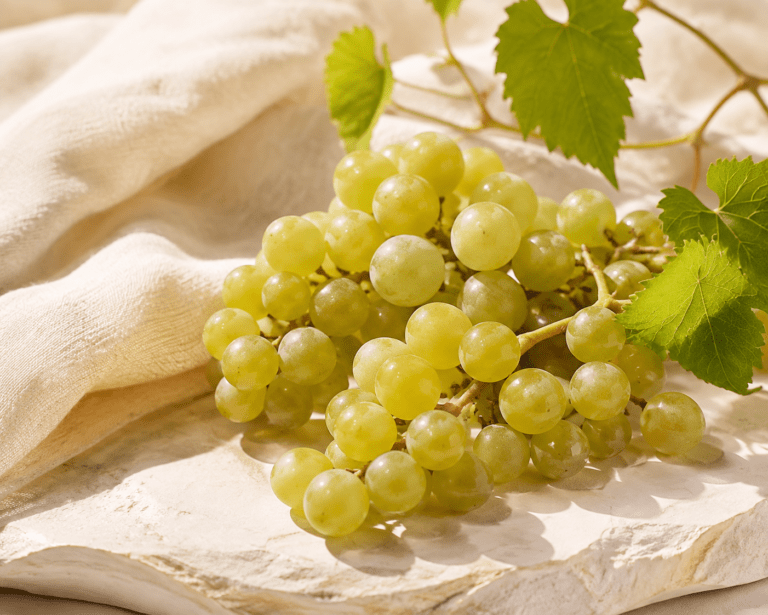
Alto Adige and Friuli labels deliver far more flavor than generic bottles.

Understand Wine. Enjoy Every Glass.
Grape Varieties
Pinot Grigio is the crisp, easygoing white that fills patio glasses everywhere. Learn what it tastes like, where the good stuff comes from, and how to pair it.
Start Learning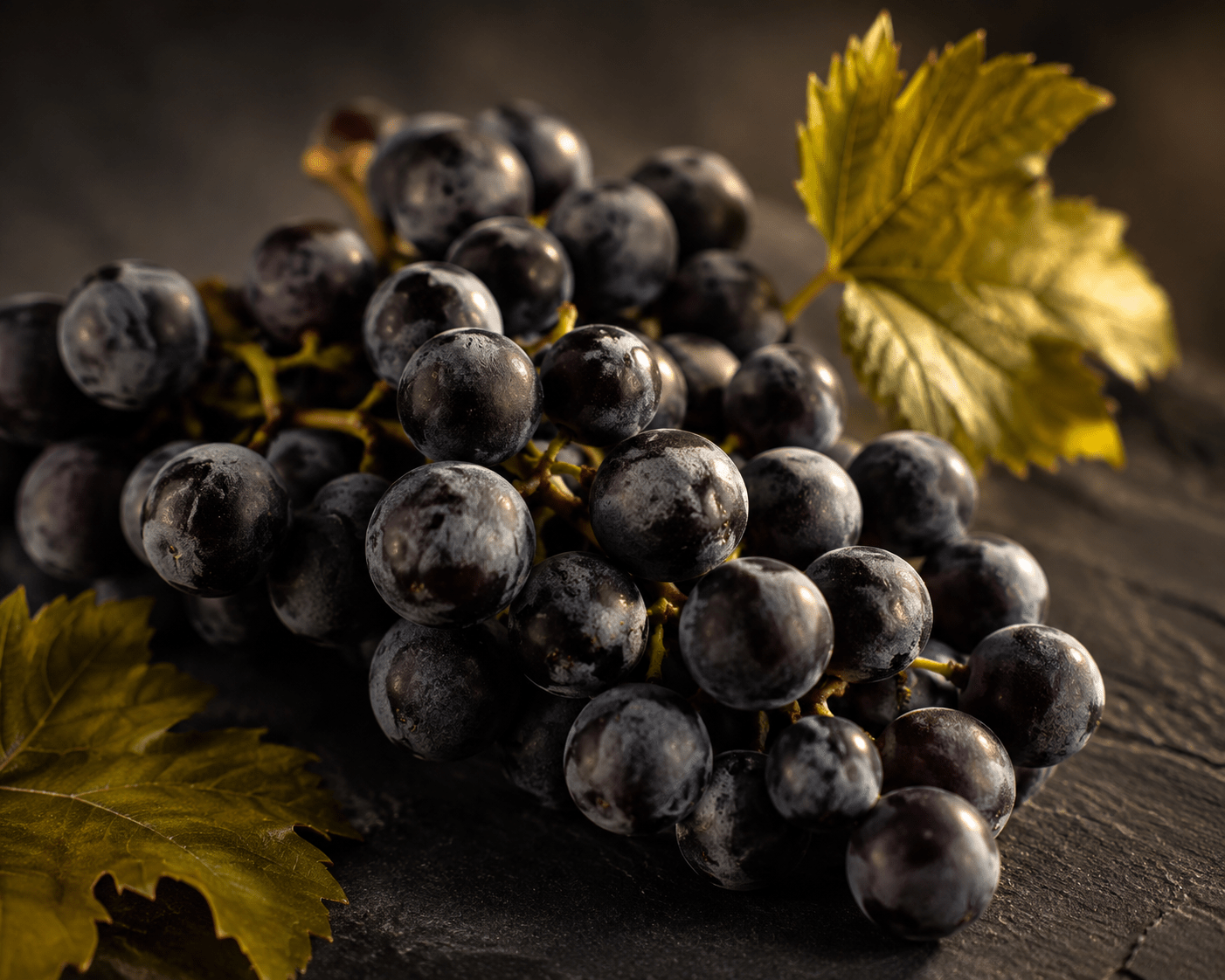
Pinot Grigio wine is light, dry, and refreshing. Expect citrus such as lemon and lime, along with green apple, pear, and white peach. Many bottles finish with a subtle bitter almond, a hint of honeysuckle, or a crisp saline note. It is light-bodied, with fresh acidity and moderate alcohol, usually 12–13%. Most Italian Pinot Grigio is fermented in stainless steel and released young, so there is little or no oak. The style is deliberately clean and understated, which is why some wine lovers call it neutral. Mass-produced bottles can taste a bit watery, but quality versions from cooler hillside vineyards show more concentration, minerality, and a gently textured finish. The same grape, made in a riper, richer way, becomes Pinot Gris, which can taste of baked apple, spice, and honey.
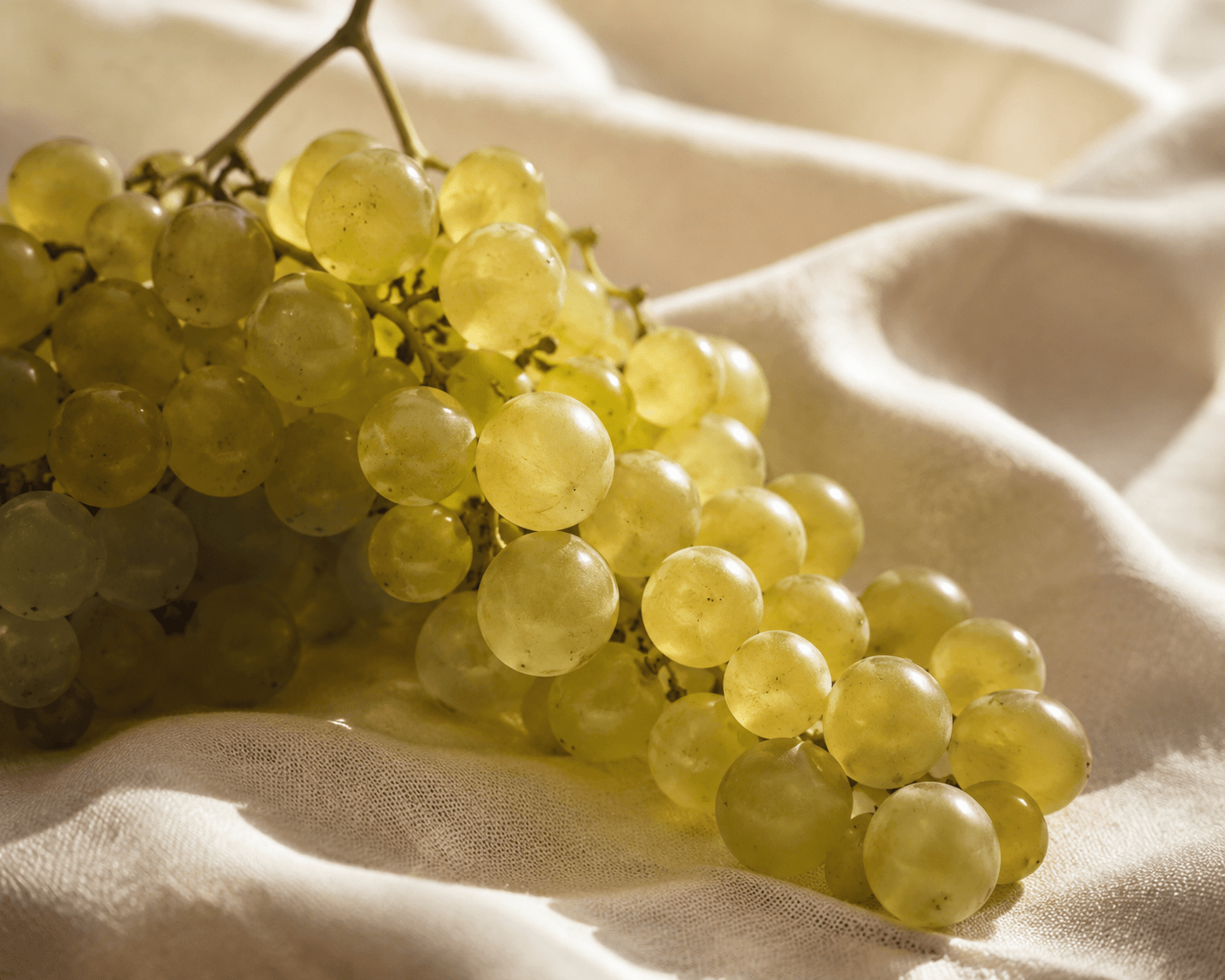
Pinot Gris and Pinot Grigio are the same grape, a color mutation of Pinot Noir with grayish-pink skins. “Gris” is French and “Grigio” is Italian for gray. On a label, the name usually signals style. Pinot Grigio suggests the lighter, crisper Italian approach: early-picked, steel-fermented, and zesty. Pinot Gris suggests the richer French approach found in Alsace: riper grapes, fuller body, notes of spice and honey, and sometimes a touch of sweetness. Oregon’s Willamette Valley sits in between, with medium-bodied pear and melon flavors. New Zealand and Australia use both names. If you want a crisp, light white, look for Grigio; if you want texture and richness, choose Gris. The comparison is covered in detail in Pinot Grigio vs Pinot Gris.
Pinot Grigio is Italy’s most famous white export. The best come from the cool, mountainous northeast. Alto Adige, in the foothills of the Dolomites, produces some of the most aromatic and mineral examples. Friuli-Venezia Giulia, especially the Collio and Colli Orientali zones, makes fuller, textured Pinot Grigio with real depth. Trentino offers bright, crisp versions. Much of the inexpensive Pinot Grigio on shelves comes from the broad Delle Venezie DOC, which covers the Veneto and neighboring areas and delivers simple, fresh, easy-drinking wine. Outside Italy, the grape is grown widely in Germany (as Grauburgunder), Hungary, California, Oregon, and Australia. Friuli also makes ramato, a copper-colored style with brief skin contact, related to orange wine.
Serve Pinot Grigio well chilled, at 45–50°F. Its charm is crispness, and a few degrees too warm make it taste flat. About two hours in the fridge, or 15 minutes in an ice-water bucket, does the job. Fuller Friuli or Alto Adige examples can be served at the top of the range so their texture shows. No decanting is needed. A standard white wine glass works; a smaller bowl keeps the wine cold longer on a hot day. Pinot Grigio is made to be drunk young, ideally within a year or two of the vintage. Once opened, keep it stoppered in the fridge and finish it within three days. Because it is light, it is also a great base for a white wine spritzer with soda water and a slice of lemon.
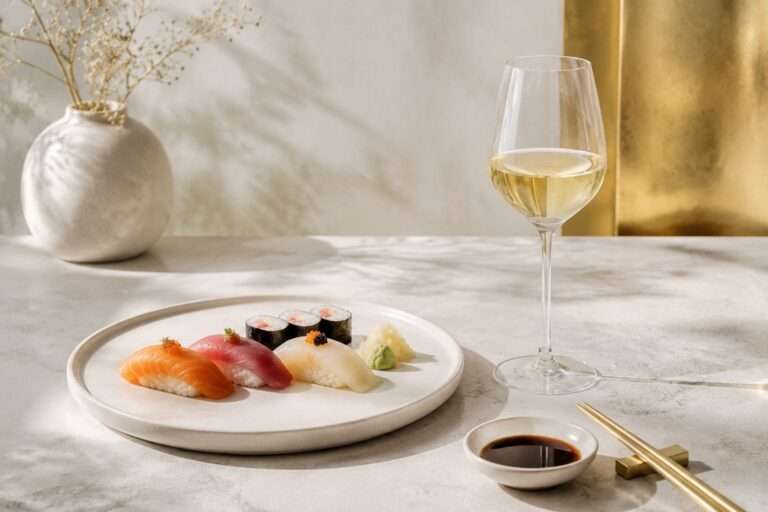
Pinot Grigio’s light body and crisp acidity suit delicate food that bigger wines would overwhelm. Light seafood is the top match: grilled shrimp, steamed mussels, calamari, and flaky white fish with lemon. It is lovely with spring salads, raw vegetables, and antipasti such as marinated vegetables and fresh mozzarella. Simple pasta dishes like linguine with clams, pasta primavera, or lemon-garlic pasta work well, as do chicken piccata and light chicken salads. Its neutrality makes it a safe choice for parties and appetizers. Skip rich cream sauces, red meat, and strongly flavored dishes; they will make Pinot Grigio taste thin. For richer food, choose an Alsace Pinot Gris instead.
If you like Pinot Grigio’s crisp lightness, try France’s Muscadet, Italy’s Vermentino and Soave from Garganega, or southern France’s lemony Picpoul. For a touch more aroma, Albariño and Sauvignon Blanc are great next steps; see Sauvignon Blanc vs Pinot Grigio. When shopping, the place on the label matters most. “Alto Adige,” “Südtirol,” “Collio,” or “Friuli Colli Orientali” usually signals more flavor and character than a generic Delle Venezie or IGT bottle, often for only a few dollars more. Choose the youngest vintage available. A bottle with a copper or pink tint may be a ramato style, which is richer and more textured.
| Region | Style | What to Expect |
|---|---|---|
| Alto Adige, Italy | Crisp and aromatic | Pear, citrus, mountain-fresh minerality |
| Friuli (Collio), Italy | Textured, fuller | Peach, almond, longer finish |
| Delle Venezie, Italy | Light and simple | Lemon, green apple, easy patio sipper |
| Alsace, France (Pinot Gris) | Rich, sometimes off-dry | Baked apple, honey, smoky spice |
| Willamette Valley, Oregon (Pinot Gris) | Medium-bodied | Ripe pear, melon, bright acidity |
Alto Adige and Friuli labels deliver far more flavor than generic bottles.
Pinot Grigio is best young, within a year or two of harvest.
Pair with shellfish, salads, and simple pasta, not rich cream sauces.
Learn Your Taste
Answer a few simple questions and discover styles that fit your palate.
Take the Wine QuizPinot Grigio is dry. Its light, fruity flavors can seem soft, but Italian-style Pinot Grigio is fermented dry. Pinot Gris from Alsace is sometimes off-dry, so check the label.
Yes, they are the same grape. The names usually signal style: Pinot Grigio is lighter and crisper in the Italian manner, while Pinot Gris is richer and fuller in the Alsace manner.
Light seafood, shrimp, mussels, white fish, salads, antipasti, chicken piccata, and simple lemony pasta are all excellent. Avoid heavy, rich, or very spicy dishes, which make it taste thin.
Yes. Its light body, crisp acidity, and gentle fruit make it one of the easiest whites to enjoy. Try a bottle from Alto Adige to taste what the grape can really do.
The grape has grayish-pink to purple-blue skins. It is a natural mutation of Pinot Noir, and grigio means gray in Italian, just as gris does in French.
About three days in the fridge with a stopper. Its delicate fruit fades quickly, so finish it soon or use leftovers for cooking risotto or a pan sauce.