Begin With Alcohol-Free Sparkling
Sparkling non-alcoholic wine hides lack of body best and tastes most like the real thing.

Understand Wine. Enjoy Every Glass.
Wine Types
Looking for non alcoholic wine that still tastes like wine? Some styles are surprisingly good. Here is how it is made, which types work best, and how to serve it.
Start Learning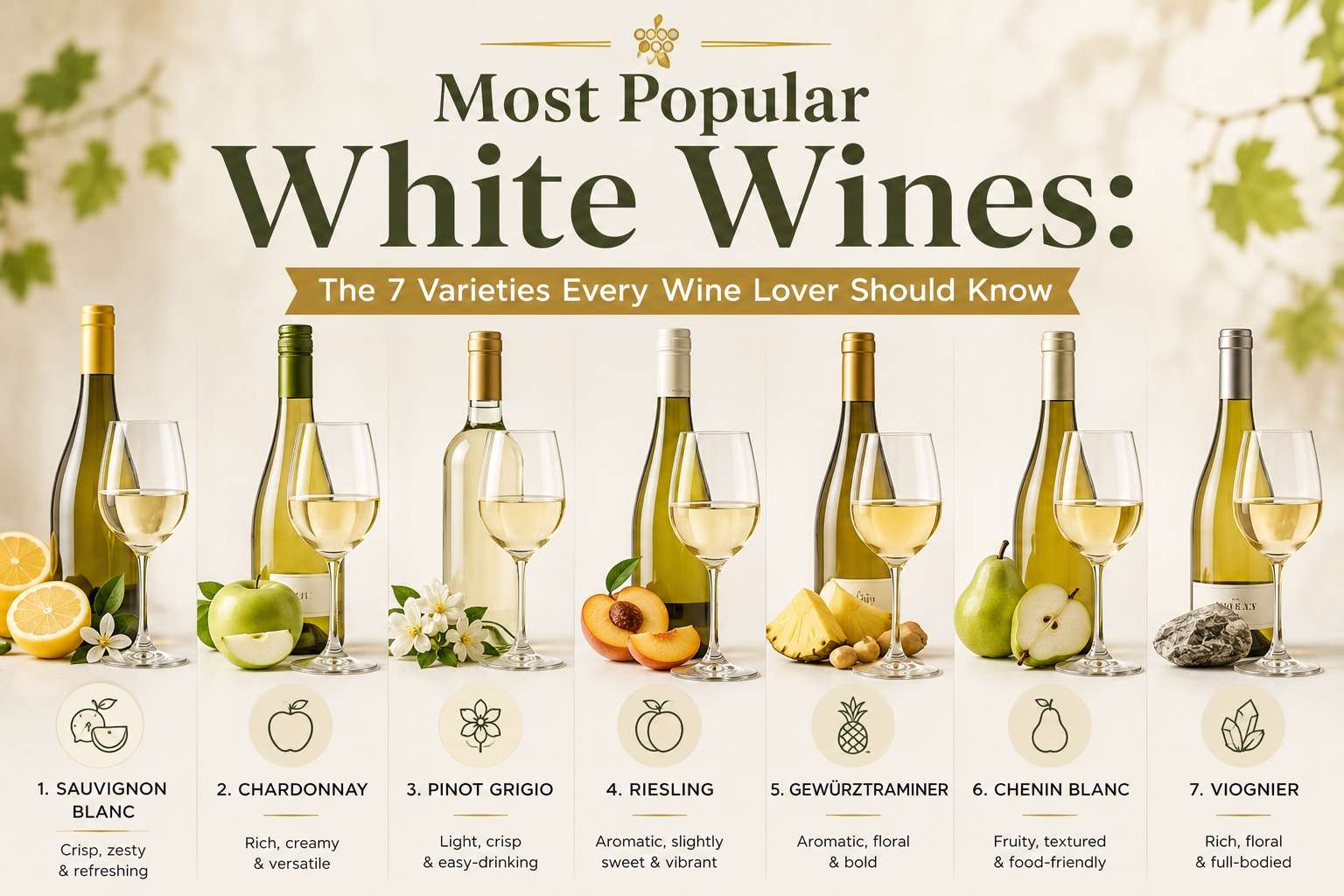
True non alcoholic wine is wine that was fully fermented, then had most of its alcohol removed. That makes it different from grape juice, which never ferments and tastes simply sweet and fruity. Because it begins as real wine, a de-alcoholized wine keeps much of the original aroma, acidity, and character of its grape. In the US, a drink labeled non-alcoholic must contain less than 0.5% alcohol by volume, about the same trace amount found in some fruit juices and kombucha. Products labeled alcohol-free may contain essentially none. Rules differ in other countries, so read the label. You will also see grape-based wine alternatives made from juice, tea, and botanicals; they can be tasty, but they are not de-alcoholized wine. For comparison, regular wine is usually 11–15%; see wine alcohol content.
Winemakers first make wine the normal way; see how wine is made. Then they use one of three main methods. Vacuum distillation lowers the air pressure so alcohol evaporates at a much lower temperature, which protects delicate flavors better than boiling. Spinning cone columns use a spinning stack of metal cones and gentle heat to strip out aromas first, remove the alcohol, then blend the aromas back in. Reverse osmosis pushes wine through a very fine filter to separate alcohol and water from the flavor compounds, then recombines the wine without the alcohol. All three lose some aroma along the way. To rebuild balance, many producers add a little grape juice or sugar, and sparkling versions are carbonated. Quality varies a lot depending on the base wine and the care taken.
It depends on the style. Alcohol does more than give wine its kick; it adds weight, warmth, and a slight sweetness, and it carries aroma. Remove it, and wines can feel thin or watery. That is why sparkling non-alcoholic wine is usually the best: bubbles and acidity create texture that fills the gap. Aromatic whites like Sauvignon Blanc and Riesling also work well, because their bold citrus and floral aromas survive the process. Dry rosé is another good bet. Reds are the hardest. Without alcohol, tannin can taste harsh and the body collapses, so look for fruity, softer reds rather than expecting a Cabernet Sauvignon substitute. Our wine body explainer shows why alcohol matters so much.
Start with bubbles. Non-alcoholic sparkling wine made in a Brut or extra-dry style works for toasts, brunch, and mimosas, and it is the closest match to the real thing. Next, try a crisp white made from Sauvignon Blanc or Riesling; look for bright citrus and green-apple notes. Alcohol-free rosé is fresh and summery, with strawberry and watermelon flavors. Many non-alcoholic wines come from Germany, Spain, France, Australia, and New Zealand, where some producers specialize in de-alcoholized ranges. If you prefer red, choose lighter, fruit-forward blends and serve them a little cool. Expect many bottles to be off-dry, because added sugar helps balance the lighter body. If you want something with a bit more wine character but less alcohol, explore low-alcohol wine in the 5–10% range.
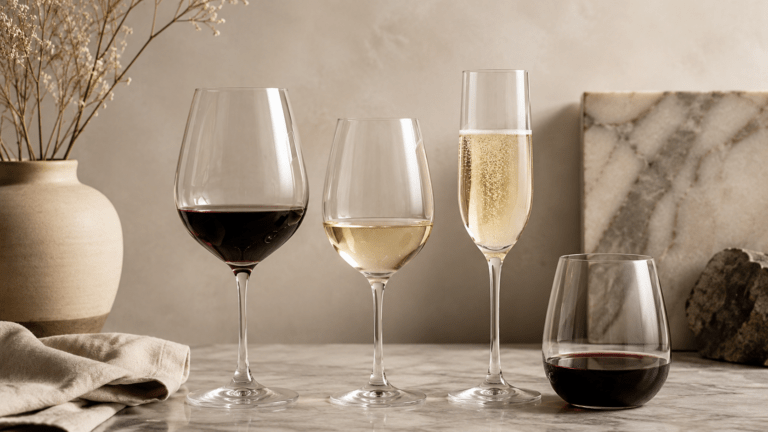
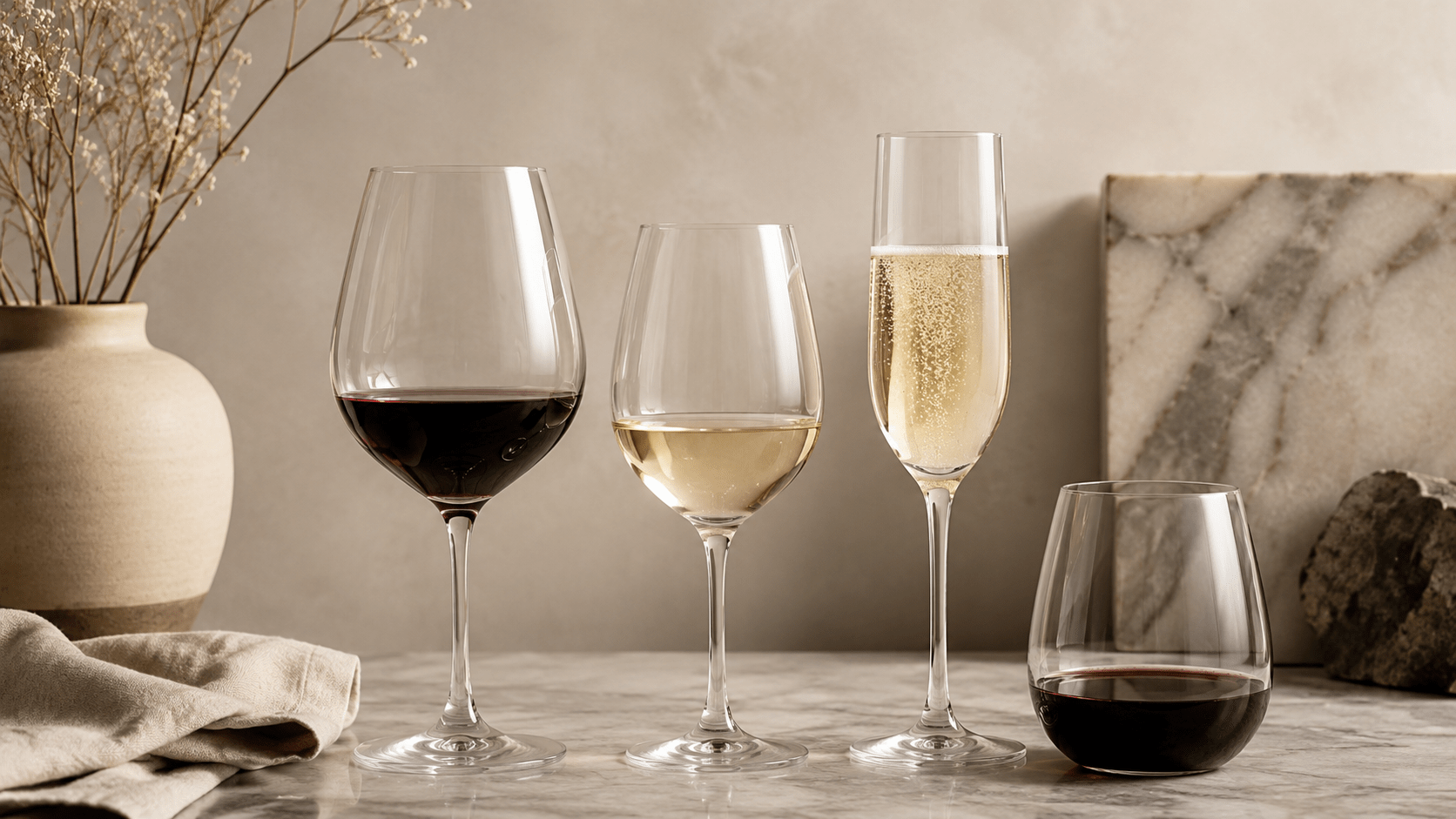
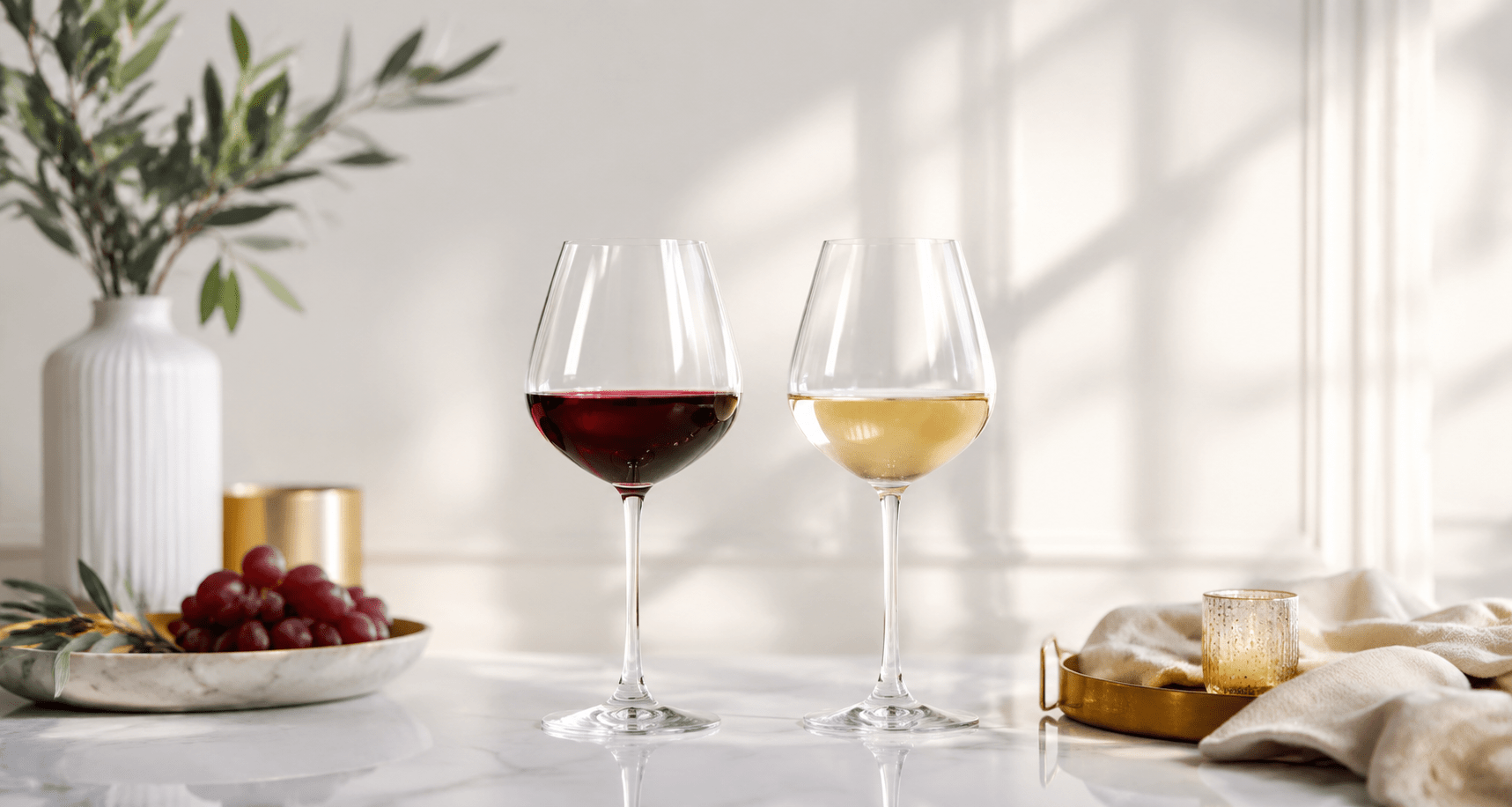
Serve it colder than you would regular wine. Chill sparkling, white, and rosé styles to about 40–45°F, which sharpens acidity and hides any thinness. Non-alcoholic reds taste best around 55°F, slightly cooler than standard reds. Use proper wine glasses; the aroma is a big part of the experience, and a tulip or white-wine glass helps concentrate it. Food helps too. Pair alcohol-free sparkling wine with salty snacks, sushi, or fried foods, and alcohol-free whites with salads and seafood. Once opened, non-alcoholic wine spoils faster than regular wine because alcohol is a natural preservative. Recork, refrigerate, and finish it within about two to three days. Sparkling bottles need a tight stopper. For more on chilling, see our wine serving temperature guide.
Non-alcoholic wine is popular with designated drivers, people cutting back, athletes, and anyone who wants the ritual of wine without the alcohol. It usually has far fewer calories than regular wine, since alcohol is a major source of calories, though added sugar varies by brand. Our page on calories in wine explains the math. Remember that most products contain trace alcohol, up to 0.5%. That matters for people who must avoid alcohol entirely, such as those in recovery, during pregnancy, or taking certain medications. Some people in recovery also find the taste and ritual triggering. If you have a medical reason to avoid alcohol, talk with your doctor before choosing non-alcoholic wine, and look for products labeled 0.0% if you need zero.
| Style | How It Usually Tastes | Best Use |
|---|---|---|
| Sparkling | Crisp, fruity, closest to real wine | Toasts, brunch, mimosas |
| Sauvignon Blanc | Zesty citrus and green herbs | Salads, goat cheese, seafood |
| Riesling | Floral, lime, often off-dry | Spicy food, Asian dishes |
| Rosé | Strawberry and watermelon, light | Summer patios, picnics |
| Red | Lighter body, fruity, can be thin | Pizza, burgers, slightly chilled |
Sparkling non-alcoholic wine hides lack of body best and tastes most like the real thing.
Chill whites, rosés, and sparkling to 40–45°F to sharpen acidity and freshness.
Without alcohol to preserve it, an opened bottle lasts only about two to three days.
Learn Your Taste
Answer a few simple questions and discover styles that fit your palate.
Take the Wine QuizUsually a trace. In the US, non-alcoholic wine must contain less than 0.5% alcohol by volume. Products labeled alcohol-free or 0.0% contain essentially none. Check the label if you need to avoid alcohol completely.
No. Real non-alcoholic wine is fermented into wine first, then the alcohol is removed. That gives it wine's acidity, aroma, and dryness. Grape juice never ferments and tastes much sweeter and simpler.
Practically, no. With less than 0.5% alcohol, you would have to drink an unrealistic amount to feel any effect. However, anyone who must avoid all alcohol for medical or recovery reasons should choose 0.0% products.
Ask your doctor. Many non-alcoholic wines contain small traces of alcohol, up to 0.5%. Health guidance often recommends avoiding alcohol during pregnancy, so a doctor can advise whether a 0.0% product is appropriate for you.
Look for lighter, fruit-forward reds or red blends served slightly chilled. Without alcohol, big tannic reds tend to taste thin and harsh. Many people find non-alcoholic sparkling or rosé more satisfying than red.
Usually far fewer than regular wine, because alcohol supplies most of wine's calories. The exact amount depends on how much grape juice or sugar is added after the alcohol is removed, so check the nutrition panel.