Taste With the Menu
Sample your shortlist with the actual dishes at your menu tasting.

Understand Wine. Enjoy Every Glass.
Buying & Occasions
Wine for a wedding has to please a crowd, match the menu, and fit the budget. Here is how to choose styles, plan quantities, and avoid running dry.
Start Learning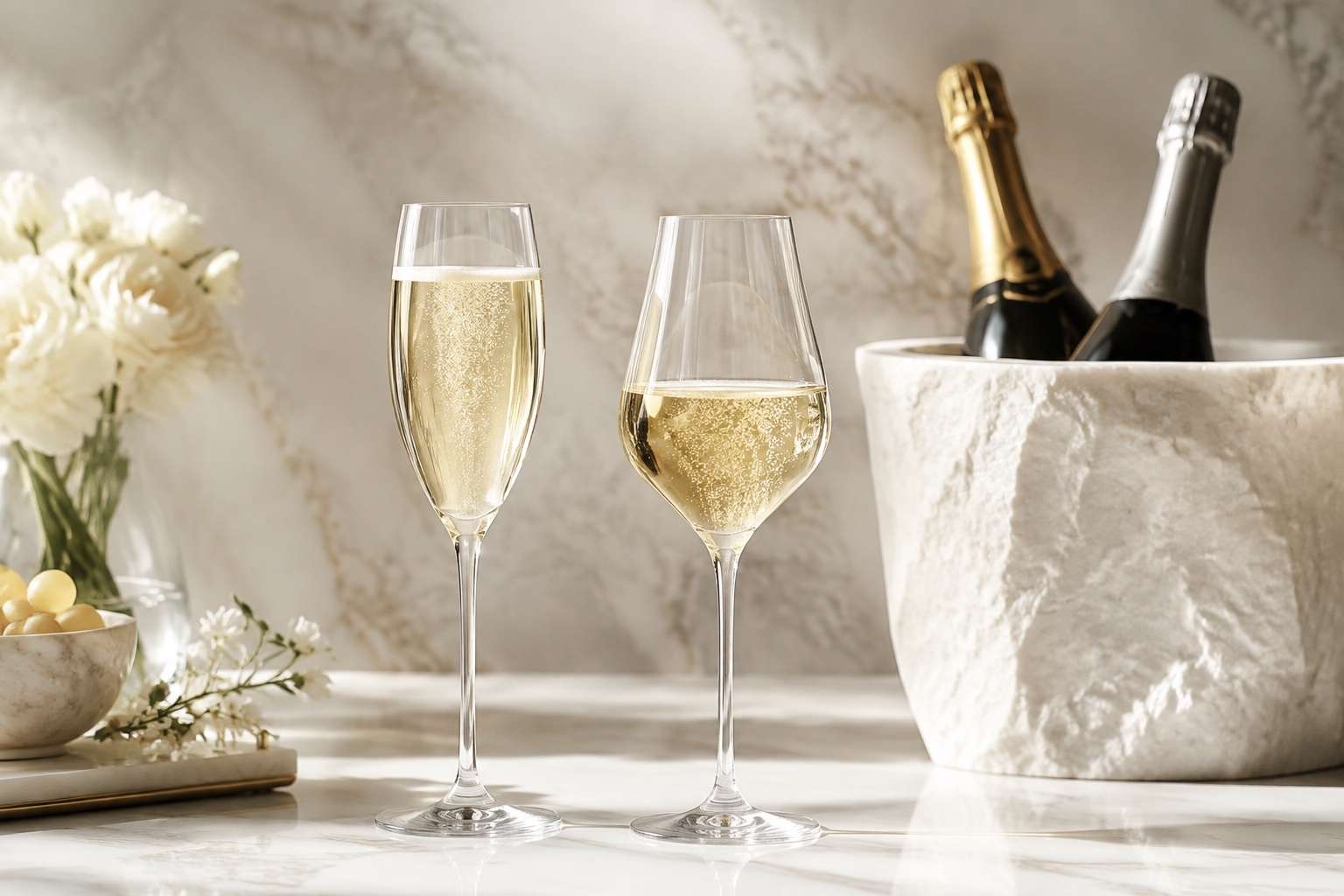
This wedding wine guide starts with one principle: choose wines for your guests, not for wine experts. Your crowd will include people who rarely drink wine, people who love it, and everyone in between. The safest approach is a short list. Most weddings need just three wines: a crisp white, a smooth red, and a sparkling wine for the toast. A rosé is a nice fourth option for spring and summer. Pick styles that are fruit-forward and easy to enjoy on their own, since many guests will sip during the cocktail hour and dancing, not just with dinner. Avoid very tannic reds, heavily oaked whites, and anything unusual. Taste your shortlist before you buy. Open two or three candidates with the dishes you are planning, ideally at your menu tasting, and choose the ones you both enjoy.
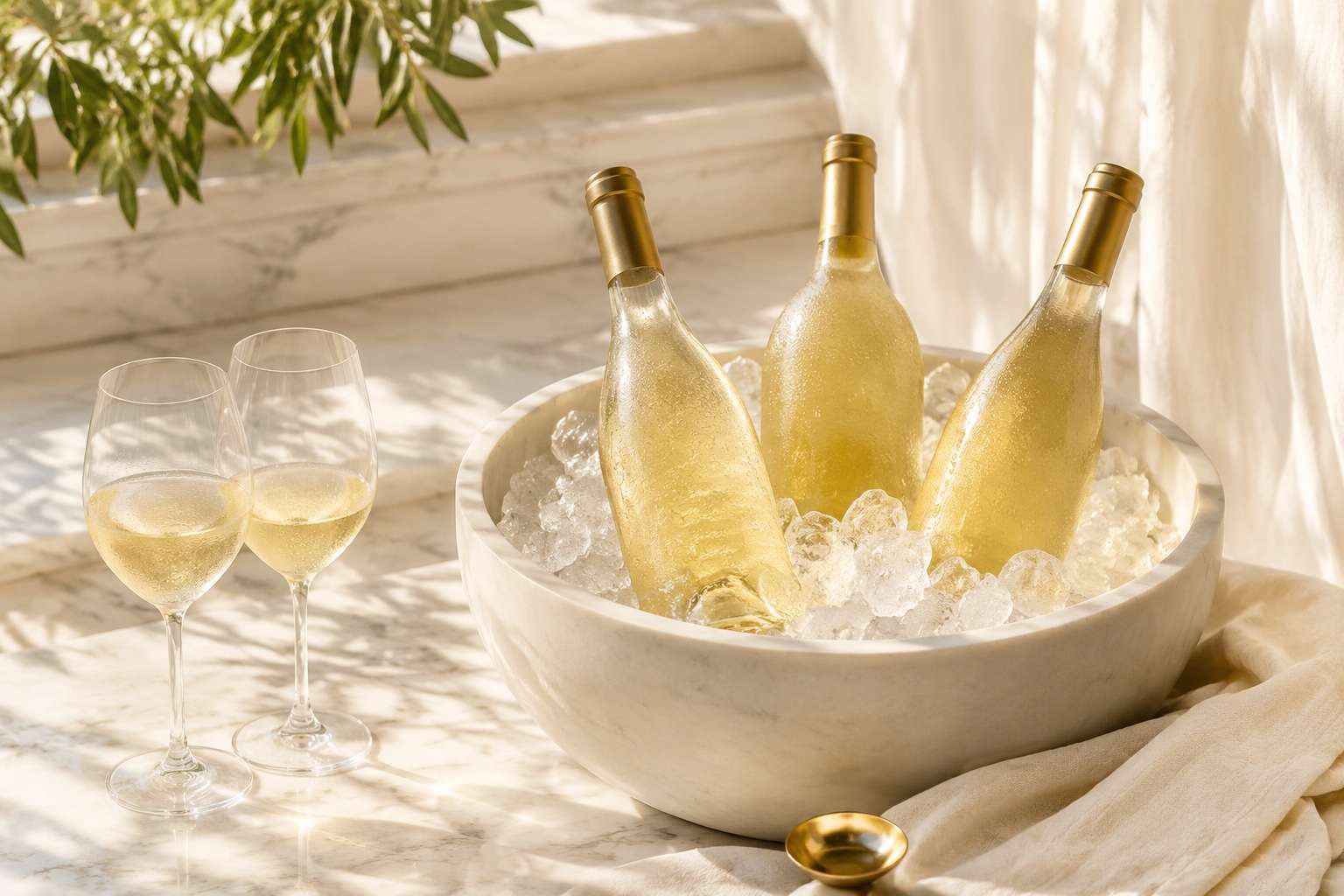
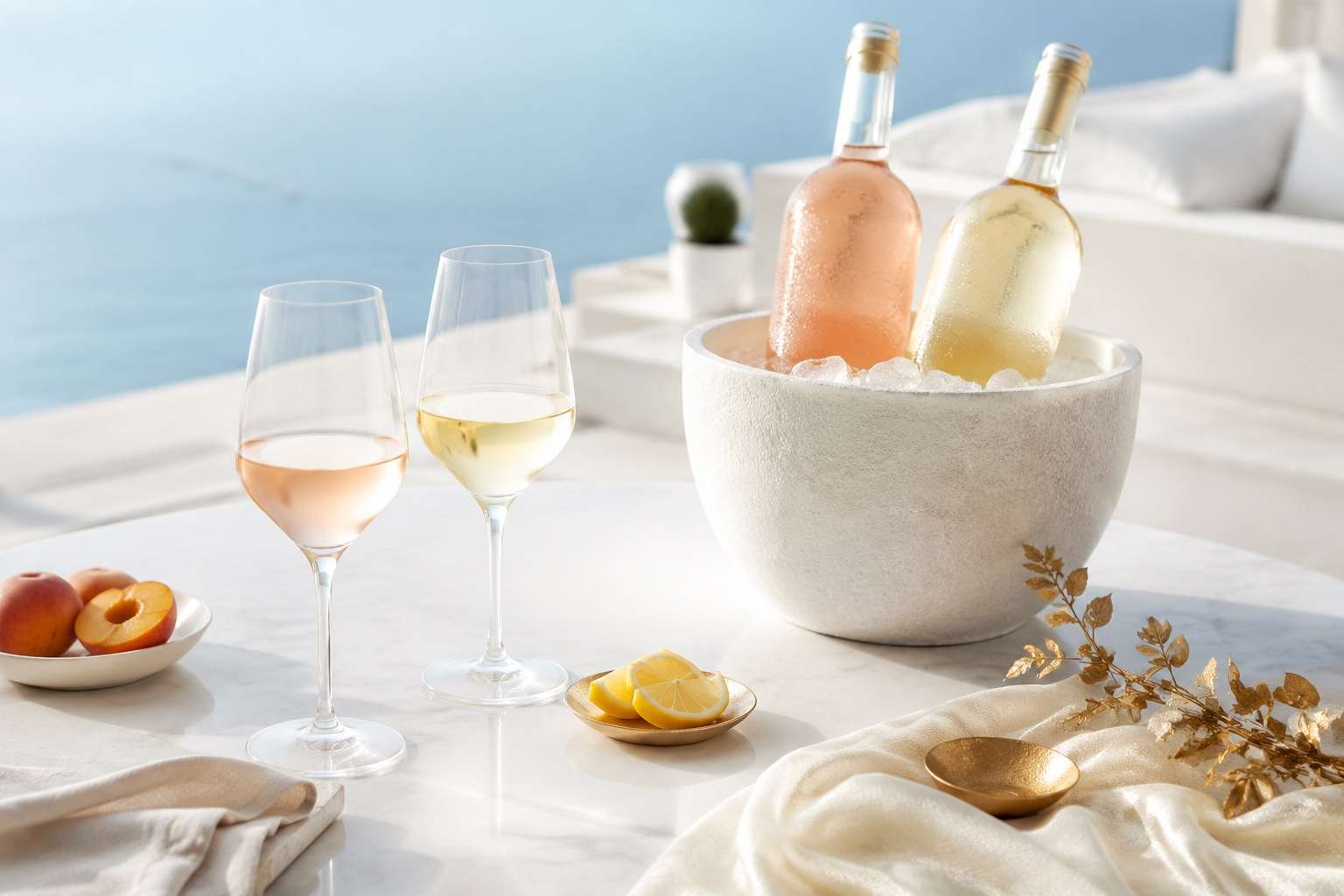
Whites: Sauvignon Blanc from New Zealand or the Loire is fresh and zesty. Pinot Grigio is light and easygoing. A lightly oaked or unoaked Chardonnay suits guests who like a rounder white and pairs with chicken and fish. Reds: Pinot Noir is the most food-friendly red, matching salmon, chicken, and beef. Côtes du Rhône and Spanish Garnacha are soft and juicy. For a steak or short rib menu, choose a smooth Malbec or a Merlot-led blend rather than a firm young Cabernet. Rosé: a dry Provence-style rosé is beautiful at outdoor and daytime weddings and pairs with salads and seafood. Choose wines that are widely available, so you can easily buy more if your guest count grows.
The toast is the one moment when almost every guest raises a glass. You do not need Champagne to make it special. Cava from Spain and Crémant from France are made by the traditional method, with fine bubbles and toasty notes, at a fraction of Champagne’s price. Prosecco is lighter and fruitier, and very crowd-friendly. See Champagne vs Prosecco for the differences. Choose Brut for a dry style that pairs with appetizers, or Extra Dry for a slightly sweeter one, which some guests prefer with wedding cake. Toast pours are smaller than a regular glass, so one 750 ml bottle typically gives about eight toast servings. If you want true Champagne, consider serving it only for the toast and at the head table, and offering a more affordable sparkling wine at the bar.
A common planning rule is about one glass of wine per guest per hour of reception. A 750 ml bottle pours about five glasses, so 100 guests over a five-hour reception would need roughly 100 bottles if wine is the main drink. If you also serve beer and cocktails, reduce that amount. Next, decide the split. Many couples go roughly half red and half white, then adjust: lean toward white, rosé, and sparkling in summer or with seafood, and toward red in winter or with beef. Add the toast separately, planning about one bottle of sparkling wine for every eight guests. Buy a little extra. Many retailers offer case discounts, and some will accept returns of unopened, undamaged cases, so ask. Our how much wine per person guide can help you double-check the math.
Wine is one of the biggest beverage costs, so a few choices make a big difference. Choose value regions. Spain, Portugal, Chile, Argentina, and southern France deliver quality wines for modest prices. Our lists of the best red wines under $20 and best white wines under $20 are full of wedding-ready picks. Check your venue’s policy. Some venues require you to buy wine from them; others let you bring your own for a corkage fee. Compare total costs. Consider larger formats. Magnums look great on tables, and a quality boxed wine can work well for a casual bar. Serve wines at the right temperature. Whites and sparkling should be well chilled, and reds slightly cool, around 60 to 65°F. Warm wine tastes cheap, even when it is not.
Decide how wine will be served. Table service, where staff pour at dinner, feels elegant and helps control quantities. A bar is simpler and gives guests choice. Place one bottle each of red and white on tables of eight to ten if you prefer self-service, and have staff replace them as needed. Offer non-alcoholic options, such as sparkling cider, mocktails, or non-alcoholic wine, so every guest can join the toast. Make sure bartenders stop serving anyone who has had too much, and help guests arrange safe rides home. Finally, consider a meaningful bottle. Many couples save a special wine from their wedding year to open on an anniversary. Our anniversary wines page suggests age-worthy styles.
| Situation | Best Wine Styles | Why It Works |
|---|---|---|
| Summer outdoor wedding | Sauvignon Blanc, Provence rosé, Prosecco | Light, refreshing, and easy in the heat |
| Winter evening wedding | Pinot Noir, Côtes du Rhône, Crémant | Warmer reds and festive bubbles suit cold weather |
| Seafood or chicken menu | Unoaked Chardonnay, Pinot Noir | Gentle wines that will not overpower the food |
| Beef or short rib menu | Malbec or Merlot-led blend | Smooth, ripe reds for rich meat |
| Toast on a budget | Cava or Crémant | Traditional-method bubbles at a friendly price |
| Cake and dessert | Extra Dry sparkling or Moscato d'Asti | A touch of sweetness matches the cake |
Sample your shortlist with the actual dishes at your menu tasting.
Many retailers accept unopened, undamaged cases back after the event.
Lean white and rosé in summer, more red in winter.
Learn Your Taste
Answer a few simple questions and discover styles that fit your palate.
Take the Wine QuizIf wine is the main drink, plan roughly one glass per guest per hour. For a five-hour reception with 100 guests, that is about 100 bottles, plus around 12 or 13 bottles of sparkling wine for the toast. Reduce if serving beer and cocktails.
Crowd-pleasing styles work best: Sauvignon Blanc or Pinot Grigio for white, Pinot Noir or Côtes du Rhône for red, and Cava, Crémant, or Prosecco for sparkling. They are versatile with food and easy to enjoy.
Start with roughly half and half, then adjust for season and menu. Summer weddings and seafood menus lean toward white and rosé, while winter weddings and beef dishes lean toward red.
No. Cava and Crémant are made the same way as Champagne and cost far less, while Prosecco is lighter and fruitier. Most guests are happy with any good sparkling wine for the toast.
Sometimes. Some venues allow it with a corkage fee per bottle, while others require you to buy from them. Ask early, and compare the total cost of each option before deciding.
Buy a few months ahead, after confirming your guest count and menu. This gives time to taste options, find case discounts, and store bottles properly in a cool, dark place before the big day.