Learn the Language
Understand the few wine terms that make labels and menus easier.
Understand Wine. Enjoy Every Glass.
Wine confidence, delivered simply
Clear, welcoming wine education for curious beginners. Learn what you like, understand every label, and choose your next bottle with confidence.
Start Learning
Wine can feel complicated because labels, regions, grapes, and traditions all seem to arrive at once. Learn Wine Basics turns that information into simple, practical lessons. Start with a question, follow the explanation, and use what you learn the next time you shop, order, cook, or share a bottle.
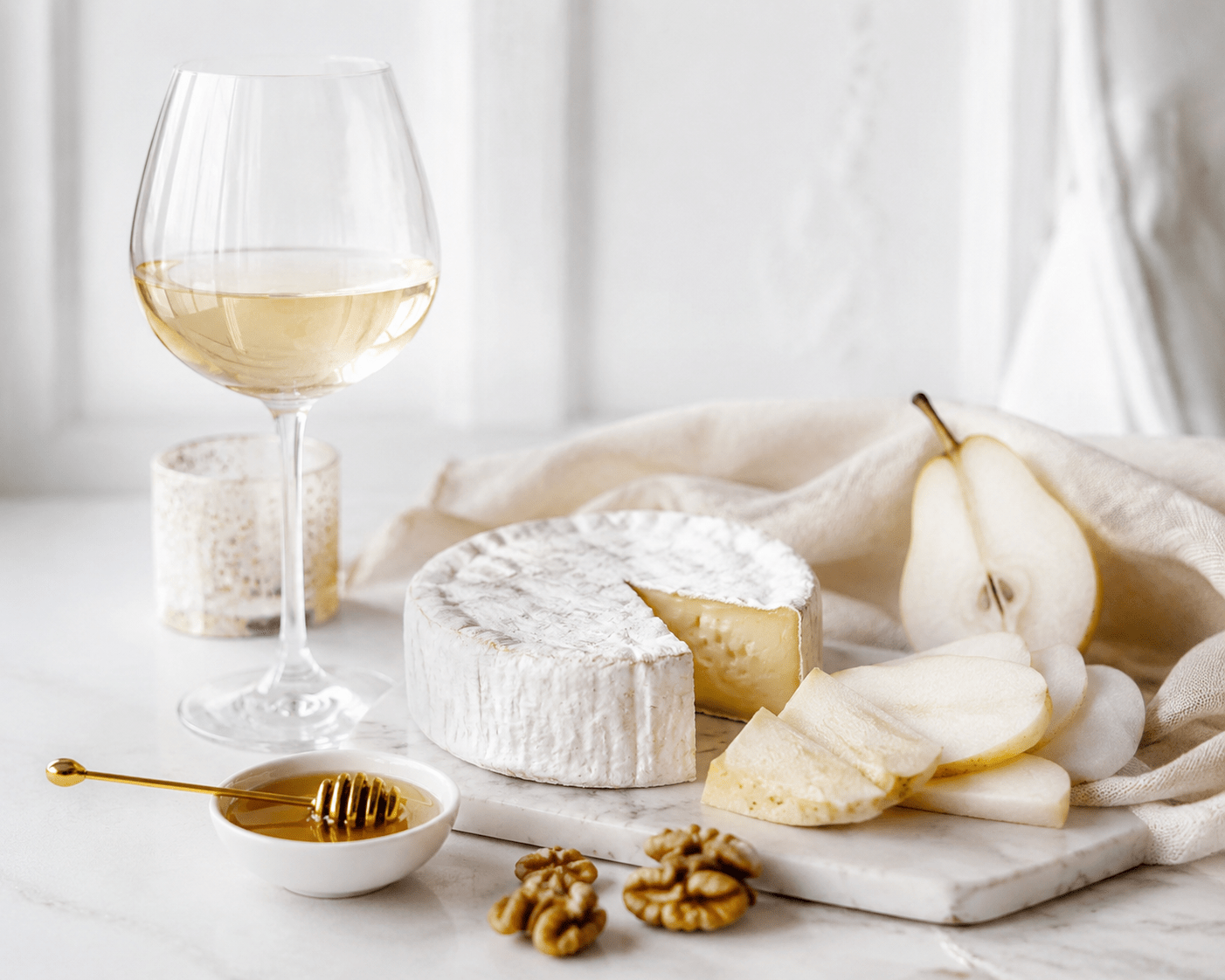
There is no required order and no test at the end. Explore foundational Wine 101 lessons, compare familiar styles, learn the personality of individual grapes, travel through major wine regions, or begin with the food already on your table. Each guide connects to the next useful topic.
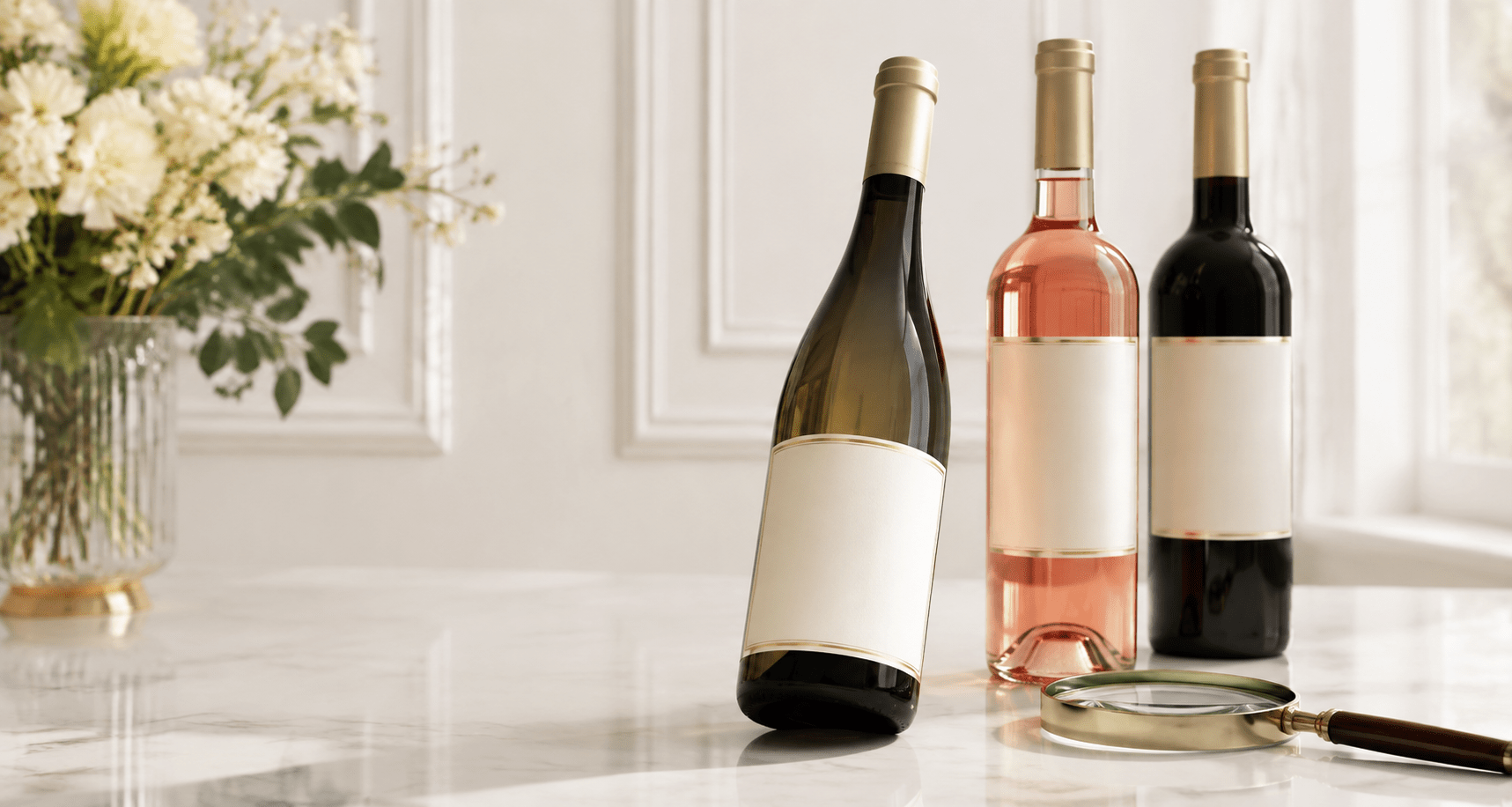
Understand the few wine terms that make labels and menus easier.
Notice what you enjoy instead of chasing someone else’s perfect bottle.
Use simple ideas about acidity, sweetness, salt, fat, and intensity.
Choose Your Path
Begin with a foundational lesson, discover a grape, or choose the question closest to the glass in front of you.
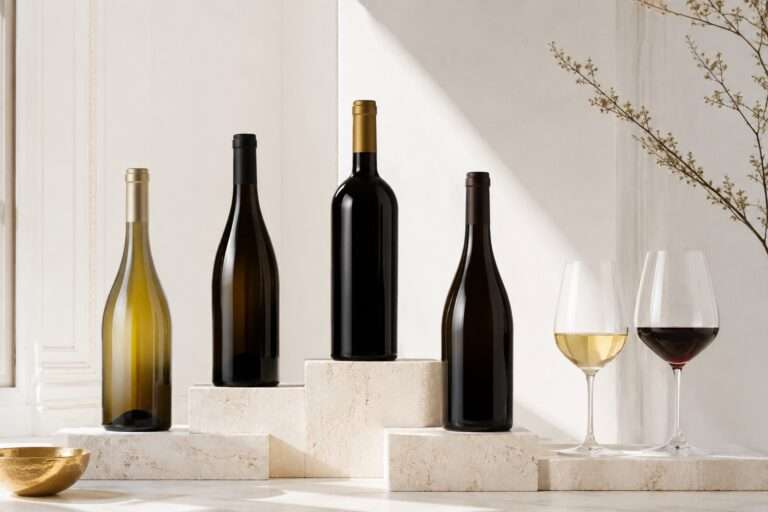
Learn Wine Basics is an independent educational resource for curious beginners. More than 300 connected guides explain wine fundamentals, styles, grapes, regions, pairings, comparisons, and buying in approachable language—without tests, snobbery, or the assumption that a good bottle must be expensive.
Start Learning →
Acidity creates freshness, mouthwatering tension, and structural balance. Cool climates and earlier harvests often preserve more acidity. Use the practical steps below, keep safety and context in mind, and treat the guidance as a flexible framework rather than an inflexible rule for every bottle or situation.
Start Learning →
Aglianico commonly shows black cherry, plum, smoke, leather, earth, and dried herbs. Expect full body, high acidity, powerful tannin, and strong aging potential. Important examples come from Campania and Basilicata in southern Italy, especially Taurasi and Vulture. These clues provide a practical starting point, although climate, producer, vintage, and age can change the final expression.
Start Learning →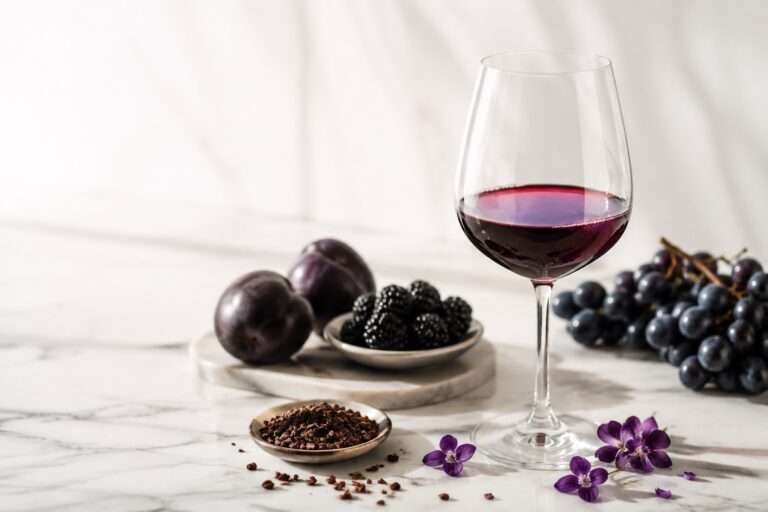
The central difference between Albariño and Sauvignon Blanc is that Albariño often emphasizes saline citrus and peach, while Sauvignon Blanc is usually more herbal and pungently aromatic. Albariño commonly shows lime, peach, flowers, sea spray, texture, and high acidity; Sauvignon Blanc tends toward grapefruit, passion fruit, herbs, grass, and vivid acidity.
Start Learning →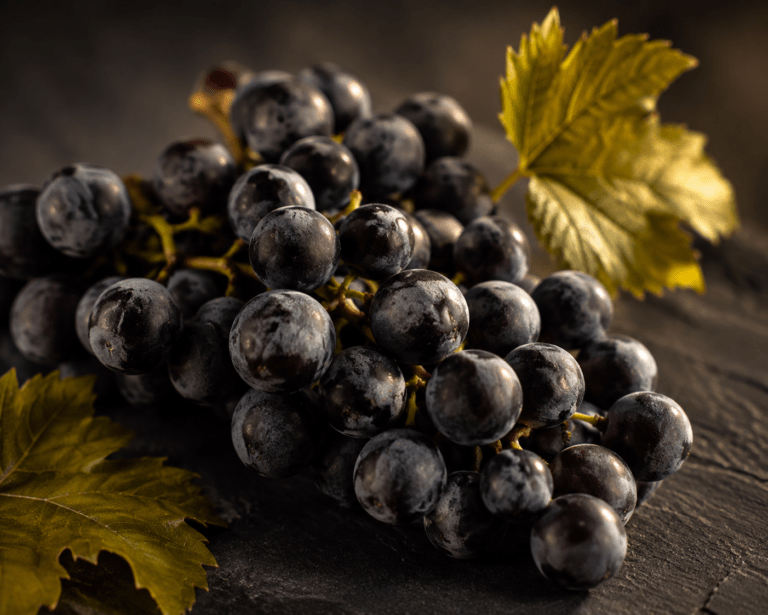
Albariño commonly shows lime, grapefruit, peach, flowers, and saline mineral notes. Expect light-to-medium body, high acidity, and a crisp textured finish. Important examples come from Rías Baixas, coastal Portugal, California, Oregon, and Uruguay. These clues provide a practical starting point, although climate, producer, vintage, and age can change the final expression.
Start Learning →
Alsace, France is a dry sunny French region sheltered by the Vosges Mountains with varied hillside soils. Leading grapes include Riesling, Gewürztraminer, Pinot Gris, Muscat, Pinot Blanc, and Pinot Noir, and the region is known for aromatic dry whites, late-harvest wines, Crémant, and increasingly serious Pinot Noir.
Start Learning →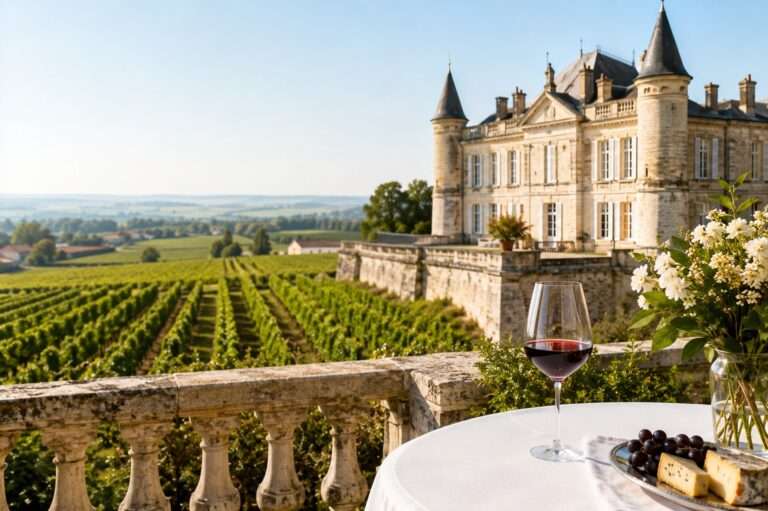
Anderson Valley, California is a narrow Mendocino valley cooled by Pacific fog with warmer inland and colder coastal ends. Leading grapes include Pinot Noir, Chardonnay, Gewürztraminer, Riesling, and sparkling grapes, and the region is known for fresh Pinot Noir, traditional-method sparkling wine, and aromatic whites.
Start Learning →Assyrtiko commonly shows lemon, lime, green apple, sea spray, herbs, and mineral notes. Expect high acidity, dry structure, moderate body, and strong concentration. Important examples come from Santorini and other Greek islands plus mainland Greece and selected global sites. These clues provide a practical starting point, although climate, producer, vintage, and age can change the final expression.
Start Learning →Learn Your Taste
Answer a few simple questions and discover styles that fit your palate.
Take the Wine QuizBegin with the main wine styles, a few familiar grape varieties, and a simple tasting method. Those three foundations make wine labels, restaurant lists, and food pairings much easier to understand.
No. A basic wine glass, a notebook or phone, and a willingness to compare what you taste are enough. Specialized tools can wait until you know what would actually help you.
No. Price can reflect rarity, land costs, production choices, aging, and demand, but it does not guarantee that you will enjoy the wine more.
Write down the grape or style, region, vintage, and two or three impressions. A short note such as “bright, dry, citrusy” is more useful than trying to sound technical.
You can learn enough to shop and order more confidently in a few focused lessons. Deeper knowledge grows naturally as you taste and compare different wines over time.
Choose the question closest to what you are doing now. Start with Wine Basics for foundations, Wine Pairings for a meal, or Grape Varieties when a bottle name catches your attention.