Use Everyday Words
Specific, familiar words like tart cherry beat vague praise like nice and smooth.

Understand Wine. Enjoy Every Glass.
Wine Basics
Good wine tasting notes help you remember what you loved and buy it again. You do not need fancy words, just a simple structure and a few specific words about what you smell and taste.
Start Learning
Wine tasting notes turn a nice glass into knowledge you can use. Without notes, most of us forget within a week whether that Spanish red was the smooth one or the one that tasted too oaky. A short note records what you drank, what it tasted like, and whether you would buy it again. Over time, your notes reveal patterns. You might discover that you love high-acid whites like Albariño and Chablis, or that you prefer reds with soft tannins. That makes shopping and ordering far easier. Writing also makes you taste more carefully, because you have to pause and name what you notice. You do not need to sound like a critic; specific, honest words like tart green apple or too bitter for me are more useful than vague praise.
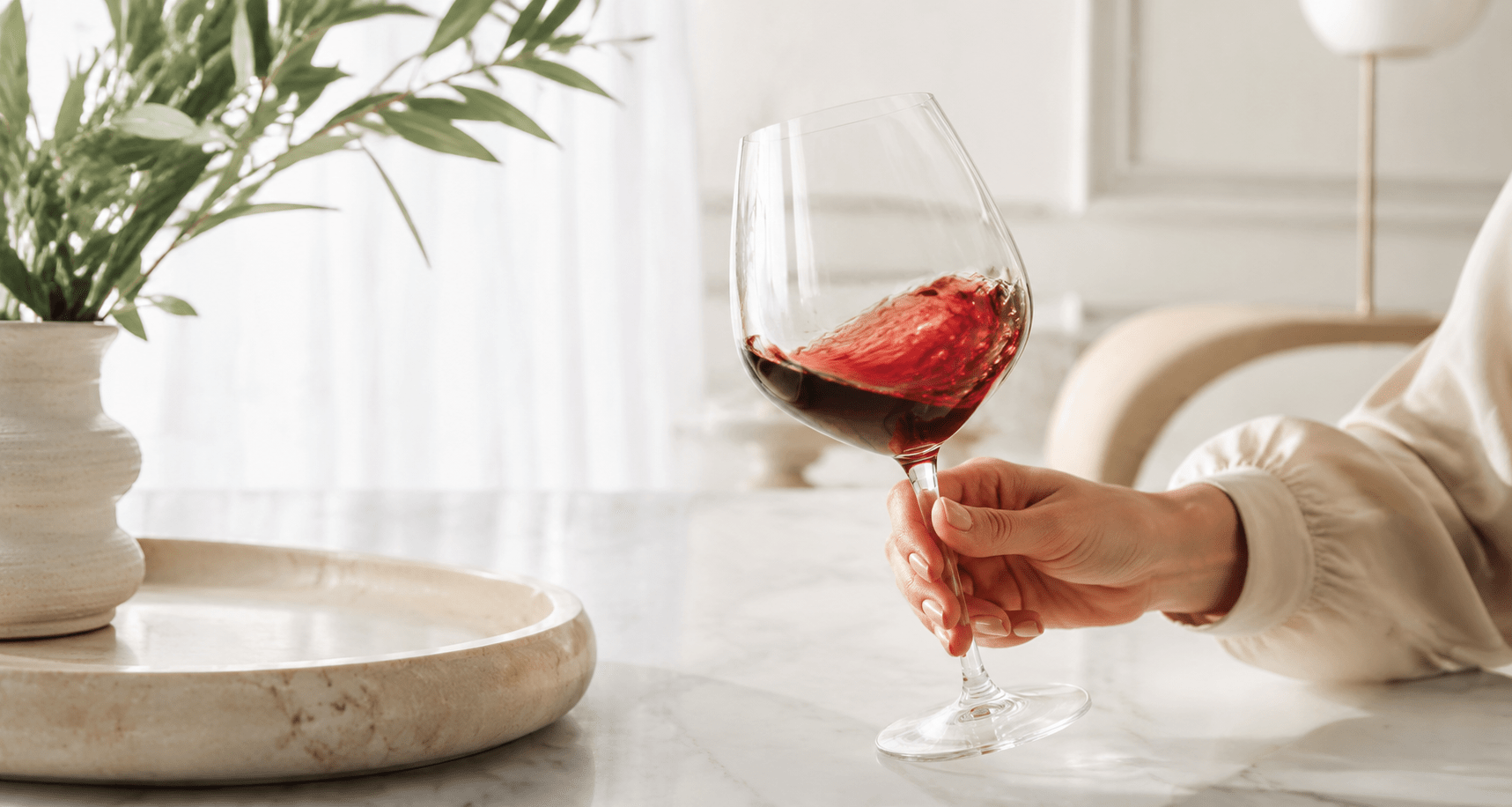
Start with what you can see. Tilt the glass against a white background and note the color, such as pale lemon, deep gold, ruby, or purple, and its depth, from pale to deep. Color hints at grape, age, and oak. Next, swirl and smell. Write down the first two or three aromas you recognize. It helps to think in groups. Fruit: citrus, green apple, peach, tropical fruit, red berries, black fruit, dried fruit. Floral and herbal: blossom, violet, grass, mint, bell pepper. Winemaking: butter, vanilla, toast, bread. Aging: leather, mushroom, tobacco, nuts, honey. Note the intensity too: is the aroma faint, moderate, or jumping out of the glass? Our guide on how to taste wine explains the swirl-and-sniff technique in more detail.
Take a sip and let it coat your mouth. Describe the structure first, using simple low, medium, or high terms. Sweetness: dry, off-dry, or sweet. Acidity: does your mouth water? That signals high acidity. Tannin: in reds, notice any drying, grippy feeling on your gums and tongue, which comes from tannins. Alcohol: is there warmth in your throat? Body: does it feel light like skim milk or full like cream? Then note the flavors, which often echo the aromas but can surprise you. Finally, the finish: how long the flavor lingers after you swallow. A short finish fades within a few seconds; a long one lasts noticeably longer. Length is one of the clearest signs of a well-made wine.
The conclusion is the most useful part of any tasting note, so do not skip it. Ask three questions. Is it balanced? In a balanced wine, no single element, such as acidity, oak, alcohol, or tannin, sticks out unpleasantly. Did I like it? Your preference matters more than anyone’s score. When would I drink it? Note a food pairing, occasion, or season, such as great with grilled salmon or a summer porch wine. Many people add a simple score, from one to five stars or a thumbs up or down. Also note whether it seems ready to drink now or might improve with time. Include the price and where you bought it, so you can judge value. Learning a few words from our wine terminology glossary makes this step quicker.
Here is an example for a New Zealand Sauvignon Blanc, written in plain language. Appearance: pale lemon with a green tint. Nose: high intensity, with grapefruit, passion fruit, fresh-cut grass, and a hint of jalapeño. Palate: dry, high acidity, light to medium body, no oak. Flavors of lime, gooseberry, and green herbs. Medium finish with a zesty, mouthwatering end. Verdict: crisp, bright, and well balanced; I liked it. Great with goat cheese salad or fish tacos. Four out of five stars, good value under $20. Notice that the note uses everyday words and specific fruits rather than vague terms. Compare this to a note for an oaked California Chardonnay, which might read golden, ripe pear, butter, vanilla, full body, and you instantly see the difference between the two grapes and styles.
Be specific. Lemon is more useful than citrus, and ripe blackberry tells you more than dark fruit. Write before you read. Note your impressions before checking the back label or reviews, so you are not influenced. Compare side by side. Tasting two wines together sharpens your descriptions; a wine tasting at home with friends is perfect practice. Keep it consistent. Use the same format every time in a notebook or phone app. Photograph the label and include the vintage. Taste at the right temperature, since cold mutes aromas and warmth exaggerates alcohol. Do not worry about being wrong. If something smells like your grandmother’s garden, write that. Personal associations help you remember a wine far better than borrowed adjectives, and you will build a richer vocabulary naturally.
Write the wine's name, grape, region, vintage, price, and the date you tasted it.
Note the color and depth against a white background, such as pale lemon or deep ruby.
Swirl, sniff, and list two or three specific aromas plus how intense they are.
Rate sweetness, acidity, tannin, alcohol, and body, then note flavors and finish length.
Decide whether it is balanced, whether you liked it, what to pair it with, and give a score.
| Stage | What to Note | Example Words |
|---|---|---|
| Appearance | Color and depth | Pale lemon, deep gold, ruby, garnet, purple |
| Nose | Main aromas and intensity | Green apple, cherry, violet, vanilla, leather |
| Palate structure | Sweetness, acidity, tannin, alcohol, body | Dry, crisp, grippy, warm, full-bodied |
| Palate flavor and finish | Flavors and how long they last | Lime, plum, toast; short or long finish |
| Verdict | Balance, preference, pairing, score | Balanced, would buy again, great with lamb |
Specific, familiar words like tart cherry beat vague praise like nice and smooth.
Record your impressions before reading reviews or the back label.
Would you buy it again? That single answer makes notes truly useful.
Learn Your Taste
Answer a few simple questions and discover styles that fit your palate.
Take the Wine QuizInclude the wine's name, vintage, and price, then appearance, aromas, palate structure, flavors, finish, and your overall verdict. A food pairing idea and a simple score make the note even more practical when you look back.
Beginners can start with fruit words like citrus, apple, cherry, and blackberry, plus structure words: dry or sweet, crisp or soft, light or full, smooth or grippy. Oak words like vanilla and toast are also common.
A few lines is plenty. Aim for one line each on appearance, nose, and palate, plus a one-sentence verdict, roughly 30 to 60 words. Short, specific notes get written every time, while long ones get abandoned. Add more detail only for wines you plan to buy again or cellar.
The finish is how long the wine's flavor lingers after you swallow or spit. A short finish fades within a few seconds, while a long finish lasts noticeably longer. Long finishes often signal a higher-quality wine.
Yes, many wine apps let you photograph labels, rate bottles, and save notes. A simple notebook or the notes app on your phone works just as well. The best system is the one you will use consistently.
Practice with real ingredients. Smell lemons, berries, herbs, vanilla, and spices while tasting wine, and compare two wines side by side. Over time, your brain links smells to names, and descriptions come more easily.