Think Seafood First
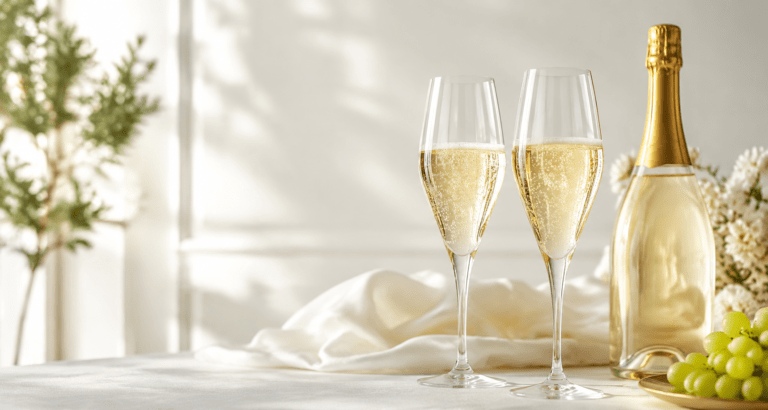
Oysters, shrimp, octopus, and grilled fish are Albariño's ideal partners.

Understand Wine. Enjoy Every Glass.
Grape Varieties
Albariño is Spain's great seafood white: zesty, peachy, and kissed with sea salt. Here is how it tastes, where it grows, and what to eat with it.
Start Learning
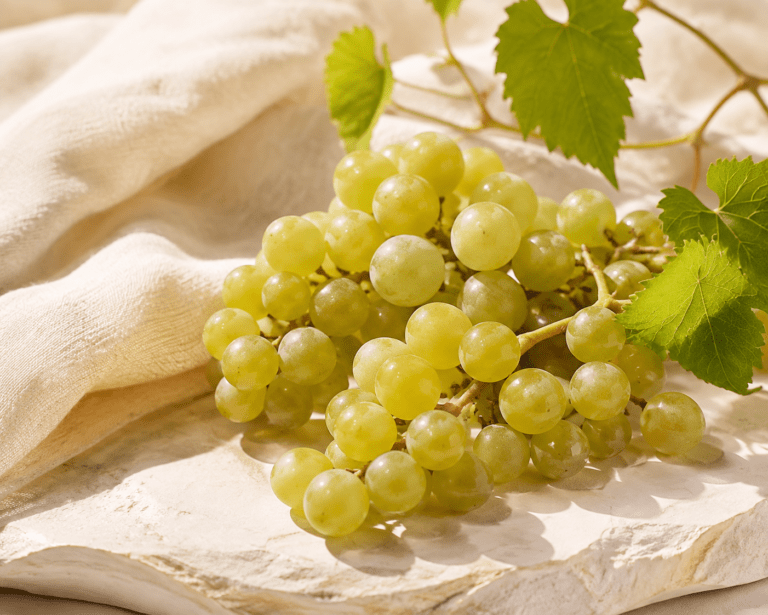
Albariño wine is bright, juicy, and refreshing. The citrus comes first: lemon, lime, and grapefruit. Then stone fruit fills in — white peach, nectarine, and apricot — often with a light floral note of honeysuckle or orange blossom. What makes Albariño special is its finish, which many people describe as salty or briny, like a sea breeze. Some bottles also have a gentle bitter edge on the finish, similar to grapefruit pith. On the palate, it is light- to medium-bodied with high acidity and moderate alcohol, typically 12% to 13%. Most Albariño is unoaked to protect its freshness, but some winemakers age it on its lees, the spent yeast, which adds a creamy texture and a little more weight.
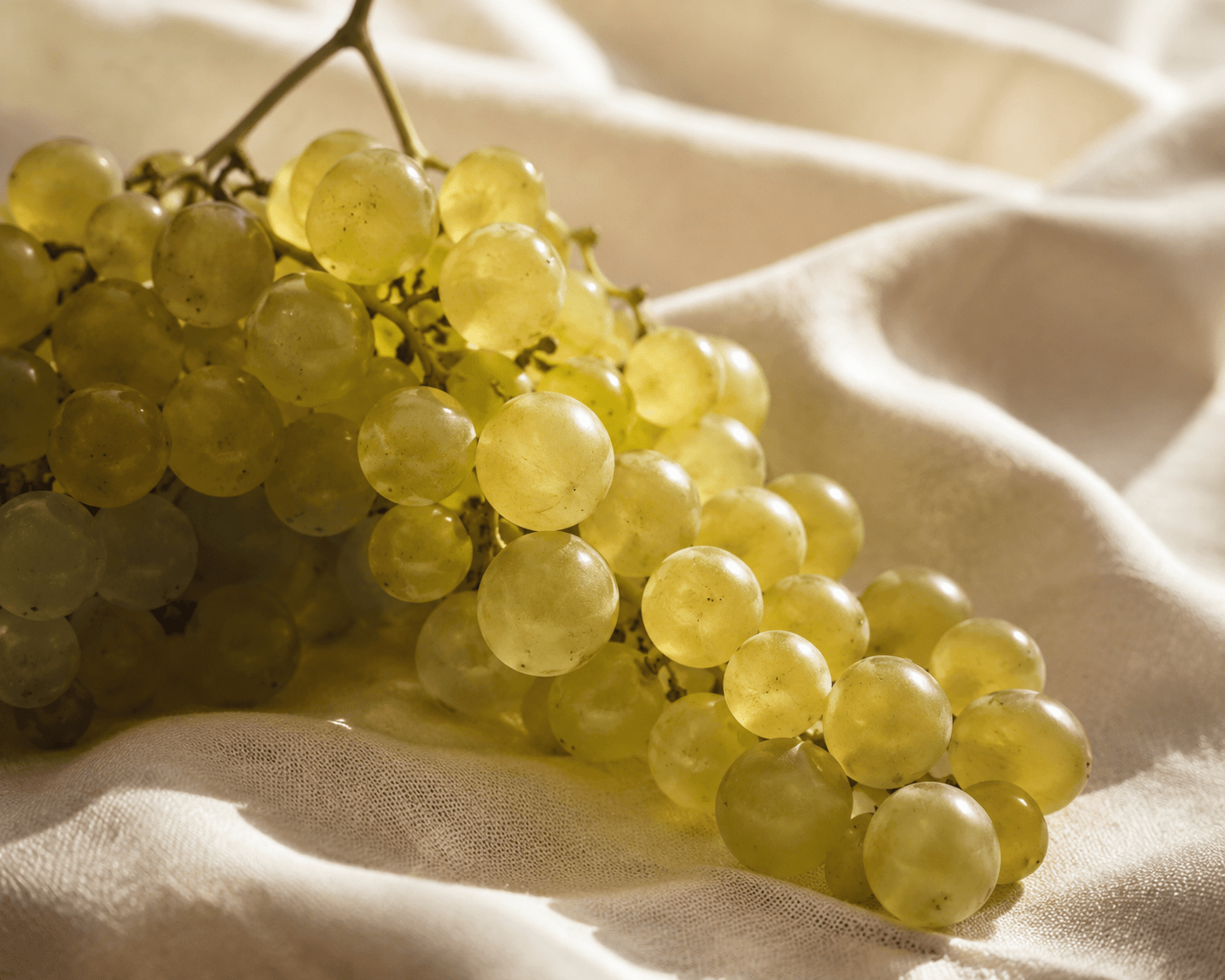
Albariño’s heartland is Rías Baixas, on the Atlantic coast of Galicia in northwest Spain. The name refers to the rías, river inlets carved into the coastline. It is green, cool, and rainy compared with most of Spain, and that maritime climate gives Albariño its freshness and salty tang. The grape’s thick skins help it resist rot in the humid air, and many growers train vines high on granite pergolas so breezes can dry the fruit. Rías Baixas has several subzones. Val do Salnés, closest to the ocean, makes the most saline, citrusy wines. Condado do Tea and O Rosal, farther south and inland along the Miño River, are warmer and give riper, peachier styles. Most Rías Baixas whites are Albariño, either pure or blended.
Just south of Galicia, across the Minho River, northern Portugal grows the same grape as Alvarinho. It is a key grape in Vinho Verde, and the subregion of Monção e Melgaço is famous for single-variety Alvarinho that is fuller and more aromatic than typical Vinho Verde blends. Albariño has also found a home in other cool, coastal climates. California makes fresh examples, especially near the coast, and Oregon, Washington, New Zealand, Australia, and Uruguay produce good bottles too. These New World versions are often a little riper and fruitier than the Spanish classics. Wherever it grows, Albariño is best with ocean influence, which keeps its acidity high and its aromas lifted.
Serve Albariño at 45–50°F. That is cold enough to feel refreshing but not so cold that the peach and floral aromas disappear. Two hours in the refrigerator is usually right; if it is colder, let it sit out for five to ten minutes. Use a standard white wine glass. There is no need to decant. Most Albariño is made to drink young, within one to three years of the vintage, while its citrus and floral notes are vivid. Lees-aged and premium bottles can develop for five years or more, gaining nutty, honeyed depth. An opened bottle stays fresh for three to five days in the fridge with a stopper, though it slowly loses its zip.
Albariño wine was made for seafood. In Galicia, the classic pairing is pulpo a la gallega, tender octopus with olive oil and smoked paprika. It is excellent with oysters, clams, and mussels, where its salty edge mirrors the brine. It shines with garlic shrimp, grilled sardines, ceviche, fish tacos, and fried calamari. Its acidity cuts through rich dishes too, making it a smart choice for paella with seafood. Sushi, Thai salads, and herb-heavy dishes with cilantro or lime also work well. For more ideas, see our guide to wine with seafood. Albariño is too light for red meat or heavy cream sauces, which overpower its delicate fruit.
For the classic style, look for Rías Baixas on the label; most bottles are good and fairly priced. Val do Salnés suggests a crisper, saltier wine, while Condado do Tea suggests riper fruit. From Portugal, Alvarinho from Monção e Melgaço is a step up in body and aroma. If you enjoy Albariño, try Verdejo from Spain’s Rueda for a herbal, citrusy cousin. Vermentino offers a similar Mediterranean freshness, and Picpoul de Pinet is a zesty, affordable seafood white from southern France. For a side-by-side with a better-known grape, read Albariño vs. Sauvignon Blanc.
| Region | Style | What to Expect |
|---|---|---|
| Val do Salnés, Rías Baixas | Coastal, crisp | Lemon, lime, strong salty finish |
| Condado do Tea, Rías Baixas | Warmer, inland | Riper peach and apricot, rounder body |
| O Rosal, Rías Baixas | Often blended | Floral, citrusy, with local grapes |
| Monção e Melgaço, Portugal | Alvarinho | Fuller and more aromatic than most Vinho Verde |
| California and Oregon | New World | Riper stone fruit, softer acidity |
| Lees-aged Albariño | Extended time on yeast | Creamy texture, nutty notes, longer life |
Oysters, shrimp, octopus, and grilled fish are Albariño's ideal partners.
Choose the most recent vintage for the brightest citrus, peach, and saline flavors.
This Galician region on the label is the most reliable sign of classic Albariño.
Learn Your Taste
Answer a few simple questions and discover styles that fit your palate.
Take the Wine QuizAlbariño is a dry white wine. Its juicy peach and citrus flavors can seem slightly sweet at first sip, but nearly all bottles are fermented dry, with crisp, high acidity and a refreshing, salty finish.
Say it al-bah-REEN-yo. The ñ makes a ny sound, as in canyon. In Portugal, the same grape is called Alvarinho, pronounced al-vah-REEN-yo, and you will see that spelling on Vinho Verde labels.
Both are crisp, high-acid whites. Sauvignon Blanc is more herbaceous, with grass, green pepper, and gooseberry notes. Albariño is rounder, with more peach and apricot, and a distinctive saline finish.
Yes. Alvarinho is the Portuguese name for the same grape. It grows in northern Portugal's Vinho Verde region, especially Monção e Melgaço, just across the river from Spain's Rías Baixas.
Seafood is its perfect match: octopus, oysters, clams, shrimp, grilled fish, and paella. It also pairs well with ceviche, sushi, fish tacos, and herb-driven salads with citrus dressings.
Most Albariño is best within one to three years, while its fruit is fresh. Premium and lees-aged bottles can improve for five years or more, gaining honeyed, nutty depth while keeping their acidity.