Order Tapas
Garlic shrimp, olives, and croquetas are Verdejo's classic partners.

Understand Wine. Enjoy Every Glass.
Grape Varieties
Verdejo is Spain's crisp, herbal white from the high plains of Rueda. Here is how it tastes, how it is made, and the tapas and seafood it loves.
Start Learning
Verdejo wine is fresh, zesty, and herbal. The fruit is citrus and orchard: lime, lemon, grapefruit, green apple, and in riper examples, white peach, melon, and a little tropical fruit. The herbal side is what makes it recognizable — fennel, anise, bay leaf, fresh-cut grass, and green herbs. Many bottles finish with a gentle bitterness that tasters compare to bitter almond, which adds a savory, refreshing edge. On the palate, it is light- to medium-bodied with bright acidity and a smooth, slightly creamy texture. Most Verdejo is unoaked and made to drink young. Some winemakers age it on its lees or in barrels, which adds body, nuttiness, and more complexity. If you like Sauvignon Blanc but want something a little rounder and less pungent, try Verdejo.
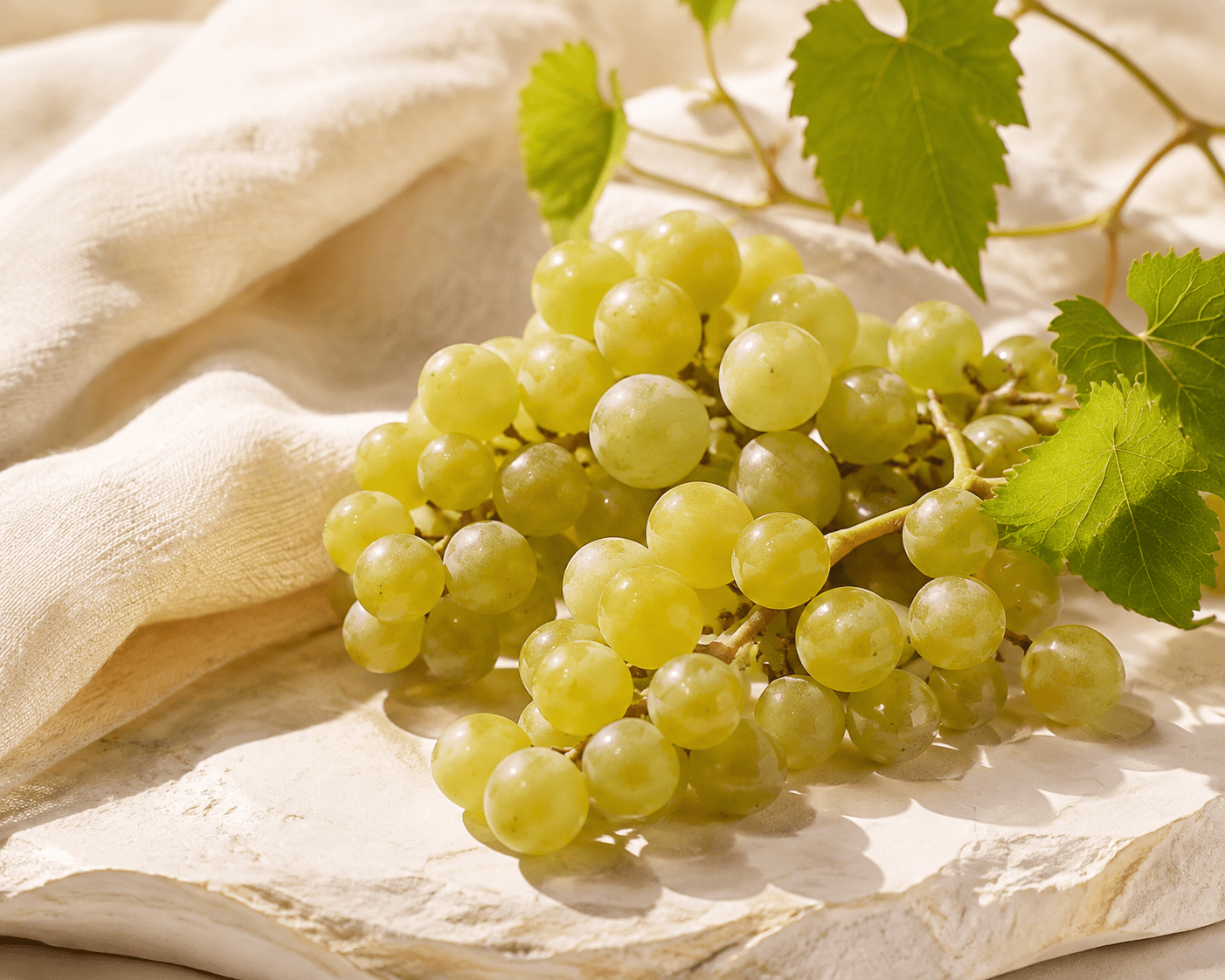
Verdejo is almost synonymous with Rueda, a region in Castilla y León in north-central Spain, not far from Valladolid and near the red wine region of Ribera del Duero. Rueda sits on a high plateau, roughly 2,300 to 2,600 feet above sea level, with a continental climate: hot, dry summer days and cold nights. That big temperature swing lets grapes ripen fully while keeping their acidity. Soils are stony and well-drained, often covered with pebbles that reflect heat. Many growers harvest Verdejo at night or before dawn to keep the grapes cool and protect their fresh aromas. Old, bush-trained Verdejo vines, some planted long ago, give the most concentrated wines. Small amounts of Verdejo grow elsewhere in Spain, but Rueda is where to look.
In Rueda, you will see a few styles on the shelf. Wines labeled Rueda Verdejo are made mostly from Verdejo and show its classic citrus and herbal character. Bottles labeled simply Rueda are often blends of Verdejo with Viura, which softens and lightens the wine, or with Sauvignon Blanc, which adds zesty, grassy aromas. Fermented-in-barrel versions, labeled fermentado en barrica, are richer and creamier, with toast and nut notes. Rueda also makes some sparkling wine and a traditional fortified style, though both are rare outside Spain. One quick tip: Verdejo is not the same as Verdelho, a Portuguese grape used for Madeira and some table wines. The names are similar, but the grapes are different.
Serve Verdejo at 45–50°F. That keeps it crisp and refreshing while letting the citrus and herbal aromas show. Barrel-fermented versions taste best slightly warmer, around 50–55°F. Two hours in the refrigerator is about right; if a bottle has been in the fridge longer, let it sit out for a few minutes. Use a standard white wine glass. There is no need to decant. Most Verdejo is best within one to two years of the vintage, while its aromas are vibrant. Lees-aged and barrel-fermented bottles can develop for three to five years. Recorked and refrigerated, an open bottle stays bright for about three days. Verdejo is an excellent pick for a casual gathering, since many bottles are under $15.
Verdejo wine is a natural with Spanish tapas. Its acidity and herbal notes match salty, garlicky bites like gambas al ajillo, the classic sizzling garlic shrimp, plus croquetas, marinated olives, and fried calamari. It is excellent with grilled white fish, mussels, clams, and fish tacos. Herbal dishes are a strong match — try pasta with pesto, salads with fresh herbs, and grilled vegetables. Its fresh acidity pairs well with tangy goat cheese and with young Manchego. Verdejo also works with sushi, ceviche, and Thai or Vietnamese dishes with lime and cilantro. For party snacks, see our ideas for wine with appetizers. Skip steak and heavy cream sauces; they bury its delicate citrus and herbs.
For the classic style, look for Rueda Verdejo on the label. Most bottles are affordable, often under $15, making Verdejo a regular on lists of white wines under $20. For something richer, choose a lees-aged or barrel-fermented Verdejo, or one made from old vines. If you enjoy Verdejo, try Albariño from Rías Baixas for a coastal, saline Spanish white. Vermentino shares the herbal notes and bitter almond finish. Grüner Veltliner offers similar zest with a peppery twist, and Verdicchio from Italy has a comparable almond finish.
| Wine or Style | Style | What to Expect |
|---|---|---|
| Rueda Verdejo | Mostly Verdejo, unoaked | Lime, fennel, herbs, bitter almond finish |
| Rueda (blend) | Verdejo with Viura | Lighter, softer, gentle citrus |
| Rueda Verdejo–Sauvignon Blanc | Blended | Extra zest, grassy and tropical notes |
| Fermentado en barrica | Barrel-fermented | Richer, creamy, toast and nuts |
| Old-vine Verdejo | Concentrated | More depth, texture, and aging potential |
| Lees-aged Verdejo | Extended time on yeast | Rounder body, subtle bread and nut notes |
Garlic shrimp, olives, and croquetas are Verdejo's classic partners.
Pick the latest vintage for Verdejo's brightest citrus and herbal notes.
Verdejo from Spain is a different grape from Portugal's Verdelho.
Learn Your Taste
Answer a few simple questions and discover styles that fit your palate.
Take the Wine QuizVerdejo is a dry white wine. Its ripe citrus and stone-fruit flavors can seem a little juicy, but nearly all bottles are fermented dry, with bright acidity and a gently bitter almond finish that keeps it refreshing.
No. Verdejo is a Spanish grape grown mainly in Rueda. Verdelho is a Portuguese grape used for Madeira and table wines in Portugal and Australia. The names are similar, but the grapes are different.
Both are crisp, herbal whites. Sauvignon Blanc is more pungent, with grass, green pepper, and passion fruit. Verdejo is rounder and softer, with fennel, bay leaf, and a bitter almond finish. Rueda sometimes blends the two.
Verdejo comes mainly from Rueda, a high-plateau region in Castilla y León, north-central Spain. Its hot days and cold nights keep the wine fresh. Small amounts grow elsewhere in Spain and abroad.
Tapas are the classic match: garlic shrimp, olives, croquetas, and fried calamari. Verdejo also pairs well with grilled fish, shellfish, goat cheese, herb salads, and dishes with lime and cilantro.
Most Verdejo is best within one to two years, while it is fresh and aromatic. Barrel-fermented, lees-aged, and old-vine bottles can age for three to five years, gaining nutty, honeyed depth.