Buttery Scampi Wants Chardonnay
Pick the wine for the shrimp sauce: butter and garlic want Chardonnay, lemon and herbs want Sauvignon Blanc.

Understand Wine. Enjoy Every Glass.
Wine Pairings
Shrimp is sweet, quick to cook, and goes with almost any crisp white. The real trick is matching the wine to the sauce. Here is what to pour with every common shrimp dish.
Start Learning
Shrimp is sweet, lean, and delicate. It has very little fat, so it does not need a big wine to stand up to it. What it wants is acidity. A high-acid white works like lemon juice: it sharpens the briny edge and makes the sweet flesh taste sweeter. That is why picking a wine with shrimp usually starts with crisp, unoaked whites. Tannic red wine is the classic mismatch. Tannin can react with seafood oils and leave a metallic, fishy taste in your mouth. Heavy oak is another trap, because toasty vanilla flavors bury shrimp’s subtle taste. Think fresh, zesty, and chilled. Once you know that baseline, the only question left is the sauce. Garlic, butter, chili, tomato, and breading each nudge the pairing in a different direction, and the sauce matters more than the shrimp itself.
Grilled or garlic shrimp loves Spanish Albariño from Rías Baixas. Its saline, peachy flavor tastes like it was made for the grill. Shrimp scampi is all butter and garlic, so reach for a lightly oaked Chardonnay or a Chablis with enough body to match the sauce. Shrimp cocktail is cold and clean, and a zippy Sauvignon Blanc or Picpoul de Pinet handles the tangy cocktail sauce. Fried or tempura shrimp pairs best with bubbles, which cut through the oil. Spicy Cajun, Thai, or chili shrimp calls for an off-dry Riesling, since a touch of sweetness cools the heat. Shrimp and grits, with its creamy, cheesy base, works with Chardonnay or a dry rosé. The table below sums it up.
Look at what is on the plate besides the shrimp. Lemon and herbs keep things light, so stay with lean whites like Vinho Verde or Muscadet. Cream or butter sauces need more weight; a Chardonnay or white Rhône blend matches that richness instead of tasting thin beside it. Tomato-based dishes, like shrimp fra diavolo or shrimp creole, have their own acidity, so pick a wine that matches it: Italian Vermentino, a dry rosé, or even a light red. Coconut curries lean toward aromatic whites with a little sweetness, such as Gewürztraminer or Pinot Gris. Barbecue shrimp with a sweet, smoky glaze can take a fruity rosé. Sides matter too. A shrimp salad with vinaigrette needs a high-acid wine so the dressing does not make the glass taste flat. A big pasta dish adds starch and gives you a little more room to go fuller-bodied.
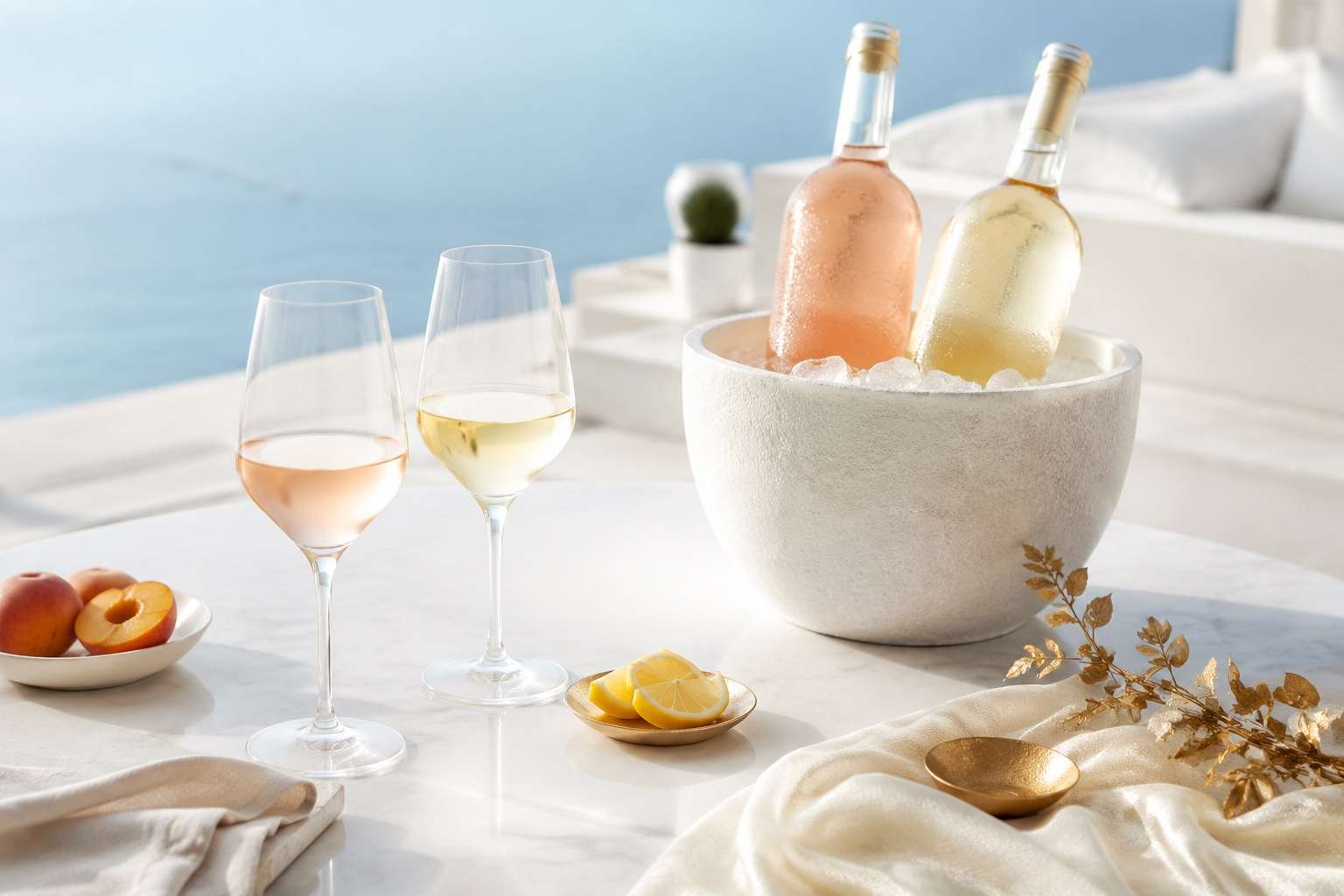
Dry rosé is one of the most versatile wines for shrimp. A pale Provence-style rosé has the crisp acidity of a white and a hint of red-berry fruit. That makes it great with grilled shrimp, shrimp tacos, and anything with a little smoke or spice. Sparkling wine is the go-to for fried shrimp, coconut shrimp, and party platters. Spanish Cava and Italian Prosecco are affordable, and their bubbles scrub oil and salt off your palate between bites. Can you drink red wine with shrimp? Yes, carefully. Choose a light, low-tannin red served slightly chilled, such as a Beaujolais made from Gamay or a light Pinot Noir. These work best when the shrimp is grilled, wrapped in bacon, or cooked with chorizo or tomatoes. Skip them for plain boiled shrimp.
A few styles reliably clash. Big, tannic reds such as young Cabernet Sauvignon or Syrah overpower shrimp and can leave a metallic aftertaste. Heavily oaked, buttery Chardonnay can smother simple preparations like shrimp cocktail; save that style for cream sauces. High-alcohol wines of any color make spicy shrimp taste hotter, because alcohol amplifies chili heat. Very sweet dessert wines like Sauternes bury the gentle sweetness of shrimp and taste odd with garlic or Cajun spice. Finally, watch out for cocktail sauce and horseradish with delicate, low-acid whites. The sharp tang makes a soft wine taste flat and dull. If you are unsure, a crisp, unoaked white or a dry rosé is the safe bet with any shrimp dish.
Serve white and rosé wines with shrimp well chilled, about 45–50°F. Two hours in the refrigerator does it, or see how to chill wine fast if dinner sneaks up on you. Light reds like Gamay taste best around 55°F. Shrimp is often party food, so plan on about one bottle for every three to four guests at a cocktail-hour spread. For value, you are spoiled for choice. Vinho Verde, Picpoul de Pinet, Spanish Cava, and Chilean or South African Sauvignon Blanc are often under $15 and taste right at home with shrimp. Albariño and Chablis cost a bit more but are still affordable treats. For a broader view of fish and shellfish, see our guide to wine with seafood.
| Shrimp Dish | Best Wine | Why It Works |
|---|---|---|
| Grilled or garlic shrimp | Albariño or Vermentino | Saline, citrusy whites echo char and garlic |
| Shrimp scampi | Lightly oaked Chardonnay or Chablis | Rounder body matches the butter sauce |
| Shrimp cocktail | Sauvignon Blanc or Picpoul | High acidity stands up to tangy cocktail sauce |
| Fried or coconut shrimp | Cava or Prosecco | Bubbles cut through oil and breading |
| Spicy Cajun or Thai shrimp | Off-dry Riesling | A touch of sweetness cools the heat |
| Shrimp and grits | Chardonnay or dry rosé | Enough body for the creamy, cheesy base |
Pick the wine for the shrimp sauce: butter and garlic want Chardonnay, lemon and herbs want Sauvignon Blanc.
Serve whites and rosé at 45–50°F so their acidity stays bright with sweet shellfish.
With spicy shrimp, choose low-alcohol, off-dry wines; alcohol makes chili taste hotter.
Learn Your Taste
Answer a few simple questions and discover styles that fit your palate.
Take the Wine QuizAlbariño, Sauvignon Blanc, and Picpoul de Pinet are top picks. They are crisp, unoaked, and citrusy, so they act like a squeeze of lemon. For buttery dishes such as scampi, step up to a lightly oaked Chardonnay.
Yes, as long as the red is light-bodied and soft on tannin. A slightly chilled Beaujolais or a delicate Pinot Noir works with grilled shrimp or shrimp cooked with tomatoes or chorizo. Avoid bold, tannic reds, which can taste metallic with seafood.
A lightly oaked Chardonnay or a Chablis is ideal. Scampi is rich with butter and garlic, so it needs a white with some body. Pinot Grigio works in a pinch but can taste thin beside the sauce.
Sauvignon Blanc, Picpoul de Pinet, or a dry sparkling wine. Shrimp cocktail is cold and tangy from the sauce, so you want a wine with plenty of acidity that will not taste flat next to horseradish.
An off-dry Riesling or Gewürztraminer. A little residual sugar softens chili heat, and lower alcohol keeps the burn in check. A fruity dry rosé is a good second choice if you prefer drier wines.
Yes. Italian Pinot Grigio is light, crisp, and lemony, which suits boiled shrimp, shrimp salads, and simple grilled shrimp. It is less successful with rich cream or butter sauces, where a fuller white does better.