Match Temp to Style
Serve unoaked at 45–50°F and oaked at 50–55°F for the best flavor.

Understand Wine. Enjoy Every Glass.
Grape Varieties
Chardonnay can be lean and steely or rich and buttery. Learn why the same grape tastes so different, where each style comes from, and how to pair it.
Start Learning
Chardonnay wine is the chameleon of white grapes. On its own it has fairly neutral flavors, so climate and winemaking shape the glass more than with most grapes. Cool-climate Chardonnay tastes of green apple, lemon, pear, and wet stone, with crisp acidity and a lighter body. Moderate climates add yellow apple, peach, and melon. Warm climates push toward pineapple, mango, and baked apple. The winemaker then decides on oak and texture. Barrel fermentation or aging adds vanilla, toast, hazelnut, and baking spice. Malolactic fermentation, a natural process that converts sharp malic acid into softer lactic acid, gives the famous buttery, creamy note. Aging on the spent yeast, called lees, adds richness and a bready flavor. Chardonnay is usually medium- to full-bodied, at 12.5–14.5% alcohol, and almost always dry.
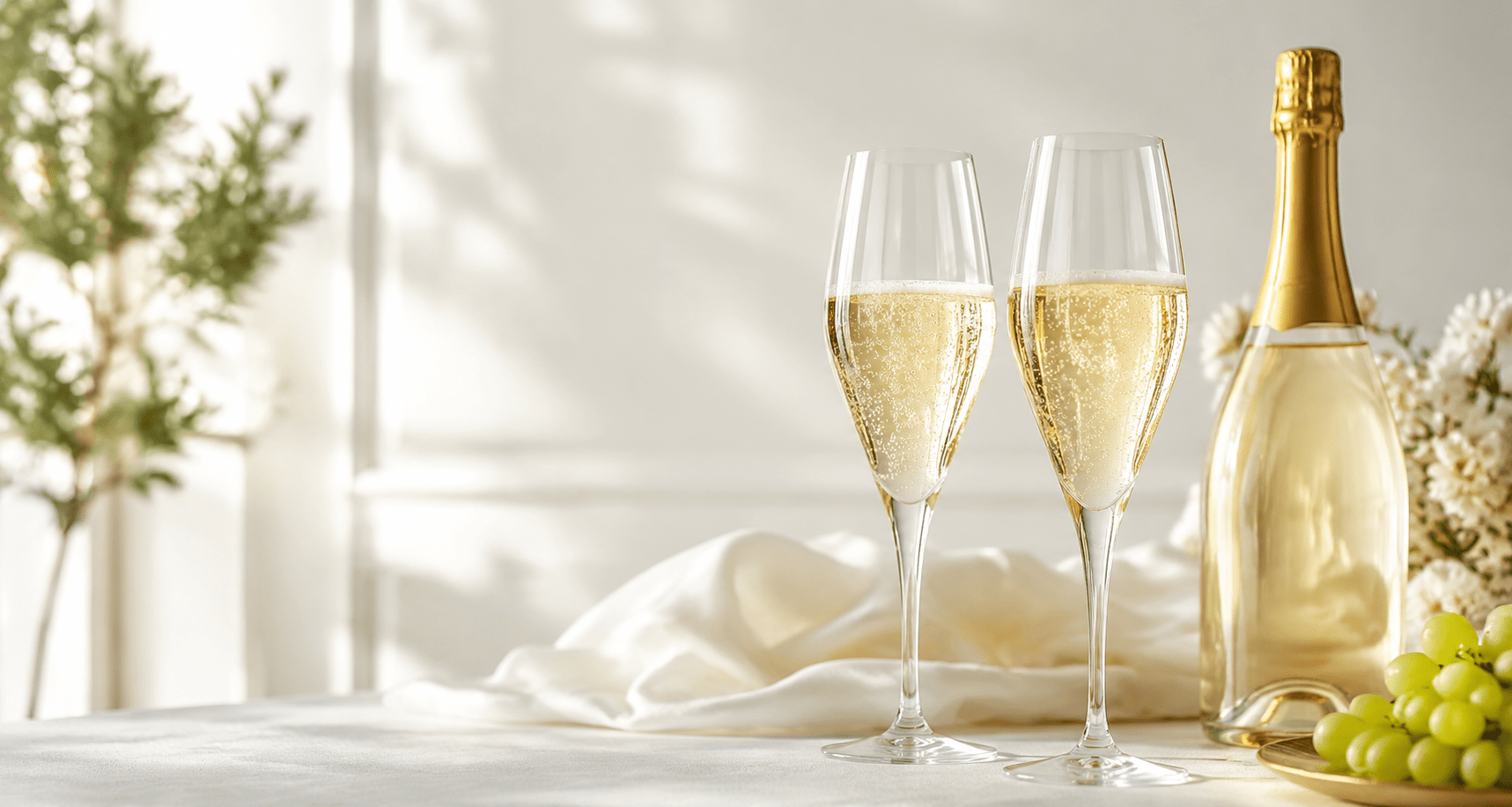
The biggest style split is oak. Unoaked Chardonnay is fermented and aged in stainless steel or neutral containers. It tastes fresh, citrusy, and mineral, closer to Sauvignon Blanc in spirit but rounder. Chablis is the classic example, and many cool-climate New World bottles now say “unoaked” on the label. Oaked Chardonnay spends time in barrels, which add vanilla, toast, and spice and a creamier texture. Done well, oak is a seasoning that supports the fruit; overdone, it tastes like buttered popcorn and sawdust. That heavy style made California famous in the 1990s and led to the “Anything But Chardonnay” backlash. Today most regions aim for balance. If you think you dislike Chardonnay, you may simply dislike heavy oak; try a Chablis or a Mâcon-Villages and you may change your mind.
Chardonnay’s home is Burgundy, where white Burgundy is almost entirely Chardonnay. Chablis in the north is steely and mineral. The Côte de Beaune, with villages such as Meursault and Puligny-Montrachet, makes richer, nutty, barrel-aged wines. The Mâconnais in the south offers fruity, good-value bottles. Chardonnay is also a key grape in Champagne, where it makes Blanc de Blancs. In California, Napa, Sonoma, and the cooler Russian River Valley range from lush to elegant. Oregon’s Willamette Valley is building a reputation for bright, Burgundian Chardonnay. Australia’s Margaret River and New Zealand make vivid, balanced styles, and Chile’s coastal valleys offer value. For a regional comparison, read French vs California Chardonnay.
Serve light, unoaked Chardonnay well chilled at 45–50°F to highlight its crisp acidity. Fuller, oak-aged Chardonnay tastes best a little warmer, at 50–55°F; too cold and its nutty, creamy flavors disappear. If a bottle has been in the fridge all day, take it out 15 to 20 minutes before pouring. A medium-sized white wine glass works for most styles, but rich, barrel-aged Chardonnay shows more aroma in a slightly wider bowl. Young white Burgundy from top villages can even benefit from a brief decant. Opened Chardonnay keeps for three to five days in the fridge with a stopper. For ice-bucket and quick-chill tricks, see how to chill wine fast.
Match the food to the style. Crisp, unoaked Chardonnay and Chablis are superb with oysters, shellfish, grilled white fish, goat cheese, and salads with light vinaigrettes. Rich, oaked Chardonnay needs richer food. It is a classic with lobster and drawn butter, crab cakes, and seared scallops, where the wine’s creaminess mirrors the dish. Roast chicken, turkey, and pork with cream or mushroom sauces are easy wins, and buttery Chardonnay is a natural with chicken in any creamy preparation. Fettuccine Alfredo, risotto, corn chowder, and soft cheeses such as Brie all work. Avoid very spicy food with oaked styles, since oak and alcohol amplify heat.
If you like rich, oaked Chardonnay, try Viognier for a more floral, peachy full-bodied white, or white Rhône blends of Marsanne and Roussanne. If you prefer crisp styles, Chenin Blanc, Albariño, and Sauvignon Blanc are great next steps; see Chardonnay vs Sauvignon Blanc. When shopping, look for clues on the label. “Unoaked,” “stainless steel,” Chablis, or Mâcon point to a fresh style. “Barrel fermented,” “sur lie,” or a California, Meursault, or Australian warm-climate label suggest a richer one. Cool-climate place names such as Sonoma Coast or Santa Rita Hills usually mean more balance. Many excellent Chardonnays, especially from Chile, Mâcon, and Washington, cost under $20.
| Region | Style | What to Expect |
|---|---|---|
| Chablis, France | Unoaked, lean, mineral | Green apple, lemon, wet stone, high acidity |
| Côte de Beaune, France | Barrel-aged, complex | Nuts, citrus, butter, fine acidity |
| Mâconnais, France | Lightly oaked or unoaked | Yellow apple, melon, easy value |
| Napa & Sonoma, California | Ripe and often oaky | Pineapple, vanilla, butter, full body |
| Willamette Valley, Oregon | Fresh, Burgundian | Pear, lemon curd, bright acidity |
| Margaret River, Australia | Vivid and balanced | Grapefruit, white peach, toasty oak |
Serve unoaked at 45–50°F and oaked at 50–55°F for the best flavor.
"Unoaked" or Chablis means crisp; "barrel fermented" means rich and creamy.
Buttery Chardonnay loves lobster, crab, and creamy chicken dishes.
Learn Your Taste
Answer a few simple questions and discover styles that fit your palate.
Take the Wine QuizChardonnay is almost always dry. Ripe tropical fruit and vanilla from oak can make some bottles taste sweet, but very little sugar remains after fermentation in most styles.
The buttery note comes mostly from malolactic fermentation, which turns tart malic acid into softer lactic acid and creates a compound called diacetyl. Oak aging adds vanilla and toast on top.
Yes. Chablis is a region in northern Burgundy, and its white wines are made entirely from Chardonnay. They are usually unoaked or lightly oaked, crisp, and mineral.
Chardonnay is usually fuller and creamier, especially when oaked. Pinot Grigio is lighter, crisper, and more neutral, with pear and lemon flavors. Our Chardonnay vs Pinot Grigio guide compares them in detail.
Unoaked Chardonnay is best at 45–50°F. Oaked, full-bodied Chardonnay shows more flavor at 50–55°F, so take it out of the fridge 15 to 20 minutes before serving.
Most everyday Chardonnay is best within two to three years. Top white Burgundy and quality Chablis can age for a decade or more, developing honey, nut, and mushroom notes.