Read Bourgogne Blanc
A French white labeled Bourgogne Blanc is almost always Chardonnay and a good, affordable starting point.

Understand Wine. Enjoy Every Glass.
Wine Comparisons
Same grape, two very different glasses. Learn why French Chardonnay tastes lean and mineral, why California's is often rich and buttery, and which one suits your table.
Start Learning
Chardonnay is a shape-shifter. The grape itself has a fairly neutral flavor, so climate and winemaking decide most of what you taste. Its homeland is Burgundy in eastern France, where summers are moderate and autumn can be cool. Grapes there ripen slowly and keep plenty of acidity, so the wines taste fresh and tense. California has far more reliable sunshine. Grapes ripen fully almost every year, building more sugar, which means more alcohol, fuller body, and riper fruit flavors. Neither is better. They are two expressions of the same grape, and comparing French and California Chardonnay side by side is one of the clearest lessons in how place changes wine. For the bigger picture, read our guide to Old World vs New World wine.
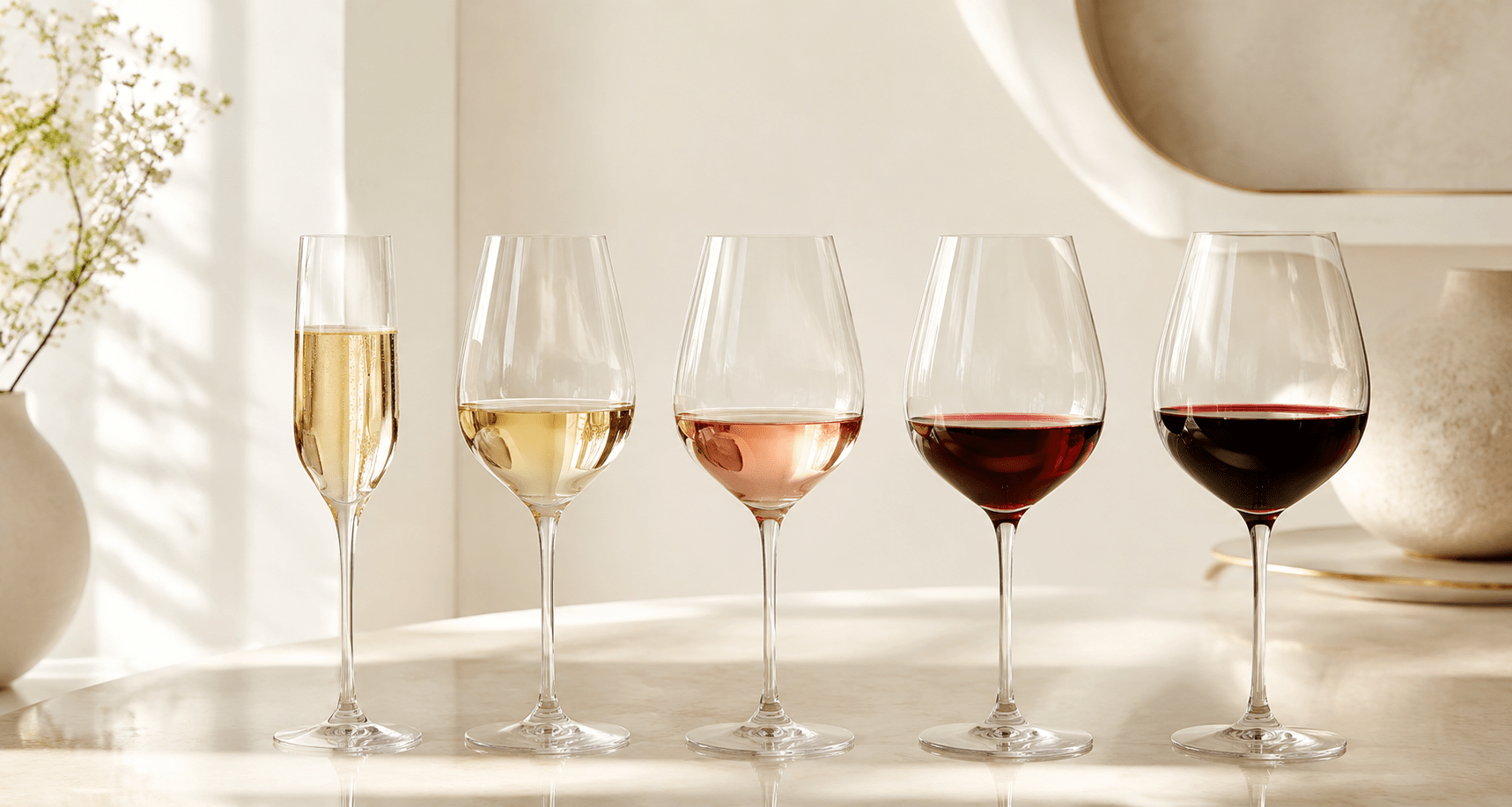
French Chardonnay tends toward green apple, lemon, pear, and white flowers, with a chalky or flinty quality often called minerality. Acidity is bright, body ranges from light to medium, and alcohol often sits around 12.5 to 13.5 percent. Unoaked Chablis is the leanest; Meursault is rounder and nuttier. Classic California Chardonnay shows yellow apple, ripe pear, pineapple, and mango, with medium to full body and alcohol often around 13.5 to 14.5 percent. Many are aged in new American or French oak, adding vanilla, toast, and baking spice. Most also go through malolactic fermentation, a natural process that softens sharp malic acid into creamier lactic acid and creates the buttery note people love or avoid. Both styles are almost always dry; the richness you taste in California comes from ripeness and oak, not sugar.
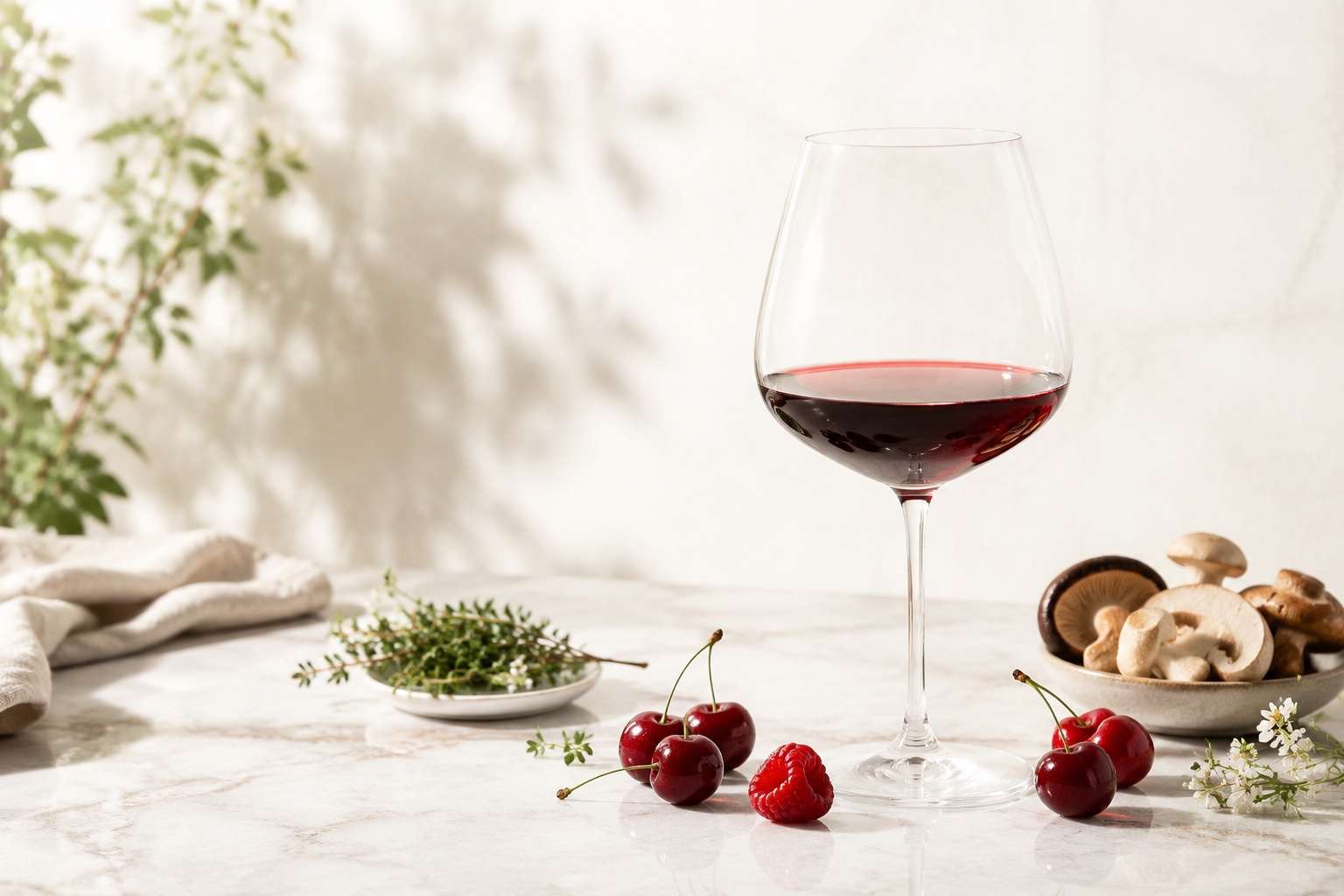
French labels name the place, so learn a few names. Chablis, in northern Burgundy, makes steely, flinty Chardonnay usually aged in steel or older barrels. The Côte de Beaune is home to the famous villages of Meursault, Puligny-Montrachet, and Chassagne-Montrachet, which balance gentle oak with precise acidity and age beautifully. The Mâconnais, further south, offers riper, rounder, very good-value wines labeled Mâcon-Villages, Saint-Véran, or Pouilly-Fuissé. Bottles simply labeled Bourgogne Blanc are almost always Chardonnay and are a smart entry point. Chardonnay is also a key grape in Champagne, where a Blanc de Blancs is made entirely from it, and the Languedoc and Loire produce affordable versions labeled by grape.
California Chardonnay is labeled by grape, so the region tells you about style. Napa Valley and much of the Central Coast give the classic rich, oaky, buttery profile. Cooler areas make leaner, more Burgundian wines: the Russian River Valley and Sonoma Coast, cooled by Pacific fog, offer citrus, apple, and lively acidity with more restrained oak. Carneros, on the bay at the southern ends of Napa and Sonoma, is another cool spot. Further south, Santa Barbara County’s Santa Rita Hills and Santa Maria Valley make bright, mineral examples. Since the 2000s, many California winemakers have dialed back oak and butter, and some make unoaked Chardonnay labeled as such. So California no longer means buttery every time. Check the back label for words like stainless steel, unoaked, or no malolactic.
Crisp French Chardonnay loves seafood and lighter dishes. Chablis is a famous match for oysters, shellfish, and goat cheese, while a white Burgundy like Meursault suits roast chicken, scallops, and mushroom risotto. Rich California Chardonnay needs richer food to match its weight. Try it with lobster dipped in butter, crab cakes, chicken in cream sauce, or corn chowder; the butter in the dish echoes the butter in the wine. On price, good California Chardonnay starts around $12 to $20, with top single-vineyard wines much higher. French Chardonnay ranges from affordable Mâcon-Villages and Bourgogne Blanc to some of the most expensive white wines in the world from the top Côte de Beaune villages. For value, the Mâconnais and Chablis are hard to beat.
Pick French Chardonnay if you like crisp, refreshing whites such as Sauvignon Blanc or Pinot Grigio, if you are serving oysters or delicate fish, or if you have been told you dislike Chardonnay. An unoaked Chablis often changes minds. Pick California Chardonnay if you enjoy full, creamy whites with vanilla and tropical fruit, or if dinner involves butter, cream, or roast poultry. If you want something in between, look for a cool-climate California bottle from Sonoma Coast or Santa Barbara, or a riper Mâcon from southern Burgundy. Serve lean French styles at 45 to 50°F and richer oaked styles slightly warmer, around 50 to 55°F, so the texture and aromas show. Too cold and a fine white Burgundy tastes muted; too warm and a big California wine feels heavy.
| Attribute | French Chardonnay | California Chardonnay |
|---|---|---|
| Fruit flavors | Green apple, lemon, pear | Yellow apple, pineapple, mango |
| Body and acidity | Light to medium body, bright acidity | Medium to full body, softer acidity |
| Oak and butter | Often subtle oak; Chablis frequently unoaked | Often new oak and malolactic: vanilla, toast, butter |
| Typical alcohol | About 12.5–13.5% | About 13.5–14.5% |
| Label shows | Place: Chablis, Meursault, Bourgogne Blanc, Mâcon | Grape name: Chardonnay, plus region |
| Classic pairing | Oysters, goat cheese, roast chicken | Lobster with butter, creamy chicken, crab cakes |
A French white labeled Bourgogne Blanc is almost always Chardonnay and a good, affordable starting point.
Sonoma Coast, Russian River, and Santa Rita Hills make leaner, French-leaning California Chardonnay.
Serve oaked Chardonnay around 50–55°F. Ice-cold temperatures hide its texture and aromas.
Learn Your Taste
Answer a few simple questions and discover styles that fit your palate.
Take the Wine QuizAlmost always, yes. White Burgundy is made from Chardonnay in nearly every case, though a small amount of Aligoté and a few other whites are also grown there. Labels name the village or region, such as Meursault or Chablis, rather than the grape.
The buttery taste comes from malolactic fermentation, which turns tart malic acid into softer lactic acid and creates a compound called diacetyl. Aging in new oak barrels adds vanilla and toast, which deepen that rich, creamy impression.
Yes, some can. Unoaked or lightly oaked Chardonnay from cool, foggy spots like the Sonoma Coast, Anderson Valley, or Santa Rita Hills can show the crisp green apple and lemon style of Chablis. It is rarely as chalky or flinty, but it comes close.
No. Both are usually fully dry. California Chardonnay can taste sweeter because of riper tropical fruit, higher alcohol, and vanilla from oak, but those impressions are not residual sugar.
Start with one of each. A Mâcon-Villages from southern Burgundy and a mid-priced California Chardonnay, tasted side by side, show the two main styles clearly. Most people quickly discover whether they prefer crisp or creamy.
Top white Burgundy has a strong reputation for aging, often developing nutty, honeyed notes over a decade or more. Most everyday Chardonnay from either country is best within two to four years of the vintage.