Pair to the Sauce, Not the Protein
Pair to the strongest flavor on the plate, which is often the sauce, not the protein.

Understand Wine. Enjoy Every Glass.
Wine Pairings
Good wine and food pairing is not a secret code. A handful of simple rules explains almost every great match, and the guides below show you exactly what to pour.
Start Learning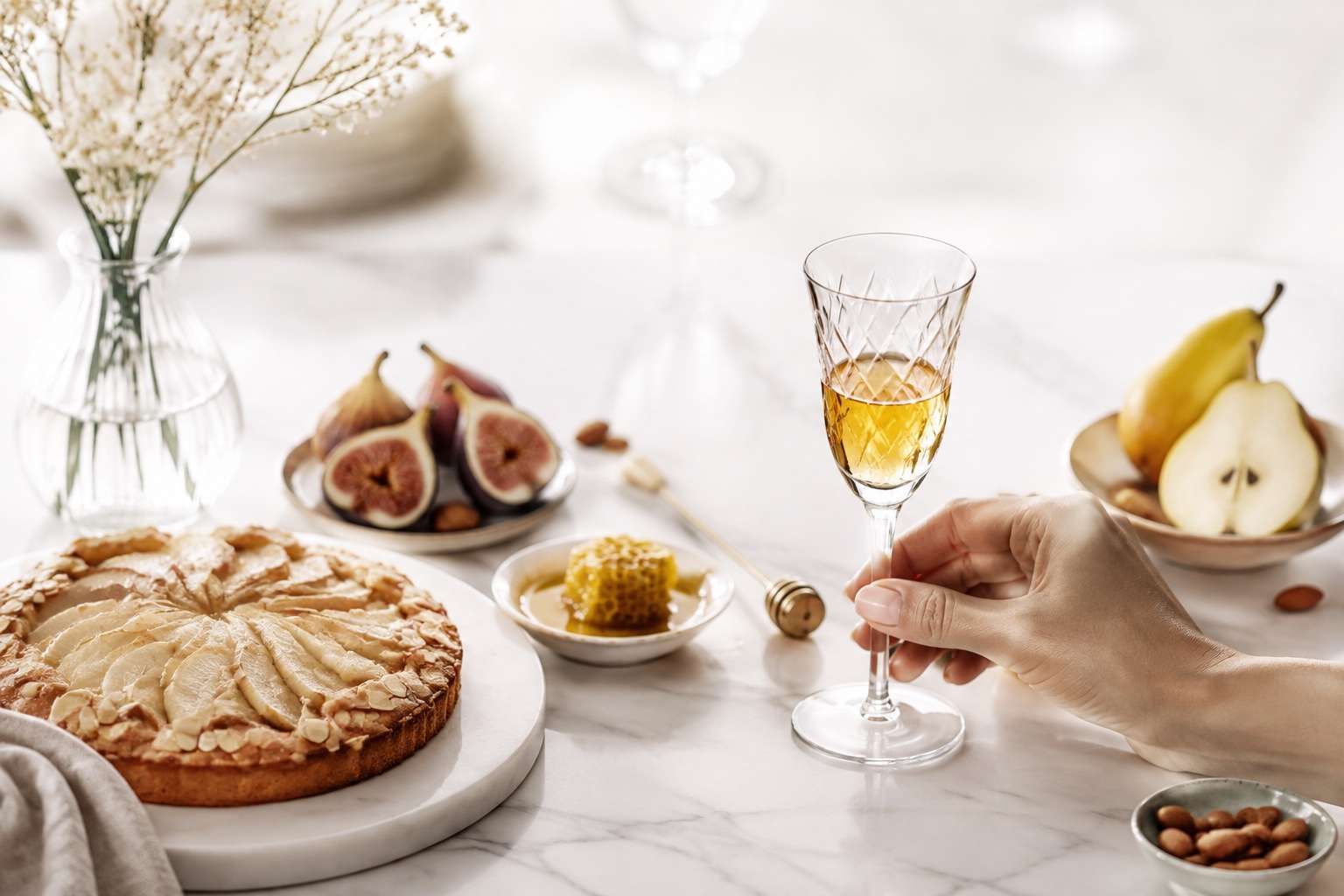
Every wine and food pairing comes down to a few building blocks. Weight comes first: delicate food wants a light wine, and hearty food wants a fuller one, so neither drowns out the other. Acidity is the most food-friendly trait a wine can have; it cuts through fat and salt the way a squeeze of lemon does, and it must be at least as high as the acid in the dish. Tannin loves fat and protein but clashes with oily fish and fiery spice. Sweetness in food makes dry wine taste thin and sour, so a dessert wine should always be sweeter than the dessert. Salt is a friend to almost every wine, softening tannin and boosting fruit. Heat from chiles amplifies alcohol and bitterness, which is why low-alcohol, slightly sweet whites shine with spicy dishes. Learn these six levers and you can reason your way to a good match for any meal, even one that has no guide yet.
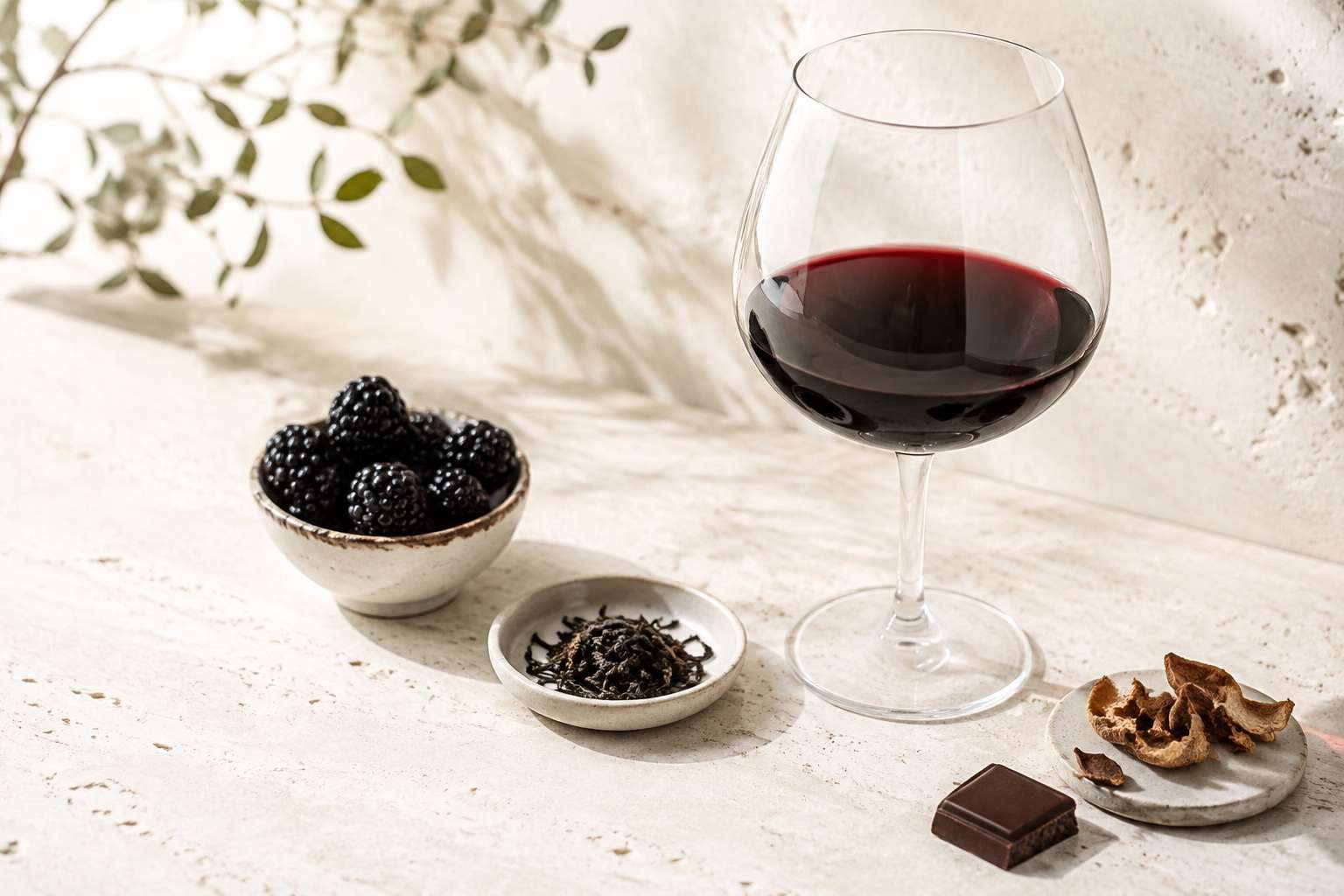
Meat is where structure matters most. Rich red meat wants a full-bodied red with firm tannin, so start with the best wine with steak and the cut-by-cut advice for lamb, which adores Syrah, Rioja, and Bordeaux blends. Lighter meats open the door to whites and lighter reds. Our wine with chicken guide shows how a roast bird can go with Chardonnay or Pinot Noir depending on the sauce, while pork works with everything from dry Riesling to Zinfandel. Holiday cooks should read wine with turkey for bottles that survive a crowded Thanksgiving table. Casual cooking has its own rules: smoky, sweet sauces need juicy, ripe reds, so see wine with BBQ and wine with burgers for fun, affordable choices that handle char and ketchup alike.
Seafood rewards crisp, high-acid wines that act like a squeeze of lemon. Our wine with seafood guide maps shellfish, white fish, and fried fish to the right bottle, from Muscadet with mussels to Champagne with anything fried. Oily, meaty fish is the exception to the “white with fish” rule: salmon is one of the best foods on earth for Pinot Noir and dry rosé. Raw fish brings its own challenge, because soy sauce and wasabi push wine around, so wine with sushi explains why dry Riesling, sparkling wine, and Grüner Veltliner work so well. For special occasions, rich shellfish such as lobster and scallops call for fuller whites like oaked Chardonnay, while briny oysters want the leanest, most mineral wine you can find, such as Chablis or Muscadet.
Italian food is built around tomato, cheese, and olive oil, and Italian wines are built to match. Tomato is acidic, so it needs a red with bright acidity such as Sangiovese or Barbera. Our wine with pasta guide pairs by sauce, from creamy Alfredo with Chardonnay to pesto with Vermentino, and wine with pizza covers everything from a plain margherita to pepperoni and white pies. For a full regional tour, wine with Italian food follows the old rule of pairing dishes with the wines of the same place. Cheese is its own world: some combinations are magic and others clash. Read wine with cheese for the classic matches, including salty blue cheese with sweet wine, and wine with charcuterie to build a board where cured meats, cheese, and a few versatile bottles all get along.
Chile heat changes the rules. Alcohol makes spice feel hotter, and heavy tannin turns bitter, so the best partners are low-alcohol whites with a touch of sweetness and plenty of acid, such as off-dry Riesling or Gewürztraminer. Our wine with spicy food guide explains the science and the safest choices. From there, explore specific cuisines. Wine with Mexican food runs from crisp Sauvignon Blanc with ceviche to Zinfandel with mole, and wine with tacos matches each filling, from fish to carnitas to carne asada. Aromatic Asian dishes have their own guides: Thai food loves Riesling, Indian food works with Gewürztraminer and juicy reds, and Chinese food pairs well with sparkling wine and fruity Pinot Noir. Rosé is a great fallback for almost any spicy table.
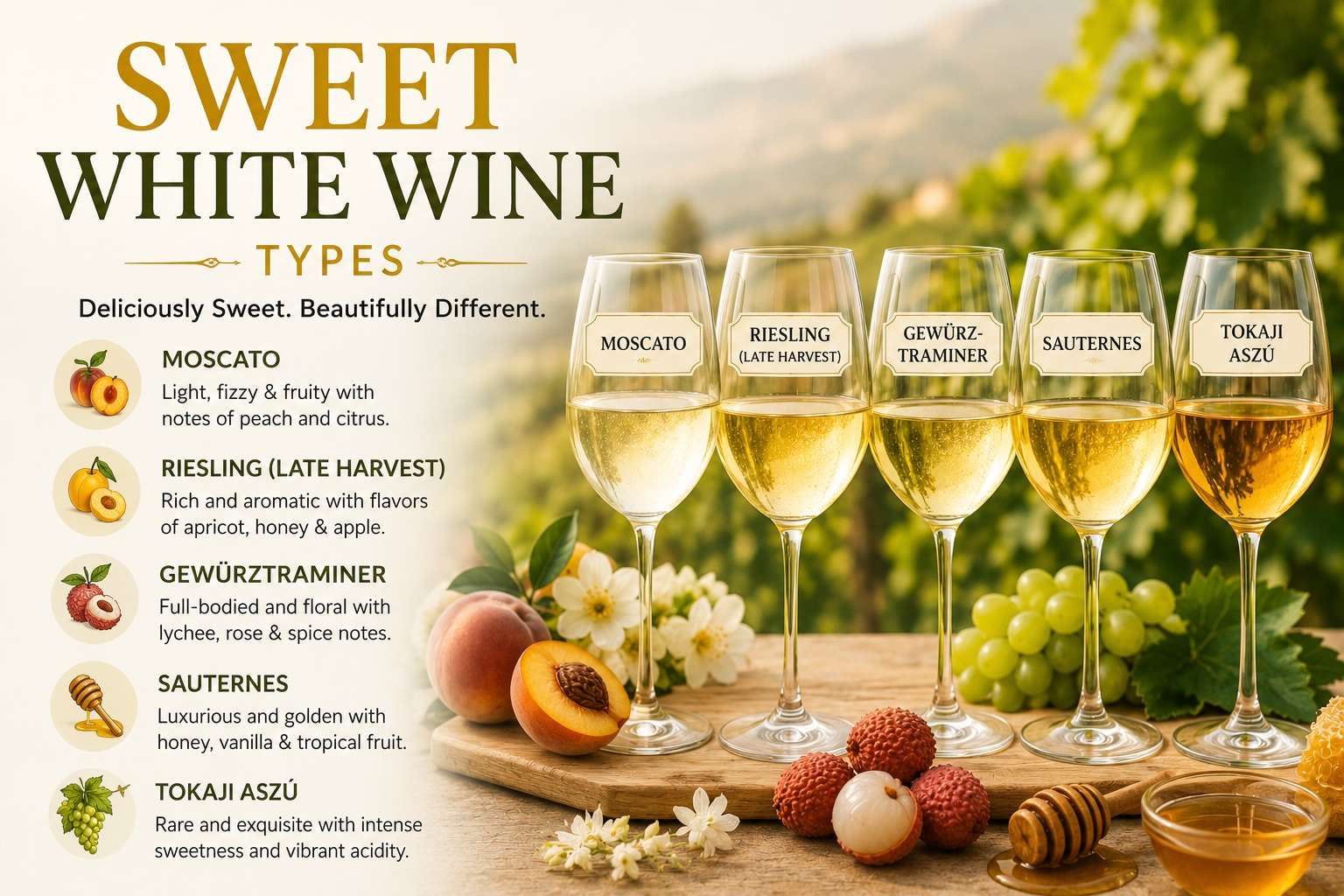
Dessert pairing follows one firm rule: the wine must be sweeter than the food, or it will taste sour and flat. The wine with dessert guide matches fruit tarts, custards, and cakes to Moscato, Sauternes, and late-harvest wines, while wine with chocolate explains why Port and other fortified wines beat dry Cabernet with a dark chocolate bar. If you want to learn the dessert styles themselves, start with dessert wine and Port. Holidays bring big, mixed menus where one bottle has to please everyone. For those meals, lean on versatile, high-acid wines such as Pinot Noir, Beaujolais, dry Riesling, and sparkling wine, and see our guides to Thanksgiving dinner and Christmas dinner. A bottle of bubbly at the start of the meal is never a mistake.
| Food | Best Wine | Why It Works |
|---|---|---|
| Steak and lamb | Cabernet Sauvignon, Syrah, Malbec | Tannin binds with fat and protein |
| Roast chicken and pork | Chardonnay, Pinot Noir, dry Riesling | Medium weight matches medium weight |
| Salmon and tuna | Pinot Noir or dry rosé | Light tannin and acid suit oily fish |
| Shellfish and white fish | Sauvignon Blanc, Muscadet, Albariño | Crisp acid works like a squeeze of lemon |
| Tomato pasta and pizza | Chianti, Barbera, Sangiovese | High acid stands up to tomato |
| Spicy Thai, Indian, Mexican | Off-dry Riesling, Gewürztraminer, rosé | Low alcohol and slight sweetness cool heat |
| Chocolate and dessert | Port, Moscato, Sauternes | Wine must be sweeter than the dessert |
Pair to the strongest flavor on the plate, which is often the sauce, not the protein.
High-acid wines like Pinot Noir, Riesling, and Champagne pair with the widest range of foods.
Dishes and wines from the same region usually pair naturally, like Chianti with Tuscan cooking.
Choose Your Path
Choose the question that interests you and follow the connections to your next useful lesson.
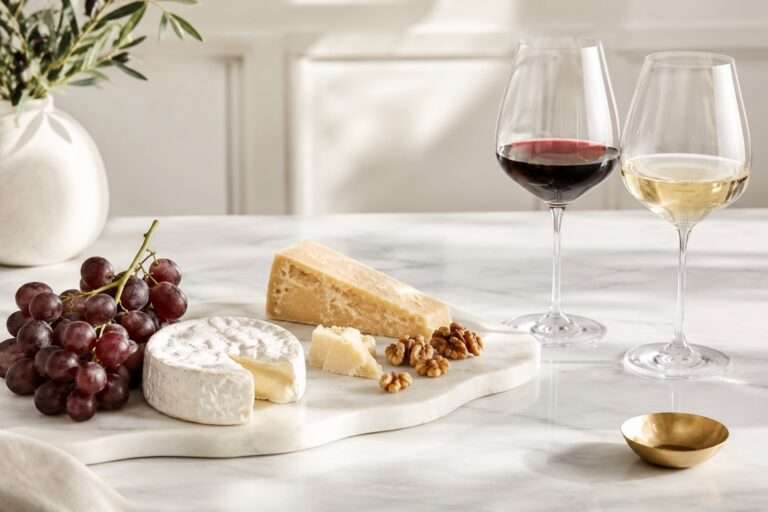
The best wine with cheese depends on the cheese. Fresh goat cheese loves Sauvignon Blanc, creamy Brie loves Champagne or Chardonnay, aged Cheddar suits Cabernet Sauvignon, nutty Parmesan suits Chianti or Lambrusco, and salty blue cheese needs a sweet wine like Port or Sauternes. In general, white and sweet wines pair with more cheeses than dry reds.
Start Learning →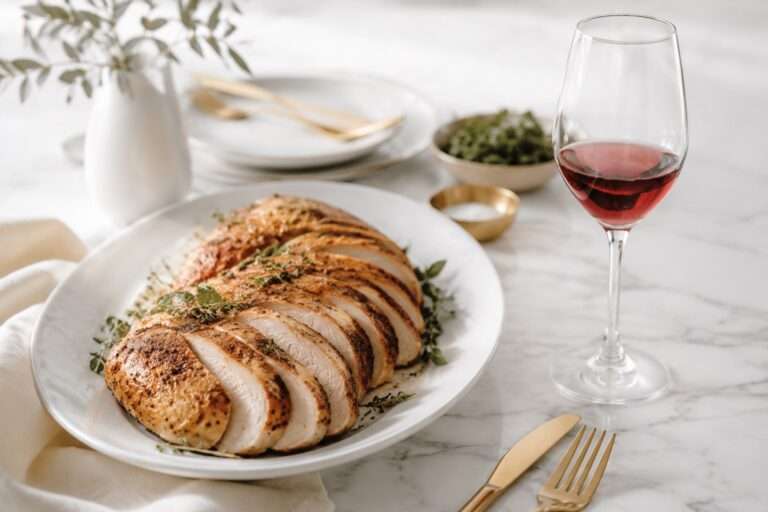
The best wine with chicken is usually Chardonnay or Pinot Noir. Both are medium-bodied with good acidity, matching chicken's mild flavor without overpowering it. Choose by the sauce: creamy or buttery dishes suit oaked Chardonnay, lemon and herbs suit Sauvignon Blanc, mushrooms suit Pinot Noir, and fried chicken loves sparkling wine.
Start Learning →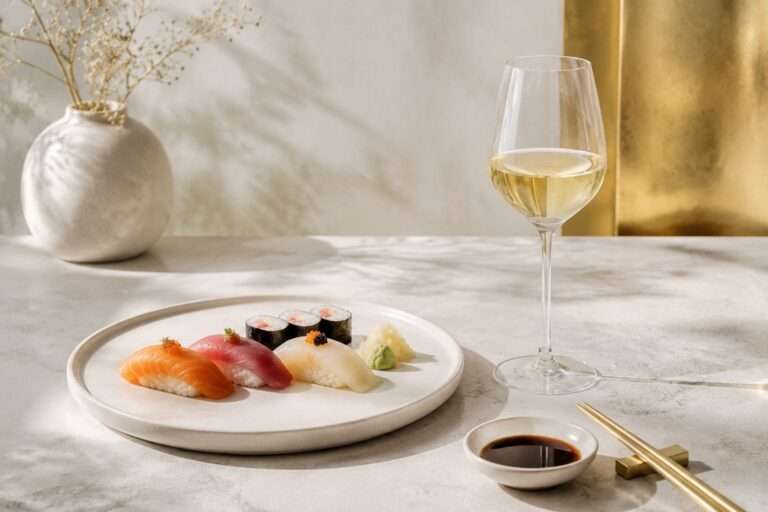
The best wine with Italian food is usually an Italian wine from the same region as the dish. Choose Chianti or Brunello with Tuscan steak and beans, Barolo or Barbera with Piedmont's truffles and braises, Soave or Valpolicella with Venetian risotto, and Nero d'Avola with Sicilian dishes. Italian reds have the high acidity that tomato, olive oil, and cheese need.
Start Learning →The best wine with pasta depends on the sauce. Tomato sauces need high-acid reds like Chianti, Barbera, or Montepulciano d'Abruzzo. Meat sauces suit Sangiovese or Nebbiolo. Creamy sauces like Alfredo pair with Chardonnay, pesto with Vermentino, and seafood pasta with crisp whites like Pinot Grigio or Verdicchio. Match the wine to the sauce, not the noodle.
Start Learning →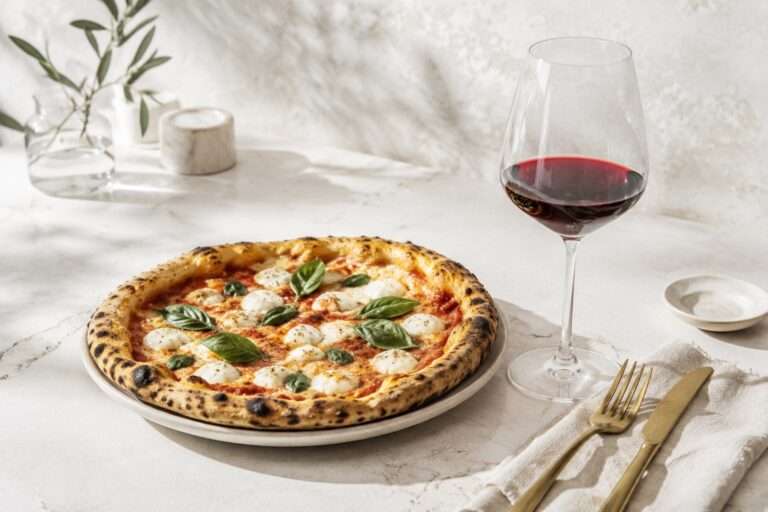
The best wine with pizza is a juicy, high-acid Italian red such as Chianti, Barbera, or Montepulciano d'Abruzzo. Acidity matches the tomato sauce and cuts through melted cheese. Match toppings too: Zinfandel for pepperoni and meat lovers, Pinot Noir for mushroom, sparkling Lambrusco for greasy slices, and crisp whites like Pinot Grigio for white or veggie pizza.
Start Learning →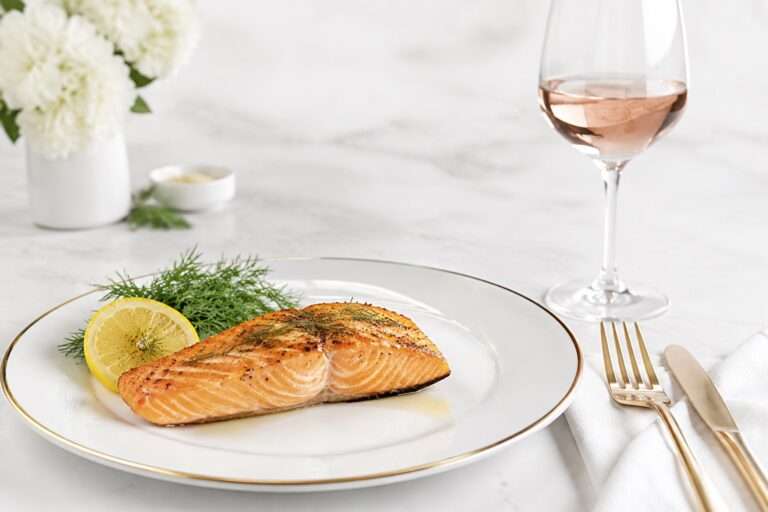
The best wine with salmon is Pinot Noir. Its light tannins, bright acidity, and red-berry fruit match salmon's rich, oily flesh without tasting metallic. Dry rosé and oaked Chardonnay are excellent alternatives. Choose by preparation: Pinot Noir for grilled or cedar-plank salmon, Chardonnay for buttery sauces, and Champagne or dry Riesling for smoked salmon.
Start Learning →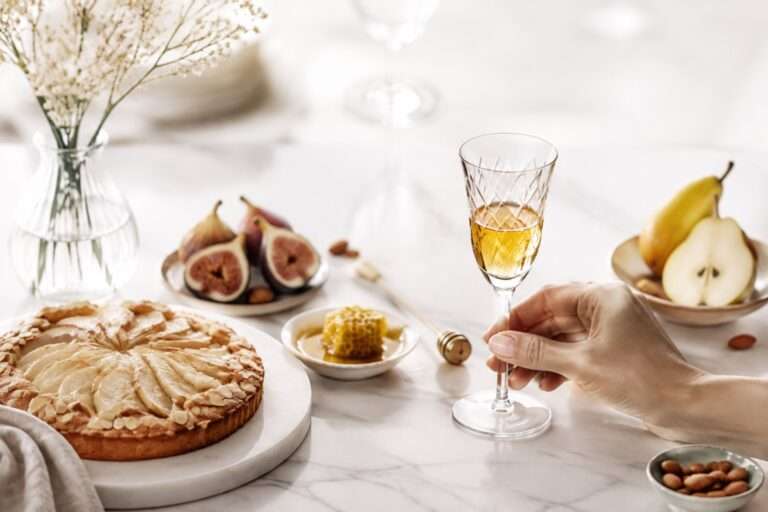
The best wine with seafood is a crisp, high-acid white such as Sauvignon Blanc, Albariño, Muscadet, or Chablis. Acidity works like a squeeze of lemon, brightening briny shellfish and delicate white fish. Go fuller for rich dishes: oaked Chardonnay with lobster or crab in butter, and dry rosé or Pinot Noir with meaty fish like tuna and swordfish.
Start Learning →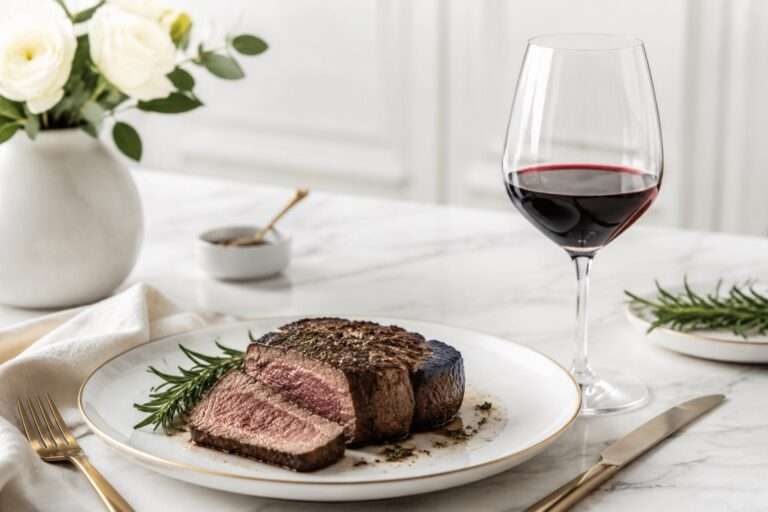
The best wine with steak is a full-bodied red with firm tannins: Cabernet Sauvignon, Malbec, or Syrah. Tannin binds with the meat's fat and protein, so the wine tastes smoother and the steak tastes juicier. Match weight to the cut — big reds for marbled ribeye, silkier Pinot Noir for lean filet mignon.
Start Learning →
The best wine with BBQ is a ripe, fruit-forward red with soft tannin, such as Zinfandel, Syrah or Shiraz, Malbec, or Grenache. Juicy fruit matches sweet, smoky sauces, and moderate tannin handles fatty brisket and ribs. Choose Syrah for Texas brisket, Zinfandel for saucy ribs, off-dry Riesling or rosé for vinegary Carolina pork, and Chardonnay for white-sauce chicken.
Start Learning →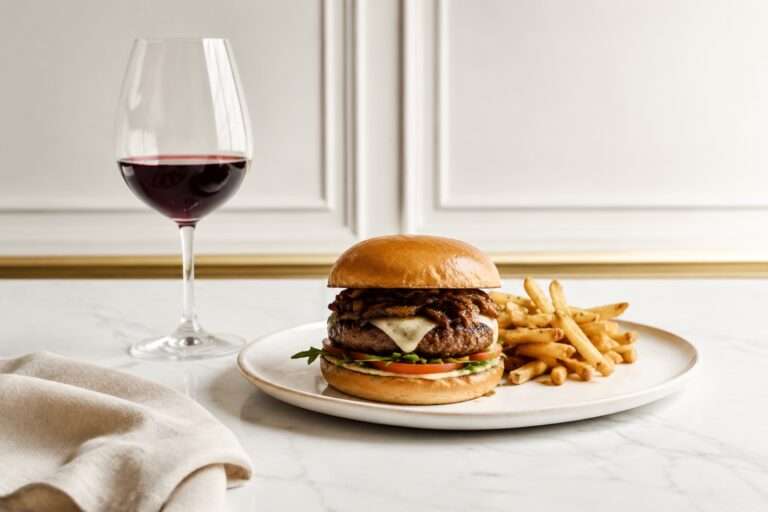
The best wine with burgers is a juicy, fruit-forward red with moderate tannin, such as Zinfandel, Malbec, or Syrah. Ripe fruit matches ketchup and caramelized onions, while tannin cuts the fat in the beef and cheese. Choose Pinot Noir for mushroom Swiss or turkey burgers, rosé for veggie burgers, and off-dry Riesling for spicy jalapeño burgers.
Start Learning →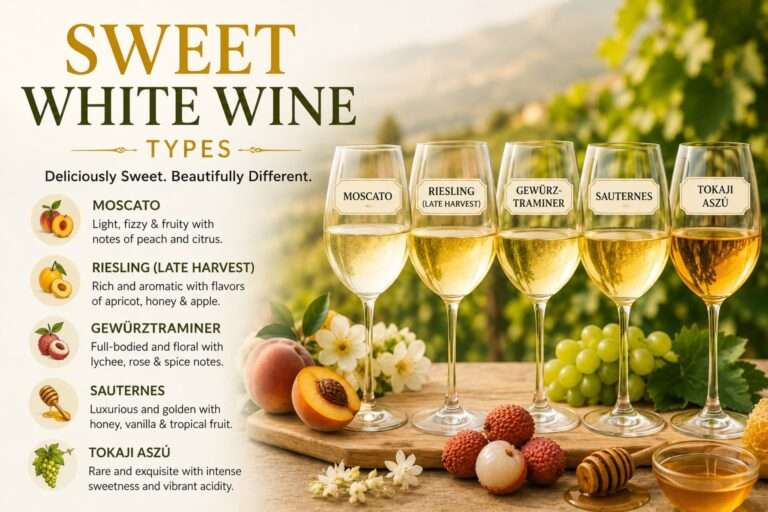
The best wine with charcuterie is a fresh, high-acid wine with low to moderate tannin, such as sparkling Lambrusco, Prosecco, Beaujolais, Chianti, or dry rosé. Acidity and bubbles cut through salt and fat. Pair delicate prosciutto with Prosecco, salami with Chianti or Barbera, spicy chorizo with Garnacha, jamón with fino Sherry, and pâté with Beaujolais.
Start Learning →The best wine with chocolate is a sweet, fortified red such as ruby Port, Banyuls, or Maury, especially with dark chocolate. Milk chocolate pairs with tawny Port or Brachetto d'Acqui, and white chocolate with Moscato d'Asti or ice wine. The rule is simple: the wine must be at least as sweet as the chocolate, or it will taste sour and bitter.
Start Learning →The best wine with Christmas dinner depends on the centerpiece. Choose Cabernet Sauvignon or red Bordeaux for roast beef and prime rib, Pinot Noir for turkey, goose, or duck, off-dry Riesling or rosé for glazed ham, and crisp Italian whites or Champagne for seafood. Open sparkling wine to start and finish with Port or sweet Sherry.
Start Learning →The best wine with dessert is a sweet wine that is at least as sweet as the dessert. Match fruit desserts with Moscato d'Asti or late-harvest Riesling, creamy custards with Sauternes or Tokaji, nutty and caramel desserts with tawny Port or Madeira, and chocolate with ruby Port. Dry wines taste sour and bitter next to sugary sweets.
Start Learning →The best wine with filet mignon is a medium-bodied red with silky tannins, such as Pinot Noir, Merlot, or a Merlot-based Right Bank Bordeaux. Because filet is lean and mild, big tannic reds can overwhelm it. Bolder sauces change things: bacon-wrapped filet or a red-wine reduction can handle Cabernet Sauvignon or Syrah, while béarnaise suits rich Chardonnay.
Start Learning →The best wine with fried chicken is sparkling wine: Champagne, Cava, Crémant, or a dry Prosecco. Bubbles and high acidity cut through the grease and salt, and they reset your palate after every crispy bite. Off-dry Riesling is ideal for spicy or Korean fried chicken, while dry rosé, unoaked Chardonnay, and chilled Gamay are great still-wine picks.
Start Learning →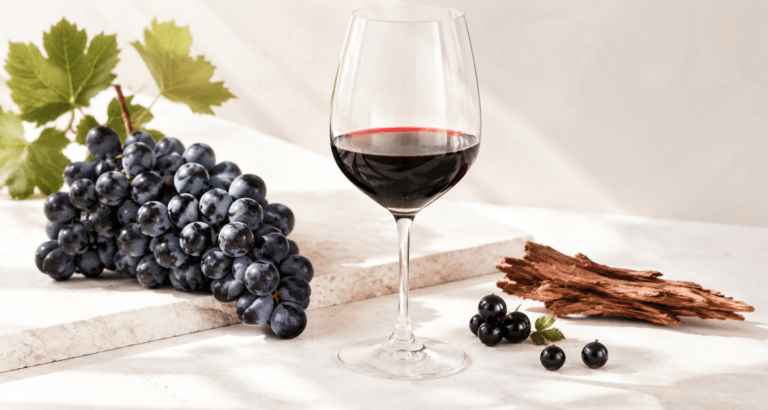
The best wine with lamb is a medium- to full-bodied red with savory, herbal notes, such as Bordeaux or Cabernet Sauvignon, Rioja, or Syrah. Their tannins cut through lamb's fat, and their earthy, herbal flavors match rosemary and garlic. Choose Cabernet for rack of lamb, Rioja for roast leg, Syrah for grilled chops, and Grenache-based Rhône blends for slow-braised shoulder.
Start Learning →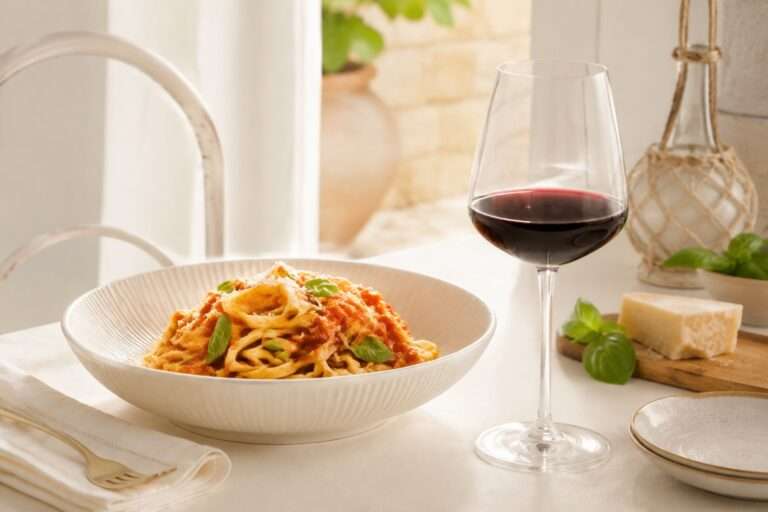
The best wine with lasagna is a medium-bodied Italian red with high acidity, such as Chianti Classico (Sangiovese), Barbera, or Montepulciano d'Abruzzo. Their acidity matches the tomato sauce, and their moderate tannins cut through cheese and meat. For white lasagna with béchamel, chicken, or mushrooms, choose a lightly oaked Chardonnay or Italian Verdicchio instead.
Start Learning →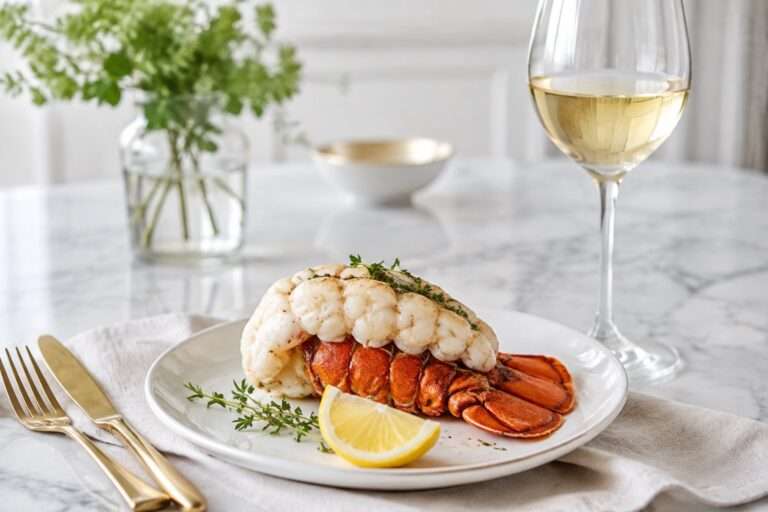
The best wine with lobster is Chardonnay, especially a white Burgundy or a lightly oaked California style. Its creamy body mirrors drawn butter while its acidity keeps the rich meat from feeling heavy. Champagne is a close second, great with lobster rolls and fried lobster. For simply steamed lobster, try Chablis; for spicy tomato sauces, choose a dry rosé.
Start Learning →The best wine with Mexican food is a fresh, fruity wine with good acidity and moderate alcohol. Choose Sauvignon Blanc or Albariño for ceviche and green salsas, dry rosé for many mixed dishes, Tempranillo or Grenache for red enchiladas and chiles rellenos, Zinfandel for mole, and off-dry Riesling for very spicy food. Avoid tannic, oaky, high-alcohol reds.
Start Learning →The best wine with pork is Pinot Noir for most dishes, with dry or off-dry Riesling and Chenin Blanc as excellent white options. Pork's mild, slightly sweet meat suits medium-bodied, fruity wines with good acidity. Choose Pinot Noir for tenderloin, Chardonnay for creamy chops, Riesling for pork with apples, and Zinfandel for pulled pork or barbecue.
Start Learning →The best wine with prime rib is a full-bodied red with firm tannins, especially Cabernet Sauvignon or a Bordeaux blend. The tannins bind with the roast's rich marbling, making both wine and beef taste smoother. Syrah, Rioja Gran Reserva, and Barolo are excellent alternatives. For a softer match with medium-rare slices and au jus, try Merlot.
Start Learning →The best wine with ribs is a ripe, fruit-forward red with moderate tannins, such as Zinfandel, Shiraz, or Malbec. Jammy fruit matches sweet barbecue sauce, while spice and smoke notes echo the rub and the grill. For braised beef short ribs, choose Cabernet Sauvignon or Syrah. For spicy or Asian-glazed ribs, an off-dry Riesling or dry rosé works best.
Start Learning →The best wine with scallops is a crisp, unoaked or lightly oaked white. Chablis and other Chardonnays match seared scallops' sweet, caramelized crust, while Albariño, Muscadet, and Sancerre suit raw or citrusy preparations. For brown butter or cream sauces, choose a richer white Burgundy. Bacon-wrapped scallops can even handle a light, chilled Pinot Noir.
Start Learning →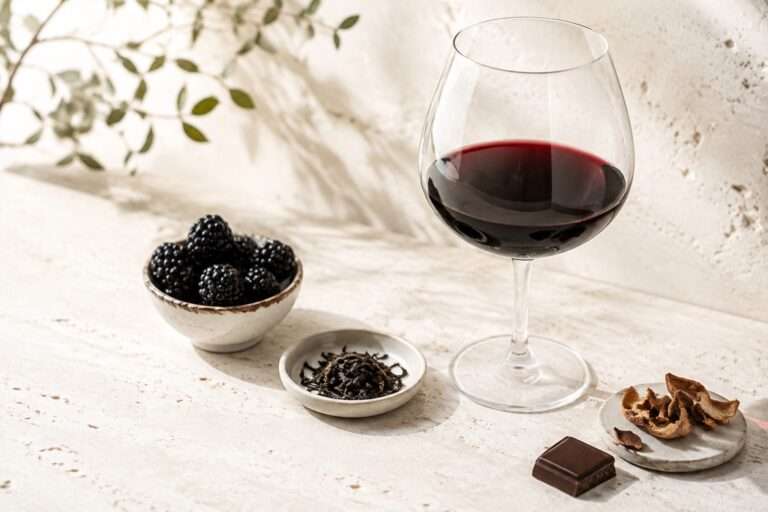
The best wine with spicy food is a low-alcohol white with a touch of sweetness and bright acidity, such as off-dry Riesling, Gewürztraminer, Chenin Blanc, or Moscato d'Asti. Sweetness soothes chile heat, and low alcohol keeps the burn from growing. For red, choose a fruity, low-tannin style like Gamay or Pinot Noir, served slightly chilled. Avoid tannic, high-alcohol reds.
Start Learning →The best wine with sushi is a crisp, dry or off-dry white with high acidity and no oak, such as dry Riesling, Grüner Veltliner, Albariño, or Muscadet. Dry sparkling wine like Champagne is excellent with almost every piece. Choose dry rosé or a light Pinot Noir for tuna and salmon, and off-dry Riesling for spicy rolls or eel with sweet sauce.
Start Learning →The best wine with tacos depends on the filling. Fish and shrimp tacos pair with crisp Sauvignon Blanc or Albariño, carnitas with dry rosé or Grenache, al pastor with off-dry Riesling, and carne asada or barbacoa with Malbec, Tempranillo, or Zinfandel. Choose wines with bright acidity and moderate alcohol to handle lime, salsa, and chile heat.
Start Learning →The best wine with Thanksgiving dinner is a fresh, fruity, low-tannin wine that flatters many dishes at once: Pinot Noir, Beaujolais (Gamay), or Zinfandel for red; off-dry Riesling or Chardonnay for white. Their bright acidity handles cranberry sauce and gravy, while soft tannins keep lean turkey from tasting dry. Add sparkling wine for appetizers and toasts.
Start Learning →The best wine with turkey is a fresh, fruity, medium-bodied wine with good acidity, such as Pinot Noir, Cru Beaujolais, or dry Riesling. These suit both white and dark meat and stand up to cranberry sauce, stuffing, and gravy without clashing. Zinfandel works for smoked turkey, Chardonnay for buttery roasts, and sparkling wine for fried turkey and appetizers.
Start Learning →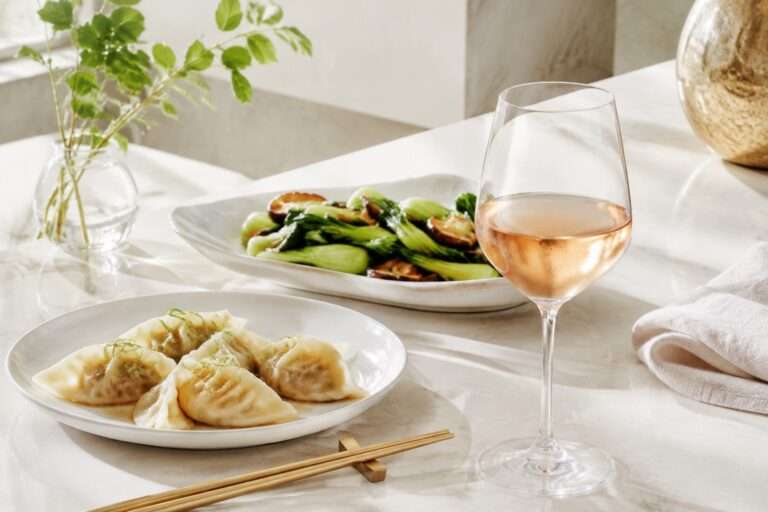
The best wine with appetizers is sparkling wine, such as Champagne, Cava, or Prosecco. Its acidity and bubbles suit salty, fried, and cheesy bites alike. For a mixed spread, add a crisp Sauvignon Blanc for dips and seafood, a dry rosé for nearly everything, and a light red like Pinot Noir or Gamay for meaty snacks and cheese.
Start Learning →The best wine with blue cheese is a sweet wine such as Sauternes, Port, or late-harvest Riesling. Sweetness balances the cheese's sharp saltiness, much like honey on a cheese board. Classic matches include Roquefort with Sauternes, Stilton with vintage or tawny Port, and Gorgonzola with Moscato or Amarone. For dry options, choose a fruity Zinfandel or off-dry Riesling.
Start Learning →The best wine with brie is Champagne or another dry sparkling wine. Bubbles and high acidity cut through the rich, creamy paste and refresh your palate. Unoaked or lightly oaked Chardonnay is the best still white, and a light, low-tannin red such as Pinot Noir or Beaujolais suits brie's earthy rind. For baked brie with jam or honey, choose an off-dry Riesling.
Start Learning →
The best wine with brunch is sparkling wine. Dry Champagne, Cava, or Prosecco cuts through eggs, hollandaise, and bacon, and works for mimosas too. Dry rosé pairs with smoked salmon and savory dishes, Moscato d'Asti suits pancakes and French toast, and light reds like Beaujolais go well with sausage. Choose lower-alcohol wines for a daytime meal.
Start Learning →The best wine with cheesecake is a sweet white with high acidity, such as late-harvest Riesling, Sauternes, or Tokaji. Acidity cuts the rich cream cheese, and sweetness matches the dessert. Pair strawberry cheesecake with Brachetto or sweet sparkling rosé, chocolate cheesecake with ruby Port, and pumpkin or caramel cheesecake with tawny Port or Madeira.
Start Learning →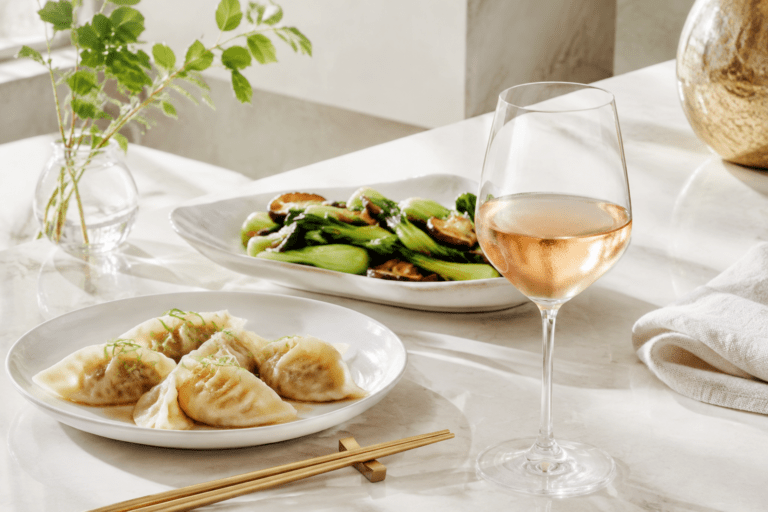
The best wine with Chinese food is an aromatic white with bright acidity and a hint of sweetness, such as off-dry Riesling or Gewürztraminer. These handle sweet sauces, soy, and chili heat at once. Pinot Noir is the go-to red, especially with Peking duck and char siu. Sparkling wine is excellent with dim sum and fried dishes.
Start Learning →The best wine with crab is a white with bright acidity and some richness: Chardonnay, especially Chablis or lightly oaked styles, is the classic match for crab legs dipped in butter. Choose Sauvignon Blanc or Champagne for crab cakes, Oregon Pinot Gris for Dungeness crab, and an off-dry Riesling for spicy crab boils or chili crab.
Start Learning →The best wine with crème brûlée is a sweet, golden dessert wine with bright acidity, such as Sauternes, Tokaji Aszú, or late-harvest Riesling. Their honey, apricot, and vanilla notes echo the custard, while acidity cuts its richness. For a caramel match, try tawny Port. Lighter Moscato d'Asti suits fruit-flavored versions, and ice wine is a luxurious choice.
Start Learning →The best wine with curry is usually an aromatic, off-dry white with low alcohol, such as Riesling, Gewürztraminer, or Pinot Gris. A touch of sweetness cools chili heat, and aromatic flavors match the spices. Creamy, mild curries like korma suit Viognier or Chenin Blanc. Meaty curries like rogan josh can take a fruity, low-tannin red such as Grenache or Zinfandel.
Start Learning →The best wine with duck is Pinot Noir. Its bright acidity cuts through duck's rich fat, its cherry fruit acts like a fruit sauce, and its gentle tannins suit the tender meat. Red Burgundy and Oregon Pinot are classics. Duck confit and cassoulet can handle bolder Southwest French reds like Madiran or Cahors, while duck à l'orange pairs well with off-dry Riesling.
Start Learning →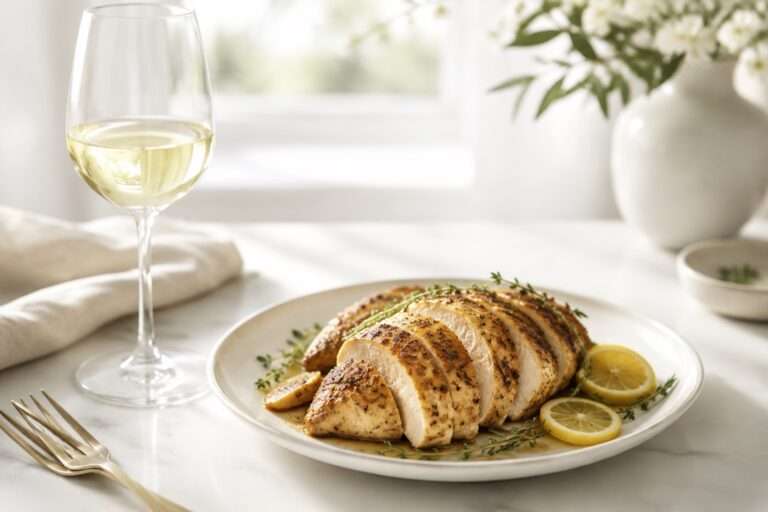
The best wine with Easter dinner depends on the main dish. For glazed ham, pour off-dry Riesling, dry rosé, or Pinot Noir; their fruit and acidity balance salt and sweetness. For roast lamb, choose Rioja, Bordeaux, or Syrah. Sauvignon Blanc and Grüner Veltliner handle spring vegetables like asparagus, and sparkling wine suits appetizers and brunch.
Start Learning →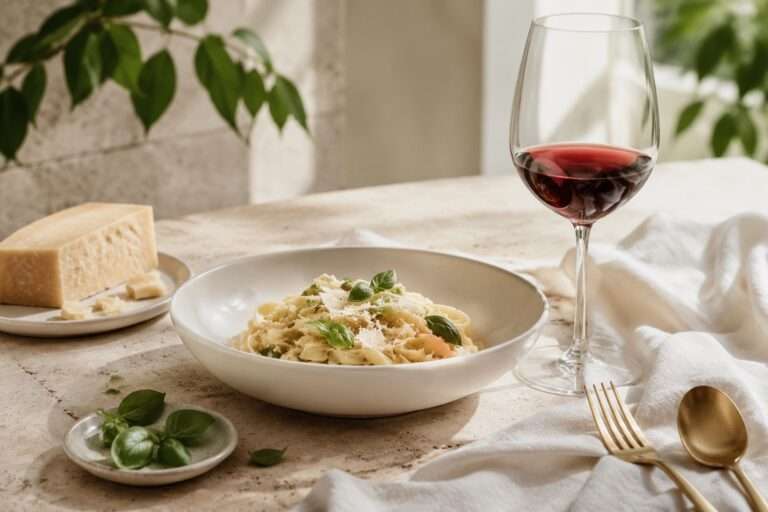
The best wine with goat cheese is Sauvignon Blanc, especially Sancerre from France's Loire Valley. Its high acidity matches the cheese's tang, and its citrus and herbal notes echo the flavor. For aged goat cheese, try Loire Chenin Blanc. Dry rosé suits goat cheese salads, and a light red Sancerre or Pinot Noir works with warm, baked goat cheese.
Start Learning →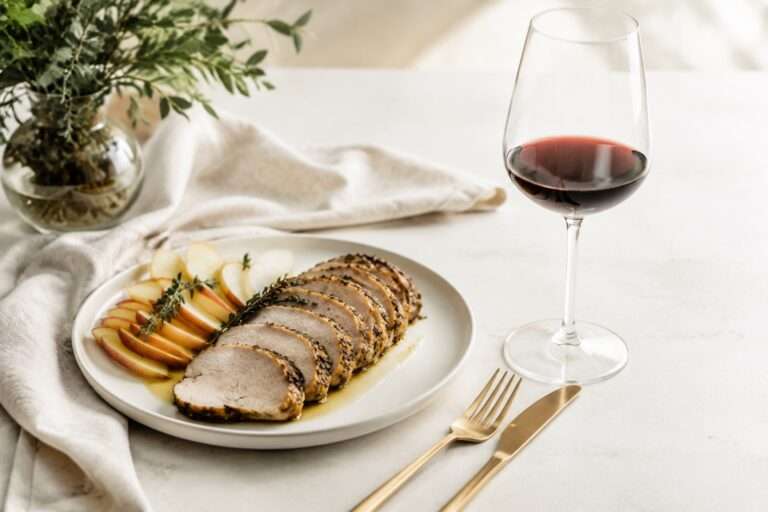
The best wine with halibut is a crisp, elegant white such as Chablis, white Burgundy, Sancerre, or Albariño. Halibut is lean and mild, so it needs fresh acidity, not heavy oak. Choose a rounder Chardonnay for halibut in butter or beurre blanc, Sauvignon Blanc for herb and citrus preparations, and a light Pinot Noir when the fish is served with mushrooms.
Start Learning →The best wine with ham is a fruity wine with bright acidity and a touch of sweetness, such as off-dry Riesling, Chenin Blanc, or dry rosé. Sweetness in the wine matches the glaze, and acidity balances the salt. For red, choose a light, low-tannin style like Pinot Noir, Beaujolais, or Zinfandel. Avoid tannic reds, which turn bitter with salty ham.
Start Learning →The best wine with Indian food is an aromatic white with fruit and a touch of sweetness, such as off-dry Riesling or Gewürztraminer, which soothes chili heat and echoes warm spices. Viognier and lightly oaked Chardonnay suit creamy dishes like butter chicken and korma. For tandoori and lamb curries, choose dry rosé or a soft, fruity red like Grenache or Pinot Noir.
Start Learning →The best wine with meatballs in tomato sauce is a high-acid Italian red such as Chianti, Montepulciano d'Abruzzo, or Barbera, because its acidity matches the tomatoes. Swedish meatballs in cream gravy pair with Pinot Noir or Beaujolais. Spanish albóndigas suit Rioja, and sweet Asian-style or cocktail meatballs work with off-dry Riesling or Zinfandel.
Start Learning →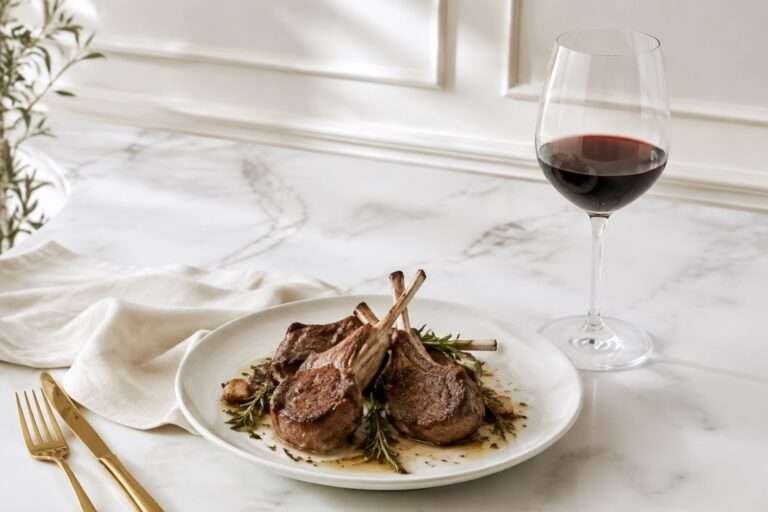
The best wine with mushroom dishes is Pinot Noir. Its earthy, forest-floor notes echo the mushrooms, and its silky tannins suit their savory umami. Nebbiolo from Barolo is the classic match for truffles, while creamy mushroom sauces and soups pair well with oaked Chardonnay or dry Amontillado Sherry. Meaty grilled portobellos can handle Syrah or Merlot.
Start Learning →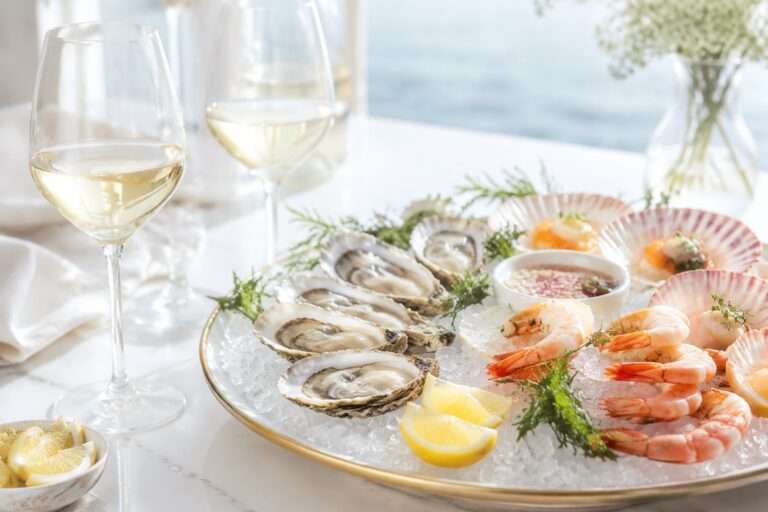
The best wine with oysters is a bone-dry, high-acid white with a mineral, salty edge. Muscadet from the Loire Valley and Chablis are the classics, and Brut Champagne is a close favorite. Picpoul de Pinet, Albariño, and Sancerre also shine with raw oysters. For cooked oysters, such as fried or Rockefeller, choose sparkling wine or a fuller Chardonnay.
Start Learning →The best wine with paella is a Spanish wine matched to the ingredients. Seafood paella pairs with crisp Albariño or Verdejo. Traditional Valencian paella with chicken and rabbit suits a light Garnacha or young Tempranillo. Mixed paella works best with a dry Spanish rosado, which bridges seafood and meat. Cava is a festive choice that works with almost every version.
Start Learning →The best wine with Parmesan is an Italian red with bright acidity, such as Lambrusco, Chianti Classico, or Barbera. Parmesan's salt and savory umami soften tannins and bring out fruit. Young Parmigiano-Reggiano loves sparkling Lambrusco or Franciacorta, while long-aged wedges can handle Nebbiolo, Barolo, or Amarone. Dry sparkling wine and amontillado sherry are excellent alternatives.
Start Learning →The best wine with prosciutto is a crisp, light wine with bright acidity, ideally sparkling. Prosecco, Lambrusco, and Franciacorta cut through the fat and balance the salt. For still wines, choose Pinot Grigio, Vermentino, or a light red like Pinot Noir or Dolcetto. Prosciutto and melon pairs beautifully with Moscato d'Asti or an off-dry Riesling.
Start Learning →The best wine with risotto depends on its main ingredient. Mushroom risotto pairs with Pinot Noir, Barbera, or oaked Chardonnay. Saffron risotto Milanese suits a rich Italian white like Soave. Seafood risotto calls for crisp Vermentino or Verdicchio, and spring vegetable risotto loves Sauvignon Blanc. Truffle risotto deserves Nebbiolo. Every version needs good acidity to cut the butter and Parmesan.
Start Learning →The best wine with salads is a crisp, high-acid, unoaked white such as Sauvignon Blanc, Grüner Veltliner, or Albariño. Their acidity matches vinaigrettes so the wine does not taste flat. Choose Chablis or unoaked Chardonnay for creamy Caesar salad, dry Provence rosé for Niçoise, Assyrtiko for Greek salad, and a light Pinot Noir for steak or duck salads.
Start Learning →The best wine with sausage is a fruity, medium-bodied red with good acidity, such as Barbera, Zinfandel, or Côtes du Rhône. Acidity cuts the fat and salt. Match the region too: Italian sausage with Sangiovese, bratwurst with dry Riesling or Zweigelt, Spanish chorizo with Tempranillo, spicy andouille with off-dry Riesling, and lamb merguez with Syrah or Grenache.
Start Learning →The best wine with shrimp is a crisp, unoaked white such as Albariño, Sauvignon Blanc, or Picpoul. Their bright acidity acts like a squeeze of lemon and lifts the shellfish's natural sweetness. Choose a lightly oaked Chardonnay for buttery shrimp scampi, an off-dry Riesling for spicy Cajun or Thai shrimp, and Cava or Prosecco for fried shrimp.
Start Learning →The best wine with strawberries is a lightly sweet, fruity wine such as Moscato d'Asti, Brachetto d'Acqui, or a demi-sec sparkling rosé. The wine should be at least as sweet as the berries, or it will taste sour. Pair chocolate-dipped strawberries with ruby Port or Brachetto, and strawberry salads with balsamic with a dry rosé or Pinot Noir.
Start Learning →The best wine with Thai food is an aromatic, high-acid white with a touch of sweetness, such as off-dry Riesling or Gewürztraminer. Sweetness cools chili heat, and acidity matches lime and fish sauce. Zesty Sauvignon Blanc suits green papaya salad and herby dishes. For red, choose a light, low-tannin Pinot Noir or Gamay, especially with duck or beef curries.
Start Learning →The best wine with tiramisu is a sweet, nutty dessert wine such as sweet Marsala, Vin Santo, or tawny Port. Their caramel and nut flavors complement espresso and cocoa, and their sweetness matches the mascarpone cream. For a richer coffee match, try Pedro Ximénez sherry. For a lighter, fresher contrast, Moscato d'Asti works beautifully.
Start Learning →The best wine with tuna depends on how it is cooked. Seared or grilled ahi tuna pairs beautifully with Pinot Noir or a dry rosé, because its meaty texture can handle light red wine. Raw tuna in sushi or poke suits crisp dry Riesling, Grüner Veltliner, or Champagne. A tuna Niçoise salad calls for Provence rosé, and a tuna sandwich loves Sauvignon Blanc.
Start Learning →The best wine with vegetarian dishes depends on the main flavor. Choose Sauvignon Blanc or Grüner Veltliner for green vegetables and herbs, Chardonnay for creamy or roasted dishes, Pinot Noir for mushrooms and lentils, and Barbera or Sangiovese for tomato sauces. Hearty bean chili and veggie burgers can handle Zinfandel or Malbec. Soft tannins usually work better than very firm ones.
Start Learning →The best wine with venison is a savory, medium- to full-bodied red with bright acidity and moderate tannin. Northern Rhône Syrah is the classic match, with peppery, smoky notes that suit game. Pinot Noir is ideal for seared venison loin, Nebbiolo or aged Rioja for roasts, and Zinfandel for venison burgers or chili. Avoid very tannic young Cabernet with lean cuts.
Start Learning →Learn Your Taste
Answer a few simple questions and discover styles that fit your palate.
Take the Wine QuizMatch weight first, so light food gets light wine and rich food gets fuller wine. Then make sure the wine is as acidic as the food, as sweet as any dessert, and low in tannin and alcohol if the dish is spicy.
No. It is a useful starting point, not a law. Salmon and tuna pair beautifully with Pinot Noir, and roast chicken or pork can go either way. Sauce, cooking method, and weight matter more than color.
Dry sparkling wine, dry rosé, Pinot Noir, and dry Riesling are the most versatile. All four have bright acidity and moderate weight, so they rarely clash with a dish and work well for mixed menus.
A complementary pairing matches similar flavors, like buttery Chardonnay with lobster in butter. A contrasting pairing balances opposites, like salty blue cheese with sweet Sauternes or fried food with tart sparkling wine. Both approaches can work well.
Artichokes, asparagus, raw egg yolk, and very vinegary dressings make many wines taste odd or metallic. Very spicy food clashes with high-alcohol, tannic reds. Crisp whites like Sauvignon Blanc or Grüner Veltliner handle tricky vegetables best.
No. A well-matched inexpensive wine beats a costly bottle served with the wrong food. Côtes du Rhône, Chilean Cabernet, Spanish Garnacha, Portuguese Vinho Verde, and many Italian reds pair beautifully and often cost under $20.