Let It Warm Slightly
Serve white Burgundy at 50–55°F, not ice cold, so its texture comes through.

Understand Wine. Enjoy Every Glass.
Wine Pairings
Halibut is mild, firm, and clean-tasting, so it lets a good white wine shine. Here is how to match the bottle to the way you cook it.
Start Learning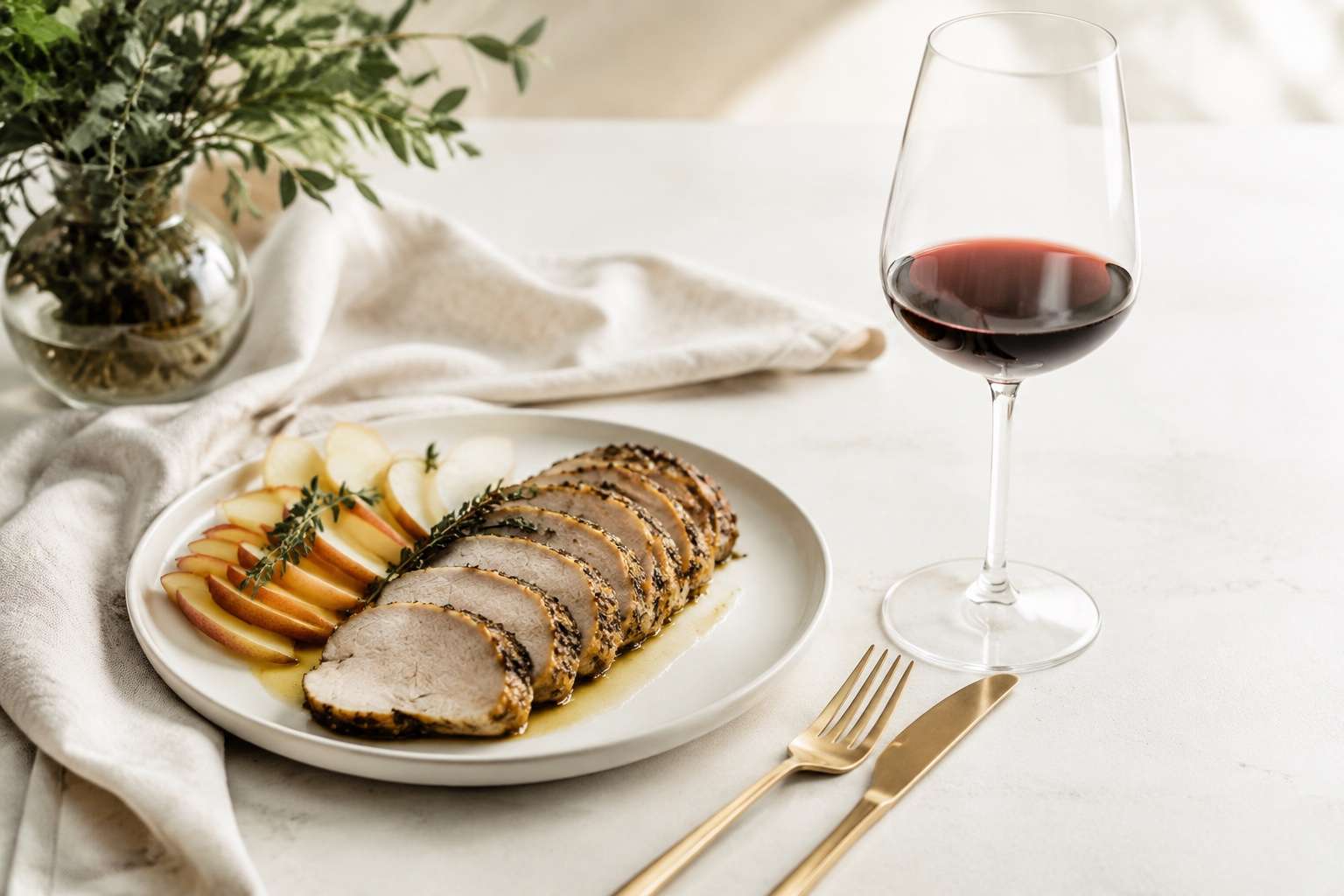
Halibut is a lean, firm, white-fleshed fish with a sweet, mild taste. It has much less oil than salmon or tuna, so it is easily overwhelmed. That makes picking a wine with halibut a lesson in restraint. You want a white with lively acidity to brighten the fish, gentle fruit that does not shout, and a clean finish. Think lemon, green apple, and wet stone rather than tropical fruit and toasty oak. Because halibut is so mild, the sauce and cooking method usually drive the decision. A simply roasted fillet with lemon wants a crisp, mineral white. Add butter or cream, and you need more body. Add mushrooms or a red wine sauce, and a delicate red can step in. Heavy tannic reds are the one thing to avoid in every case.
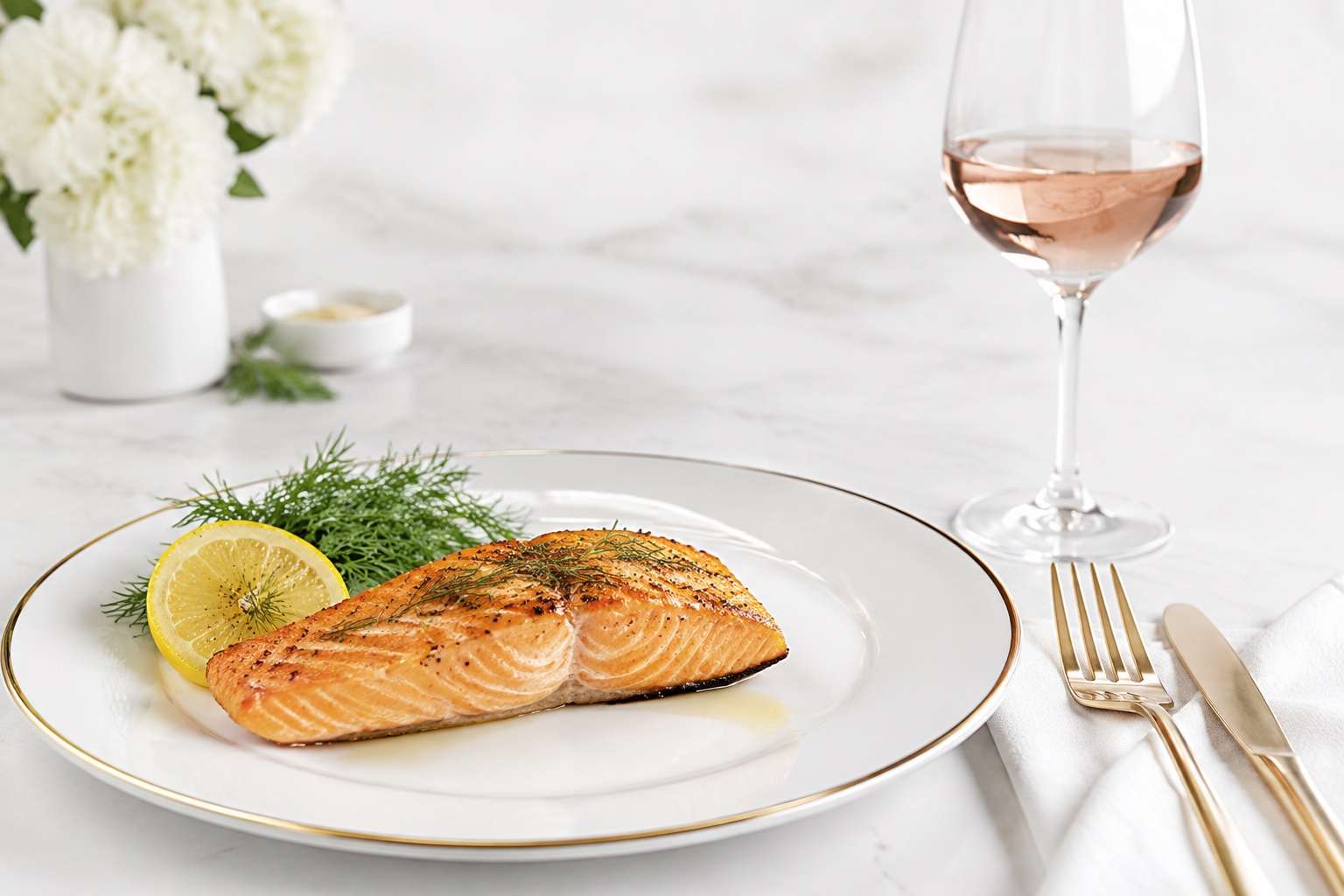
Pan-roasted or baked halibut with lemon is perfect with Chablis, whose crisp, flinty Chardonnay mirrors the fish’s clean flavor. Halibut with beurre blanc or brown butter needs more weight; a white Burgundy such as Meursault, or a lightly oaked Sonoma Chardonnay, matches the sauce. Grilled halibut with herbs loves Sancerre or another Loire Sauvignon Blanc, whose grassy notes echo the parsley and dill. Halibut tacos with slaw and lime suit Albariño or Grüner Veltliner. Fish and chips, often made with halibut in the Pacific Northwest, pair best with sparkling wine or Muscadet. Halibut with tomatoes, olives, and capers leans Mediterranean, so try Vermentino or a Provence rosé. Halibut with mushrooms works with a light Pinot Noir.
Start with the sauce. Lemon, capers, and herbs keep the pairing light and zesty: Sauvignon Blanc, Albariño, or Muscadet. Butter, cream, and hollandaise call for a fuller white with some texture, such as Chardonnay, Chenin Blanc from Vouvray, or a white Rhône blend. A miso or soy glaze adds salt and sweetness; an off-dry Riesling or dry rosé handles both. Pesto and salsa verde are green and garlicky, which suits Vermentino or Sauvignon Blanc. A coconut curry with halibut needs an aromatic white like Pinot Gris or Gewürztraminer. Sides count too. Asparagus is notoriously tricky with wine, but Sauvignon Blanc and Grüner Veltliner handle its green flavor. Creamy risotto or mashed potatoes beside the fish let you reach for a richer Chardonnay. Roasted spring vegetables suit dry rosé.
A pale, dry rosé is a great summer choice for grilled halibut, especially with tomato salsas, olives, or a Niçoise-style spread. It is crisp enough for the fish and fruity enough for bolder sides. Sparkling wine works whenever halibut is fried, crusted, or served as an appetizer like ceviche or halibut cakes. Champagne, Crémant, and Cava all bring the acidity and bubbles to cut through crunch and oil. Red wine is possible but needs care. Choose a light, low-tannin Pinot Noir from Burgundy or Oregon, chill it slightly, and serve it with an earthy preparation such as halibut with wild mushrooms, lentils, or a light red wine reduction. Without those earthy bridges, even a delicate red can overwhelm the fish.
Skip big, tannic reds like Cabernet Sauvignon, Syrah, and Malbec; they flatten halibut and can taste metallic with fish. Heavily oaked, buttery Chardonnay is a common mistake with simply cooked halibut. Its vanilla and toast take over, and the fish tastes like nothing. Very aromatic, perfumed whites such as Muscat can also crowd out halibut’s delicate flavor unless the dish is spiced. High-alcohol whites feel heavy and hot next to such a light fish. And sweet wines throw off savory preparations. If you are standing in the wine shop unsure, a bottle labeled Chablis, Sancerre, or Albariño is a safe, elegant choice.
Serve crisp whites like Sauvignon Blanc and Albariño at 45–50°F. Let fuller Chardonnay and white Burgundy warm a little, to about 50–55°F, so their texture and aromas open up. A standard white wine glass with a slightly wider bowl helps Chardonnay show its best; see our wine glass guide. For value, look for Petit Chablis, Mâcon-Villages, Touraine Sauvignon Blanc, and Muscadet, which often cost well under $20 and suit halibut beautifully. Splurge on premier cru Chablis or Meursault for halibut in beurre blanc. For more ideas with white fish and shellfish, browse our wine with seafood guide.
| Halibut Recipe | Best Wine | Why It Works |
|---|---|---|
| Pan-roasted with lemon | Chablis | Crisp, mineral Chardonnay suits lean, mild fish |
| Beurre blanc or brown butter | White Burgundy or lightly oaked Chardonnay | Body and texture match the sauce |
| Grilled with herbs | Sancerre or Sauvignon Blanc | Grassy notes echo parsley and dill |
| Halibut tacos | Albariño or Grüner Veltliner | Zesty acid pairs with lime and slaw |
| Fish and chips | Sparkling wine or Muscadet | Bubbles and acid cut through batter |
| With mushrooms | Light Pinot Noir | Earthy notes bridge fish and red wine |
Serve white Burgundy at 50–55°F, not ice cold, so its texture comes through.
Choose unoaked or lightly oaked whites; heavy oak hides halibut's delicate flavor.
A splash of the same white in the pan sauce ties the dish to your glass.
Learn Your Taste
Answer a few simple questions and discover styles that fit your palate.
Take the Wine QuizChablis and Sancerre are top choices. Both are crisp, elegant, and mineral, so they highlight halibut's mild sweetness. Albariño and unoaked Chardonnay are excellent, widely available alternatives.
Yes, with care. A light, low-tannin Pinot Noir works when halibut is served with mushrooms, lentils, or a red wine sauce. Serve it slightly chilled and avoid bold reds like Cabernet Sauvignon.
A fuller Chardonnay, such as white Burgundy or a lightly oaked California style. Its creamy texture matches beurre blanc or brown butter, while its acidity keeps the dish from feeling heavy.
It works for simple dishes. Italian Pinot Grigio is light and lemony, which suits baked halibut with herbs. For richer sauces, step up to Chardonnay or Chenin Blanc, which have more body.
Sauvignon Blanc or a dry rosé. Grilling adds smoky notes, and these crisp wines pair well with char, herbs, and citrus. Albariño is another good choice with a squeeze of lemon.
Sparkling wine or Muscadet. Bubbles and high acidity cut through the crisp batter and refresh the palate. Champagne, Cava, and Crémant all work, and Muscadet is a budget-friendly still option.