Chill Your Fino
Serve Fino and Manzanilla cold, around 45–50°F, and finish the bottle within a week.

Understand Wine. Enjoy Every Glass.
Wine Comparisons
Port and Sherry are both fortified wines from the Iberian Peninsula, and both get lumped into after-dinner drinks. In reality, they are almost opposites in the glass.
Start Learning
Both are fortified wines, meaning a neutral grape spirit is added to raise the alcohol. The timing of that addition is what separates them. To make Port, winemakers add spirit partway through fermentation. The alcohol stops the yeast, so a good amount of natural grape sugar stays in the wine. The result is sweet, rich, and usually around 19 to 20 percent alcohol. Sherry is fermented completely dry first, then fortified afterward, so there is no leftover sugar unless sweet wine is blended in later. That is why most Sherry styles are dry. Sherry is also aged in a solera, a system of stacked barrels where small amounts of younger wine refresh older wine over many years, so most Sherry carries no vintage date. Port has vintage and non-vintage styles.
Port tastes like ripe blackberry, plum, black cherry, and chocolate, with warmth from the spirit and a velvety, sweet finish. Ruby Port is fresh and fruity; Tawny Port, aged longer in wood, turns amber and tastes of caramel, toasted nuts, dried fig, and orange peel. Sherry covers a much wider range. Fino and Manzanilla are pale, bone-dry, and light, around 15 percent alcohol, with salty, almond, green apple, and bready notes from a layer of yeast called flor that protects the wine from air. Amontillado starts under flor, then ages with oxygen, gaining hazelnut and toffee notes while staying dry. Oloroso ages without flor and is dark, nutty, and full yet still dry. At the sweet end, Pedro Ximénez is syrupy, tasting of raisins, figs, and molasses, and Cream Sherry is a sweetened blend.
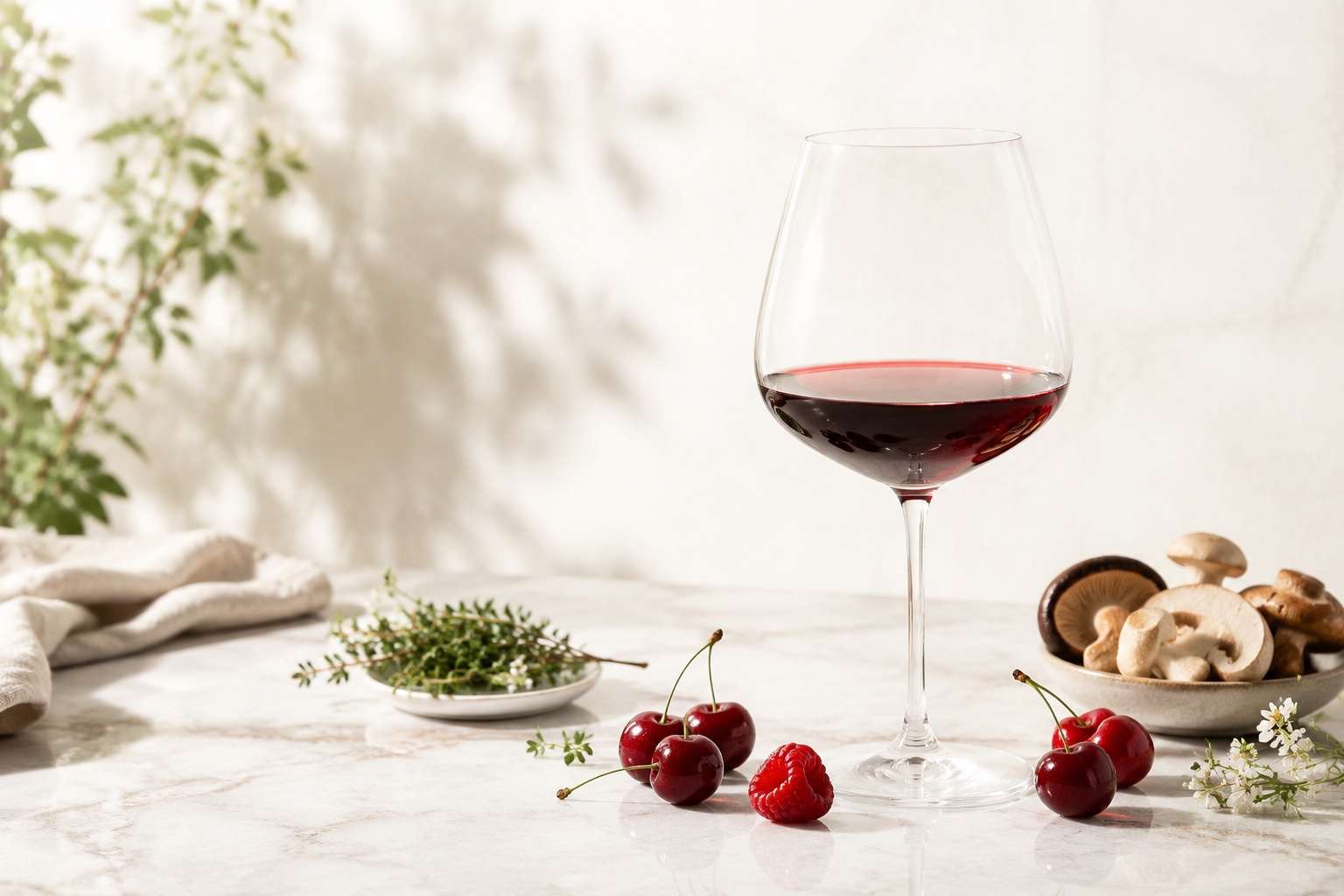
Port comes from the Douro Valley in northern Portugal, where vines cling to steep terraced slopes of schist above the river. Many red grapes are allowed, led by Touriga Nacional, Touriga Franca, and Tinta Roriz, which is the local name for Tempranillo. The young wine was traditionally shipped downriver to cellars in Vila Nova de Gaia, across from the city of Porto, for aging. Sherry comes from a triangle of towns in Andalusia in southern Spain: Jerez de la Frontera, Sanlúcar de Barrameda, and El Puerto de Santa María. The main grape is the white Palomino, grown on bright white chalky soil called albariza. Pedro Ximénez and Moscatel grapes are used for sweet styles. Manzanilla can only be aged in seaside Sanlúcar, where sea air helps give it a salty tang.
Port is mainly a dessert and cheese wine. Ruby and Vintage Port are classic with dark chocolate, chocolate cake, and berry desserts, and Port with Stilton is one of the most famous pairings in wine; see our guide to wine with blue cheese. Tawny Port shines with crème brûlée, pecan pie, roasted nuts, and caramel desserts. Dry Sherry, on the other hand, is one of the great food wines for the start of a meal. Chilled Fino or Manzanilla is perfect with salted almonds, olives, jamón, fried fish, shrimp, and even sushi. Amontillado handles mushroom dishes, consommé, and aged Manchego. Oloroso stands up to stews, roasted meats, and hard cheeses. Sweet Pedro Ximénez is delicious poured over vanilla ice cream, which may be the easiest dessert you ever make.
Serve Fino and Manzanilla well chilled, around 45 to 50°F, like a crisp white wine. Amontillado and Oloroso taste best lightly cool, around 55 to 60°F. Port is best slightly below room temperature, about 60 to 65°F; Tawny can go a little cooler. Use a small wine glass, not a tiny cordial glass, so aromas can gather. Once opened, Fino and Manzanilla fade quickly and should be refrigerated and finished within about a week. Ruby Port keeps a couple of weeks, while Tawny and Oloroso, already exposed to oxygen during aging, hold up for several weeks. On price, both offer excellent value. Good Fino, Manzanilla, and Ruby Port often cost under $20, while aged Tawny, old Amontillado, and Vintage Port are worth the splurge. For more storage tips, see how long wine lasts once opened.
Choose Port when you want a sweet, rich finish to dinner, something to sip with chocolate or a cheese board, or a cozy glass on a cold night. Start with a Ruby or Late Bottled Vintage Port for bold fruit, or a 10-year-old Tawny for nutty caramel. Choose Sherry when you want a bone-dry, savory aperitif to wake up your appetite, or a wine for salty tapas and seafood. A chilled Manzanilla with almonds is a great first taste. If you have a sweet tooth but want to explore Sherry, try a Pedro Ximénez over ice cream or a Cream Sherry with fruit tart. Curious about other fortified classics? Our comparisons of Tawny vs Ruby Port and Port vs Madeira go deeper.
| Attribute | Port | Sherry |
|---|---|---|
| Origin | Douro Valley, northern Portugal | Jerez area, Andalusia, southern Spain |
| Main grapes | Red: Touriga Nacional, Touriga Franca, Tinta Roriz | White: Palomino; Pedro Ximénez for sweet styles |
| When fortified | During fermentation, keeping natural sugar | After fermentation, so the base wine is dry |
| Sweetness | Usually sweet | Mostly dry; PX and Cream are sweet |
| Key styles | Ruby, Tawny, LBV, Vintage | Fino, Manzanilla, Amontillado, Oloroso, PX |
| Classic pairing | Chocolate, Stilton, nut desserts | Almonds, olives, jamón, fried seafood |
Serve Fino and Manzanilla cold, around 45–50°F, and finish the bottle within a week.
Serve Port around 60–65°F. A warm glass makes the alcohol feel hot and heavy.
Drizzle sweet Pedro Ximénez Sherry over vanilla ice cream for an instant dessert.
Learn Your Taste
Answer a few simple questions and discover styles that fit your palate.
Take the Wine QuizUsually no. Most Sherry, including Fino, Manzanilla, Amontillado, and Oloroso, is dry. Port is almost always sweet. The exceptions are sweet Sherries like Pedro Ximénez and Cream Sherry, which can be even sweeter than Port.
Mostly. Port is usually made from red grapes, though White Port and rosé Port exist. Sherry comes mainly from the white Palomino grape, though aged styles like Oloroso turn amber or brown from oxidation in barrel.
Port typically has more, around 19 to 20 percent. Fino and Manzanilla Sherry are lighter, around 15 percent, while Oloroso usually lands around 17 to 20 percent. Both are stronger than regular table wine, so pour smaller servings.
Yes. Ruby Port makes rich pan sauces and reductions for steak, duck, and figs. Dry Sherry adds nutty depth to soups, mushroom dishes, and stir-fries. Use a drinkable bottle rather than salted cooking sherry.
Ruby Port stays fresh for about two weeks after opening if you recork it and keep it cool. Tawny Port, which has already been aged with oxygen, often lasts a month or more.
Fino ages under a layer of flor yeast that shields it from air, so it stays pale, light, and tangy. Oloroso ages without flor, oxidizing into a dark, nutty, fuller wine. Both are dry.