Pick Wine Sweeter Than the Chocolate
Always pick a wine at least as sweet as the chocolate, or it tastes sour.

Understand Wine. Enjoy Every Glass.
Wine Pairings
Wine and chocolate sound like a dream, but many pairings end up bitter or sour. Choose a wine that is sweeter than the chocolate, and the magic happens.
Start Learning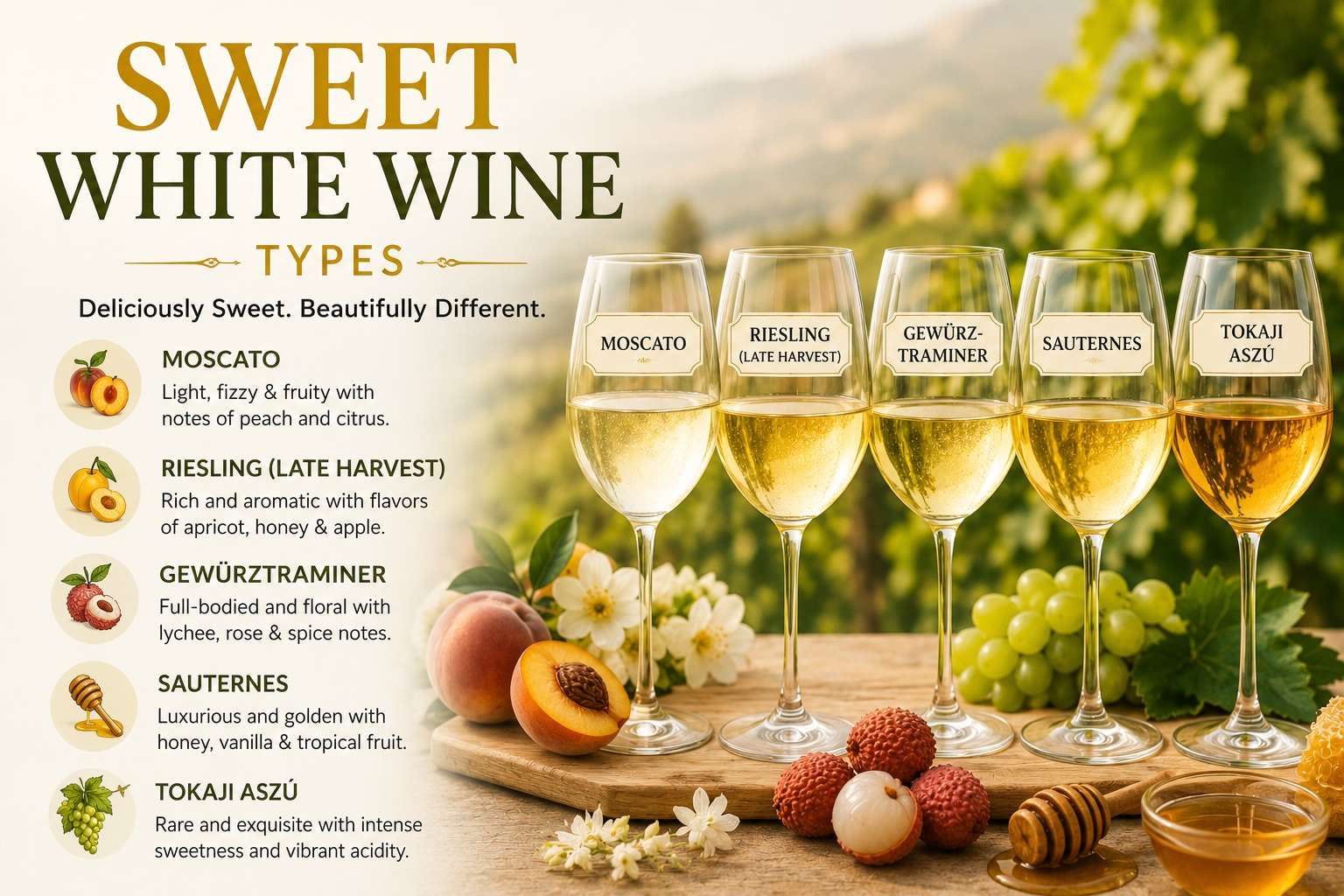
Chocolate is one of the hardest foods to pair. It is sweet, rich, and often bitter, and it coats your mouth with cocoa butter. When you sip a dry wine with chocolate, the sugar makes the wine taste sour and thin, while the cocoa’s bitterness adds to the wine’s tannin, so the finish turns harsh and chalky. That is why a dry Cabernet Sauvignon with a chocolate truffle is often a letdown, despite how romantic it sounds. The fix is sweetness. A wine that is as sweet as the chocolate, or sweeter, balances the sugar, and its ripe fruit flavors blend with the cocoa instead of fighting it. Fortified wines are especially good because their fuller body and higher alcohol stand up to dense chocolate. Learn more about the styles on our dessert wine and sweet wine pages.
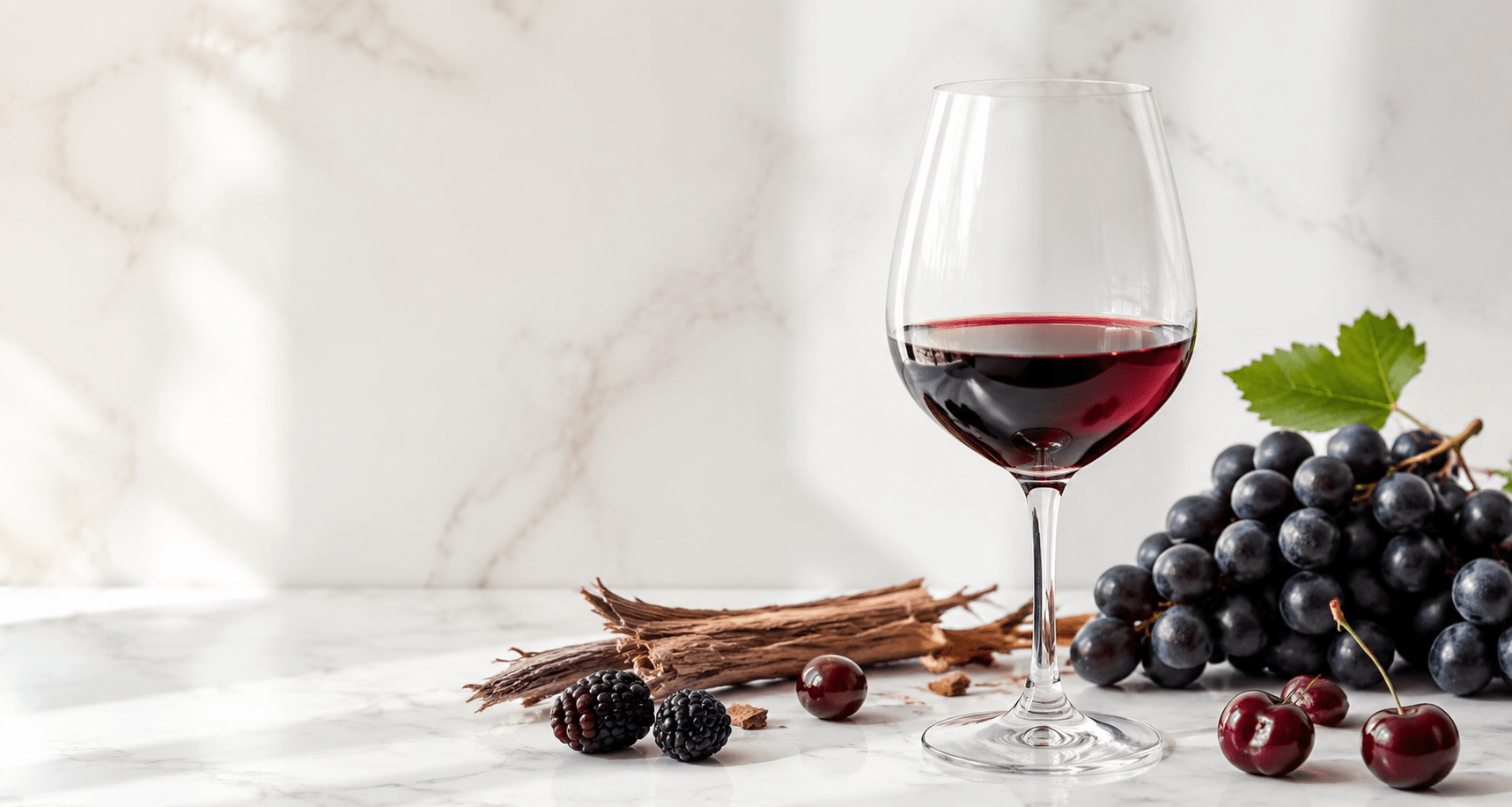
Dark chocolate, around 60 to 80 percent cocoa, is less sweet and more bitter, so it needs a rich, fruity, sweet red. Ruby or Late Bottled Vintage Port is the classic choice, with dark berry and plum flavors that taste like chocolate-covered fruit. Banyuls and Maury, fortified Grenache wines from southern France, are equally delicious. Milk chocolate is sweeter and creamier, so it pairs best with tawny Port, whose nutty, caramel notes echo the milk, or with sparkling red Brachetto d’Acqui from Piedmont. Ruby Port works here too. White chocolate has no cocoa solids, just cocoa butter, sugar, and milk, so a lighter, fresher sweet wine works best: Moscato d’Asti, late-harvest Riesling, or ice wine, whose bright acidity cuts the richness. Our tawny vs ruby Port guide explains the difference.
Chocolate desserts bring extra flavors to match. Flourless chocolate cake and rich brownies are dense and intense, a job for ruby Port, Banyuls, or Pedro Ximénez Sherry, which tastes of raisins and molasses. Chocolate mousse is lighter and airy, so try Brachetto d’Acqui or a sweet sparkling red. Chocolate with raspberries or cherries loves red dessert wines that echo the fruit, such as Banyuls or ruby Port. Salted caramel chocolates and toffee shine with tawny Port or a sweet Madeira such as Malmsey, whose nutty, toasty notes match the caramel. Chocolate-covered strawberries are wonderful with Brachetto or a sweet rosé sparkling wine. Chocolate with nuts, like hazelnut pralines, flatters tawny Port and sweet cream Sherry. Mint chocolate is tough on wine; skip pairing it or go with a neutral sparkling wine. See our wine with dessert guide for non-chocolate sweets.
Sometimes. If you want to drink a dry red, choose carefully. Pick a very dark, high-cocoa chocolate, around 70 percent or more, so the sugar level is low. Then choose a ripe, fruit-forward red with soft tannin and plenty of jammy flavor. Ripe Zinfandel from California, Australian Shiraz, and plush Merlot can work, because their sweet-tasting fruit and higher alcohol help bridge the gap. Some Zinfandel and Shiraz have notes of mocha and spice that echo the chocolate. Avoid lean, high-acid reds such as Chianti, and very tannic, young Cabernet Sauvignon or Nebbiolo, which turn bitter. Taste the wine first, then the chocolate, then the wine again; if the wine suddenly tastes sour, switch to something sweeter. A chocolate with a pinch of sea salt or chile can also make dry reds feel smoother.
Dry Champagne and brut sparkling wine are often served with chocolate, but they usually clash, because the sweetness makes dry bubbles taste tart. If you want bubbles, look for sweeter labels: demi-sec Champagne, Asti Spumante, sparkling Moscato, or Brachetto d’Acqui. Their sweetness matches the chocolate and their fizz refreshes the palate. Learn the sweetness terms in our sparkling wine guide. For whites, sweetness and acidity are your friends. Late-harvest Riesling and Gewürztraminer, Hungarian Tokaji, and Sauternes all handle white chocolate, chocolate with orange, or chocolate desserts with tropical fruit. Their honeyed, apricot flavors blend beautifully with creamy sweets. Dry whites, however, are almost always a mismatch with chocolate. A dry Sauvignon Blanc with a milk chocolate bar will taste sharp and sour.
Serve ruby Port and Banyuls slightly cool, around 60–64°F, and tawny Port a bit cooler, about 55–60°F, which keeps the alcohol in check. Chill Moscato d’Asti, Brachetto, and ice wine to 40–50°F. Pour small servings of about 2 to 3 ounces, since dessert wines are rich and fortified wines are higher in alcohol. Let chocolate come to room temperature so it melts on your tongue and releases full flavor. For a tasting, start with white chocolate and move to milk, then dark, matching each with a wine. Value is easy to find. Ruby Port and LBV Port are affordable and keep for weeks after opening; our how long does wine last opened guide has details. Moscato d’Asti and Brachetto are inexpensive, and half bottles of Banyuls or late-harvest wines make a splurge manageable.
| Chocolate | Best Wine | Why It Works |
|---|---|---|
| Dark chocolate (60–80%) | Ruby Port, Banyuls, or Maury | Rich, sweet fruit balances bitter cocoa |
| Milk chocolate | Tawny Port or Brachetto d'Acqui | Caramel or berry notes match creamy sweetness |
| White chocolate | Moscato d'Asti or ice wine | Bright acid cuts cocoa butter and sugar |
| Chocolate cake or brownies | Pedro Ximénez Sherry or ruby Port | Dense sweetness matches dense dessert |
| Salted caramel chocolate | Tawny Port or Malmsey Madeira | Nutty, toasty notes echo caramel |
| Chocolate-covered strawberries | Brachetto or sweet sparkling rosé | Red fruit and bubbles mirror the berries |
Always pick a wine at least as sweet as the chocolate, or it tastes sour.
If you want a dry red, choose 70% or darker chocolate and a jammy Zinfandel.
Two to three ounces of Ruby Port or Banyuls is plenty alongside a few squares of chocolate.
Learn Your Taste
Answer a few simple questions and discover styles that fit your palate.
Take the Wine QuizSweet red wines do, especially ruby Port, Banyuls, and Brachetto d'Acqui. Most dry reds clash, because chocolate's sweetness makes them taste sour. A ripe, jammy Zinfandel or Shiraz can work with very dark chocolate.
Ruby Port is the classic match. Its sweet, dark berry fruit balances dark chocolate's bitterness. Banyuls, Maury, Late Bottled Vintage Port, and Pedro Ximénez Sherry are also excellent choices.
Tawny Port is a top choice, with nutty, caramel flavors that echo the milk and sugar. Brachetto d'Acqui, a sweet sparkling red, and ruby Port are also great with milk chocolate bars and truffles.
Moscato d'Asti is a lovely match, light and fizzy with peach and orange-blossom notes. Late-harvest Riesling, ice wine, and Sauternes also work, since their acidity cuts through creamy white chocolate.
Dry Champagne usually does not, because chocolate makes it taste tart and thin. Choose a sweeter sparkling wine instead, such as demi-sec Champagne, Asti Spumante, or Brachetto d'Acqui.
Usually not well. Cabernet's firm tannins combine with cocoa's bitterness and taste harsh. If you try it, choose a ripe, fruity Cabernet and a very dark chocolate, around 70 percent cocoa or higher.