Chill Tawny Slightly
Serve tawny port around 55°F; it tastes fresher and less boozy.

Understand Wine. Enjoy Every Glass.
Wine Types
Port is Portugal's famous sweet, fortified wine. Learn how it is made, how ruby, tawny, and vintage styles differ, and how to serve and pair it like a pro.
Start Learning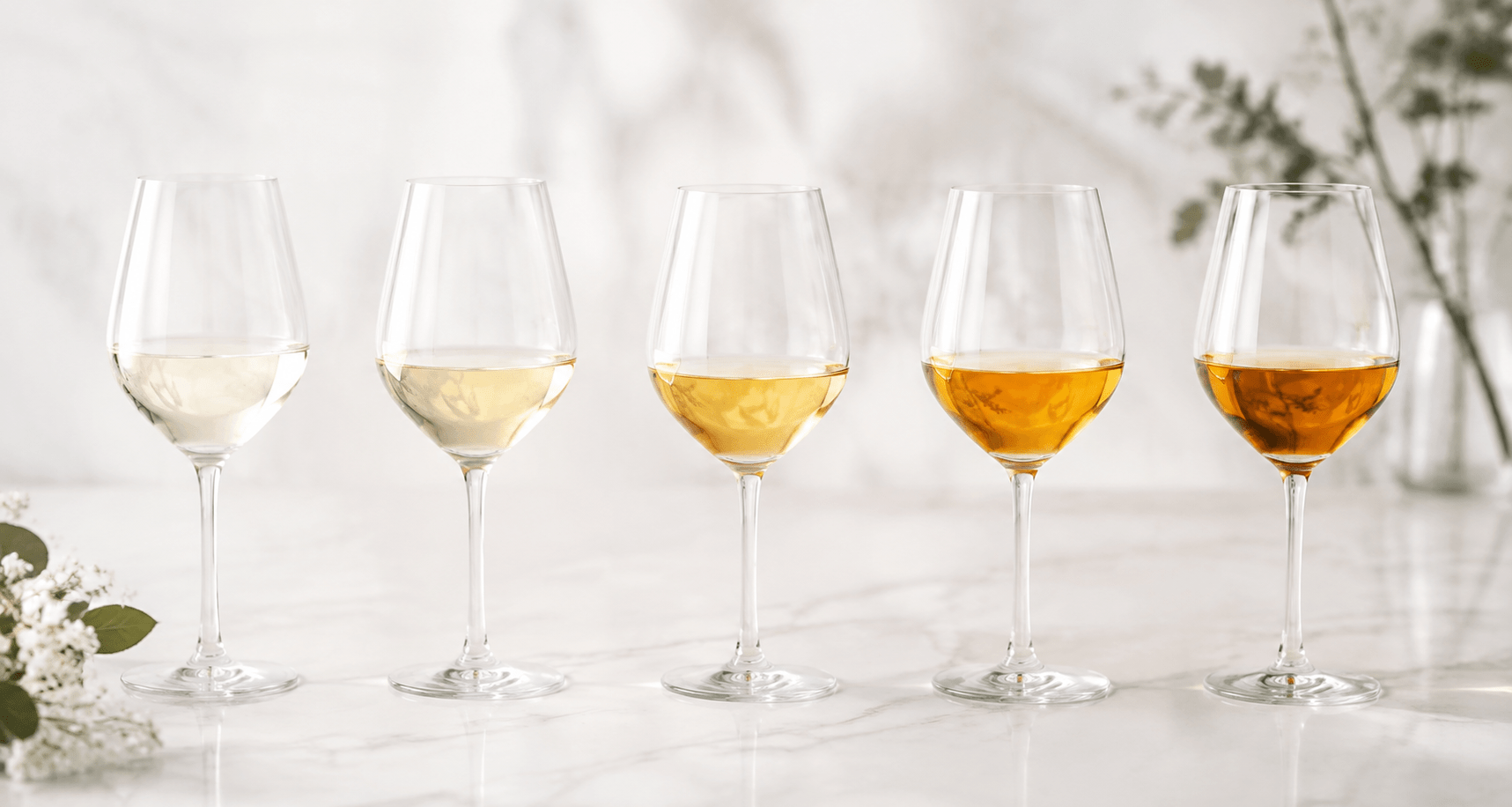
Port is a fortified wine from the Douro Valley in northern Portugal, one of the oldest protected wine regions in the world. True port can only come from there, although similar styles are made elsewhere. Most port is red and sweet, with rich flavors of blackberry, plum, raisin, and chocolate. It is typically around 19–20% alcohol, so it is served in smaller glasses than table wine. Port is made from a blend of native grapes, led by Touriga Nacional, Touriga Franca, Tinta Barroca, Tinto Cão, and Tinta Roriz, which is the local name for Tempranillo. Traditionally, young port was shipped downriver to the city of Vila Nova de Gaia, across from Porto, to age in cellars, which is how port wine got its name.
Port grapes grow on steep terraces of schist, a flaky rock, in the hot, dry Douro. After harvest, grapes are crushed, sometimes still by foot in shallow stone tanks called lagares. Extraction has to be fast and intense because fermentation is cut short. After only two or three days, when about half the sugar has turned to alcohol, the winemaker adds a clear grape spirit called aguardente. The alcohol jumps, the yeast stops working, and the remaining natural sugar stays in the wine. That is what makes port sweet without any added sugar. The young wine then ages either in large vats and bottles to keep its fresh fruit, or in smaller oak barrels where slow oxidation creates tawny styles. Learn how this fits with other styles in our fortified wine guide.

Ruby port is the simplest, aged a few years in large vats to keep its deep color and fresh blackberry and cherry flavors. Reserve ruby is richer. Late Bottled Vintage (LBV) comes from a single year and ages four to six years before bottling, giving vintage-style depth at a gentler price. Vintage port is made only in the best years, bottled young, and built to age for decades; it needs decanting. Tawny port ages in small barrels, turning amber and developing caramel, fig, and walnut flavors. Tawnies labeled 10, 20, 30, or 40 years old show an average style of age, with older ones more complex. Colheita is a single-vintage tawny. White port ranges from dry to sweet, and pink port is fruity and modern. See tawny vs. ruby port for more.
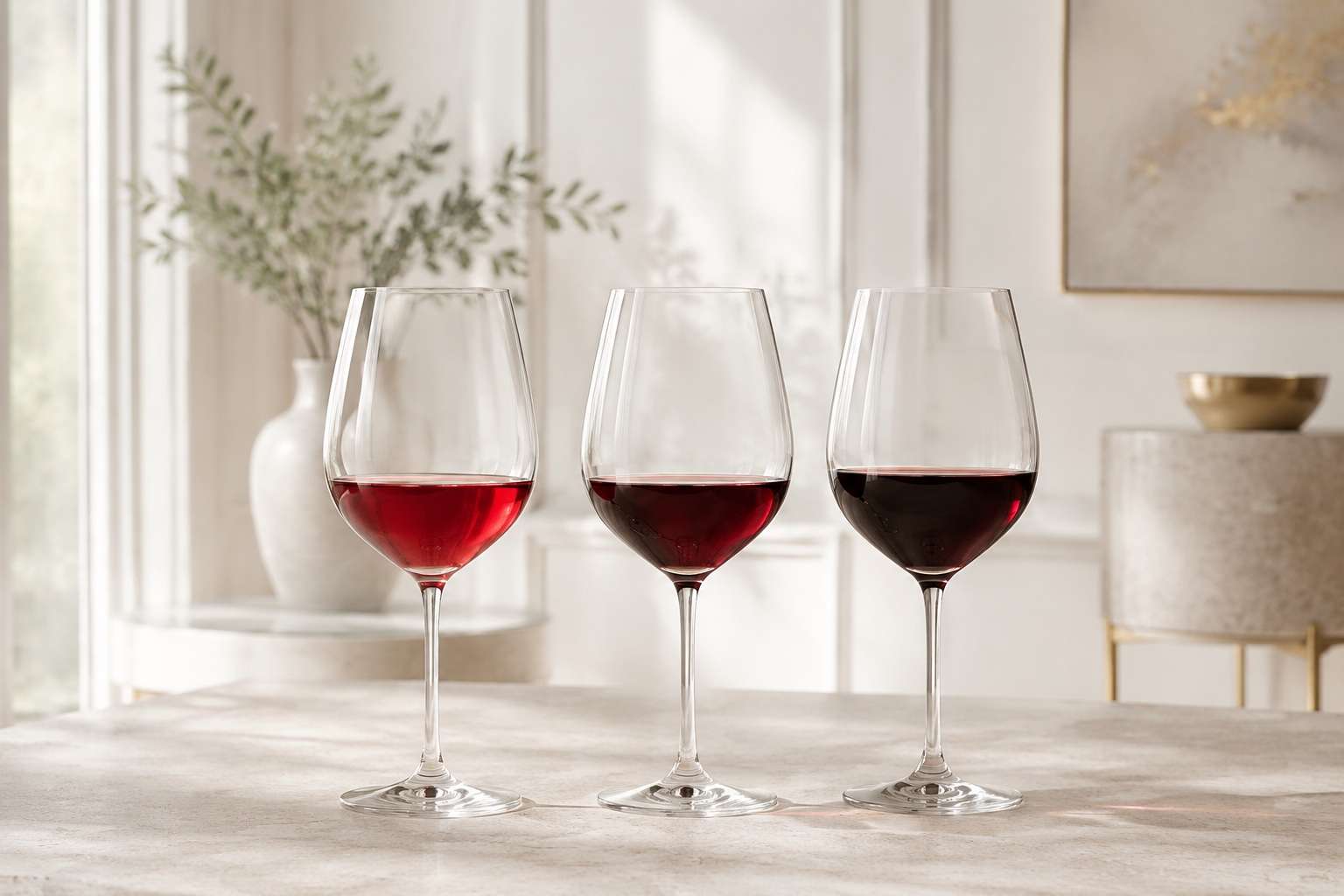
Serve port in 3-ounce pours in a small wine glass or a dedicated port glass, which keeps the aromas focused. Temperature depends on style. Ruby, LBV, and vintage port are best around 60–64°F, slightly below room temperature. Tawny port is lovely lightly chilled, around 55°F, especially in warm weather. White port is served cold and makes a refreshing summer drink mixed with tonic water, ice, and a slice of lemon or orange. Vintage port and unfiltered LBV form a crust of sediment, so stand the bottle upright for a day and decant it carefully. Tradition says to pass the port decanter to your left around the table. Most port does not need special glassware, but avoid oversized glasses that make the alcohol feel hot.
Port’s sweetness and richness call for bold partners. The most famous match is vintage or ruby port with Stilton, the salty, creamy blue cheese making the wine taste even more luscious; see wine with blue cheese. Ruby port is one of the best wines for chocolate, from dark chocolate truffles to flourless chocolate cake, because its dark-fruit flavor matches cocoa. Tawny port prefers caramel and nuts. Try it with pecan pie, crème brûlée, almond tart, or roasted walnuts. Aged tawny is also delicious with hard cheeses like aged Gouda and Manchego. Fruit-based desserts with berries or figs suit ruby styles. Chilled white port with salted almonds, olives, or tonic water works well as an aperitif.
Port lasts longer than table wine once opened, thanks to its high alcohol and sugar, but each style is different. Ruby and reserve ruby stay pleasant for about two to four weeks with the cork in, ideally somewhere cool. LBV lasts a similar amount of time. Tawny port, which has already been exposed to air during barrel aging, holds up longest, often one to two months. Vintage port is the most delicate after opening and is best finished within a day or two, like a fine red wine. Unopened ruby and tawny ports are ready to drink when sold and do not improve much in bottle. Vintage port can age for decades if stored on its side in a cool, dark place. For comparisons with related styles, read port vs. sherry and port vs. Madeira.
| Port Style | How It's Aged | Taste and Use |
|---|---|---|
| Ruby | A few years in large vats | Fresh blackberry and cherry; everyday sipping |
| Late Bottled Vintage (LBV) | Single year, 4–6 years before bottling | Richer dark fruit; great with chocolate |
| Vintage | Bottled young in top years, ages in bottle | Intense and age-worthy; decant first |
| Tawny (10 or 20 Year) | Years in small oak barrels | Caramel, fig, walnut; serve lightly chilled |
| Colheita | Single-vintage tawny aged in barrel | Nutty, complex, often very old |
| White | Varies, from young to aged | Dry to sweet; mix with tonic as an aperitif |
Serve tawny port around 55°F; it tastes fresher and less boozy.
Mix chilled white port with tonic and citrus for an easy summer drink.
Stand it upright for a day, then pour slowly to leave the crust behind.
Learn Your Taste
Answer a few simple questions and discover styles that fit your palate.
Take the Wine QuizYes, most port is sweet. Grape spirit is added before fermentation finishes, so natural grape sugar remains in the wine. Some white ports are made dry or semi-dry, but ruby, tawny, and vintage port are always sweet.
Ruby port ages briefly in large vats, staying deep red with fresh berry flavors. Tawny port ages for years in smaller oak barrels, where gentle oxidation turns it amber and brings caramel, nut, and dried-fruit notes.
Port typically contains around 19–20% alcohol, though the legal range is a little wider. That is higher than most table wines, so a standard serving is about 3 ounces rather than 5.
It helps, especially in warm homes. Keep the cork in and store it somewhere cool or in the fridge. Ruby port lasts a few weeks, tawny a month or two, and vintage port only a day or two.
Only wine from Portugal's Douro Valley can legally be called port in the EU and many other markets. Producers in places like California, Australia, and South Africa make similar fortified wines, often labeled with other names.
A reserve ruby or a 10-year-old tawny is an excellent starting point. Reserve ruby is rich and fruity, while 10-year tawny is smooth and nutty. LBV offers a taste of vintage style at a friendlier price.