Taste Both Port Families
Compare a Tawny and an LBV side by side to understand the two main styles.

Understand Wine. Enjoy Every Glass.
Wine Regions
Carved into steep slate hillsides along a river in northern Portugal, the Douro is the birthplace of Port and a rising star for dry red wine. Here is how to explore it.
Start Learning
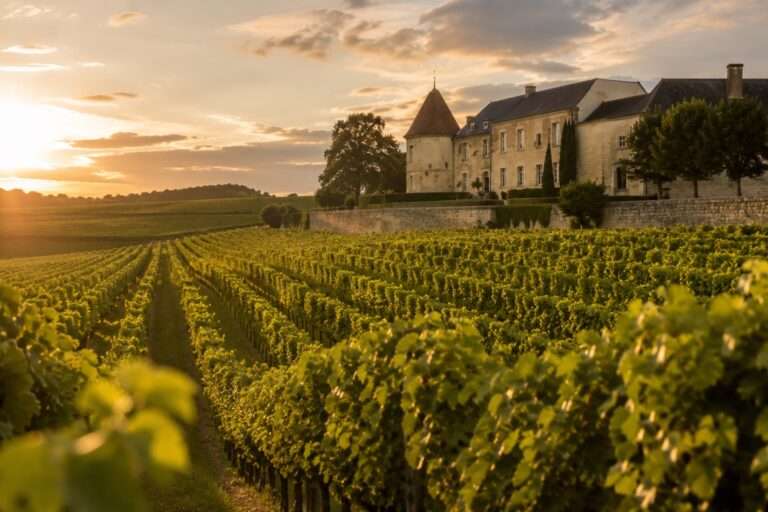
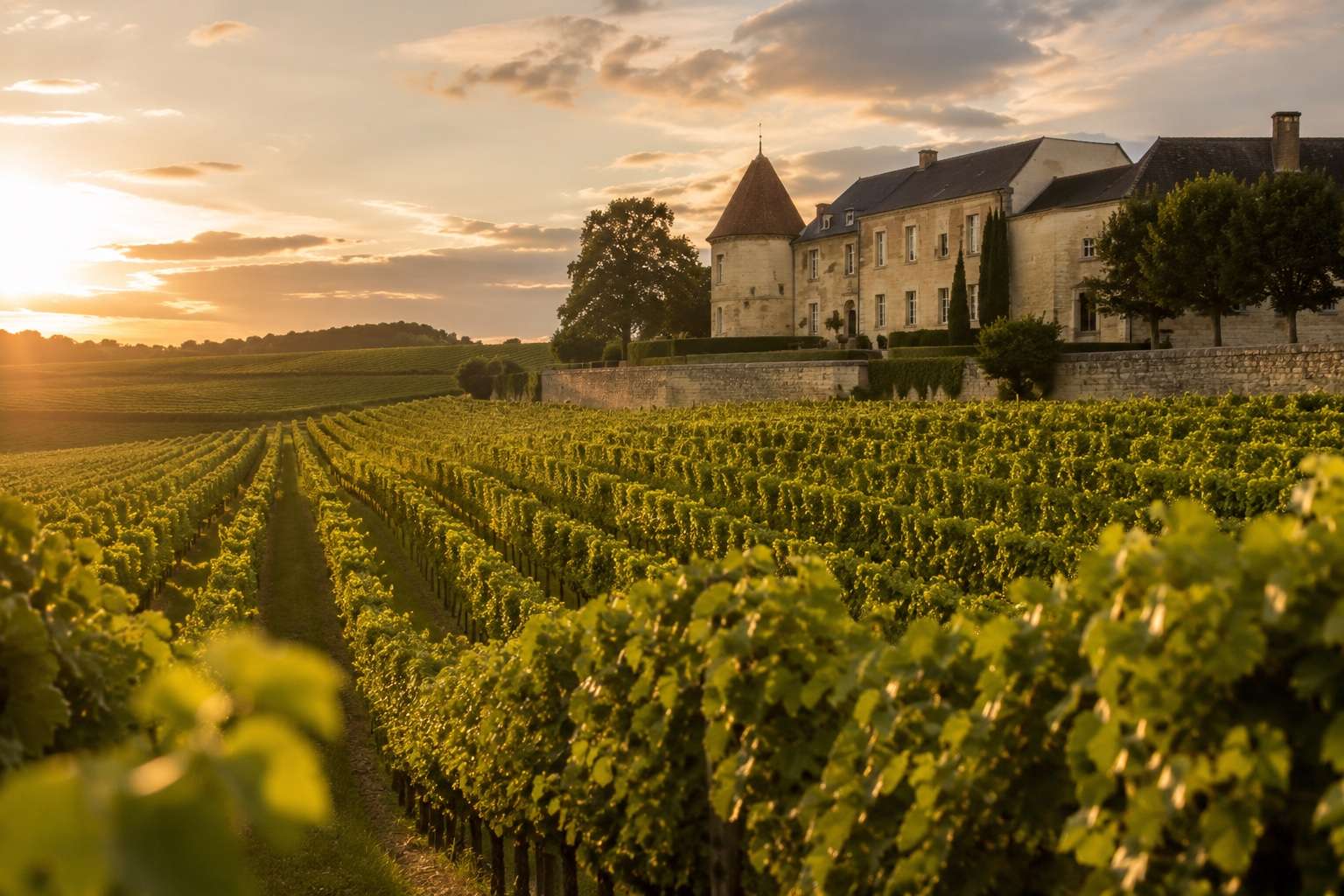
The Douro Valley follows the Douro River across northern Portugal, from the Spanish border west toward the city of Porto, where it meets the Atlantic. Across the border in Spain, the same river is called the Duero and flows past Ribera del Duero. The Douro was one of the world’s first officially mapped wine regions, with boundaries drawn in the mid-1700s, and its terraced landscape is now a UNESCO World Heritage site. The Marão and Montemuro mountains block most of the Atlantic rain, so the valley is far hotter and drier than coastal Portugal. Summers are scorching and winters are cold. The soil is mostly schist, a hard, flaky slate that splits vertically, letting vine roots dig deep for water. To farm these slopes, generations of workers built stone terraces by hand, creating one of the most spectacular vineyard views anywhere.
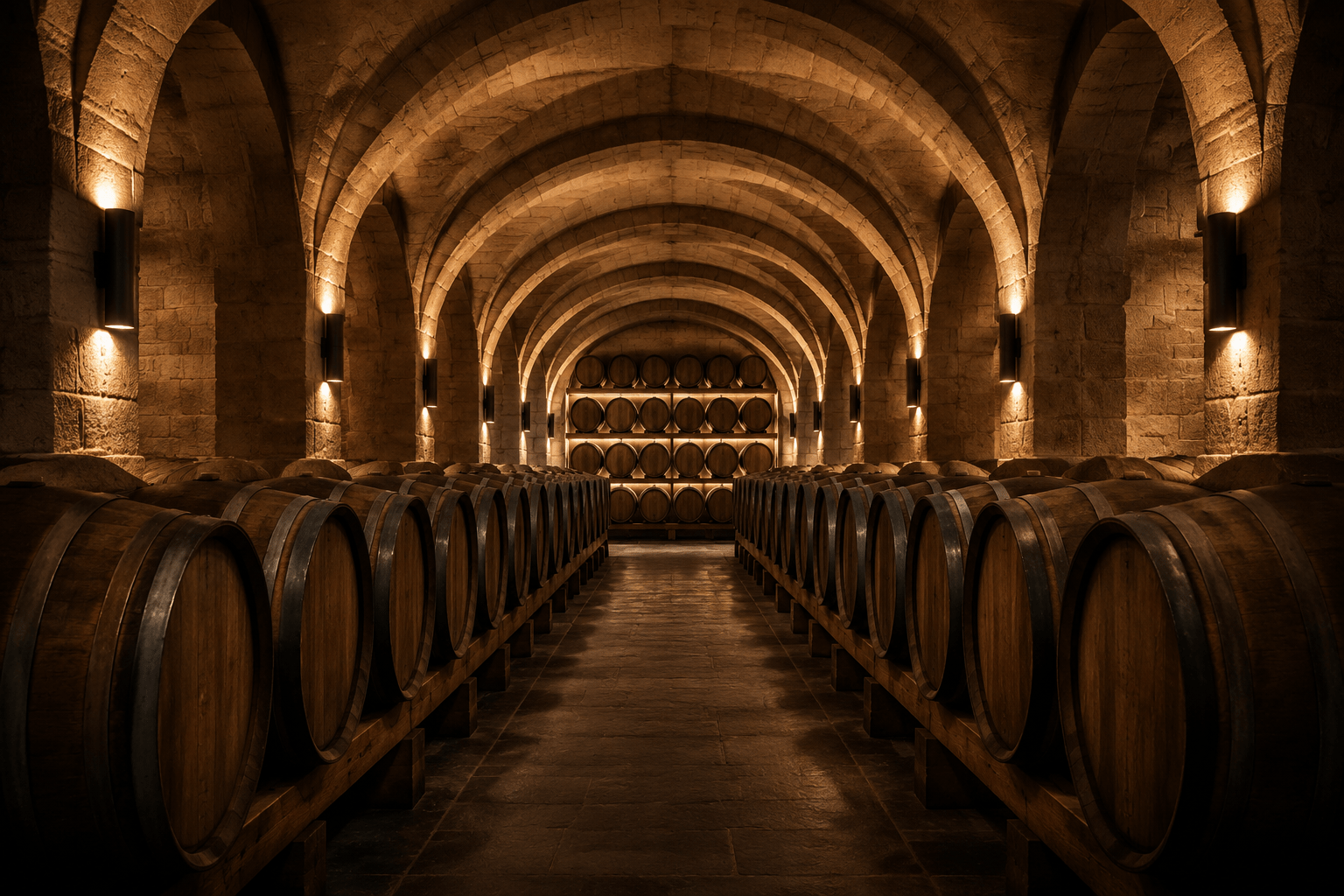
Port is a fortified wine. Partway through fermentation, winemakers add a clear grape spirit, which stops the yeast and leaves natural grape sugar in the wine. The result is sweet, rich, and around 19 to 22 percent alcohol. Styles fall into two families. Ruby styles age briefly in large vats or bottle and stay deep red, with blackberry, cherry, and chocolate. Reserve, Late Bottled Vintage (LBV), and Vintage Port are richer versions, with Vintage Port made only in top years and built to age for decades. Tawny styles age for years in small barrels, turning amber and taking on caramel, toffee, dried fig, and walnut notes; labels such as 10 or 20 Year Old give an average age. There is also White Port and pink Port. Our Tawny vs Ruby Port comparison goes deeper.
Dozens of native grapes are allowed, and old vineyards often mix many varieties in the same plot. Five lead the way. Touriga Nacional is the star, giving blackberry, violet, and bergamot aromas with firm tannins. Touriga Franca adds floral perfume and red fruit. Tinta Roriz, the Douro name for Tempranillo, contributes body and spice. Tinta Barroca brings softness and ripe fruit, and Tinto Cão adds freshness. For most of its history, the best grapes went into Port. Today, more growers bottle them as dry, unfortified red wine under the Douro DOC. These Douro valley wine reds are full-bodied and dark, with plum, blackberry, wild herbs, and a mineral edge from the schist. White grapes such as Rabigato, Viosinho, Gouveio, and Malvasia Fina make crisp, textured whites from cooler, higher vineyards.
The Douro has three sub-regions that run from west to east. Baixo Corgo, closest to the Atlantic, is the coolest and wettest and makes lighter wines and much everyday Ruby and Tawny. Cima Corgo, centered on the village of Pinhão, is the historic heart, home to many of the finest Port vineyards. Douro Superior, stretching to Spain, is the hottest, driest, and most remote, and increasingly important for powerful dry reds. To start, buy a 10 Year Old Tawny Port and an LBV Port to taste the two families side by side. Then open a dry Douro red blend, which often offers great value for its depth. Serve Tawny slightly chilled at about 55°F, Ruby styles a little warmer, and dry reds at 60–65°F. Compare Port with Spain’s fortified wine in our Port vs Sherry guide.
Northern Portuguese food is hearty, and Douro wines are built for it. Dry Douro reds pair with roast kid or lamb, grilled pork, smoky sausages, and slow-cooked stews. Salt cod baked with potatoes and olive oil, a national favorite, works with a fresh Douro white or a lighter red. Port opens up a world of dessert matches. Ruby and LBV Port love dark chocolate, berry tarts, and chocolate cake, because their fruit and sweetness can match the dessert. Tawny Port is wonderful with crème brûlée, pecan pie, almond cake, roasted nuts, and caramel desserts. The classic savory match is Port with salty, strong blue cheese: the sweetness balances the salt and tang. White Port mixed with tonic water over ice is a popular aperitif in Porto.
Many visitors start in Porto, where the old Port lodges line the riverbank in Vila Nova de Gaia and offer tours and tastings within walking distance of each other. To see the vineyards, head east to Peso da Régua or Pinhão, about two hours away. The scenic train along the river is a relaxing way to travel, and river cruises run through the valley. Driving gives you the most freedom, but the roads are steep and twisting, so share driving duties or book a guided tour. September is harvest season, and some estates invite visitors to watch or join foot treading. Summer can be extremely hot, so spring and early autumn are more comfortable. Many quintas, the local wine estates, offer rooms, meals, and tastings with views over the terraces. Pair the trip with fresh, zesty wines from nearby Vinho Verde.
| Grape or Style | Character | Try It With |
|---|---|---|
| Ruby or Reserve Port | Sweet, deep red, blackberry, cherry, chocolate | Dark chocolate or berry tart |
| Late Bottled Vintage (LBV) Port | Richer ruby style, ready to drink | Chocolate cake or blue cheese |
| Tawny Port (10 or 20 Year Old) | Amber, caramel, dried fig, walnut | Pecan pie or crème brûlée |
| White Port | Golden, sweet to off-dry, nutty | With tonic as an aperitif, or almonds |
| Dry Douro red blend | Full body, plum, violet, herbs, firm tannin | Roast lamb or grilled pork |
| Douro white | Crisp, citrus, textured, mineral | Baked salt cod or grilled fish |
Compare a Tawny and an LBV side by side to understand the two main styles.
Serve Tawny Port at about 55°F. A light chill makes its nutty flavors taste fresher.
Dry Douro red blends offer serious depth and structure, often at modest prices.
Learn Your Taste
Answer a few simple questions and discover styles that fit your palate.
Take the Wine QuizNo. Port is sweet, but the Douro also makes dry red and white wines labeled Douro DOC. Dry reds have become increasingly important and are full-bodied, dark-fruited, and firmly structured.
Ruby Port ages briefly and keeps its deep red color and fresh berry fruit. Tawny Port ages for years in small barrels, turning amber and developing caramel, toffee, and nut flavors. Tawny is often served slightly chilled.
It depends on style. Ruby and LBV Port stay fresh for a few weeks if recorked. Tawny Port, already exposed to air during barrel aging, can last a month or more. Vintage Port is best within a day or two.
The main red grapes are Touriga Nacional, Touriga Franca, Tinta Roriz (Tempranillo), Tinta Barroca, and Tinto Cão. Old vineyards often contain many native varieties planted together, which are blended in both Port and dry Douro reds.
Late September brings the harvest and the most activity, while spring and early autumn offer comfortable weather and green or golden terraces. July and August can be very hot, and some estates have shorter hours in winter.
Yes. Vintage Port can age for decades, and good dry Douro reds often improve for 10 years or more. Tawny Port is aged before release and ready to drink, so there is no need to cellar it.