Check Vouvray Sweetness
Sec means dry, demi-sec means off-dry, and moelleux means sweet.

Understand Wine. Enjoy Every Glass.
Wine Regions
Fairy-tale châteaux, goat cheese, and some of France's crispest, most food-friendly wines. Follow the Loire River from the Atlantic inland and meet a new wine at every bend.
Start Learning
The Loire is France’s longest river, and its vineyards follow it for hundreds of miles, from the Atlantic coast near Nantes inland past Angers, Saumur, and Tours to Sancerre in the center of the country. Along the way, the climate shifts. Near the ocean it is mild, damp, and maritime; farther east it becomes more continental, with colder winters and warmer summers. But the whole region is cool by wine standards, so Loire Valley wine is generally lighter, lower in alcohol, and higher in acidity than wine from the south of France. Soils change constantly too: granite and schist near Nantes, soft, chalky tuffeau limestone around Saumur and Touraine, and flint, chalk, and clay-limestone around Sancerre. The valley, famous for its châteaux and gardens, is also a UNESCO World Heritage site.

Four grapes define the Loire. Sauvignon Blanc dominates the eastern end, making zesty wines with grapefruit, lime, gooseberry, and a flinty, chalky edge, more restrained than New Zealand versions. Chenin Blanc is the star of the middle Loire, with apple, quince, honey, and a lanolin or beeswax note, and it can be dry, off-dry, sweet, or sparkling while keeping sharp acidity. Cabernet Franc is the main red, medium-bodied, with raspberry, red cherry, violet, graphite, and a herbal, bell pepper hint. In the west, Melon de Bourgogne makes Muscadet, a light, lemony white often aged “sur lie” on its yeast for extra texture. Gamay, Pinot Noir, and Grolleau also appear in reds and rosés.

Pays Nantais, closest to the ocean around Nantes, is Muscadet country. Look for Muscadet Sèvre et Maine Sur Lie for the classic briny, citrusy style. Anjou-Saumur is all about Chenin Blanc and Cabernet Franc: Savennières makes intense, dry Chenin, Coteaux du Layon and Quarts de Chaume make luscious sweet Chenin, Saumur-Champigny makes juicy Cabernet Franc, and Anjou is known for rosé. Touraine, around Tours, includes Vouvray, famous for Chenin Blanc in every style from dry to sweet to sparkling, and Chinon, Bourgueil, and Saint-Nicolas-de-Bourgueil, the top names for Cabernet Franc. The Centre, the eastern end, includes Sancerre and Pouilly-Fumé, the world’s benchmark Sauvignon Blancs, plus lesser-known neighbors such as Menetou-Salon, Quincy, and Reuilly. Red and rosé Sancerre are made from Pinot Noir.
Begin with a Sancerre. It is the Loire’s most famous wine and shows how cool climate and chalky soils give Sauvignon Blanc citrus, flint, and crisp freshness; our Sancerre vs Sauvignon Blanc guide compares it with Marlborough. Then open a Vouvray, checking the label for sec (dry), demi-sec (off-dry), or moelleux (sweet), and notice Chenin Blanc’s honeyed apple flavor. Next, try a Chinon or Saumur-Champigny, slightly chilled, for a fresh, fragrant red unlike heavier Cabernet Sauvignon. A Muscadet is one of France’s best bargains, often under $15. For bubbles, Crémant de Loire and sparkling Vouvray offer Champagne-method wines at friendly prices. To see how Chenin compares with a more familiar white, read Chenin Blanc vs Chardonnay.
The Loire is often called the Garden of France, and its wines are made for food. Sancerre with the local Crottin de Chavignol is a classic, and Sauvignon Blanc matches almost any goat cheese, plus salads, asparagus, and herb-heavy dishes. Muscadet’s salty freshness makes it a textbook match for oysters, mussels, and other shellfish. Dry Chenin Blanc pairs with river fish in butter sauce, roast chicken, and pork; off-dry Vouvray handles spicy Thai and Indian dishes, and sweet Coteaux du Layon suits fruit tarts and blue cheese. Cabernet Franc goes with roast pork, charcuterie, rillettes, grilled vegetables, and mushroom dishes. Serve Loire reds a little cool, around 55–60°F, and whites at 45–50°F.
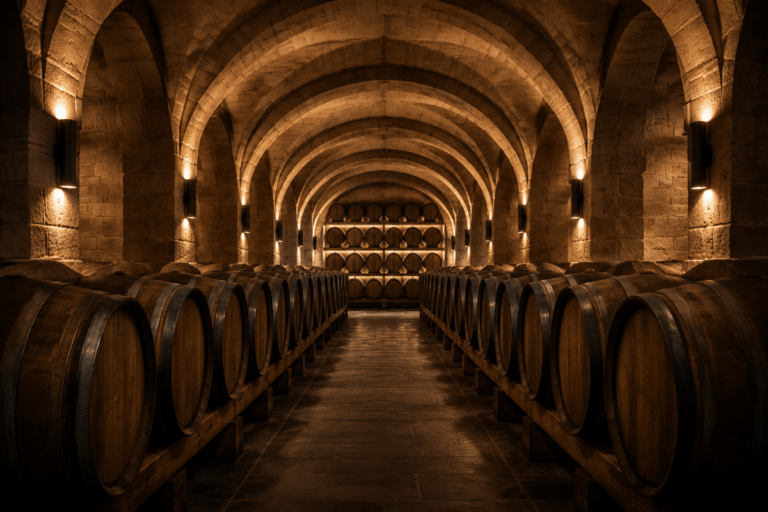
The Loire is an easy trip from Paris, with fast trains reaching Tours and Angers in about an hour or two. Tours, Saumur, and Angers make good bases in the middle of the valley, and Sancerre is a charming hilltop village in the east. Many wineries store their wine in caves carved into soft tuffeau limestone, and some offer cellar tours and tastings underground. Combine wine with the famous châteaux, which are scattered along the river. A long-distance cycling route follows the Loire, and its flat paths make riding between villages relaxing. Small family estates often need appointments, so call ahead, and a little French helps. Late spring through early fall is ideal, with harvest in September and October.
| Wine | Character | Try It With |
|---|---|---|
| Sancerre or Pouilly-Fumé (Sauvignon Blanc) | Grapefruit, lime, flint, crisp | Goat cheese or asparagus |
| Vouvray (Chenin Blanc) | Apple, quince, honey, dry to sweet | Roast pork or spicy Thai |
| Savennières (dry Chenin Blanc) | Intense, waxy, mineral, firm acidity | River fish in butter sauce |
| Muscadet Sur Lie | Light, lemony, briny, refreshing | Oysters or mussels |
| Chinon or Saumur-Champigny (Cabernet Franc) | Raspberry, violet, herbal, medium body | Charcuterie or roast chicken |
| Crémant de Loire | Crisp apple, citrus, fine bubbles | Appetizers or brunch |
Sec means dry, demi-sec means off-dry, and moelleux means sweet.
Loire Cabernet Franc from Chinon or Bourgueil shows fresher, livelier fruit at 55–60°F.
It is one of France's best bargains and a perfect match for shellfish.
Learn Your Taste
Answer a few simple questions and discover styles that fit your palate.
Take the Wine QuizCrisp whites and light reds. The Loire is famous for Sauvignon Blanc from Sancerre and Pouilly-Fumé, Chenin Blanc from Vouvray and Savennières, Muscadet near the coast, and Cabernet Franc from Chinon and Saumur-Champigny. It also makes rosé and sparkling Crémant.
Yes. Sancerre comes from the eastern end of the Loire Valley. White Sancerre is made from Sauvignon Blanc and is known for citrus, flint, and crisp acidity. Red and rosé Sancerre are made from Pinot Noir.
It can be either. Vouvray is made from Chenin Blanc in styles from dry to sweet, plus sparkling. Look for sec (dry), demi-sec (off-dry), or moelleux (sweet) on the label. If no style is listed, ask the shop.
Mainly Cabernet Franc, from Chinon, Bourgueil, Saint-Nicolas-de-Bourgueil, and Saumur-Champigny. These reds are medium-bodied, fragrant, and fresh. The Loire also makes Pinot Noir in Sancerre and light, fruity reds from Gamay in Touraine.
Muscadet is a light, dry white wine from the western Loire near Nantes, made from the Melon de Bourgogne grape, not Muscat. Aging sur lie, on the yeast, adds texture. Its lemony, salty freshness is perfect with oysters.
Generally, no. The Loire is one of France's best regions for value. Muscadet, Touraine Sauvignon Blanc, Crémant de Loire, and Saumur-Champigny are often affordable. Top Sancerre and Savennières cost more but remain reasonable compared with Burgundy.