Match Tang with Tang
The tangier the goat cheese, the crisper and higher in acid the wine should be.

Understand Wine. Enjoy Every Glass.
Wine Pairings
Goat cheese is tangy, bright, and lemony. It needs a wine with just as much zip. Here is what to pour with fresh chèvre, aged goat cheese, and favorite goat cheese dishes.
Start Learning
Fresh goat cheese, or chèvre, is tangy, chalky, and lemony, with a clean, grassy edge. That high acidity is the key to choosing wine with goat cheese. A low-acid wine tastes flat and flabby next to it. A wine with equal or higher acidity matches the tang and makes both taste brighter. Sauvignon Blanc is the textbook pairing. Its zesty citrus, green herbs, and mineral notes echo the cheese. The match also has deep roots: the Loire Valley is famous for both. Crottin de Chavignol, a small goat cheese, comes from the village of Chavignol in the Sancerre area, and locals have paired it with Sancerre for generations. It is one of the best examples of the rule that wines and foods from the same place tend to work together.
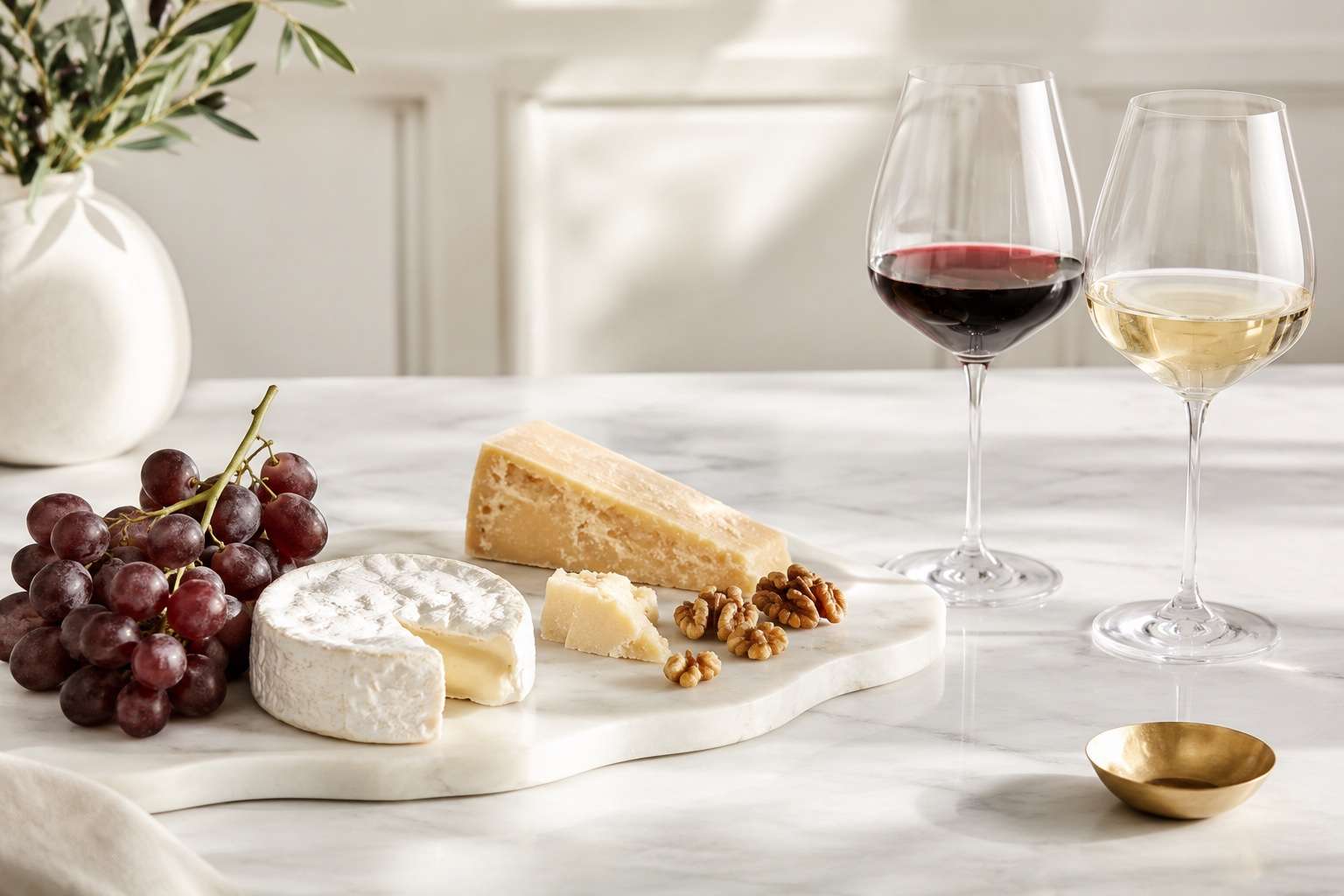
Fresh, soft chèvre is the brightest and tangiest, so pair it with crisp Sancerre, Pouilly-Fumé, or New Zealand Sauvignon Blanc from Marlborough. Herb- or pepper-coated logs suit grassy Sauvignon Blanc or a peppery Grüner Veltliner. Ash-rind and bloomy-rind goat cheeses, like Valençay or Bûcheron, are creamier near the rind and pair well with Loire Chenin Blanc from Vouvray or Savennières. Aged, firm goat cheese develops nutty, savory flavors and can handle a rounder white such as lightly oaked Chardonnay or even a light red. Goat Gouda and other hard goat cheeses are sweeter and caramel-like, pairing well with dry Riesling or a fruity Pinot Noir. Honey-drizzled goat cheese wants a touch of sweetness, such as off-dry Chenin Blanc.
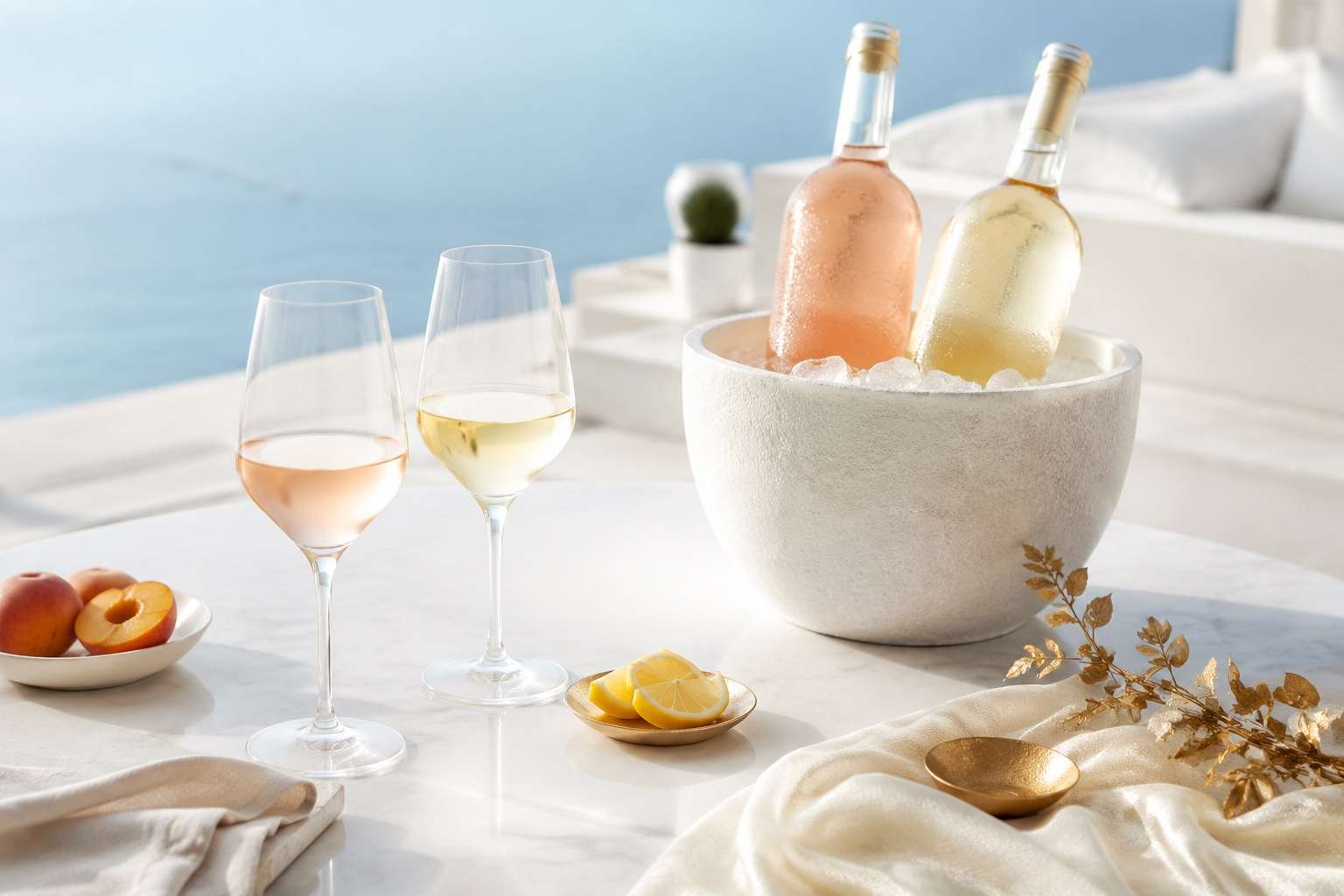
Goat cheese shows up in many dishes, and each shifts the pairing. Goat cheese salad with greens and vinaigrette needs a high-acid wine so the dressing does not flatten it; Sauvignon Blanc or dry rosé are ideal. Beet and goat cheese salad is earthy and sweet, which suits a Provence rosé or a light Pinot Noir. Warm goat cheese on toast or in a tart becomes richer and creamier, opening the door to Chenin Blanc or red Sancerre. Goat cheese pizza or flatbread with caramelized onions or roasted peppers pairs well with rosé or Pinot Gris. Stuffed peppers or figs with goat cheese suit rosé or off-dry Riesling. Goat cheese with fruit preserves or honey needs a slightly sweet wine, such as a demi-sec Vouvray, so the wine does not taste sour.
Dry rosé is a natural partner. Pale, crisp rosés from Provence or the Loire have the acidity to match goat cheese and a touch of red fruit that suits salads, tarts, and roasted vegetables. Red wine is trickier but possible. Choose light, low-tannin reds with high acidity, like Loire Pinot Noir (red Sancerre), Cabernet Franc from Chinon, or Beaujolais. These work best with aged or warm goat cheese rather than fresh chèvre. Big, tannic reds clash. Sparkling wine is excellent with goat cheese appetizers. Crémant de Loire, made from Chenin Blanc, is crisp and affordable; Champagne and Cava work too. Bubbles cut through creamy fried goat cheese balls or goat cheese crostini beautifully.
Big, tannic reds such as Cabernet Sauvignon, Malbec, and Syrah are the clearest mismatch; the cheese’s tangy acidity makes their tannins taste harsh and metallic. Heavily oaked, buttery Chardonnay feels heavy and clashes with goat cheese’s bright, chalky flavor. Low-acid whites like some Viognier or warm-climate Pinot Grigio can taste flat. Very sweet dessert wines usually overwhelm fresh chèvre, except when honey or fruit is involved. If you are unsure, follow the simple rule: the tangier the cheese, the crisper the wine. A Sauvignon Blanc from almost anywhere is a safe bet.
Serve Sauvignon Blanc, rosé, and sparkling wine well chilled, about 45–50°F, and light reds slightly cool at 55–60°F. Let goat cheese sit out for 30 minutes before serving; it becomes creamier and more aromatic. Fresh chèvre is mild and quick to absorb flavors, so store it well wrapped. For value, Touraine Sauvignon Blanc, Crémant de Loire, Chilean Sauvignon Blanc, and Provence-style rosés are often under $20. Sancerre and Savennières are worth a splurge. To compare Loire Sauvignon Blanc with other styles, see Sancerre vs. Sauvignon Blanc, and for a full cheese spread, our guide to wine with cheese.
| Goat Cheese Style | Best Wine | Why It Works |
|---|---|---|
| Fresh chèvre | Sancerre or Sauvignon Blanc | High acidity matches tangy, lemony cheese |
| Herb- or pepper-coated log | Sauvignon Blanc or Grüner Veltliner | Herbal and peppery notes echo the coating |
| Ash-rind or bloomy-rind | Loire Chenin Blanc | Rounder texture suits the creamy rind |
| Aged, firm goat cheese | Lightly oaked Chardonnay or red Sancerre | More body for nutty flavors |
| Goat cheese salad | Dry rosé or Sauvignon Blanc | Acidity handles vinaigrette |
| Honey-drizzled goat cheese | Off-dry Chenin Blanc | Gentle sweetness matches honey |
The tangier the goat cheese, the crisper and higher in acid the wine should be.
Sancerre, Vouvray, and Crémant de Loire come from goat cheese country.
Choose light reds like Pinot Noir; tannic reds turn metallic with tangy cheese.
Learn Your Taste
Answer a few simple questions and discover styles that fit your palate.
Take the Wine QuizSauvignon Blanc, especially Sancerre, is the classic match. Its high acidity matches goat cheese's tang, and its citrus and herbal notes complement the flavor. Chenin Blanc and dry rosé are excellent alternatives.
Light, high-acid reds can work, especially with aged or warm goat cheese. Try red Sancerre, Chinon Cabernet Franc, or Beaujolais. Avoid big, tannic reds, which taste harsh and metallic with tangy cheese.
Sauvignon Blanc or dry rosé. A salad's vinaigrette and greens need a crisp wine, and both have the acidity to stay bright. Rosé is especially good with beets or roasted vegetables.
Loire Chenin Blanc, lightly oaked Chardonnay, or a light red like Pinot Noir. Aged goat cheese is nuttier and firmer, so it can handle a rounder, more textured wine than fresh chèvre.
It can work with mild, fresh goat cheese, but it is not the best choice. Many Pinot Grigios are lower in acidity than Sauvignon Blanc and can taste flat next to tangy chèvre.
An off-dry Chenin Blanc, such as a demi-sec Vouvray, or an off-dry Riesling. Honey makes dry wines taste sour, so a touch of sweetness keeps the pairing balanced.