Sweet Beats Salty
The saltier and stronger the blue, the sweeter and richer the wine should be.

Understand Wine. Enjoy Every Glass.
Wine Pairings
Blue cheese is salty, pungent, and creamy, and it is the cheese that most loves sweet wine. Here is what to pour with Roquefort, Stilton, Gorgonzola, and more.
Start Learning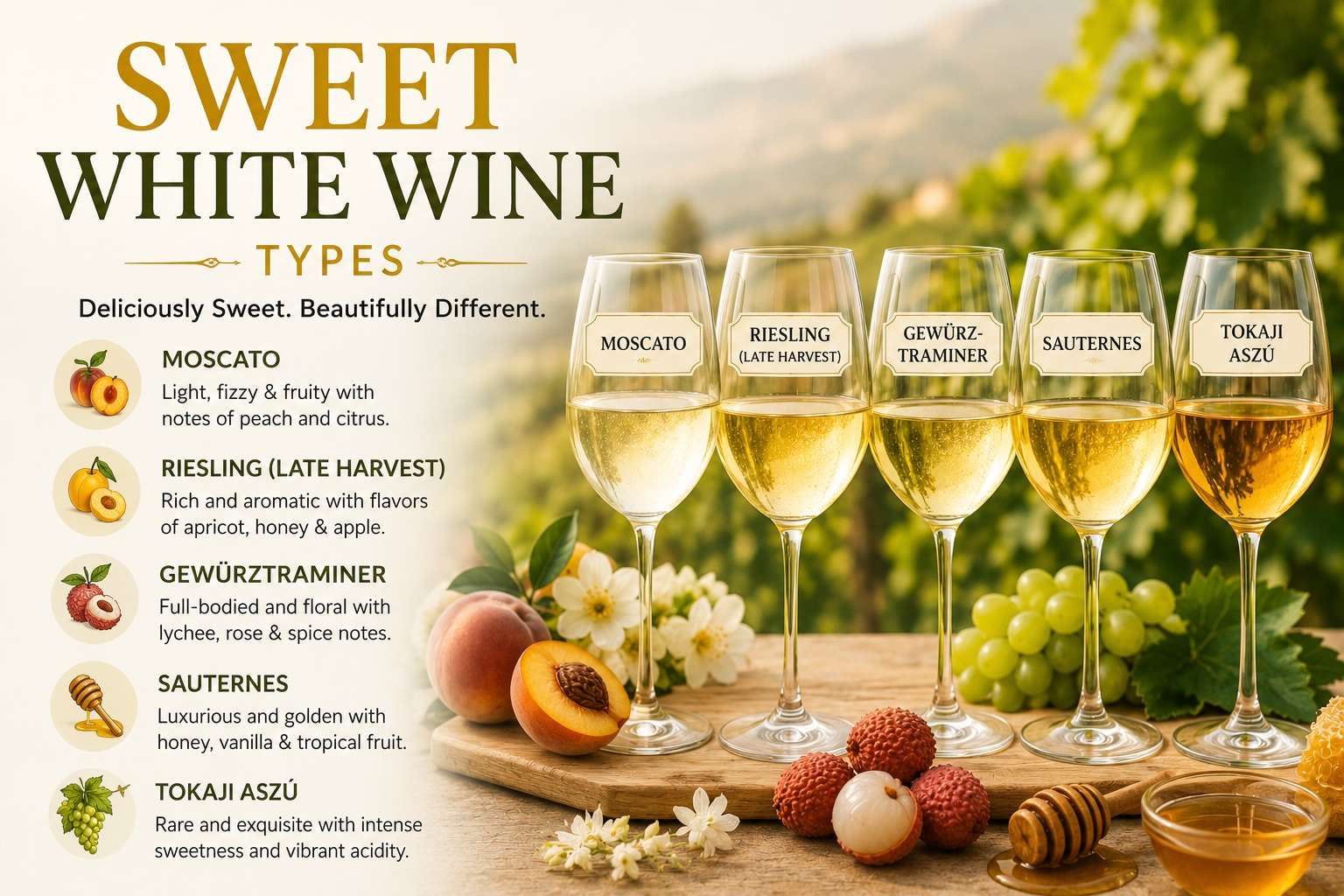
Blue cheese is a flavor bomb. Its blue-green veins come from mold cultures that give it a sharp, peppery, pungent bite, and it is usually quite salty and creamy. Most dry wines struggle. Light reds taste thin, and tannic reds can turn bitter and metallic. Sweet wine, on the other hand, creates one of the great contrasts in food and wine. Sugar balances salt, the same way honey or figs balance blue cheese on a cheese board. A rich dessert wine also has the body and intensity to stand up to the cheese’s strong flavor, and its acidity cuts through the creamy fat. The result is a mouthful that is sweet, salty, creamy, and fresh at the same time. That is why the most famous matches for wine with blue cheese all involve sweet wines.
Roquefort, the tangy sheep’s milk blue from southern France, is famously paired with Sauternes from Bordeaux. Its honey and apricot sweetness offsets Roquefort’s salt. Stilton, England’s rich, crumbly blue, is traditionally served with Port; vintage or late-bottled vintage Port matches its power, and tawny Port’s nutty notes suit aged Stilton. Gorgonzola dolce is soft, creamy, and mild, ideal with Moscato d’Asti or a late-harvest wine. Gorgonzola piccante is firmer and sharper, so it can take Amarone or Recioto della Valpolicella, both made from dried Corvina grapes. Danish blue and other milder blues suit late-harvest Riesling or Tokaji. Creamy American blues pair well with tawny Port or a sweet sherry.
Blue cheese also stars in savory dishes, and these usually call for dry or off-dry wines. A blue cheese burger or steak with blue cheese butter can handle a bold, fruity red like Zinfandel or Cabernet Sauvignon, since the meat’s protein and fat soften tannins. A wedge salad with blue cheese dressing pairs with a crisp Sauvignon Blanc. Buffalo wings with blue cheese dip are spicy and salty, so an off-dry Riesling is ideal. Pear and blue cheese salad with walnuts suits off-dry Riesling or Gewürztraminer. Blue cheese pasta or risotto is creamy and pungent, working with a rich white like Viognier. Blue cheese with honey, figs, or walnuts on a cheese board is the moment for a sweet wine, which picks up the honeyed flavors.
If you do not want a sweet wine, choose carefully. Ripe, fruit-forward reds with soft tannins and a touch of sweetness in their fruit, such as Zinfandel, Australian Shiraz, or Amarone, can stand up to blue cheese without tasting bitter. Off-dry whites with good acidity, including Riesling Spätlese and Gewürztraminer, are excellent compromises. Fortified wines are another smart option. Tawny Port, sweet oloroso and cream sherry, and Madeira have nutty, caramel flavors that suit aged blues. Bone-dry, delicate wines rarely work. Light, crisp whites and elegant reds like Pinot Noir taste thin and sour next to the cheese’s salt and pungency. If you prefer dry wine, serve blue cheese in a dish with other ingredients rather than on its own.
Delicate, light-bodied wines such as Pinot Grigio and light Pinot Noir are overwhelmed by blue cheese’s intensity. Highly tannic, dry reds, especially young Cabernet Sauvignon, Nebbiolo, and Tannat served with blue cheese on its own, can taste bitter and metallic as salt and mold accentuate the tannins. Very dry, acidic wines can make the cheese taste even saltier. Light sparkling wines usually lack the body to stand up to it. As a rule, the stronger and saltier the blue, the sweeter and more powerful the wine should be. Milder, creamier blues give you a little more flexibility.
Serve sweet whites like Sauternes and late-harvest Riesling at 45–50°F, and Port slightly cool at 55–65°F. Pour small glasses: sweet wines are rich, and two to three ounces per person is plenty. Let blue cheese sit out for 30–60 minutes so its creaminess and aroma come forward. For value, Monbazillac and Barsac offer Sauternes-like sweetness for less, ruby and LBV Ports are affordable, and late-harvest Riesling from Washington or New York is often a bargain. Our guides to tawny vs. ruby Port and late-harvest wine explain the styles. For a full cheese board, see wine with cheese.
| Blue Cheese | Best Wine | Why It Works |
|---|---|---|
| Roquefort | Sauternes | Honeyed sweetness balances salty sheep's milk |
| Stilton | Vintage, LBV, or tawny Port | Rich, powerful wine matches strong, crumbly cheese |
| Gorgonzola dolce | Moscato d'Asti or late-harvest wine | Light sweetness suits soft, mild blue |
| Gorgonzola piccante | Amarone or Recioto | Rich, ripe fruit stands up to sharp flavor |
| Blue cheese burger | Zinfandel | Ripe fruit and soft tannin handle beef and blue |
| Buffalo wings with blue cheese dip | Off-dry Riesling | Sweetness balances salt and spice |
The saltier and stronger the blue, the sweeter and richer the wine should be.
With blue cheese, two to three ounces of Sauternes or Port per person is enough.
Sweet accompaniments bridge blue cheese and dessert wines beautifully.
Learn Your Taste
Answer a few simple questions and discover styles that fit your palate.
Take the Wine QuizSweet wines are the best match. Sauternes with Roquefort and Port with Stilton are classic pairings. Late-harvest Riesling, Tokaji, and Moscato d'Asti also balance blue cheese's salty, pungent flavor.
Some reds do. Ripe, fruity, soft-tannin reds like Zinfandel, Shiraz, and Amarone can work. Tannic, dry reds like young Cabernet Sauvignon often taste bitter with blue cheese served on its own.
Mild Gorgonzola dolce pairs with Moscato d'Asti or a late-harvest white. Sharper Gorgonzola piccante suits Amarone or Recioto della Valpolicella. In creamy pasta dishes, a rich white like Viognier works well.
Port's rich, sweet, dark-fruit flavor balances Stilton's saltiness, and its body and alcohol stand up to the cheese's intensity. The pairing is a longstanding English tradition, often served at the end of a meal.
Off-dry Riesling or crisp Sauvignon Blanc. For buffalo wings with blue cheese dip, off-dry Riesling handles salt and spice. For a wedge salad, Sauvignon Blanc's acidity matches the tangy dressing.
Yes. Sauternes and Roquefort is one of the most famous cheese pairings. The wine's honey, apricot, and citrus sweetness balances the cheese's salt, and its acidity cuts through the creamy texture.