Start With 10-Year Tawny
A 10-year-old Tawny shows true caramel and nut character at a reasonable price.

Understand Wine. Enjoy Every Glass.
Wine Comparisons
Both start as the same sweet red wine from Portugal's Douro Valley. How long they age, and in what kind of container, turns one into fresh berries and the other into caramel and nuts.
Start Learning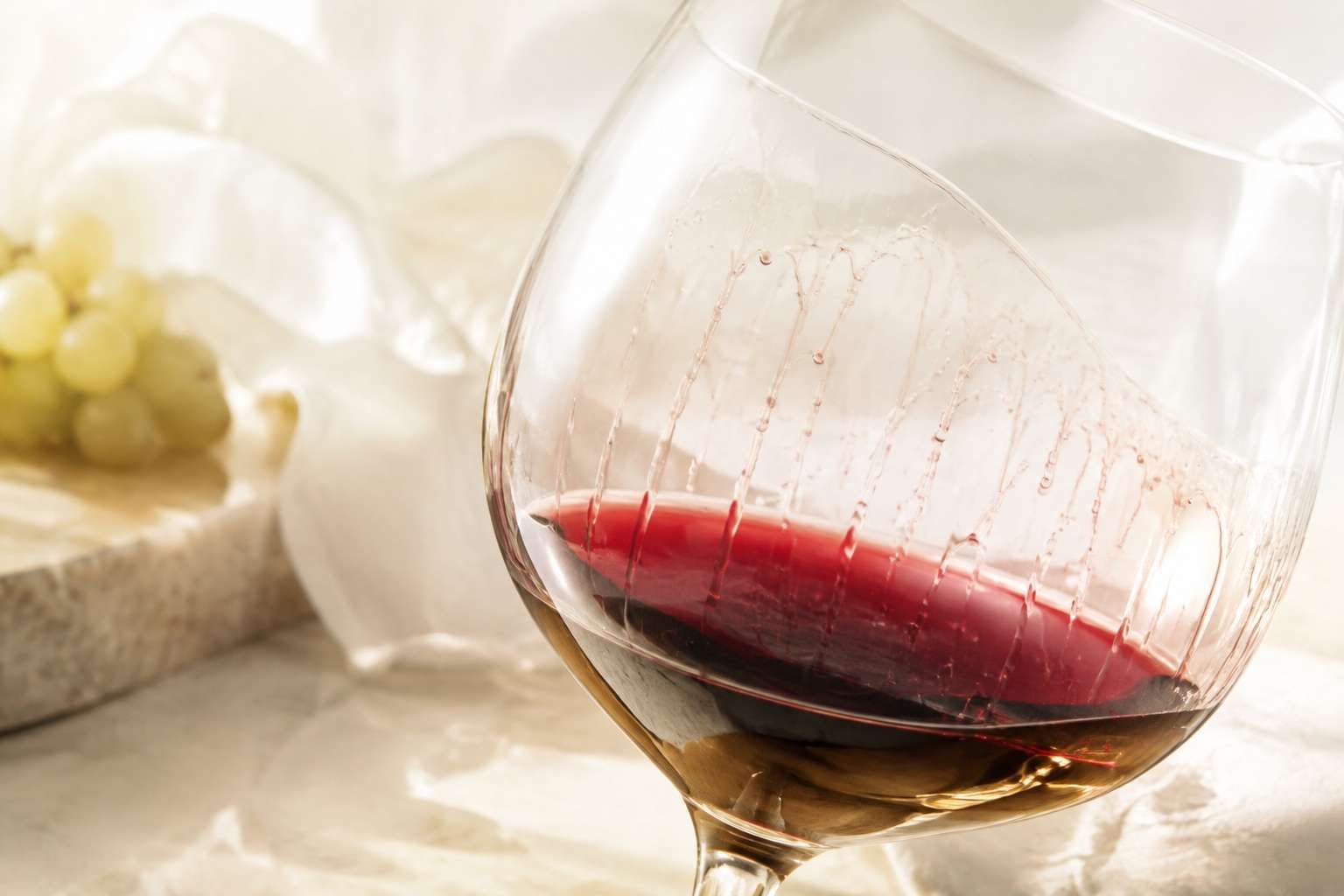
All Port begins the same way. Red grapes from the Douro Valley are crushed and fermented, and grape spirit is added partway through to stop fermentation, leaving natural sweetness and about 19 to 20 percent alcohol. The difference comes from aging. Ruby Port is aged for a short time, typically two or three years, in large tanks or big wooden vats where very little air reaches the wine. That protects its deep color and fresh fruit. Tawny Port is aged in small oak barrels called pipes, often for many years. Small barrels mean more contact between wine and wood and a slow trickle of oxygen. Over time the wine fades from purple to brick red to amber-brown, the tawny color that gives it its name, and its flavors shift from fresh fruit to dried fruit and nuts.
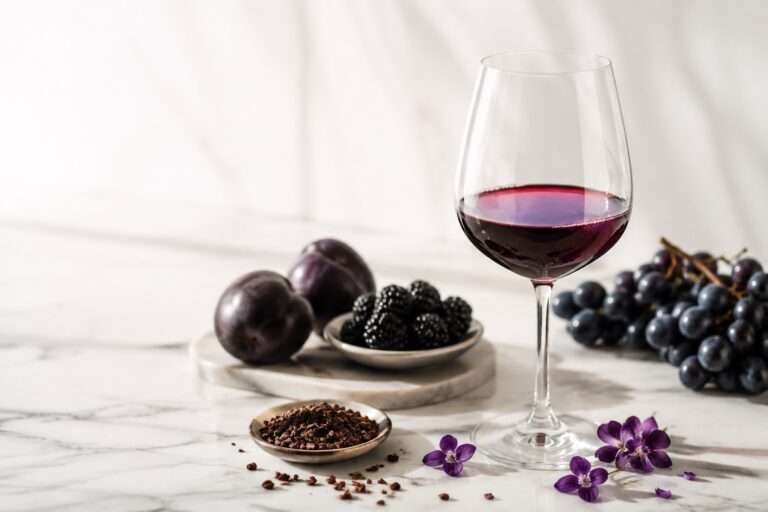
Ruby Port tastes like a bowl of ripe dark fruit: blackberry, black cherry, raspberry, and plum, often with chocolate and a hint of spice. It is full-bodied, sweet, and velvety, with some firm tannin in young or higher-quality bottles. Tawny Port tastes of caramel, toffee, toasted almond and hazelnut, dried fig, raisin, orange peel, and vanilla. Its tannins have softened, so it feels silky and mellow, and its sweetness seems more delicate thanks to the nutty, savory flavors. Both are sweet, but Ruby feels richer and more fruit-driven, while Tawny feels more refined and complex. A simple way to remember it: Ruby tastes like berry jam and chocolate; Tawny tastes like crème brûlée, pecan pie, and dried apricots. Many people new to Port start with Ruby, then fall for Tawny once they taste an aged 10-year-old.
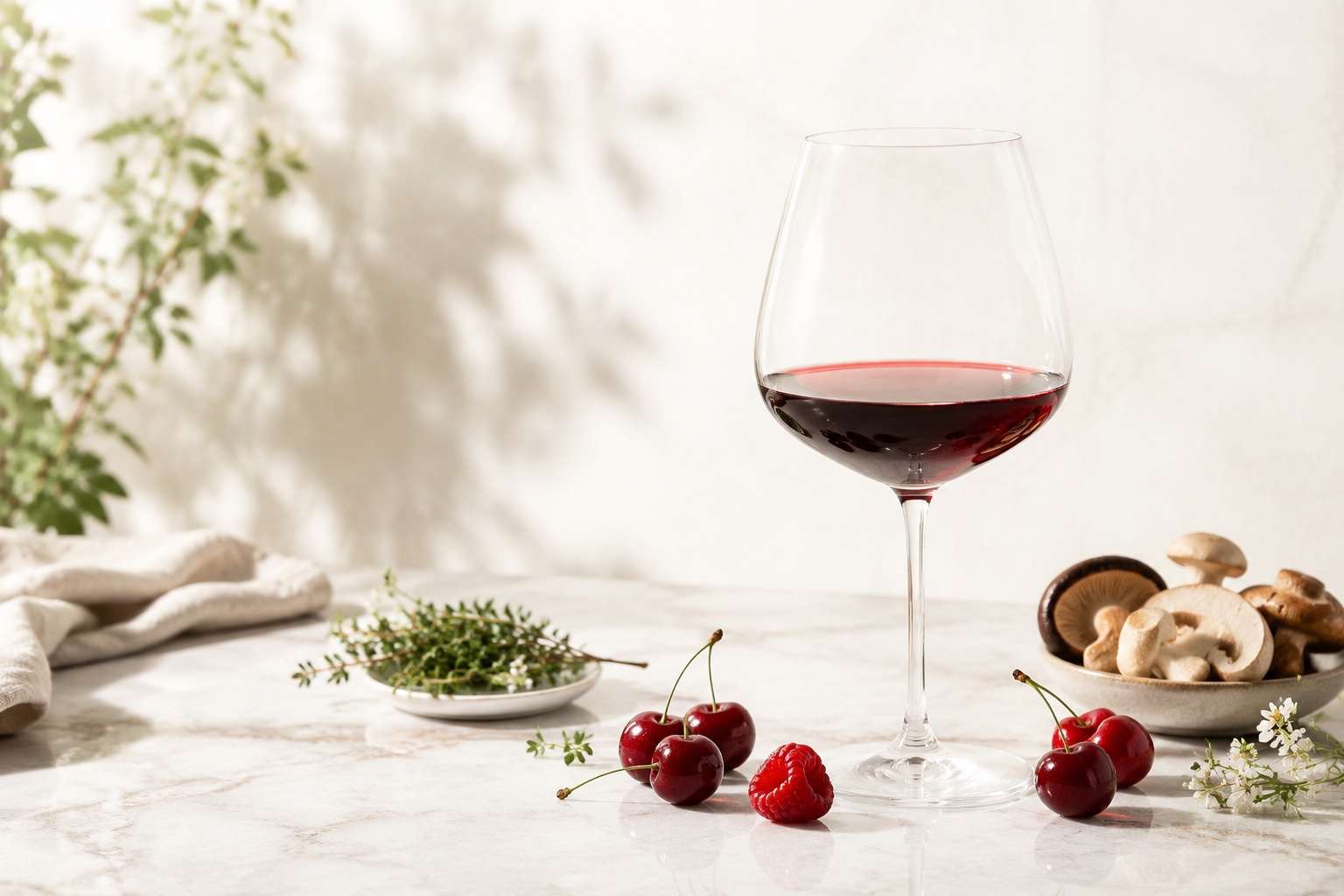
Each type has quality levels. In the Ruby family, basic Ruby is young and simple. Reserve Ruby is a step up in concentration. Late Bottled Vintage, or LBV, is wine from a single year aged four to six years in wood before bottling, offering much of the richness of Vintage Port at a lower price. Vintage Port, made only in the best years, is bottled after about two years and ages for decades in the bottle, throwing a heavy sediment, so it needs decanting. In the Tawny family, inexpensive basic Tawny is lighter and simpler. Age-indicated Tawny is labeled 10, 20, 30, or 40 years old; the number describes the average character of the blend rather than an exact age. Colheita is a Tawny from a single harvest year, aged in barrel for at least seven years.
Ruby Port’s bold fruit and chocolate notes make it the go-to for dark chocolate, flourless chocolate cake, brownies, black forest cake, and berry desserts like cherry pie. It is also famous with Stilton and other strong blue cheeses, where sweet fruit balances salty, tangy cheese. Tawny Port shines with caramel and nut desserts. Try it with crème brûlée, pecan pie, flan, tarte tatin, almond cake, and roasted nuts. It also pairs well with aged hard cheeses like aged cheddar, Manchego, and Comté, and many people enjoy it with dried fruit, dates, and figs. A useful rule: match dark desserts and berries to Ruby, and golden, caramel, or nutty desserts to Tawny. Either one can be dessert on its own after a big meal.
Serve Ruby Port slightly below room temperature, around 60 to 65°F. Tawny Port is lovely a little cooler, around 55 to 60°F, and many people in Portugal chill it lightly in warm weather. Our wine serving temperature guide covers more. Use a small white wine glass and pour about 3 ounces. Once opened, Ruby Port keeps its fresh fruit for roughly two weeks if recorked and stored cool. Tawny, already exposed to air in the barrel, stays fresh for a month or more. Unopened Ruby, Reserve, and most LBV are ready to drink when sold, while Vintage Port can age for decades. On price, basic Ruby and Tawny often cost $12 to $20, LBV about $20 to $30, and 10-year-old Tawny about $30 to $40. Twenty-year Tawny and Vintage Port are special-occasion purchases.
Choose Ruby Port when you want bold, fruity sweetness to pair with chocolate or blue cheese, or a wallet-friendly bottle for a dessert table. An LBV is the best value step up, offering rich fruit and some depth without the cost or decanting fuss of Vintage Port. Choose Tawny Port when you want something mellow, nutty, and elegant, especially with caramel desserts or as a slow after-dinner sip. A 10-year-old Tawny is the perfect introduction; if you love it, a 20-year-old adds even more complexity. Tawny is also the better pick if you only drink a glass now and then, since it lasts longer once opened. To see how Port compares with other fortified wines, read Port vs Madeira and Port vs Sherry.
| Attribute | Tawny Port | Ruby Port |
|---|---|---|
| Aging | Small oak barrels, often for many years, with slow oxidation | Short aging in large tanks or vats with little air |
| Color | Amber, brick, or golden brown | Deep ruby to purple |
| Flavor | Caramel, hazelnut, dried fig, orange peel | Blackberry, cherry, plum, chocolate |
| Key styles | 10-, 20-, 30-, 40-year Tawny; Colheita | Reserve, Late Bottled Vintage, Vintage |
| Serving temperature | About 55–60°F, lightly chilled | About 60–65°F |
| Best pairing | Crème brûlée, pecan pie, aged cheddar | Dark chocolate, berry desserts, Stilton |
A 10-year-old Tawny shows true caramel and nut character at a reasonable price.
Late Bottled Vintage Ruby gives rich, concentrated fruit without Vintage Port prices.
Serve Tawny around 55–60°F; a short time in the fridge brightens its flavors.
Learn Your Taste
Answer a few simple questions and discover styles that fit your palate.
Take the Wine QuizBoth are sweet with similar sugar levels. Ruby often tastes sweeter because of its jammy berry fruit, while Tawny's nutty, caramel flavors and silky texture make its sweetness feel more delicate and balanced.
After opening, storing Tawny Port in the refrigerator helps it stay fresh for a month or more. Many people also serve it lightly chilled, around 55 to 60°F, especially in warm weather.
It indicates the average character of the blend, not an exact age. A 20-year Tawny is blended from several years to taste like Port aged about two decades in barrel, with deeper nut and dried-fruit flavors.
Most Ruby, Reserve, and LBV Port do not need decanting. Vintage Port and unfiltered LBV do, because they throw sediment as they age in the bottle. Decanting also gives young Vintage Port helpful air.
Basic Ruby and Reserve Ruby are made to drink young and do not improve much. Vintage Port, the top Ruby style, can age for decades in the bottle and develops softer tannins and more complexity.
Neither is better; they suit different tastes. Choose Ruby for bold, fruity sweetness with chocolate, and Tawny for nutty, caramel complexity with nut desserts. Quality depends on the style level within each family.