
Read the Grape
Sercial is dry, Verdelho medium-dry, Bual medium-sweet, and Malmsey the sweetest Madeira.

Understand Wine. Enjoy Every Glass.
Wine Comparisons
Both are fortified wines from Portugal, and both are often poured after dinner. But one is a rich, fruity red, and the other is deliberately heated into a nearly indestructible amber classic.
Start Learning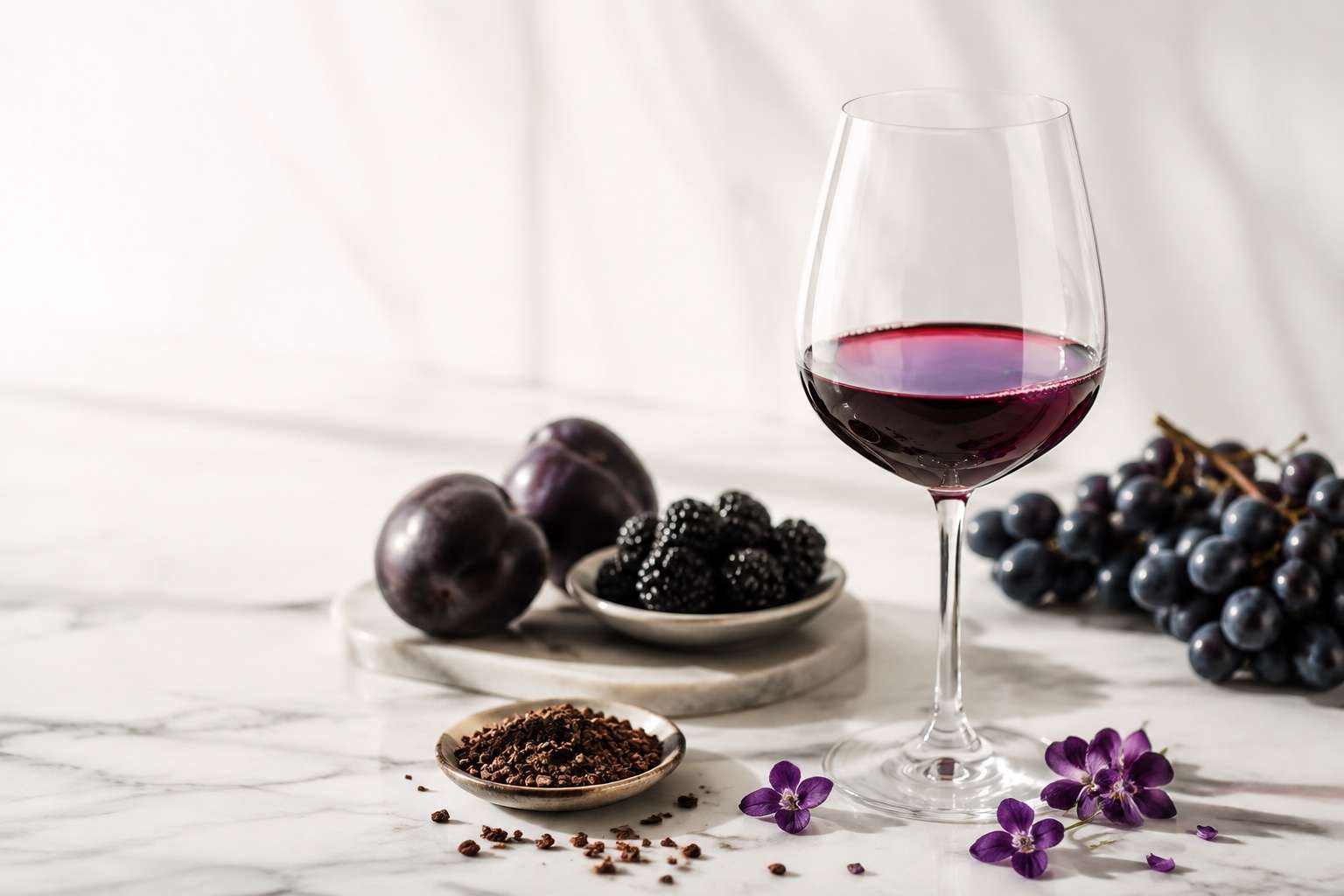
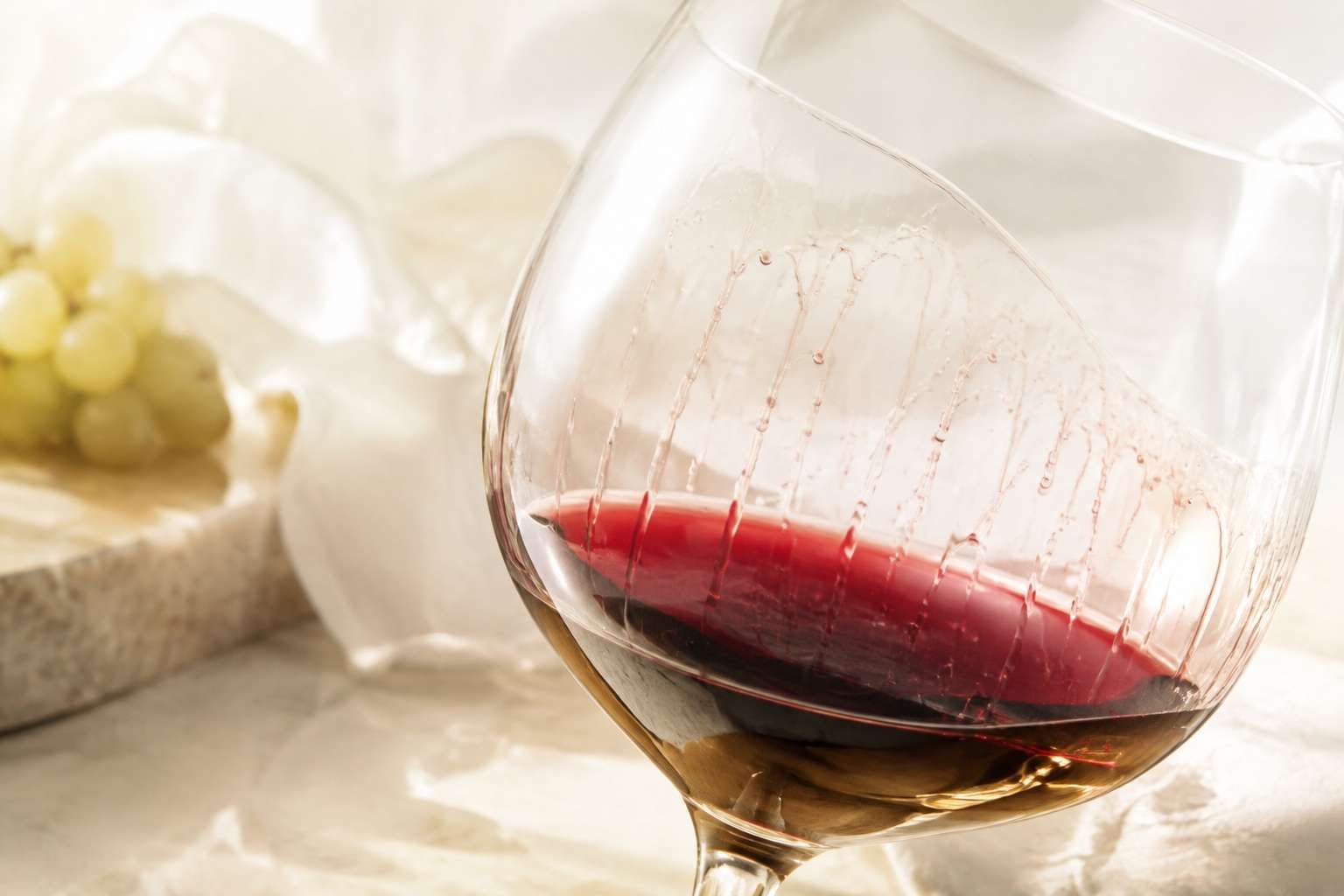
Both are fortified wines, made by adding grape spirit to stop or follow fermentation, and both come from Portugal. What sets them apart is what happens next. Port winemakers protect the wine’s fresh fruit, especially in Ruby, Late Bottled Vintage, and Vintage styles that age with little air contact. Madeira winemakers do the opposite: they deliberately expose the wine to warmth and oxygen. Historically, barrels of wine shipped from Madeira crossed the tropics in ship holds, and merchants noticed the heat and motion improved the wine. Today, producers recreate that by heating the wine in tanks or aging it for years in warm attics. The result is a wine that has already oxidized, so it tastes of caramel and nuts, and it barely changes after you open it. Port tastes like fruit; Madeira tastes like toffee with a squeeze of citrus.
Port is generally sweet, rich, and velvety, around 19 to 20 percent alcohol. Ruby styles taste of blackberry, black cherry, plum, and chocolate; aged Tawny Port shifts toward caramel, dried fig, and hazelnut. Acidity is moderate, so the sweetness feels plush. Madeira tastes of caramel, toffee, toasted walnut, dried apricot, orange peel, coffee, and burnt sugar, and its standout feature is high acidity. That tangy freshness makes even sweet Madeira feel lively rather than heavy. Alcohol usually sits around 17 to 20 percent. Sweetness depends on the grape named on the label. Sercial is the driest and most tangy, Verdelho is medium-dry, Bual (also spelled Boal) is medium-sweet, and Malmsey (Malvasia) is the richest and sweetest. Many blended Madeiras are made from Tinta Negra and simply labeled dry, medium dry, medium sweet, or sweet.

Port comes from the Douro Valley in northern mainland Portugal, where grapes such as Touriga Nacional, Touriga Franca, and Tinta Roriz grow on steep terraces. Spirit is added during fermentation to keep natural sweetness, and the wine is aged in tanks, large vats, or small barrels depending on style. Madeira comes from the island of Madeira, a volcanic island far out in the Atlantic, off the coast of North Africa. Its vineyards cling to steep coastal terraces. After fortification, Madeira is heated in one of two ways. The quicker estufagem method warms wine in tanks for a few months and is used for most everyday Madeira. The slower canteiro method ages wine in casks in warm lofts for years and is reserved for the finest bottles. Aged Madeira is labeled 5, 10, 15, or 20 years old, or by vintage.
Port is the classic partner for dark chocolate, chocolate cake, and berry desserts, and its pairing with Stilton is legendary. Tawny Port pairs beautifully with crème brûlée, pecan pie, and roasted nuts. Madeira’s range of sweetness makes it more flexible. Dry Sercial is a superb aperitif and a surprising match for consommé, mushroom soup, smoked fish, and salted almonds. Medium-dry Verdelho suits pâté, roast pork, and hard cheeses. Sweet Bual and Malmsey are wonderful with caramel desserts, fruitcake, pumpkin pie, coffee-flavored treats, and aged cheeses. Madeira is also a star in the kitchen. A splash makes the classic Madeira sauce for steak, mushrooms, and roast meats, and it adds depth to gravies and stews. Our cooking with wine guide explains how to choose a bottle that is good enough to drink.
Madeira’s biggest practical advantage is longevity. Because it has already been heated and oxidized, an opened bottle stays in good shape for months, and fine old vintage Madeira can last for many decades in the bottle. Ruby Port lasts about two weeks once opened and Tawny Port a month or more, so Madeira is ideal if you sip slowly. See how long wine lasts once opened for more. Serve Port slightly below room temperature, around 60 to 65°F. Serve dry Madeira lightly chilled, around 55°F, and sweet Madeira slightly cool, around 60°F, in a small white wine glass. On price, good Ruby Port and 3-year or 5-year Madeira often cost $15 to $30. Ten-year-old Madeira and Tawny Port usually run $30 to $60, while very old vintage bottles of either can be a serious splurge.
Choose Port when you want a rich, fruity, sweet wine to finish dinner, especially with chocolate, berry desserts, or blue cheese. It is the more familiar option and an easy crowd-pleaser on a cold night. Choose Madeira when you want a wine with tangy acidity and complex caramel and nut flavors, when you need a bottle that will last for months after opening, or when you want one wine that can work from aperitif through dessert. If you are new to Madeira, try a 5-year-old Bual or Malmsey for sweetness, or a Sercial if you enjoy dry Sherry. And if you love Port, explore its range with our Tawny Port vs Ruby Port comparison, or see how it stacks up against Spain’s classic in Port vs Sherry.
| Attribute | Port | Madeira |
|---|---|---|
| Origin | Douro Valley, mainland Portugal | Madeira island, Atlantic Ocean |
| Winemaking | Fortified mid-fermentation; mostly protected from heat | Fortified, then heated and oxidized on purpose |
| Flavor | Blackberry, plum, chocolate; caramel in Tawny | Caramel, toasted walnut, orange peel, coffee |
| Sweetness | Usually sweet | Dry (Sercial) to sweet (Malmsey) |
| Acidity | Moderate | High and tangy |
| Shelf life once opened | About 2 weeks (Ruby) to a month or more (Tawny) | Several months |
Sercial is dry, Verdelho medium-dry, Bual medium-sweet, and Malmsey the sweetest Madeira.
An opened bottle of Madeira stays good for months, perfect for occasional sipping.
A splash of Madeira makes a rich pan sauce for steak, mushrooms, and roast meats.
Learn Your Taste
Answer a few simple questions and discover styles that fit your palate.
Take the Wine QuizNot always. Port is usually sweet, while Madeira ranges from dry Sercial to rich Malmsey. Sweet Madeira can match Port's sweetness, but its high acidity makes it taste less heavy and more tangy.
Heating recreates what happened when barrels of Madeira crossed the tropics on sailing ships. The warmth and oxygen develop caramel, nut, and toffee flavors and make the wine extremely stable, so it lasts a long time after opening.
Madeira lasts for several months after opening, longer than almost any other wine. Recork it and store it upright in a cool, dark place. Its flavors may soften slightly over time but rarely spoil.
Yes. Ruby Port makes fruity reductions for duck, beef, and figs. Madeira is the base of classic Madeira sauce and adds nutty depth to mushrooms, gravies, and stews. Use a decent drinkable bottle, not salted cooking wine.
The four classic grape-named styles are Sercial (dry), Verdelho (medium-dry), Bual or Boal (medium-sweet), and Malmsey or Malvasia (sweet). Many blends use Tinta Negra and are labeled by sweetness and age instead.
Mostly. Port is usually made from red grapes, though White Port exists. The classic Madeira grapes are white, but Tinta Negra, a red grape, is widely used. Either way, aged Madeira turns amber or brown from heat and oxidation.

