Skip Cooking Wine
Salted cooking wine tastes flat. A cheap bottle of real dry wine works much better.

Understand Wine. Enjoy Every Glass.
Wine Basics
A splash of wine can turn a simple pan sauce into something restaurant-worthy. Here is how cooking with wine works, which bottles to grab, and which to leave on the shelf.
Start Learning
Wine adds three things to food: acidity, flavor, and depth. The acidity in wine brightens rich dishes the way a squeeze of lemon does, and it helps balance fat in cream sauces and braises. As wine simmers, its water and some alcohol evaporate, concentrating fruit and savory notes. Alcohol also helps release flavors from herbs, garlic, and tomatoes that water alone cannot carry. That is why cooking with wine can make a simple dish taste layered and complete. The key is timing. Add wine early enough to simmer for at least a few minutes so the raw, boozy edge cooks away, leaving only the good parts. Wine added right at the end can taste harsh, unless you are using a fortified wine like Sherry or Madeira as a finishing touch.
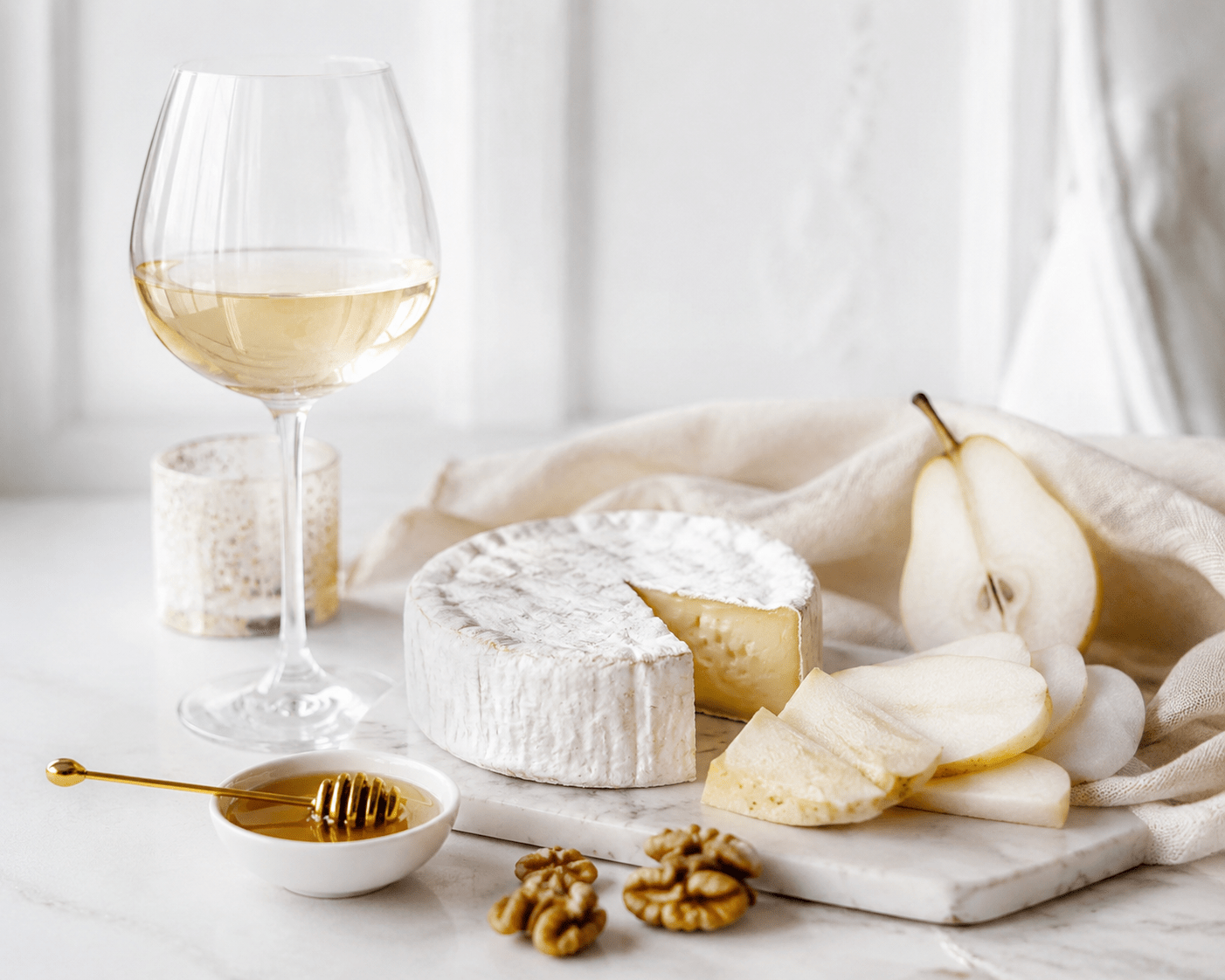
Choose a dry, crisp, unoaked white. Sauvignon Blanc is a top all-rounder, with bright acidity and herbal notes that suit chicken, fish, shellfish, and vegetables. Pinot Grigio is neutral and reliable. Unoaked Chardonnay and Chablis work well in cream sauces. Dry vermouth is a cook’s secret weapon: it has herbal complexity and, because it is fortified, it keeps for weeks in the fridge after opening. Avoid heavily oaked Chardonnay; when reduced, the oak can turn bitter and overpowering. Also skip sweet whites like Moscato unless the recipe calls for sweetness, since their sugar concentrates as they cook. Classic white wine dishes include steamed mussels, chicken piccata, beurre blanc, and risotto, where a glass of dry white goes in after toasting the rice. Our white wine guide explains each style.
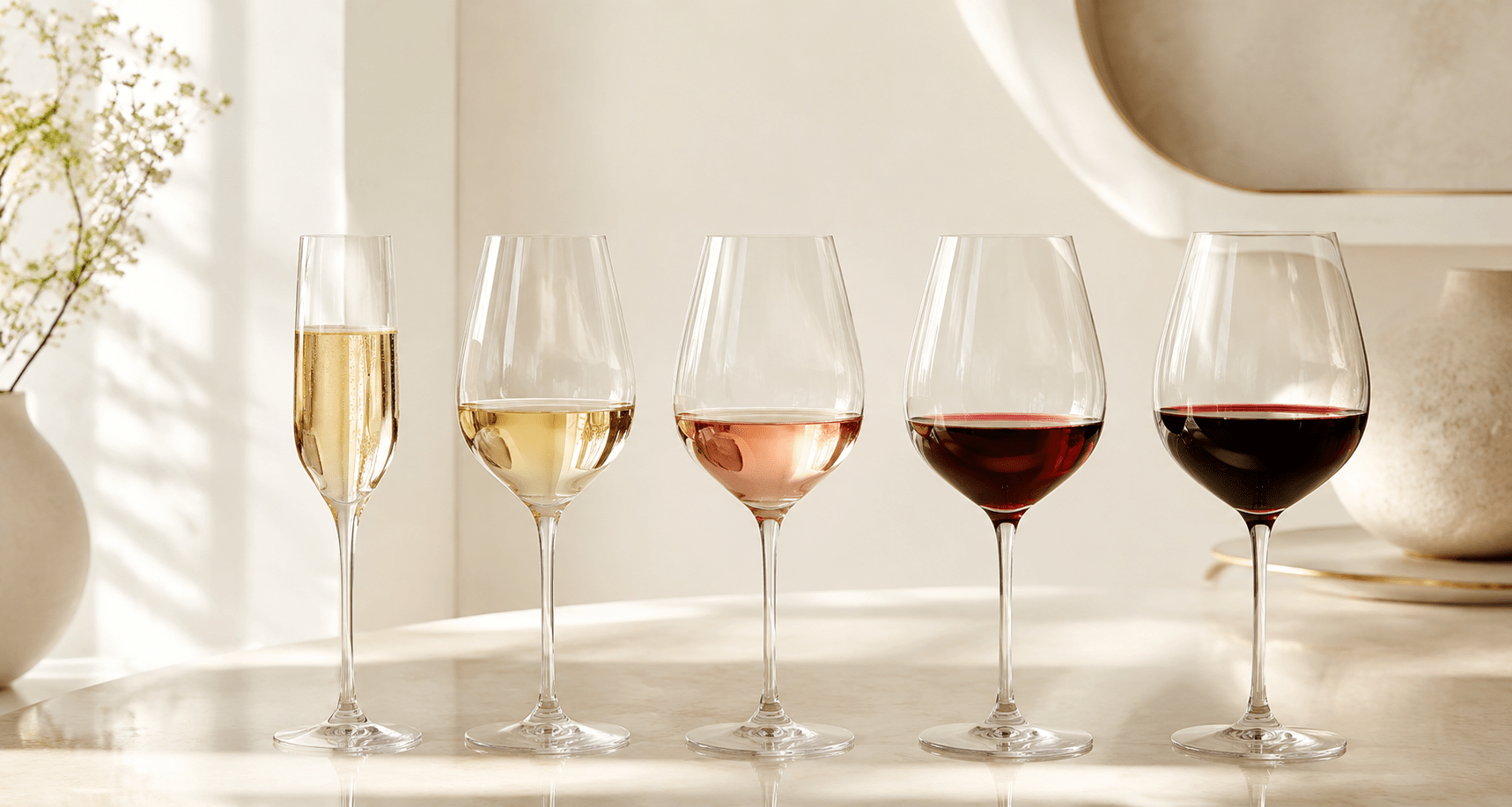
For red wine dishes, choose something dry, fruity, and moderately tannic. Merlot is soft and plummy and works almost anywhere. Côtes du Rhône and Grenache-based blends bring juicy fruit and spice to stews. Chianti and other Sangiovese wines have the acidity to stand up to tomato sauces, ragù, and meatballs. Pinot Noir is lovely in mushroom sauces and coq au vin. Avoid very tannic, heavily oaked reds such as young Cabernet Sauvignon for long reductions; as the wine concentrates, tannins can turn the sauce astringent and bitter. In a long braise with plenty of meat, though, a sturdy red works well because the proteins soften the tannin. Beef bourguignon, braised short ribs, red wine pan sauce for steak, and pears poached in red wine are classic places to start.
Fortified wines have grape spirit added, so they last much longer after opening and bring concentrated, nutty, or sweet flavors. Dry Sherry, such as Fino or Amontillado, adds savory depth to soups, mushroom dishes, and Spanish-style garlic shrimp; read more in our Sherry guide. Marsala is the star of chicken or veal Marsala and Italian desserts like zabaglione. Madeira gives sauces for steak and roast meats a rich, caramel edge. Port reduces into a glossy, sweet sauce that pairs beautifully with duck, lamb, or blue cheese, and our Port wine page covers the styles. Because these wines are intense, you usually need only a few tablespoons to a half cup. A splash added near the end of cooking keeps their aroma vivid.
Buying cooking wine. Supermarket cooking wine usually contains added salt and preservatives and tastes flat; a cheap bottle of real wine is far better. Using spoiled wine. Leftover wine that has been open a few days is fine for cooking, but wine that tastes like vinegar or is corked will pass those flaws into your food. Adding wine too late. Simmer it for at least a few minutes so the alcohol taste mellows. Over-reducing. Wine reduced too far can taste sour or bitter, especially red. Thinking the alcohol all cooks off. It does not. A short simmer leaves a meaningful amount, and even long braises keep a little. Keep that in mind when cooking for children, people who avoid alcohol, or anyone who should not drink.
A simple rule makes dinner easy: drink the same style of wine you cook with. If you deglaze a chicken pan sauce with Sauvignon Blanc, pour the rest of the bottle at the table; the flavors will echo each other. A Chianti-braised ragù tastes even better with a glass of Chianti. This does not mean you need to cook with an expensive bottle. Use a sound, affordable version of the style in the pan, and save a nicer bottle of the same grape for drinking if you like. Leftover wine is perfect for cooking, and freezing it in ice cube trays gives you ready portions; see our page on leftover wine uses. For more dish ideas, our guide to wine with risotto shows how one bottle can serve the pot and the table.
Choose an affordable, dry wine that matches the dish: crisp white for light food, soft red for hearty food.
Sear meat or sauté aromatics until browned bits stick to the bottom of the pan.
Pour in the wine and scrape up the browned bits with a wooden spoon as it bubbles.
Let the wine simmer for several minutes, until reduced by about half and no longer smells boozy.
Add stock, cream, or butter, season to taste, and adjust with a splash more wine if needed.
| Dish | Best Wine to Cook With | Why |
|---|---|---|
| Chicken, fish, and shellfish | Sauvignon Blanc or Pinot Grigio | Bright acidity without heavy oak |
| Cream sauces and risotto | Unoaked Chardonnay or dry vermouth | Rounder flavor that balances richness |
| Beef stew and braises | Merlot or Côtes du Rhône | Soft tannins and ripe fruit reduce smoothly |
| Tomato sauces and ragù | Chianti or Sangiovese | High acidity matches tomatoes |
| Mushroom dishes | Pinot Noir or dry Sherry | Earthy, savory notes echo mushrooms |
| Pan sauces for steak or duck | Madeira or Port | Rich, concentrated sweetness and depth |
Salted cooking wine tastes flat. A cheap bottle of real dry wine works much better.
Dry vermouth lasts for weeks in the fridge and substitutes well for dry white wine.
Pour leftover wine into ice cube trays for ready-made portions for sauces.
Learn Your Taste
Answer a few simple questions and discover styles that fit your palate.
Take the Wine QuizOnly partly. Simmering removes some alcohol, and longer cooking removes more, but some always remains, especially after short cooking times. Keep that in mind if you are serving children, pregnant guests, or anyone who avoids alcohol.
Use stock plus a splash of vinegar or lemon juice to replace the acidity. For white wine, try chicken or vegetable stock with white wine vinegar. For red, use beef stock with a little red wine vinegar or unsweetened grape juice.
No. Most supermarket cooking wine has added salt and preservatives, which make it taste flat and can oversalt your dish. Regular, inexpensive dry wine gives much better flavor and lets you control the seasoning.
Often, yes, if it has been refrigerated with the cork in and still smells pleasant. It will have lost freshness but is usually fine for braises and sauces. If it smells like vinegar or nail polish, discard it.
No. Heat destroys the subtle aromas that make expensive wine special. A sound, affordable bottle of the right style works just as well. Save the good bottle for drinking alongside the meal.
A dry, fruity red with moderate tannins, such as Merlot, Côtes du Rhône, or Chianti, is ideal. These reduce smoothly and add depth without turning bitter. Very oaky or tannic reds can make the sauce astringent.