Trust the First Sniff
Musty smells rarely go away. If it smells like wet cardboard, it is corked.

Understand Wine. Enjoy Every Glass.
Wine Basics
Most wine you open is perfectly fine. When a bottle is off, though, it usually tells you in the first sniff. Here is how to tell if wine is bad and what to do next.
Start Learning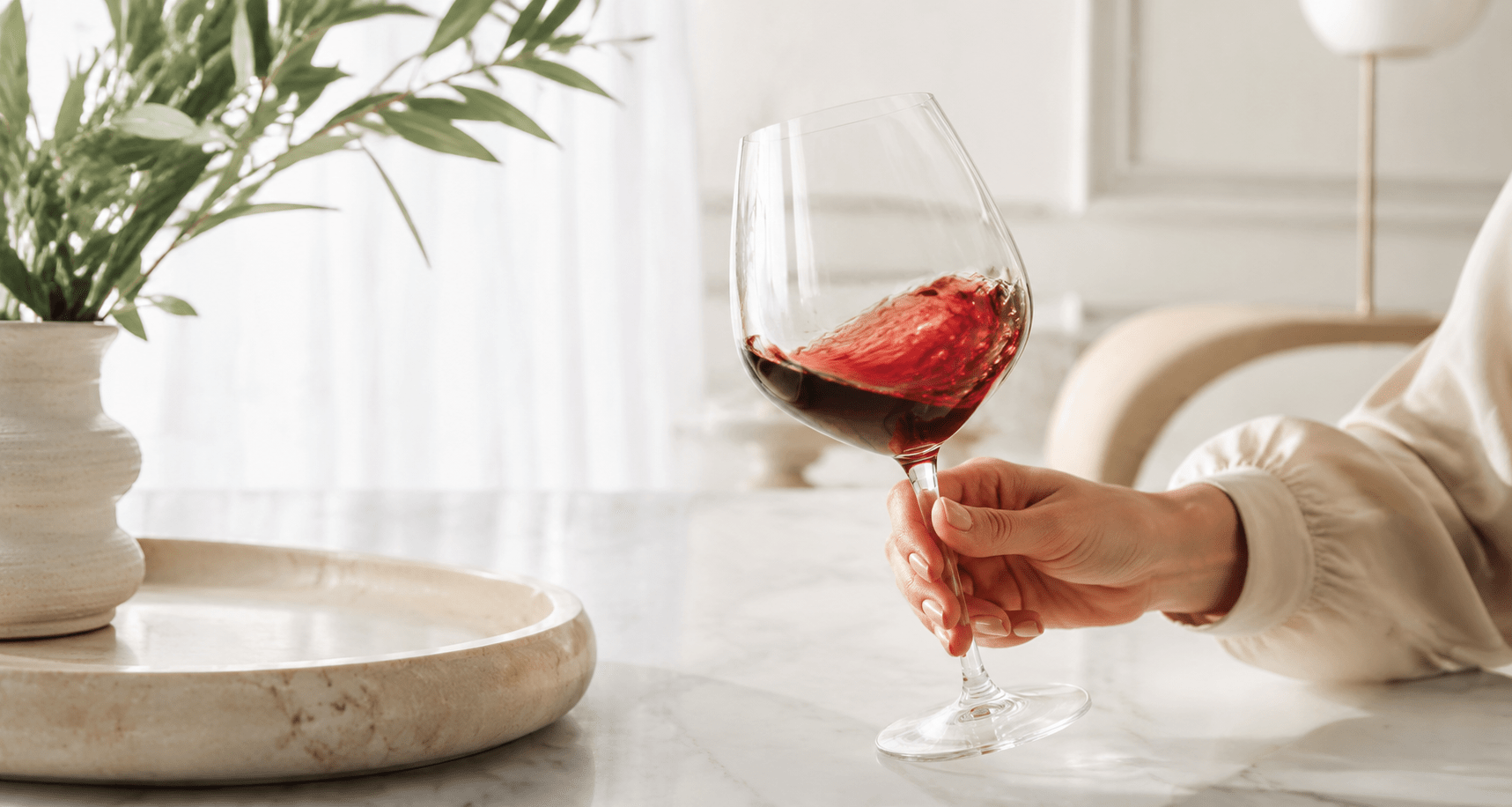
Your nose is the fastest tool for checking whether wine is bad. Pour a small amount, give it a gentle swirl, and smell before you sip. A healthy wine smells of fruit, flowers, spice, oak, or earth, depending on the style. A faulty wine smells wrong in a way that is hard to ignore: musty, sour, burnt, or strangely flat. Next, look at the color against a white background. Whites that have turned deep gold or brown, and reds that look brick-orange while still young, may be oxidized. Finally, taste a small sip. Bad wine often lacks fruit entirely or has a harsh, sour finish. Learning how to taste wine properly makes faults easier to spot, because you will already know what a sound wine should smell like.
Corked wine is contaminated by a compound called TCA (2,4,6-trichloroanisole), which can form in natural cork and sometimes in winery equipment. It smells like wet cardboard, a damp basement, moldy newspaper, or a wet dog. Even when the musty smell is faint, TCA flattens the wine’s fruit, so a corked bottle may simply seem dull and lifeless compared to what you expected. Corked wine is not dangerous to drink, but it will not improve with air, decanting, or time. The term has nothing to do with bits of cork floating in your glass, which are harmless and can be fished out. Bottles sealed with screw caps are far less likely to be corked, which is one reason for the debate covered in cork vs. screw cap.
Oxidized wine has had too much contact with air. Whites turn golden or brown, reds look orange, and both taste flat, nutty, or like bruised apple. This is the usual fate of an open bottle left too long. Cooked or heat-damaged wine was stored somewhere hot, such as a car trunk or a sunny window. It tastes stewed, jammy, or like raisins, and the cork may be pushed up or sticky with seeped wine. Vinegar notes, called volatile acidity, smell sharp like nail polish remover or vinegar. Refermentation leaves unexpected bubbles in a still wine. Reduction smells like struck matches or rotten eggs; unlike the other faults, it often fades after a few minutes of air or decanting. Proper wine storage prevents most of these problems.
Some things look alarming but are perfectly fine. Tartrate crystals, sometimes called wine diamonds, are small clear or reddish crystals on the cork or bottom of the bottle. They form naturally when wine gets cold and are tasteless and harmless. Sediment in older reds or unfiltered wines is dark, gritty material from grape skins and tannins; decant the wine or pour slowly to leave it behind. Slight fizz in a young white such as Vinho Verde can be deliberate. Cloudiness is normal in many natural wines that skip filtering. And a little mold on the top of a cork under the capsule usually stays outside the bottle and does not affect the wine. When in doubt, judge the smell and taste, not the appearance.
At a restaurant, the server pours a small taste for exactly this reason. If the wine smells musty, sour, or cooked, say so politely; a good restaurant will replace a faulty bottle. You should not send wine back simply because you do not like the style, though many restaurants will help if you ask honestly. Our guide on how to order wine at a restaurant covers the ritual. At a shop, keep the receipt and bring back the bottle with most of the wine still in it; many retailers will exchange a corked or damaged bottle. At home, an oxidized bottle that is not otherwise spoiled can still be used for cooking in some cases, but a corked bottle is best poured out, since TCA will carry its musty flavor into food.
Once you open a bottle, oxygen starts changing it. Light whites and rosés usually stay fresh for three to five days with the cork back in and the bottle in the refrigerator. Full-bodied reds last around three to five days, and lighter reds a little less. Sparkling wine goes flat within one to three days, even with a stopper. Fortified wines such as Port and Sherry can last weeks because of their higher alcohol, though delicate Fino Sherry fades fast. The signs of an opened wine going bad are the same as oxidation: dull fruit, a brownish tint, and a sour or nutty taste. For more detail by style, see how long wine lasts after opening.
Check for a cork pushed up, sticky wine residue, or a low fill level, all signs of heat damage.
Pour a little against white paper. Brown whites or orange-tinged young reds suggest oxidation.
Swirl and sniff for wet cardboard, vinegar, rotten egg, or a flat, nutty smell.
Bad wine tastes dull, sour, or stewed, with little fresh fruit on the finish.
If it smells like struck match, swirl and wait. Reduction often fades, while cork taint never does.
Ask politely for a replacement at a restaurant, or bring the bottle and receipt back to the shop.
| Fault | Smell and Taste | Fixable? |
|---|---|---|
| Corked (TCA) | Wet cardboard, damp basement, muted fruit | No; return or discard |
| Oxidized | Flat, nutty, bruised apple, brownish color | No; may be usable for cooking |
| Heat damaged | Stewed, jammy, raisiny; pushed cork | No |
| Volatile acidity | Vinegar or nail polish remover | No |
| Reduction | Struck match, rotten egg | Often; give it air or decant |
| Tartrate crystals | No smell; clear crystals | Not a fault; harmless |
Musty smells rarely go away. If it smells like wet cardboard, it is corked.
A hot car trunk can cook a wine in a single afternoon.
Tartrate crystals are natural and harmless. Just pour carefully and enjoy the wine.
Learn Your Taste
Answer a few simple questions and discover styles that fit your palate.
Take the Wine QuizYes, it will not hurt you. Corked wine is unpleasant, not unsafe. TCA simply makes the wine smell musty and taste flat. Most people pour it out or return it, since the off flavor never goes away.
Estimates vary, and the rate has fallen as cork producers improved quality control. It is uncommon enough that most bottles you open will be fine. Screw-capped wines are much less likely to be affected.
Spoiled wine is generally not dangerous, because its alcohol and acidity keep harmful bacteria from growing. It just tastes bad. Wine that shows visible mold inside the bottle or smells truly rotten should be discarded.
It can. Most everyday wines are meant to be drunk within a few years and slowly fade after that. Heat, light, and dry corks speed up the decline. Only certain wines are built to improve for many years in the bottle.
Officially, the taste is for checking faults, not preference. Still, if you explain honestly, many restaurants will help, especially with by-the-glass wines. Faulty bottles, such as corked or cooked wine, should always be replaced.
That smell usually comes from reduction, a sulfur compound that forms when wine has very little oxygen. Swirling or decanting for a few minutes often clears it. If the smell persists after 15 minutes, the wine may be faulty.