Cool It Down
Give red wine 15–20 minutes in the fridge so it lands near 60–65°F.

Understand Wine. Enjoy Every Glass.
Wine Types
This red wine guide walks you from light, juicy reds to big, structured ones, so you can pick a bottle you will actually enjoy and serve it well.
Start Learning
Red wine starts with dark-skinned grapes, but the juice inside is almost always clear. Color comes from the skins. After crushing, the juice ferments together with skins and seeds for days or weeks. During that time it pulls out pigment, aroma, and tannins, the compounds that make your mouth feel dry. Winemakers then press the wine off the skins and often age it in oak barrels or steel tanks. Oak adds vanilla, spice, and toast, and slowly softens tannin. Most red wines finish fermentation completely, so nearly all of them are dry. Any red wine guide comes back to this one step: longer skin contact means deeper color and more grip. For the full process, see how wine is made.
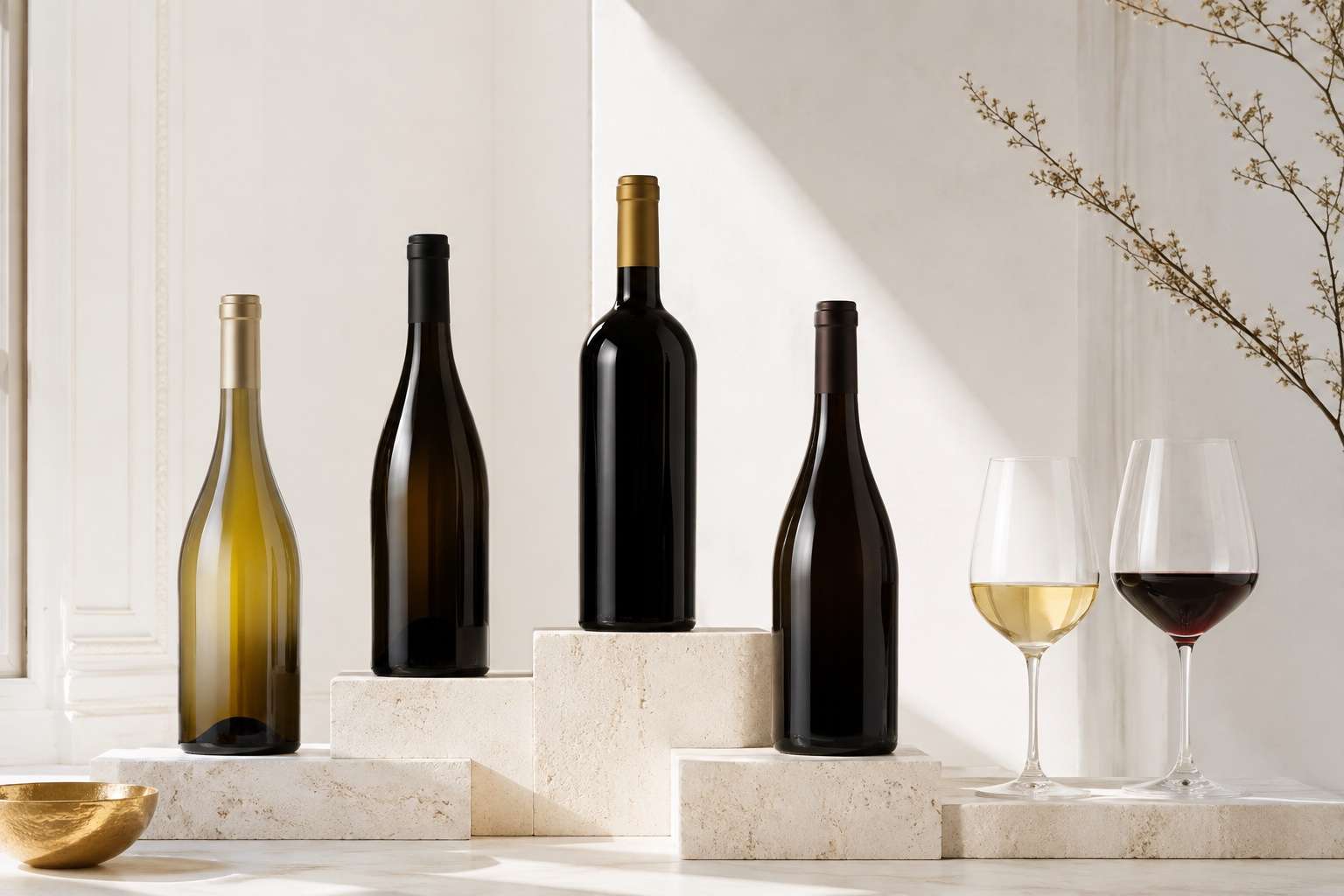
Body is the easiest way to sort reds. Light-bodied reds feel silky and taste of fresh red fruit. Pinot Noir brings cherry, raspberry, and earthy notes, while Gamay from Beaujolais is bright and juicy. Medium-bodied reds add more structure. Merlot is plush with plum and chocolate, Sangiovese from Chianti is tart-cherry and savory, and Tempranillo from Rioja shows leather and dried fruit. Full-bodied reds are bold and tannic. Cabernet Sauvignon tastes of blackcurrant and cedar, Syrah of blackberry and black pepper, and Malbec of ripe plum and violet. Our wine body explainer shows how alcohol and extract create that weight.
Most red wines taste of red or black fruit, with extra layers from the grape, the place, and the winemaking. Red fruit, such as cherry, strawberry, and cranberry, points to lighter grapes and cooler climates. Black fruit, such as blackberry, plum, and blackcurrant, points to riper, warmer-climate wines. Beyond fruit you may notice earth, mushroom, and forest floor in Old World reds, or vanilla, mocha, and baking spice from new oak. Structure matters as much as flavor. Tannin is the drying, grippy feel on your gums. Acidity makes your mouth water and keeps the wine fresh. Alcohol adds warmth and weight. A cool-climate Pinot Noir and a warm-climate Zinfandel are both red, yet one feels like cranberry juice and the other like jammy blackberry pie.
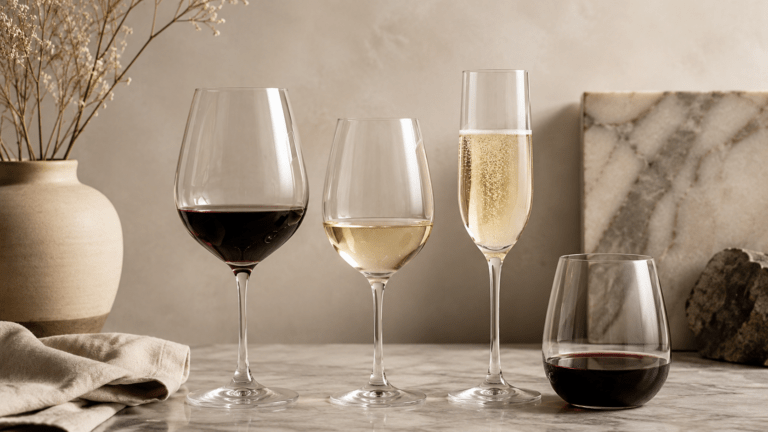
Serve red wine slightly cool, not at room temperature. Light reds like Pinot Noir and Gamay taste best around 55–60°F, and fuller reds like Cabernet around 60–65°F. A warm red tastes flat and boozy, so 15–20 minutes in the fridge helps on a hot day. Young, tannic reds open up with air. Pour them into a decanter 30–60 minutes before dinner, or simply open the bottle early. Older reds can throw sediment, so stand them upright for a day and pour slowly. Use a glass with a wide bowl and fill it about one-third full so you can swirl. For exact ranges by style, see our wine serving temperature chart and our guide to decanting wine.
Match weight with weight. Light reds suit salmon, roast chicken, mushrooms, and charcuterie, because they will not bury delicate flavors. Medium reds love tomato sauces, pizza, burgers, and roast pork. Full-bodied reds shine with grilled steak, lamb, and aged hard cheeses, since fat and protein soften their tannin. High-acid Italian reds like Sangiovese and Barbera cut through tomato and cheese, which is why they work so well with pasta. Be careful with spicy food: heat makes tannin and alcohol feel harsher, so choose a fruity, low-tannin red. Avoid very tannic reds with delicate fish, where they can taste metallic. Try classic matches like Cabernet with steak and Pinot Noir with salmon.
Start with the grape or region on the label. If you know you like soft, fruity wines, look for Merlot, Malbec, Grenache, or Zinfandel. If you prefer savory and tangy, try Chianti, Rioja, or Côtes du Rhône. Region hints at climate: cool places like Burgundy and Oregon make lighter, more tart reds, while warm places like Napa, Barossa, and Mendoza make riper, bolder ones. Spanish aging terms help too. Crianza sees some oak, Reserva more, and Gran Reserva the longest aging. Good value hides in southern France, Portugal, Chile, and Argentina, often under $20. Our best red wines under $20 list and label reading guide will help you shop with confidence.
| Grape or Style | Body and Taste | Try It With |
|---|---|---|
| Pinot Noir | Light; cherry, raspberry, earth | Salmon, duck, mushrooms |
| Gamay (Beaujolais) | Light; juicy red berries, low tannin | Charcuterie, roast chicken |
| Merlot | Medium; plum, black cherry, soft tannin | Pork chops, burgers, pasta |
| Sangiovese (Chianti) | Medium; tart cherry, herbs, high acid | Pizza, tomato sauces |
| Cabernet Sauvignon | Full; blackcurrant, cedar, firm tannin | Ribeye, lamb, aged cheddar |
| Syrah or Shiraz | Full; blackberry, pepper, smoke | Barbecue, grilled sausages |
Give red wine 15–20 minutes in the fridge so it lands near 60–65°F.
Decant young Cabernet, Syrah, or Malbec for 30–60 minutes to soften tannin.
New to reds? Begin with Pinot Noir or Gamay before moving to tannic, full-bodied grapes.
Learn Your Taste
Answer a few simple questions and discover styles that fit your palate.
Take the Wine QuizMerlot, Malbec, and Pinot Noir are easy starting points. They have soft tannin and plenty of ripe fruit, so they taste smooth even without food. Zinfandel is another good choice if you like jammy, fruit-forward wines.
Most red wine is dry. Fermentation usually converts all the sugar to alcohol, though ripe fruit flavors can make a wine seem sweet. Truly sweet reds include ruby port, Lambrusco Amabile, and Brachetto d'Acqui.
Yes, slightly. Most reds taste best at 60–65°F, which is cooler than a typical room. Light reds such as Gamay and Pinot Noir can go even cooler, around 55°F, especially in summer.
Usually three to five days with the cork back in and the bottle in the fridge. Full-bodied, tannic reds tend to last longer than delicate ones. Let the wine warm up a bit before you pour it again.
Merlot is the classic smooth red, with plush plum fruit and gentle tannin. Grenache, Malbec, and many Pinot Noirs are also soft. Wines described as smooth usually have riper fruit, lower tannin, and a little oak.
Tannin causes that drying feel. These compounds come from grape skins, seeds, stems, and oak barrels, and they bind with proteins in your saliva. Cabernet Sauvignon and Nebbiolo are high in tannin, while Gamay is low.