Let the Sauce Pick the Chicken Wine
Chicken is mild, so choose the wine for the sauce or seasoning on top.

Understand Wine. Enjoy Every Glass.
Wine Pairings
Chicken is the most flexible meat at the table, which is good news for wine. Pick by the sauce and cooking method, and almost any style can work.
Start Learning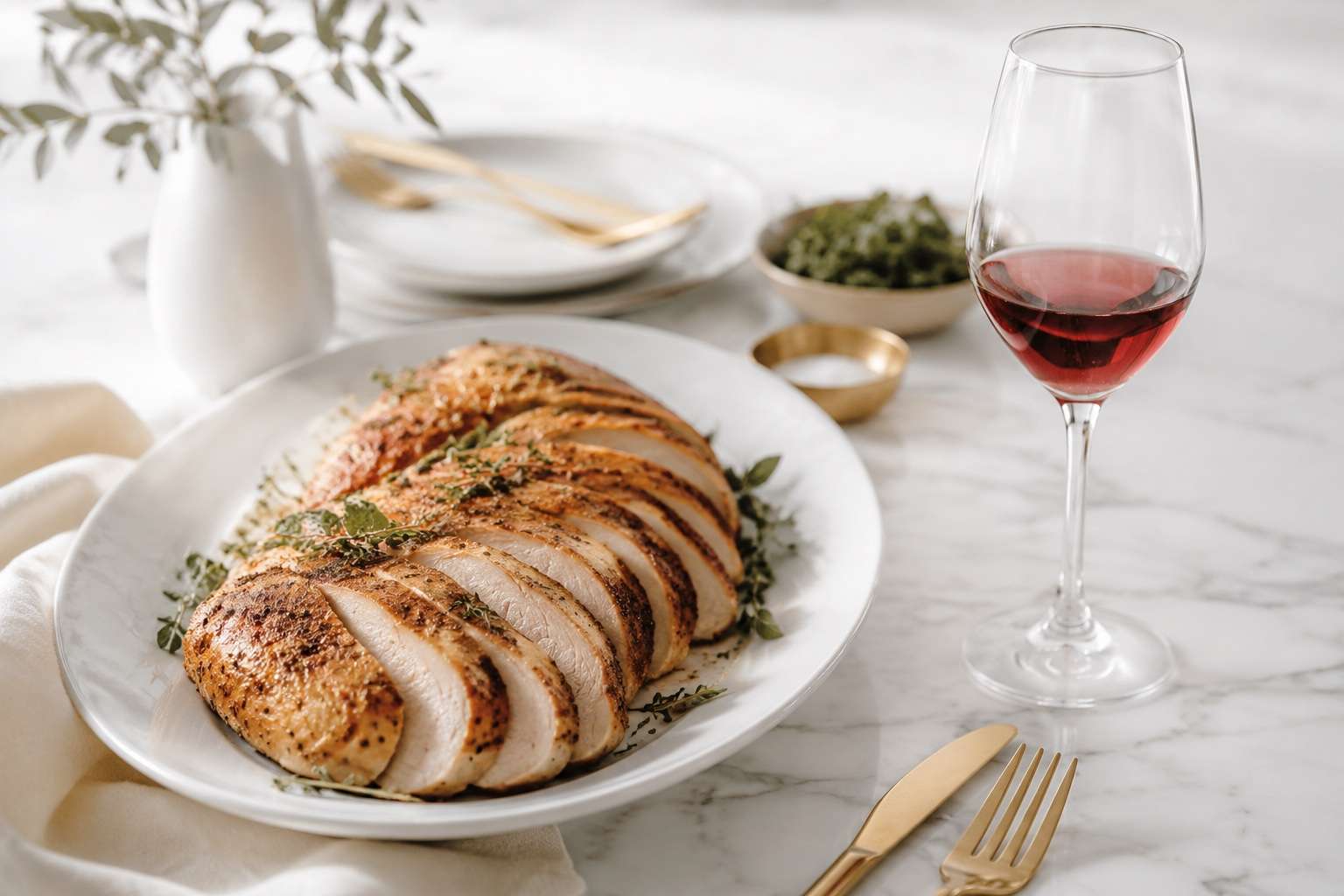
Chicken is mild, lean, and medium in weight, so it does not demand much from a wine. That is why finding a good wine with chicken is less about the bird and more about everything you put on it. A plain roast chicken is a blank canvas that works with both whites and light reds. Once you add cream, lemon, barbecue sauce, or chiles, those flavors become the real pairing target. Two traits help in almost every case. Bright acidity keeps the wine fresh against crispy skin and pan juices, and moderate body keeps it from steamrolling the meat. Heavy, tannic reds are the one style that rarely helps, because chicken has too little fat to soften the tannin. White meat leans toward whites; richer dark meat, such as thighs and legs, can stand up to a light red.
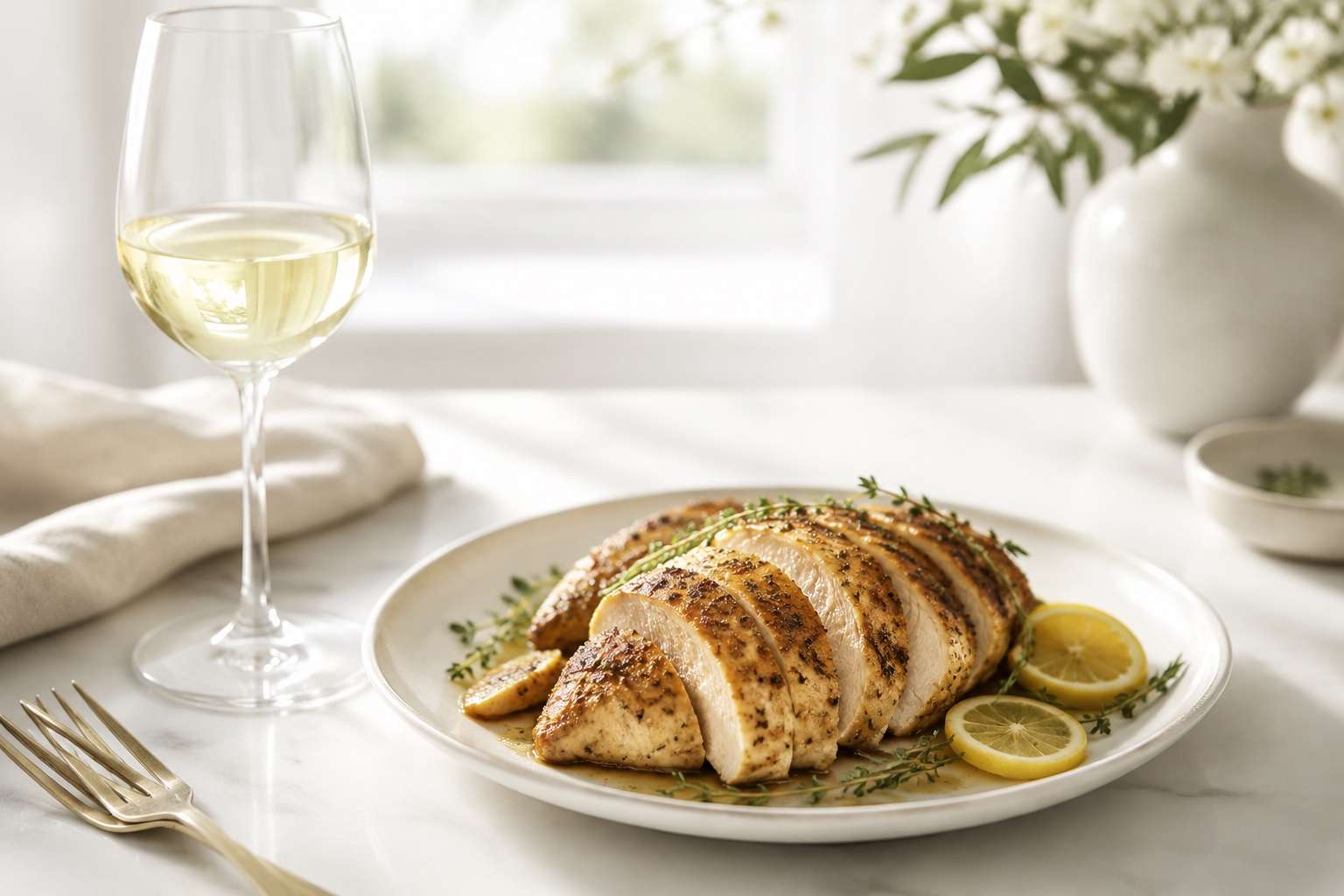
For roast chicken, the classic choice is a lightly oaked Chardonnay, such as white Burgundy, or a silky Pinot Noir; both echo the golden skin and savory juices. Grilled chicken with a bit of char pairs well with dry rosé or a juicy Grenache. Lemon and herb chicken calls for a zesty Sauvignon Blanc, whose citrus and grassy notes mirror the seasoning. Chicken piccata, with capers and lemon, works with the same wine or a crisp Vermentino. Coq au vin is braised in red wine, so drink a red Burgundy or another Pinot Noir. Chicken Parmesan is really about the tomato sauce, which makes a Chianti or other Sangiovese the right call. The table below sums up the most common dishes.
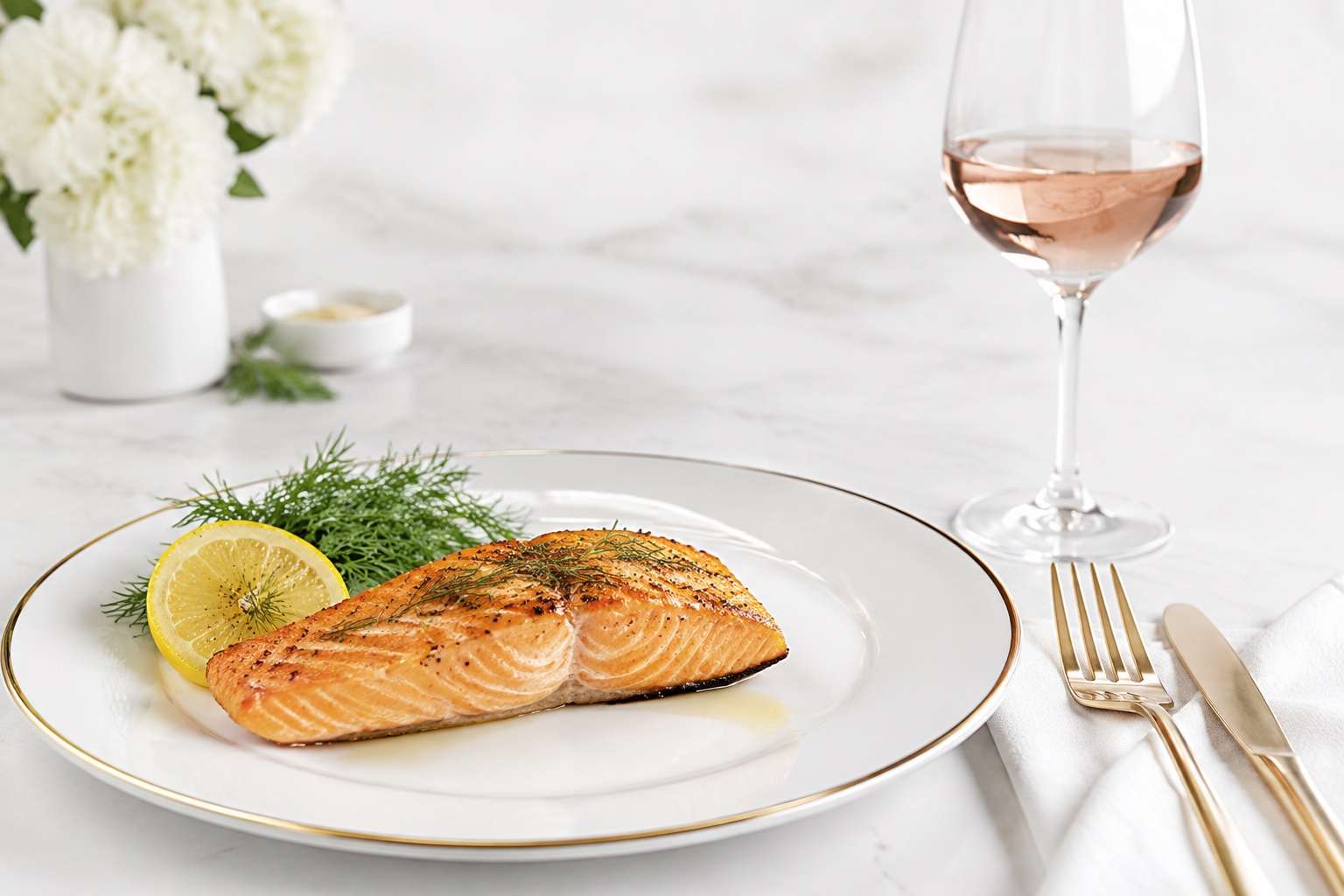
Sauce decides the bottle. A cream or butter sauce, as in chicken Alfredo or chicken à la king, wants a fuller Chardonnay from California or Australia, where oak and ripe fruit match the richness. Mushroom sauces and chicken marsala bring earthy depth that Pinot Noir from Oregon or Burgundy loves. Barbecue chicken, with sweet and smoky glaze, needs a fruit-forward red like Zinfandel that can match the sugar. Spicy dishes, from buffalo wings to Nashville hot chicken, are best with an off-dry Riesling, since a touch of sweetness and lower alcohol calm the heat. Curries such as chicken tikka masala do well with aromatic whites like Gewürztraminer or Viognier. Teriyaki and honey-garlic chicken also lean toward Riesling or a fruity rosé. When in doubt, match the strongest flavor on the plate.
All three can work, and the choice is a fun one rather than a risky one. White wine is the default for chicken breast, lighter preparations, and anything with citrus or cream. Beyond Chardonnay and Sauvignon Blanc, try Chenin Blanc from the Loire, which has apple and honey notes and enough acid for rich gravies. Red wine works best with dark meat, roasted or braised dishes, and earthy sauces. Stick to light, low-tannin reds such as Pinot Noir, Gamay from Beaujolais, or a soft Merlot. Dry rosé is the great peacemaker, with the freshness of a white and the berry fruit of a red, perfect for picnics, grilled chicken, and mixed tables. Sparkling wine deserves a special mention: Champagne, Cava, or Crémant with fried chicken is one of the most satisfying high-low pairings in the world.
A few styles tend to disappoint. Big, tannic reds such as young Cabernet Sauvignon, Barolo, or Tannat taste harsh and bitter against lean white meat, because there is not enough fat to tame their grip. Save them for steak or lamb. Very light, neutral whites can also fall flat with rich dishes; a watery Pinot Grigio vanishes next to creamy chicken pot pie. Heavily oaked, buttery Chardonnay can overwhelm simple poached or lemony chicken, so match the oak level to the richness of the sauce. With spicy chicken, avoid high-alcohol wines over about 14.5% ABV, since alcohol amplifies chile heat. Finally, very sweet wines usually clash with savory chicken unless the dish itself is sweet or spicy. A slightly off-dry Riesling is fine; a dessert wine is not.
Serve whites at 45–50°F for crisp styles and 50–55°F for fuller Chardonnay, so the flavors are not muted by cold. Serve light reds like Pinot Noir slightly cool, around 55–60°F; twenty minutes in the fridge does the trick. See our wine serving temperature guide for details. You do not need to spend much. French Mâcon Chardonnay, Chilean Sauvignon Blanc, Beaujolais-Villages, Spanish Cava, and many Côtes du Rhône rosés deliver real quality, often for under $20. For weeknight chicken, a box of good dry rosé or a reliable Pinot Noir from California covers most dishes. If you cook with wine, use one you would drink and pour the rest at the table, so the sauce and the glass speak the same language.
| Chicken Dish | Best Wine | Why It Works |
|---|---|---|
| Roast chicken | Chardonnay or Pinot Noir | Medium body matches savory skin and juices |
| Lemon and herb chicken | Sauvignon Blanc | Citrus and herbal notes mirror the seasoning |
| Creamy chicken or Alfredo | Oaked Chardonnay | Rich texture matches the cream |
| Chicken with mushrooms or marsala | Pinot Noir | Earthy notes echo the sauce |
| Fried chicken | Champagne, Cava, or Crémant | Bubbles and acid cut the grease |
| BBQ chicken | Zinfandel | Ripe fruit stands up to sweet, smoky glaze |
| Spicy wings or curry | Off-dry Riesling | Slight sweetness and low alcohol calm heat |
Chicken is mild, so choose the wine for the sauce or seasoning on top.
Thighs and legs have more fat and flavor, so they handle Pinot Noir easily.
Sparkling wine with fried chicken is a cheap, crowd-pleasing pairing that always works.
Learn Your Taste
Answer a few simple questions and discover styles that fit your palate.
Take the Wine QuizBoth work. White wine is the safer default for chicken breast, citrus, and cream sauces. Light reds like Pinot Noir or Beaujolais are great with dark meat, roasted chicken, and mushroom dishes. Avoid heavy, tannic reds.
Chardonnay and Pinot Noir are the classic picks. A lightly oaked white Burgundy or a California Chardonnay matches the golden skin, while Pinot Noir adds red fruit and earthiness that suits herbs, garlic, and pan juices.
Sparkling wine is the top choice. Champagne, Cava, Crémant, or Prosecco cut through the oil with acidity and bubbles. Dry rosé and off-dry Riesling are good alternatives, especially if the chicken is spicy.
An oaked or fuller-bodied Chardonnay is ideal. Its creamy texture and buttery notes match the sauce, and its acidity keeps the dish from feeling heavy. Chenin Blanc and white Rhône blends also work.
Usually not. Cabernet Sauvignon's firm tannins need fat and protein to soften, and chicken is too lean. The exception is a rich, braised dark-meat dish or barbecued chicken, where a softer Merlot is still the better choice.
An off-dry Riesling is the best match. Its slight sweetness and low alcohol cool the heat, and its acidity cuts through the butter in buffalo sauce. Dry rosé, Gewürztraminer, and Prosecco also work well with wings.