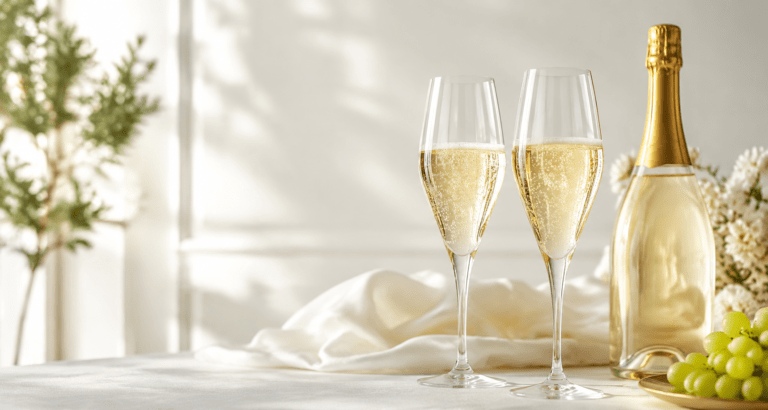
Cool High-Alcohol Grenache to 58–63°F
A light chill to 58–63°F keeps ripe, high-alcohol Grenache fresh and juicy.

Understand Wine. Enjoy Every Glass.
Grape Varieties
Grenache is the warm, strawberry-scented red behind Châteauneuf-du-Pape, Spanish Garnacha, and much of the world's best rosé. Here is what it tastes like and how to enjoy it.
Start Learning
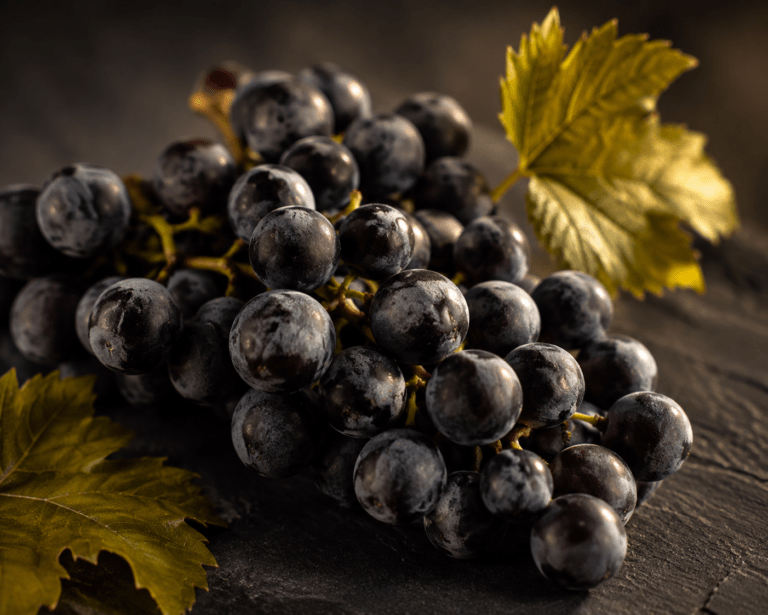
Grenache wine is warm, juicy, and fruity. The signature flavors are ripe strawberry and raspberry, joined by cherry, plum, and sometimes candied fruit. Spice and savory notes add depth: white pepper, cinnamon, licorice, orange peel, and the dried wild herbs of the Mediterranean known as garrigue. Grenache grapes have thin skins, so the wine is often surprisingly pale for its weight, with soft, gentle tannins and moderate acidity. It ripens to high sugar levels, so alcohol is often 14–15% or more, giving a round, warming texture. That combination of ripe fruit, soft tannin, and body makes Grenache easy to enjoy young. Old-vine Grenache from low-yielding sites is more concentrated, with darker fruit, leather, and more structure.
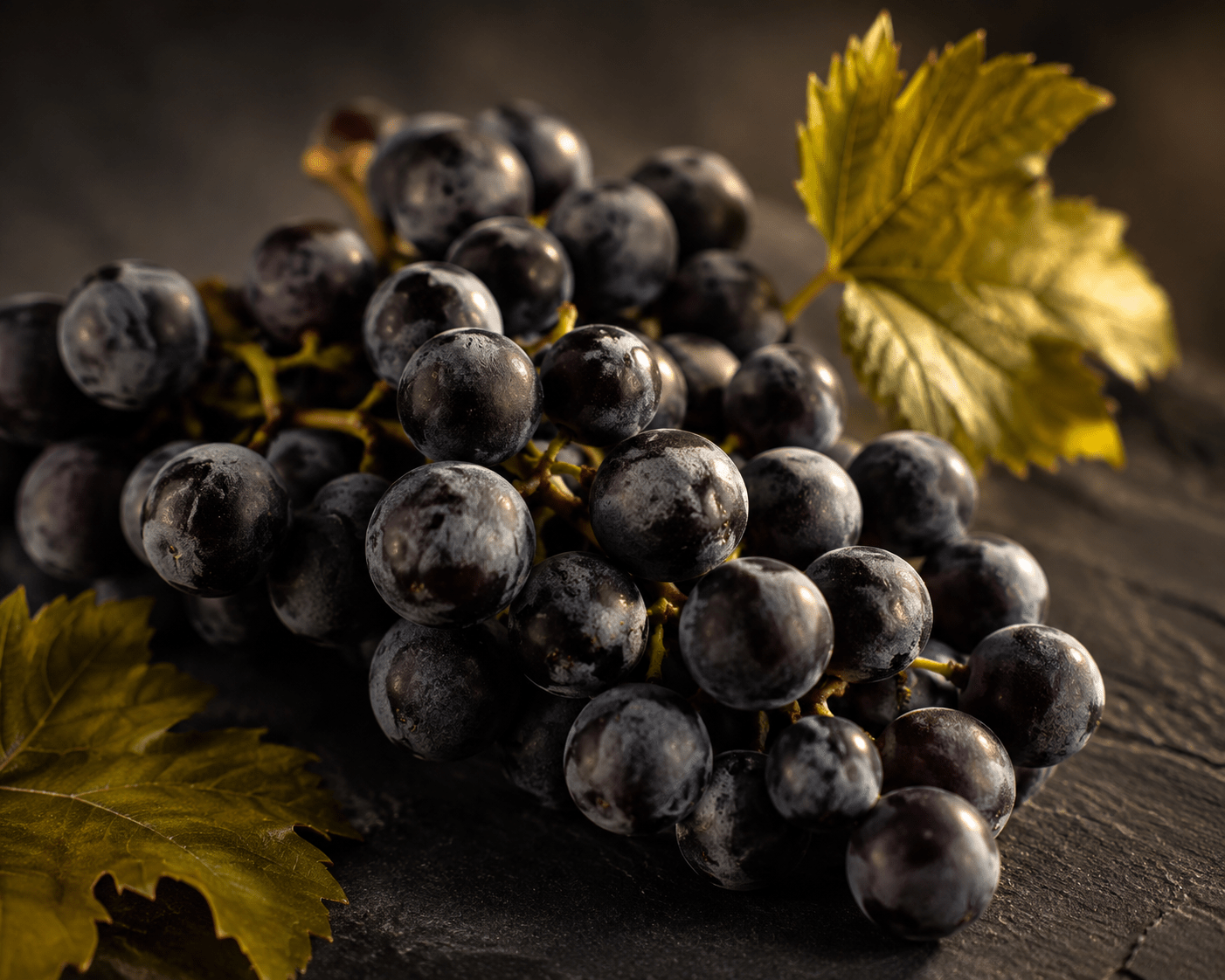
Grenache likely originated in Spain, where it is called Garnacha. It is the key grape of the southern Rhône Valley, leading the blends of Côtes du Rhône, Gigondas, Vacqueyras, and the famous Châteauneuf-du-Pape, where it gives ripe, spicy, generous wines. In Spain, Priorat makes intense, mineral Garnacha from old vines on slate soils, while Campo de Borja, Calatayud, and Navarra offer juicy, affordable bottles. Garnacha is also blended with Tempranillo in Rioja. Sardinia knows it as Cannonau, often savory and rustic. Australia’s Barossa Valley and McLaren Vale grow old-vine Grenache with vivid red fruit. Southern France’s Languedoc and Roussillon also use it widely, including for sweet fortified wines such as Banyuls.
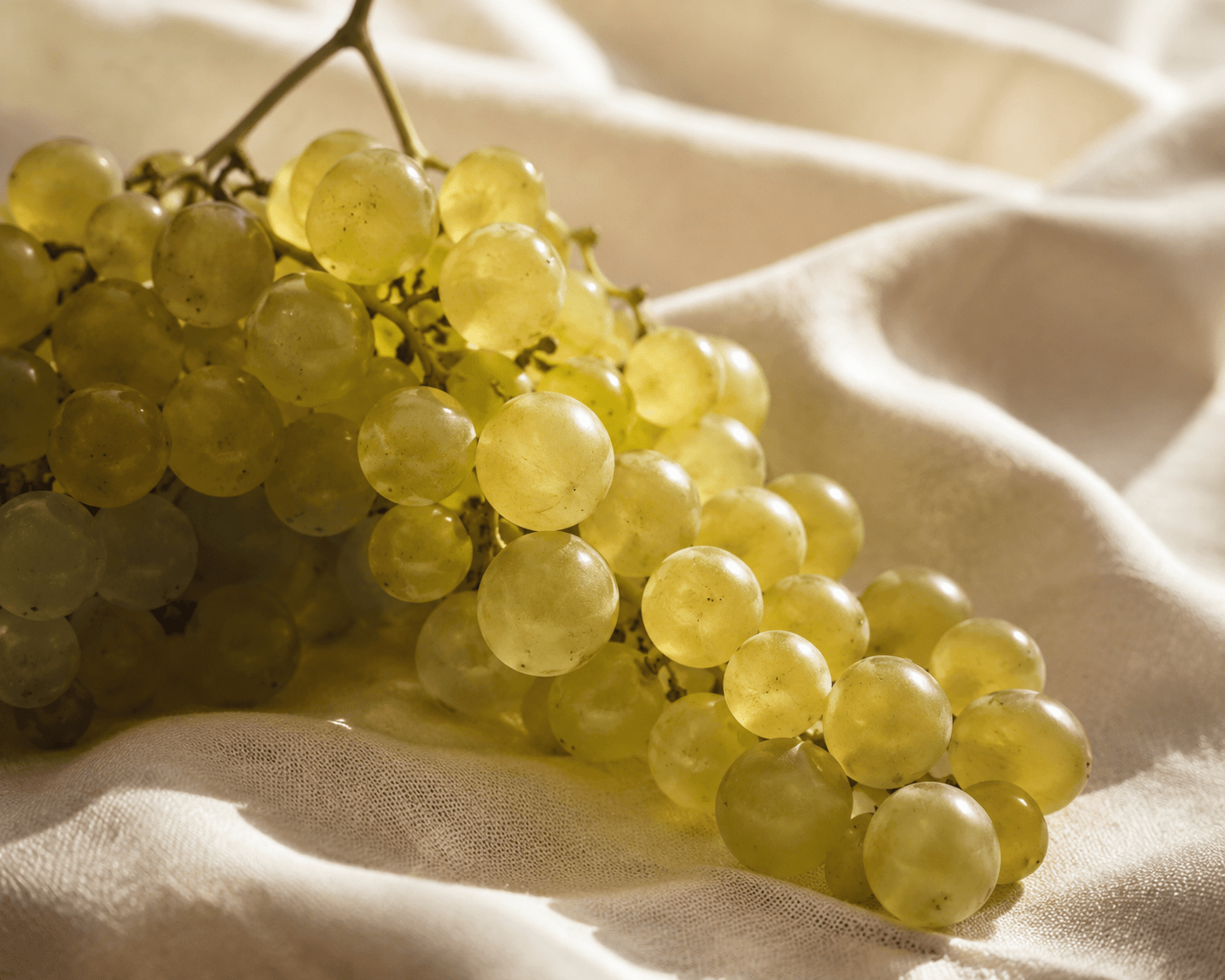
Grenache is a team player. The most famous partnership is GSM: Grenache, Syrah, and Mourvèdre. Grenache brings red fruit and body, Syrah adds color and pepper, and Mourvèdre adds structure and savory, earthy notes. This blend is the backbone of southern Rhône reds and is popular in Australia and California. Grenache also shines in pink. Its bright strawberry fruit and pale color make it ideal for dry rosé, and it is a major grape in Provence rosé, often blended with Cinsault and Syrah. Tavel, in the Rhône, makes a fuller, darker rosé from Grenache. Spain’s Navarra is known for fruity Garnacha rosado. There is even a white mutation, Grenache Blanc, used in white Rhône blends.
Serve Grenache slightly cool, at 58–63°F. Because its alcohol is high and its tannins are soft, a little chill keeps it fresh and lively; 20 minutes in the fridge is ideal. Light, fruity Garnacha can go even a touch cooler. Rosé made from Grenache should be served well chilled, at 45–50°F. Most Grenache does not need decanting. Big Châteauneuf-du-Pape or Priorat can benefit from 30 minutes of air when young. A standard red wine glass works, and a slightly wider bowl helps show its spice. An opened bottle keeps for two to four days in the fridge; its high alcohol makes it oxidize a bit faster than more tannic reds, so finish it soon. See our wine serving temperature guide for more.
Grenache’s soft tannins and ripe fruit make it very food-friendly, especially with Mediterranean flavors. Herb-crusted lamb and roast pork are classic matches, as are sausages and grilled chicken. Its spice and fruit suit Moroccan tagines and dishes with cumin or cinnamon. Because tannins are soft, it handles moderately spicy food better than most reds, which makes it a good option with barbecue and Mexican dishes. Grilled vegetables, ratatouille, and lentil stews work well for vegetarians. Lighter Garnacha is a good match for turkey and holiday meals with cranberry. Grenache rosé pairs with salads, grilled fish, and Mediterranean mezze. For cheese, try Manchego or aged sheep’s milk cheeses.
If you like Grenache, explore its southern French neighbors Cinsault, which is lighter and floral, and Mourvèdre, which is darker and earthier. Zinfandel shares Grenache’s ripe red fruit and warmth. For a lighter, more elegant red with similar strawberry notes, try Pinot Noir. When buying, Côtes du Rhône is one of the best value reds anywhere, usually Grenache-led and often under $20. Côtes du Rhône Villages, Gigondas, and Vacqueyras are steps up. Châteauneuf-du-Pape and Priorat are splurges. For pure varietal Garnacha at a bargain, look to Campo de Borja and Calatayud in Spain. Australian old-vine Grenache shows the grape’s lighter, more aromatic side.
| Region | Style | What to Expect |
|---|---|---|
| Châteauneuf-du-Pape, France | Rich GSM blends | Ripe raspberry, garrigue, spice, warmth |
| Côtes du Rhône, France | Fruity and affordable | Strawberry, pepper, easy drinking |
| Priorat, Spain | Intense, old vines | Dark cherry, slate minerality, power |
| Campo de Borja & Calatayud, Spain | Juicy varietal Garnacha | Ripe red fruit, great value |
| Sardinia, Italy (Cannonau) | Savory and rustic | Dried cherry, herbs, earth |
| Barossa & McLaren Vale, Australia | Old-vine, aromatic | Vivid raspberry, spice, silky texture |
A light chill to 58–63°F keeps ripe, high-alcohol Grenache fresh and juicy.
It is a Grenache-led blend and one of the best values in red wine.
Herbs, lamb, sausages, and tagines bring out Grenache's spicy side.
Learn Your Taste
Answer a few simple questions and discover styles that fit your palate.
Take the Wine QuizYes. Grenache is the French name and Garnacha the Spanish one. In Sardinia, the same grape is called Cannonau. The grape likely originated in Spain before spreading around the Mediterranean.
Most Grenache is dry, though its ripe strawberry fruit and high alcohol can seem sweet. Some fortified dessert wines from southern France, such as Banyuls, are made from Grenache and are sweet.
GSM stands for Grenache, Syrah, and Mourvèdre, a classic blend from the southern Rhône. Grenache adds fruit, Syrah adds color and spice, and Mourvèdre adds structure and earthy depth.
Mostly, yes. Red Châteauneuf-du-Pape is usually Grenache-led, blended with Syrah, Mourvèdre, and other permitted grapes. Some producers make it almost entirely from Grenache, giving a riper, spicier, more generous style.
Roast lamb, pork, sausages, grilled chicken, Moroccan tagines, and ratatouille. Its soft tannins also handle mildly spicy foods better than many red wines, so it suits barbecue and Mexican dishes too.
It sits in the middle. Grenache is pale in color with soft tannins, but its high alcohol gives it a medium to full, warming body. Old-vine versions are more concentrated.