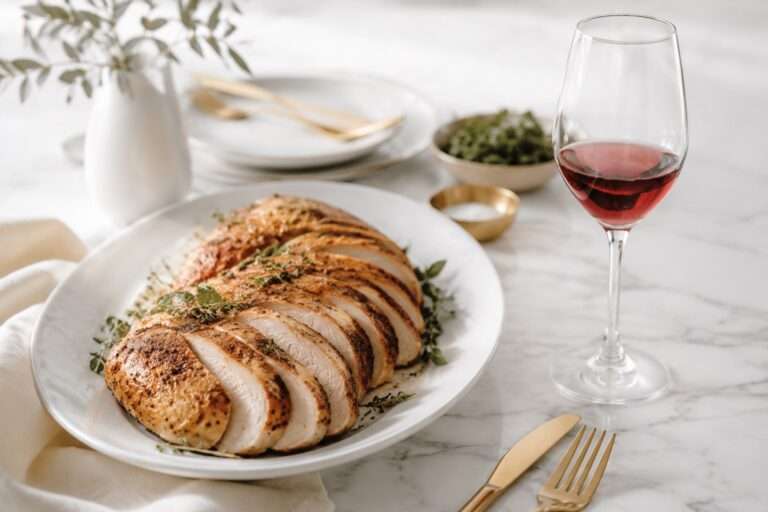
Match the Herbs
Rosemary and garlic love savory reds like Rioja, Bordeaux, and Syrah.

Understand Wine. Enjoy Every Glass.
Wine Pairings
Lamb is rich, savory, and a little gamey, which makes it one of the best meats for red wine. Match the wine to the cut and the herbs, and dinner is set.
Start Learning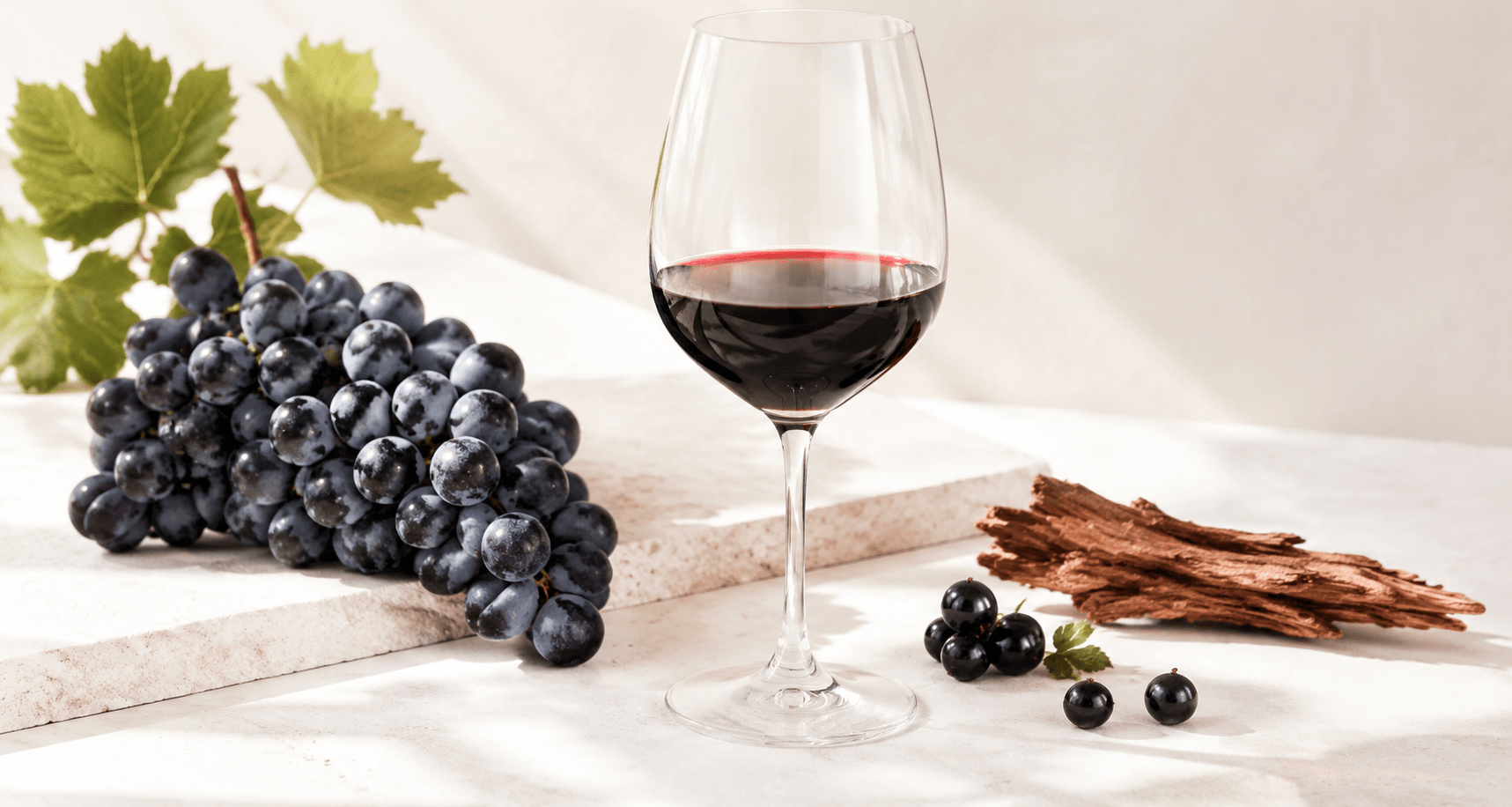
Lamb has more fat and a stronger, slightly gamey flavor than beef, which is why it pairs so well with structured red wine. Tannin binds to fat and protein, making the wine taste smoother and the meat taste juicier. Lamb’s savory, earthy taste also loves wines with herbal and savory notes, such as cedar, olive, black pepper, and dried herbs. Those echo the rosemary, thyme, and garlic that so often season lamb. The best wine with lamb balances power with freshness. Wines with good acidity cut through the richness, so the meal never feels heavy. Many of the world’s great lamb pairings come from places that raise sheep and grow grapes side by side: Bordeaux and the lamb of Pauillac, Rioja and roast lamb in northern Spain, and the Rhône Valley’s hearty stews.
Rack of lamb is tender and elegant, a perfect match for Cabernet Sauvignon or a left-bank Bordeaux blend, whose cassis, cedar, and graphite notes complement the meat. Roast leg of lamb with garlic and rosemary is the classic match for Tempranillo from Rioja Reserva; its leathery, dried-cherry flavors and gentle oak are made for it. Grilled lamb chops love Syrah, whether peppery Northern Rhône or riper Australian Shiraz, which handles char and smoke. Slow-braised shoulder or shanks are tender and deeply savory, so pour a Grenache-based blend from Châteauneuf-du-Pape or Côtes du Rhône. Young spring lamb is milder and pairs well with Pinot Noir or red Burgundy. Ground lamb dishes such as kofta, burgers, and moussaka work with Zinfandel, Syrah, or a Greek red.
Seasoning steers the pairing. Rosemary and garlic point toward savory, herbal reds like Bordeaux, Rioja, and Syrah. Mint sauce or mint jelly, a British tradition, is tricky because its sugar and vinegar clash with dry wine; use it sparingly and choose a fruit-forward red like Australian Shiraz. A fresher salsa verde or mint-and-parsley sauce works with Cabernet Franc from the Loire, which has its own herbal side. Mustard and herb crusts suit Bordeaux or Merlot. Lamb tagine, with apricots, cumin, and cinnamon, needs a ripe, spicy red such as Grenache or Zinfandel, or even a full-bodied rosé. Indian lamb curries like rogan josh pair well with soft, fruity reds and low alcohol. Greek-style lamb with lemon and oregano loves a fresh, herbal red or a crisp rosé.
Yes, with the right style and dish. A full-bodied rosé is a natural partner for lamb, especially grilled or spiced lamb in summer. Look for deeper, structured rosés such as Tavel from the southern Rhône or Spanish rosado made from Garnacha, which have enough body and fruit to stand up to the meat. They also shine with Mediterranean lamb dishes, lamb kebabs, and Moroccan spices. White wine works best with lighter preparations. A rich white Rhône blend of Marsanne and Roussanne, or an oaked Chardonnay, can pair with lamb in a cream sauce or a lemony Greek lamb dish. Aged white Rioja is another unusual but rewarding choice. For most roasts and chops, though, red wine remains the more reliable choice, since lamb’s fat and gamey flavor need tannin to balance.
Light, delicate wines are the main mismatch. A crisp Pinot Grigio or a light Sauvignon Blanc will taste thin and watery next to roast lamb, and its delicate flavors vanish. Very fruity, low-acid reds can taste flabby against lamb’s fat, so look for wines with structure and freshness. Sweet wines clash with savory lamb, unless the dish includes sweet fruit like apricots, where a ripe red still works better than a sweet one. Be careful with very tannic wines and lean, rare spring lamb; a young, firm Barolo may overwhelm it, so save Nebbiolo for slow-braised shanks or rich stews. Heavy, oaky high-alcohol reds can also drown the subtle flavor of milk-fed lamb. As always, match intensity: mild lamb gets lighter reds, and big, spiced lamb gets bolder ones.
Serve lamb reds at 60–65°F. If the bottle feels warm, give it 15 minutes in the fridge. Young Cabernet Sauvignon, Syrah, and Rioja Reserva benefit from 30 to 60 minutes of air, so decant them before dinner. For value, Côtes du Rhône and Spanish Garnacha are excellent with braised and grilled lamb, often under $20. Chilean Cabernet Sauvignon and Carmenère are great with rack of lamb, and Rioja Crianza offers classic flavor at a friendly price. Washington Syrah and Australian Shiraz are reliable for chops. For a holiday meal, such as an Easter dinner, splurge on a Rioja Gran Reserva, a classified Bordeaux, or a Châteauneuf-du-Pape. Plan on one bottle for every two to three guests.
| Lamb Dish | Best Wine | Why It Works |
|---|---|---|
| Rack of lamb | Cabernet Sauvignon or Bordeaux | Cedar and cassis complement tender, rich meat |
| Roast leg with rosemary | Rioja Reserva | Savory, leathery notes match garlic and herbs |
| Grilled chops | Syrah or Shiraz | Peppery, smoky flavor suits char |
| Braised shoulder or shank | Côtes du Rhône or Châteauneuf-du-Pape | Soft spice matches slow-cooked depth |
| Spring lamb | Pinot Noir | Lighter red respects milder meat |
| Lamb tagine | Grenache or Zinfandel | Ripe fruit handles sweet spices |
| Kebabs or Greek lamb | Dry rosé or Tavel | Fresh acid and fruit balance char and lemon |
Rosemary and garlic love savory reds like Rioja, Bordeaux, and Syrah.
Sweet mint jelly clashes with dry red wine; try salsa verde instead.
Give young Cabernet or Syrah 30–60 minutes of air before serving.
Learn Your Taste
Answer a few simple questions and discover styles that fit your palate.
Take the Wine QuizCabernet Sauvignon, Bordeaux blends, Rioja, and Syrah are the classic choices. They have the tannin and savory, herbal flavors to match lamb's richness. Grenache-based Rhône blends are excellent with slow-braised lamb.
Rioja Reserva is a classic match for roast leg of lamb with garlic and rosemary. Bordeaux, Cabernet Sauvignon, and Syrah are also great choices, adding savory depth that complements the herbs.
Syrah or Shiraz is ideal for grilled lamb chops, since its peppery, smoky notes suit char. Malbec, Cabernet Sauvignon, and Zinfandel are also good choices for chops cooked on the grill.
Yes, with milder lamb. Pinot Noir suits young spring lamb, lamb with mushrooms, and lightly seasoned roasts. For richer, fattier cuts or strong spices, a fuller red like Syrah or Rioja is better.
Yes, in some cases. A rich white Rhône blend or oaked Chardonnay can work with lamb in cream sauce or lemony Greek dishes. For most roasts and chops, red wine or a full-bodied rosé is more reliable.
A soft, fruity red with moderate alcohol, such as Grenache, Zinfandel, or a Côtes du Rhône, suits most lamb curries. For spicier dishes, a full-bodied rosé or an off-dry white like Gewürztraminer cools the heat.