Pour Rosé
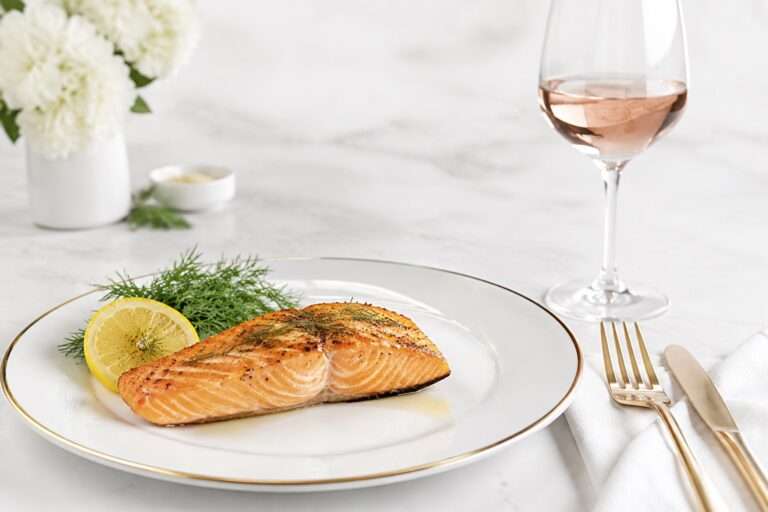
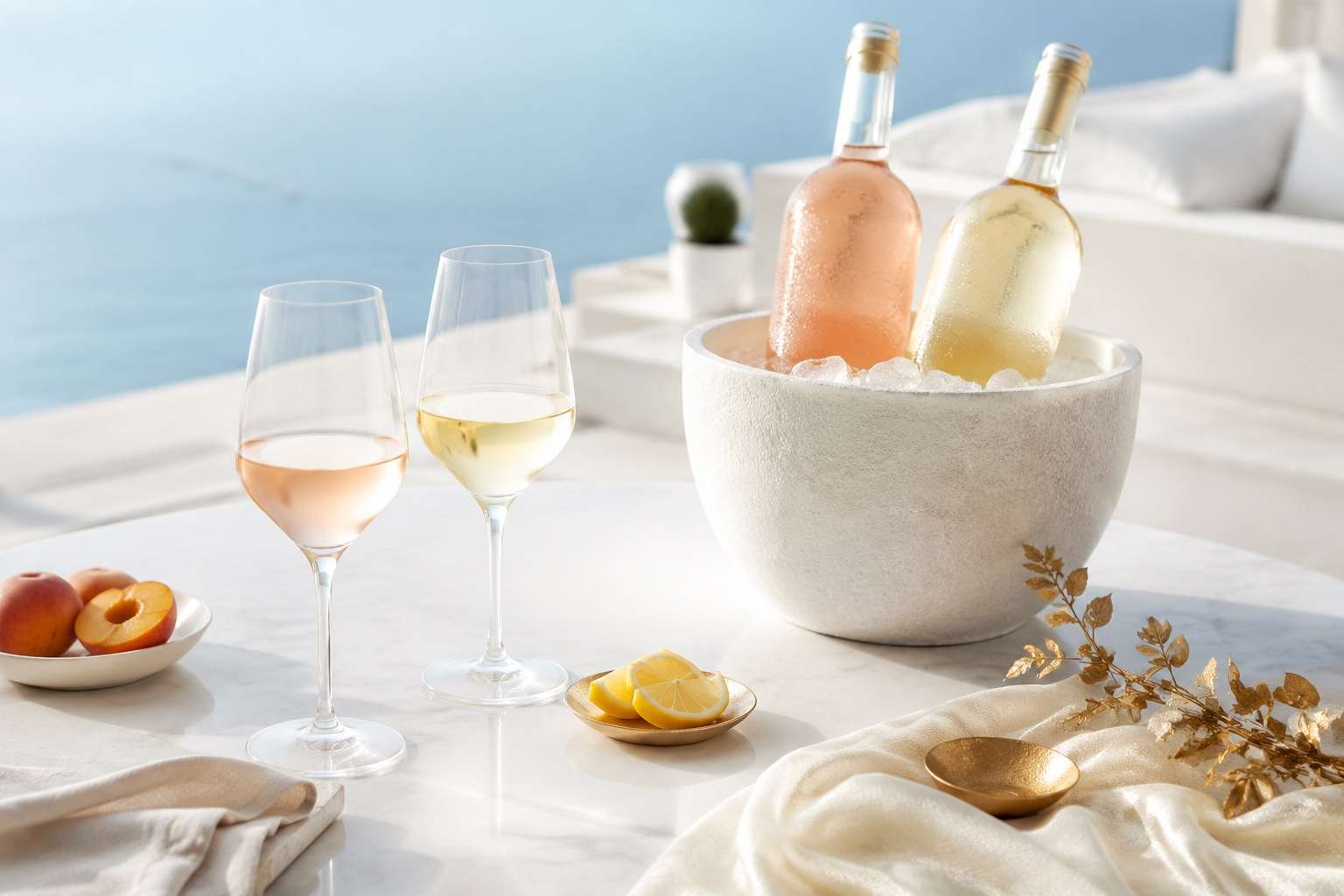
Dry rosé matches ham, salmon, and sides, and looks festive on a spring table.

Understand Wine. Enjoy Every Glass.
Wine Pairings
Easter dinner is a celebration of spring: glazed ham, roast lamb, asparagus, and deviled eggs. Fresh, lively wines fit the season and the menu.
Start Learning
Easter menus usually center on one of two roasts: a sweet, salty glazed ham or a herb-scented leg of lamb. Many families also serve salmon, spring vegetables, egg dishes, and plenty of sweets. Because the holiday falls in spring, light, fresh, and fruity wines match the mood as well as the food. Start by choosing wine with Easter dinner for the main course, then add a sparkling wine for appetizers and something sweet for dessert. Bright acidity is your best friend here, since it handles salty ham, rich lamb fat, tangy deviled eggs, and lemony vegetables. Rosé is especially fitting for Easter; its pink color looks festive on the table, and its fruit and freshness pair with nearly everything on a spring menu. For more seasonal ideas, see our guide to the best spring wines.
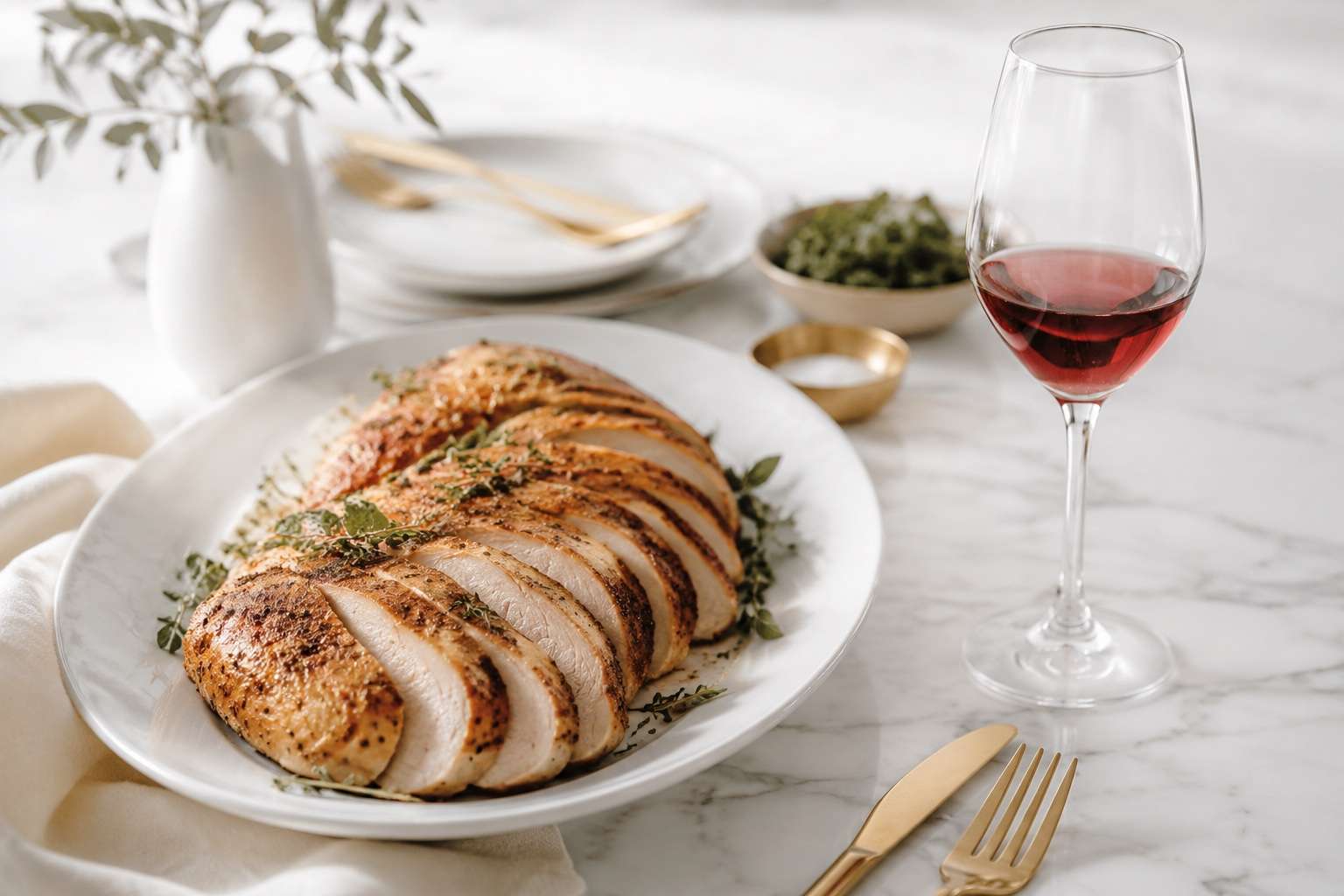
Glazed ham is salty, sweet, and smoky, so it needs a wine with juicy fruit and a touch of sweetness rather than heavy tannin. Off-dry Riesling is the top choice: a German Kabinett or Spätlese matches the honey or brown-sugar glaze while its acidity cuts the salt. Demi-sec Vouvray, made from Chenin Blanc, is another excellent white. Dry rosé is a crowd-pleaser that works with both the ham and the sides. For red-wine fans, a light, fruity Pinot Noir or Beaujolais is ideal, with cherry fruit that acts like a sauce. Avoid tannic reds such as Cabernet Sauvignon, which can taste bitter with salty pork. Our full guide to wine with ham covers glazes, smoked ham, and more.
Roast lamb is the traditional Easter centerpiece in much of Europe. It is richer and more flavorful than ham, with a gamey edge and plenty of fat, so it welcomes structured reds. Spanish Rioja Reserva, made mainly from Tempranillo, is a classic, with dried cherry, leather, and vanilla notes that suit garlic-and-rosemary lamb. Red Bordeaux, especially from the Left Bank, offers cassis and cedar, and lamb with Bordeaux is a time-honored French pairing. Rhône Syrah and Châteauneuf-du-Pape bring pepper, olive, and herbs that echo Mediterranean seasonings. Italian families might serve lamb with Chianti Classico or Montepulciano d’Abruzzo, while Greek Easter lamb pairs well with Greek reds or a fuller rosé. Our wine with lamb guide offers more cut-by-cut advice.
Many Easter tables include fish, especially baked or poached salmon. A light Pinot Noir, dry rosé, or a lightly oaked Chardonnay all work; see our guide to wine with salmon. Spring vegetables can be tricky. Asparagus contains sulfur compounds that make many wines taste vegetal or metallic, but grassy Sauvignon Blanc and peppery Grüner Veltliner handle it well. Peas, artichokes, and fresh herbs follow the same rule. Deviled eggs, quiche, and egg casseroles are rich and tangy, and they pair best with sparkling wine, whose bubbles cut through the yolk. Scalloped potatoes and creamy sides suit Chardonnay. Honey-glazed carrots and sweet potatoes love off-dry Riesling. If your Easter is a brunch, keep the bubbles flowing.
Easter desserts range from carrot cake and lemon tart to hot cross buns and chocolate eggs. The key rule for any dessert wine pairing is that the wine should be at least as sweet as the food; otherwise it tastes sour and thin. Carrot cake with cream cheese frosting pairs well with a late-harvest Riesling or an off-dry sparkling wine. Lemon desserts love Moscato d’Asti, which is lightly sweet, gently fizzy, and low in alcohol. Coconut cake and fruit tarts also work with Moscato or a demi-sec Champagne. Chocolate eggs and bunnies are hard to pair with dry wines; try a ruby Port or a sweet sparkling red like Brachetto d’Acqui for milk chocolate. Italian colomba, the dove-shaped Easter cake, is lovely with Moscato d’Asti or a sweet Vin Santo.
Plan a simple lineup: one sparkling wine for arrival, one white or rosé and one red for the main course, and a sweet wine for dessert. Serve sparkling wine at 40–45°F, whites and rosé at 45–50°F, and light reds like Pinot Noir at 55–60°F; fuller lamb reds like Rioja and Bordeaux are best at 60–65°F. Easter gatherings are often big family affairs, so value matters. Prosecco, Cava, and Crémant make affordable, festive sparklers. German Riesling, Provence and Spanish rosé, Beaujolais-Villages, Rioja Crianza, Côtes du Rhône, and Bordeaux Supérieur are reliable choices, often under $20. For a family of eight adults at a long afternoon meal, four or five bottles across styles is a good starting point.
| Easter Dish | Best Wine | Why It Works |
|---|---|---|
| Glazed ham | Off-dry Riesling or dry rosé | Fruit and acidity balance salt and sweet glaze |
| Roast leg of lamb | Rioja Reserva or Bordeaux | Structured reds suit rich, herb-scented lamb |
| Baked salmon | Pinot Noir or dry rosé | Light reds and rosé flatter rich fish |
| Asparagus and spring vegetables | Sauvignon Blanc or Grüner Veltliner | Green, herbal notes handle tricky vegetables |
| Deviled eggs and quiche | Sparkling wine | Bubbles cut through rich egg yolk |
| Carrot cake or lemon tart | Late-harvest Riesling or Moscato d'Asti | Sweet wine matches dessert sweetness |
Dry rosé matches ham, salmon, and sides, and looks festive on a spring table.
Choose Sauvignon Blanc or Grüner Veltliner for asparagus; oaky wines clash.
Moscato d'Asti is light, low-alcohol, and perfect with Easter desserts.
Learn Your Taste
Answer a few simple questions and discover styles that fit your palate.
Take the Wine QuizIt depends on the main course. Off-dry Riesling, dry rosé, and Pinot Noir are best with glazed ham, while Rioja, Bordeaux, and Syrah pair well with roast lamb. Sparkling wine works with appetizers and brunch.
Off-dry Riesling is the top pick, as its slight sweetness matches the glaze and its acidity cuts the salt. Dry rosé, Pinot Noir, and Beaujolais are also great options.
Structured reds are best. Rioja Reserva, red Bordeaux, Rhône Syrah, and Châteauneuf-du-Pape all complement lamb's rich, slightly gamey flavor and pair beautifully with rosemary and garlic.
Yes. Dry rosé is one of the most versatile Easter wines. It pairs with ham, salmon, spring vegetables, and egg dishes, and its fresh fruit and acidity suit the season.
Sauvignon Blanc and Grüner Veltliner are the best matches. Their green, herbal flavors complement asparagus, which can make oaky whites and tannic reds taste metallic or bitter.
Choose a sweet wine, such as ruby Port with dark chocolate or Brachetto d'Acqui with milk chocolate. Dry wines usually taste sour and bitter next to sweet chocolate.