Decant Young Bandol for an Hour
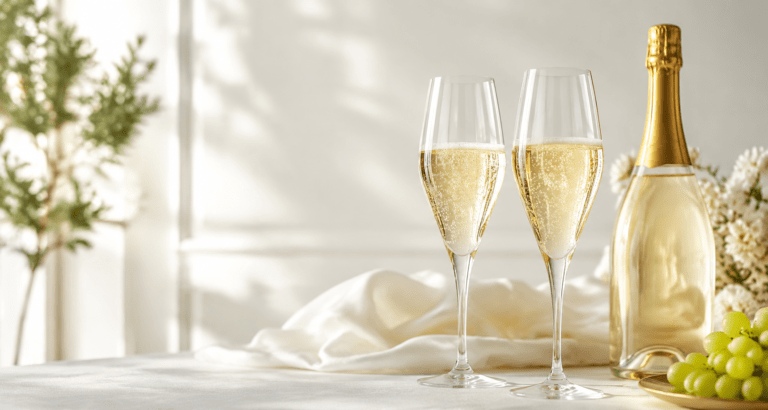
Decant young Bandol or Monastrell for about an hour to soften tannin and lift aromas.

Understand Wine. Enjoy Every Glass.
Grape Varieties
Mourvèdre is the dark, savory grape behind Bandol, Spanish Monastrell, and many great Rhône blends. Here is what it tastes like, where to find it, and what to cook with it.
Start Learning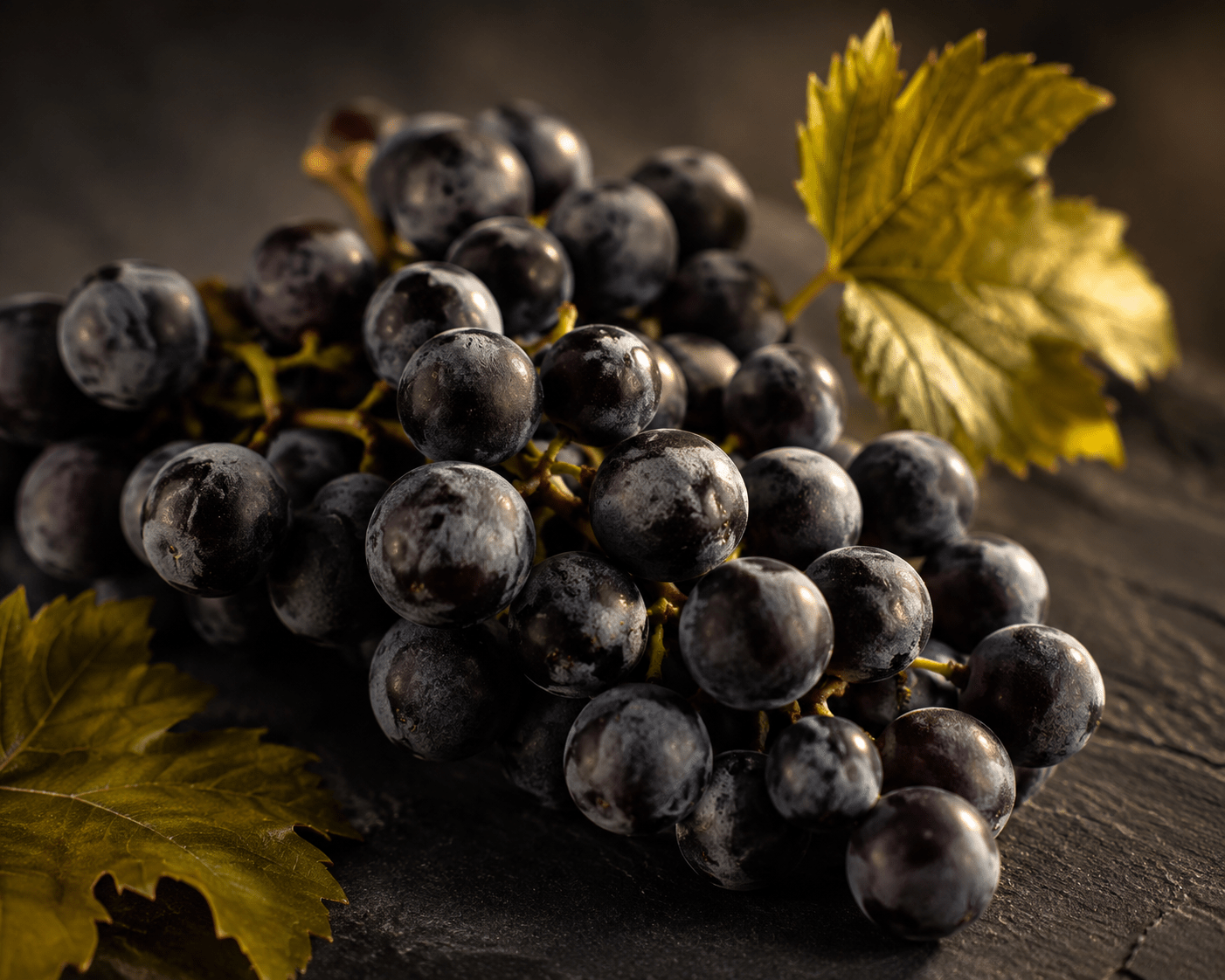
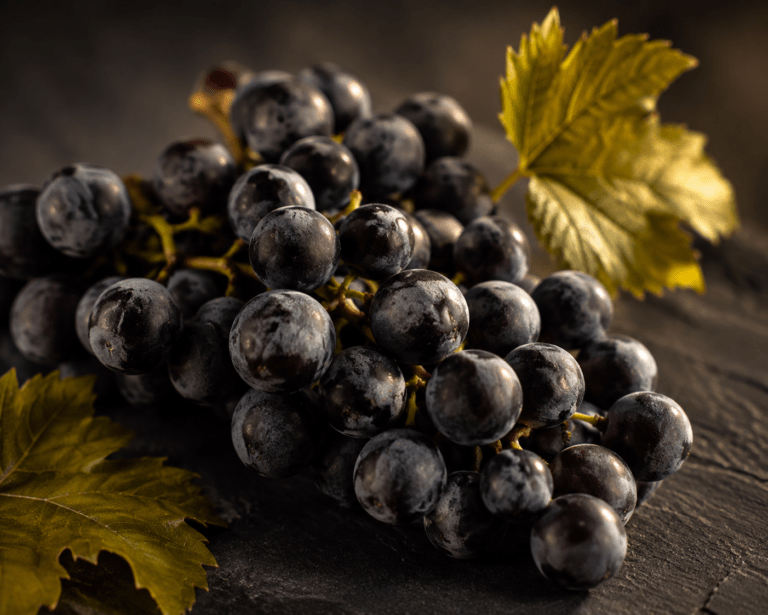
Mourvèdre wine leans savory rather than sweet-fruited. The core fruit is dark: blackberry, black plum, and blueberry. Around it you get black pepper, violet, cocoa, and the dried herbs of the Mediterranean scrub that the French call garrigue — think thyme, rosemary, and lavender. Its signature is a gamey, meaty edge that can read as leather, smoked meat, or even a barnyard note in some bottles. Structurally, it is a big wine. Expect full body, firm tannins, moderate acidity, and alcohol that often runs 14% or higher in warm regions. Young bottles can feel tight and a little rustic. With a few years in the bottle, the tannins soften and earthy, leathery layers take over. If you like the peppery side of Syrah but want something earthier and less fruity, Mourvèdre is worth exploring.
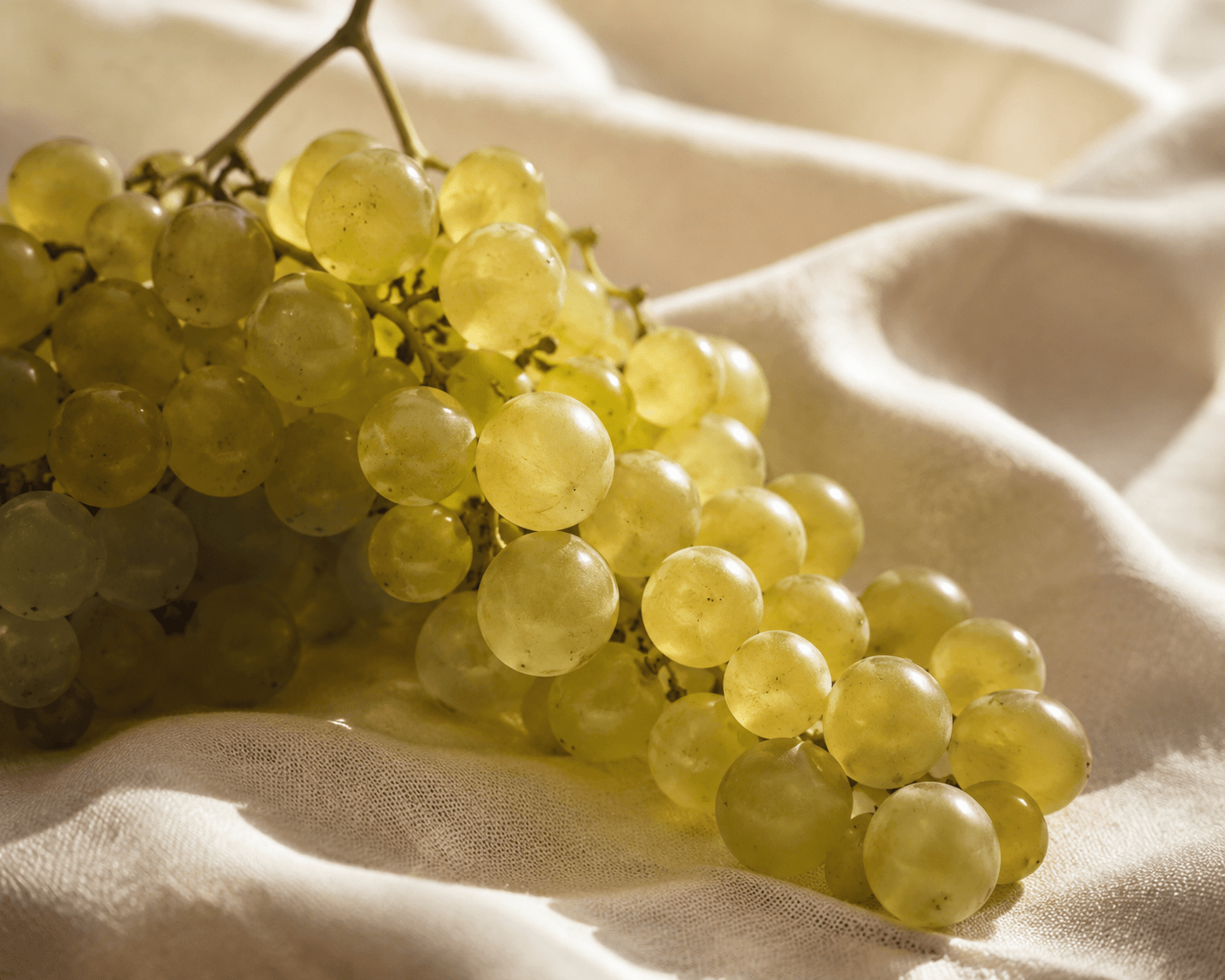
Mourvèdre needs heat and a long season, so it lives near warm coastlines. Its most famous home is Bandol, a seaside appellation in Provence where it is the main grape in deep, long-lived reds and in some of France’s most structured rosés. In the southern Rhône Valley, it is the M in GSM blends, adding color, structure, and savory depth to Grenache and Syrah in wines like Châteauneuf-du-Pape and Côtes du Rhône. Spain grows more Mourvèdre than anywhere else under the name Monastrell, especially in Jumilla, Yecla, and Alicante, where it makes ripe, plush, affordable reds. Australia calls it Mataro and blends it into GSMs from the Barossa Valley. In California, look to Paso Robles and older vineyards in Contra Costa County.
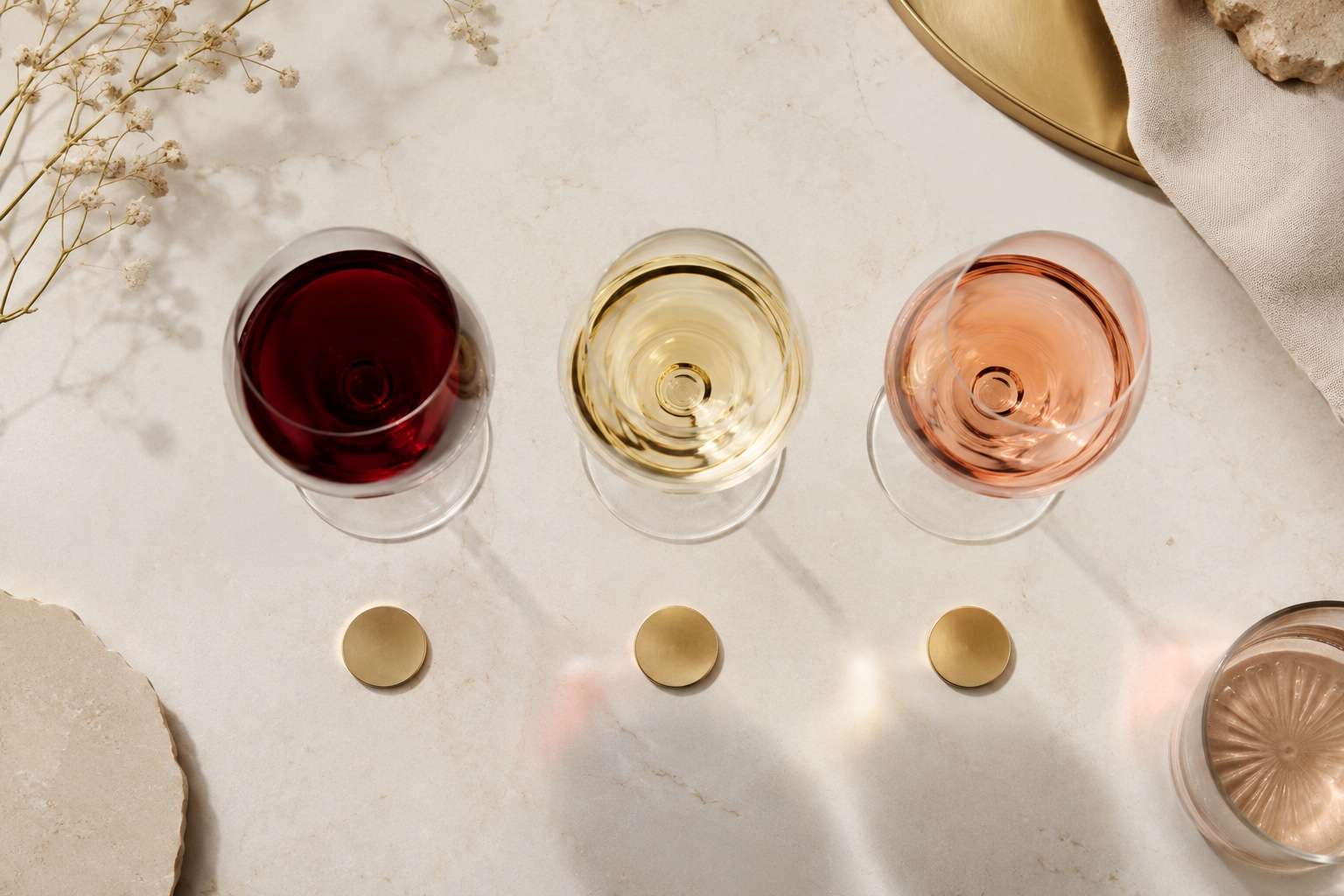
Serve Mourvèdre slightly below room temperature, at 60–65°F. Warmer than that, its alcohol starts to show and the fruit tastes jammy. If a bottle has been sitting in a warm kitchen, 15 to 20 minutes in the refrigerator brings it back into line. Young Mourvèdre, especially Bandol and Monastrell, benefits from air. Open it an hour ahead or decant it. The grape can show a slightly closed or matchstick smell right after opening, and that usually blows off with oxygen. Use a large-bowled red wine glass so the savory aromas have room to gather. Older bottles with sediment need only a gentle decant to leave the deposit behind. Bandol rosé, by contrast, should be served chilled at 50–55°F, cooler than the red but warmer than a light white.
Mourvèdre was made for slow-cooked, herb-scented meat. Its firm tannins and savory character shine with lamb, especially a leg roasted with garlic and rosemary. It works beautifully with braised beef, oxtail, and French stews like daube or cassoulet. Its gamey streak makes it a natural with venison, duck, and wild boar. Grilled sausages, smoked brisket, and barbecue ribs with a dry rub are great matches for riper Monastrell from Spain or Australian GSM blends. Vegetarians can lean on earthy, umami-rich dishes: mushroom ragù, lentil stew, or grilled eggplant with olives. Avoid delicate fish and sweet sauces, which make the wine taste bitter and harsh.
Start with price and purpose. For an everyday bottle, Spanish Monastrell from Jumilla or Yecla is the value pick, often under $15 and ripe enough to enjoy young. For a special dinner, red Bandol is the benchmark. It costs more and rewards a few years of cellaring. To taste Mourvèdre as a team player, try a southern Rhône red, a Barossa GSM, or a California Rhône-style blend; the label often lists the grapes on the back. Bottles labeled Mataro are usually from Australia or California. When reading a Spanish label, words like Crianza or Roble tell you the wine saw some oak. On any label, a higher alcohol figure usually signals a riper, jammier style.
If you enjoy Mourvèdre, its blending partners are the obvious next step. Grenache is softer, with juicier red fruit and less tannin. Syrah shares the black pepper and dark fruit but with more floral lift. For even more grip, try Tannat from Uruguay or southwest France, one of the most tannic grapes in the world. Petite Sirah offers a similar inky, blackberry-heavy mouthful from California. If you want a lighter Mediterranean red with some of the same herbal feel, look at Cinsault.
| Region | Style | What to Expect |
|---|---|---|
| Bandol, Provence | Mourvèdre-led red | Dark fruit, leather, herbs, firm tannin; ages for years |
| Bandol, Provence | Structured rosé | Dry, savory, more body than most Provence pinks |
| Southern Rhône | GSM blend | Mourvèdre adds color, depth, and grip to Grenache |
| Jumilla and Yecla, Spain | Monastrell | Ripe, plush, plum and chocolate; great value |
| Barossa Valley, Australia | Mataro or GSM | Juicy, spicy, generous fruit |
| Paso Robles, California | Varietal or Rhône blend | Ripe black fruit, pepper, warm finish |
Decant young Bandol or Monastrell for about an hour to soften tannin and lift aromas.
Spanish Monastrell is the easiest, most affordable way to taste the grape on its own.
Rosemary, thyme, and garlic echo the grape's savory side and make it taste fruitier.
Learn Your Taste
Answer a few simple questions and discover styles that fit your palate.
Take the Wine QuizYes. Monastrell is the Spanish name for Mourvèdre, and Mataro is the name used in parts of Australia and California. Spanish versions tend to be riper and plusher, while French Bandol is more savory and structured.
Mourvèdre is almost always made as a dry wine. Ripe examples from hot regions can taste fruity and plush, but that is ripe fruit and alcohol, not sugar. A few sweet fortified wines exist in Spain, but they are rare.
Mourvèdre tastes of blackberry, plum, and black pepper, with savory notes of leather, game, dried herbs, and earth. It is full-bodied and tannic, with moderate acidity. Ripe Spanish Monastrell leans fruitier, while French Bandol is more savory and structured.
Both are dark and peppery, but Mourvèdre is earthier, more gamey, and usually firmer in tannin. Syrah shows more blackberry, violet, and smoked-meat aromas with brighter acidity. Mourvèdre also needs more heat to ripen fully.
Good red Bandol can age for a decade or more, gaining leather, truffle, and dried-herb notes. Most everyday Monastrell and GSM blends are best within three to five years of the vintage, while the fruit is still fresh.
Firm, nutty, or aged cheeses work best. Try aged Manchego with Monastrell, or Comté and aged Gouda with Bandol. Avoid soft, mild cheeses, which the wine's tannins tend to overpower.