Decant for an Hour
Young Petite Sirah's huge tannins soften dramatically with one to two hours of air.

Understand Wine. Enjoy Every Glass.
Grape Varieties
Petite Sirah is anything but petite. It is one of the darkest, most tannic reds you can buy. Learn what it tastes like, where it comes from, and how to tame it.
Start Learning
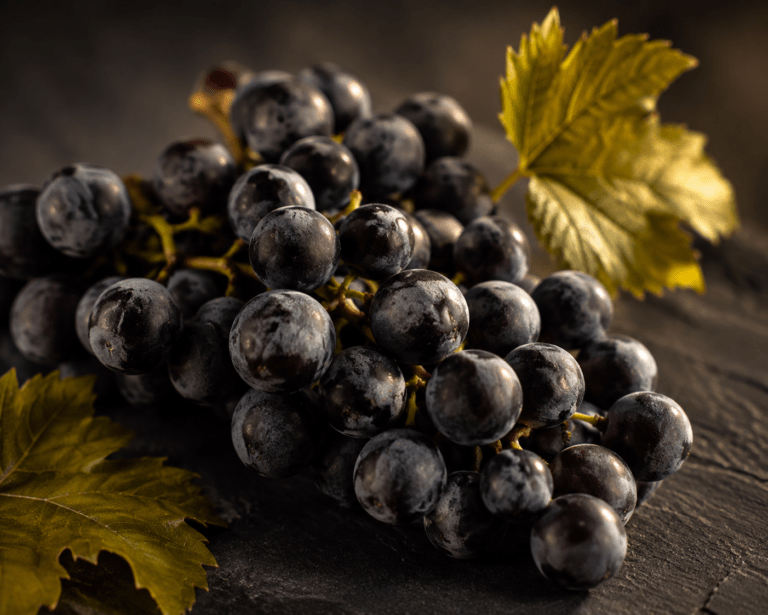
Petite Sirah wine is bold, dark, and dense. The fruit is blueberry, blackberry, black plum, and dark cherry, often with jammy richness. Savory and spicy notes follow: black pepper, licorice, dark chocolate, espresso, black tea, and sometimes a meaty or smoky edge. In the glass, it is nearly opaque, with a deep purple-black color that can stain your teeth and glass. The grape has small berries with thick skins, giving very high tannins, among the firmest of any grape, plus fresh acidity. It is full-bodied with 13.5–15% alcohol. Oak aging adds vanilla, mocha, and sweet spice that soften the impression. Young Petite Sirah can feel mouth-drying and intense, but with five to ten years in bottle, it becomes smoother and more complex.
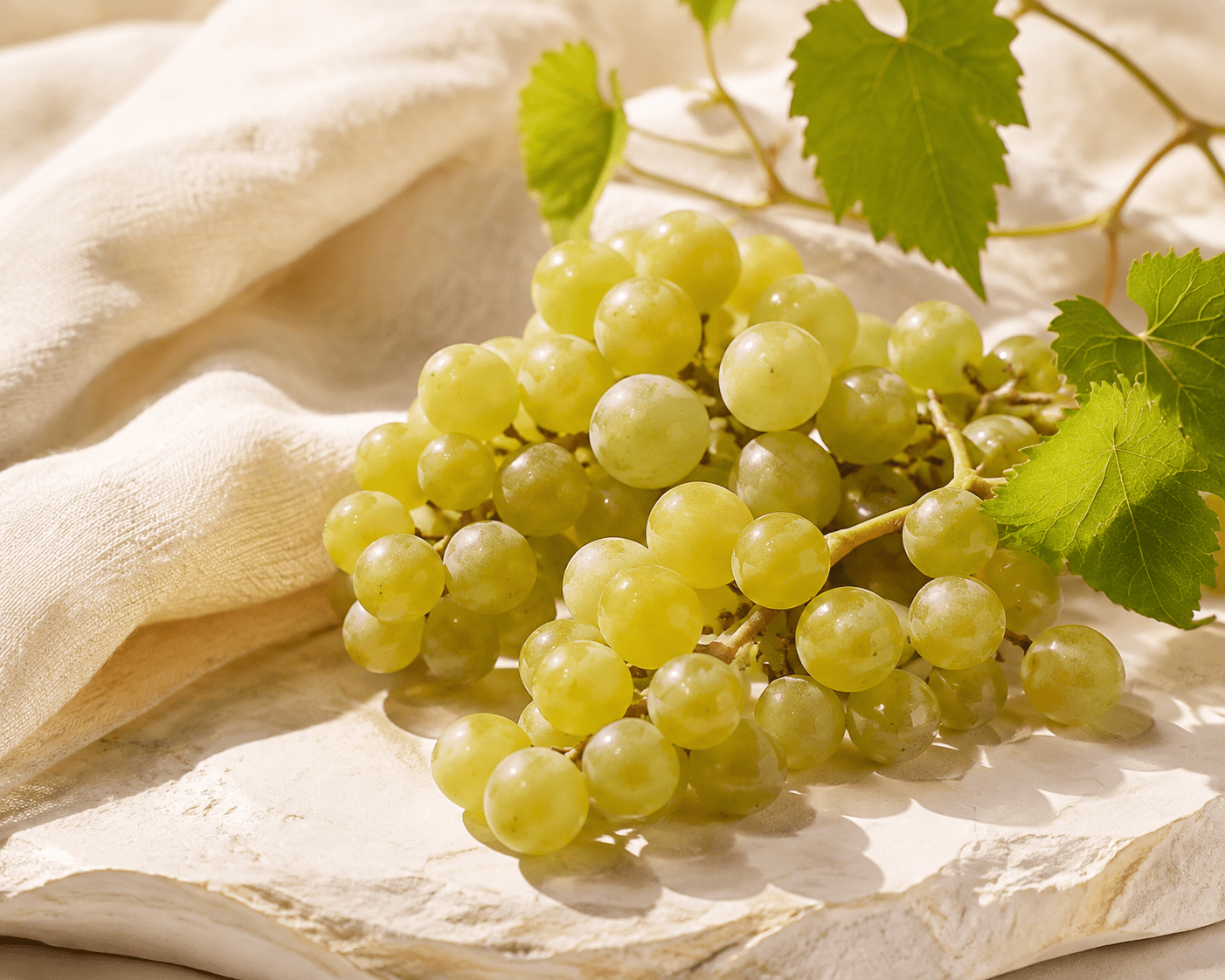
Despite the similar name, Petite Sirah is not a smaller or lighter version of Syrah. It is a different grape, known in France as Durif. A French nurseryman named François Durif identified it in the 1880s, and DNA studies later showed it is a cross between Syrah and an obscure French grape called Peloursin. So Syrah is a parent, not a twin. The two share dark fruit and black pepper, but Petite Sirah is darker, more tannic, and usually less savory and floral than Syrah. The word “petite” refers to its small berries, not the wine’s weight. In California, older vineyards labeled Petite Sirah sometimes include other grapes in field blends. Do not confuse Syrah with Petite Sirah on a menu; they taste quite different. Compare Syrah and its Australian name in Syrah vs Shiraz.
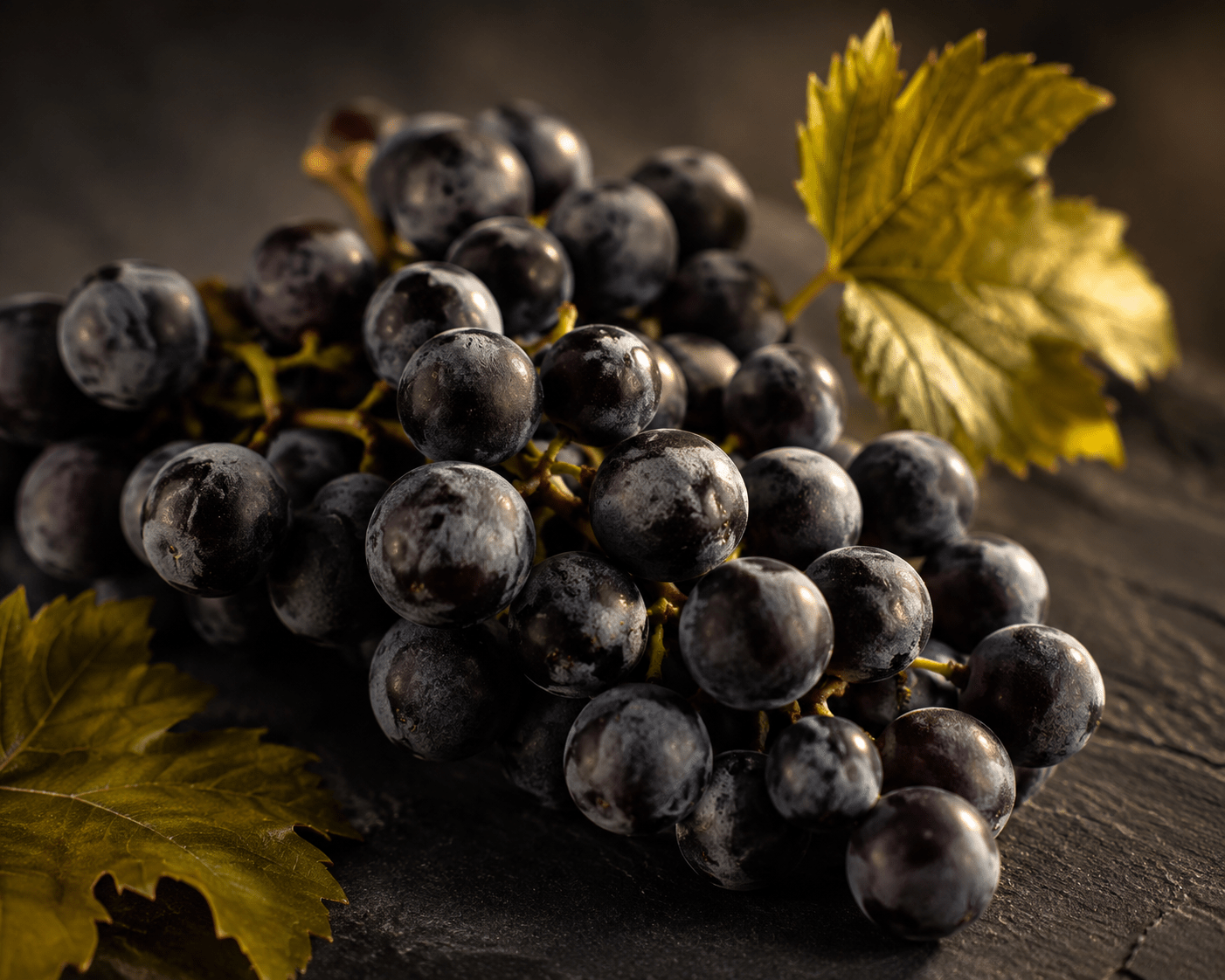
Petite Sirah is largely a California specialty today, even though it originated in France, where it has almost disappeared. It has been planted in California since the late 1800s and was long used to add color and structure to blends, especially with Zinfandel. Many old field-blend vineyards still mix the two. Lodi makes ripe, plush, affordable Petite Sirah. Napa Valley and Sonoma produce more structured, age-worthy versions. Paso Robles gives bold, spicy wines, and Livermore Valley has a long history with the grape. Outside California, Australia grows it under the name Durif, especially in Rutherglen, and there are plantings in Israel, Mexico, and South America.
Serve Petite Sirah at 60–65°F. A slight chill keeps its alcohol and ripe fruit in balance. Because tannins are so high, young Petite Sirah benefits greatly from air. Decant it for one to two hours, or open the bottle well before dinner. Bottles with a decade or more of age often carry heavy sediment, so let them rest upright and leave the last inch behind. Use a large-bowled glass to give the wine room to breathe; see our wine glass guide. Always serve Petite Sirah with food; its tannins need fat and protein to soften. Its structure makes it one of the longest-lasting reds once opened, often four to five days in the fridge, and it ages well in the cellar, with top bottles improving for 10 to 20 years.
Petite Sirah’s big tannins and dark fruit need rich, hearty, fatty food. It is a superb match for barbecue, especially smoked brisket and beef ribs, where fat and smoke soften the tannins. Grilled ribeye, braised short ribs, and lamb shanks all work, and it pairs beautifully with venison and other game. Its dark fruit and pepper suit black-pepper sauces, mole, and chili. For cheese, choose strong flavors: aged Cheddar, smoked Gouda, and even blue cheese, which pairs surprisingly well; see wine with blue cheese. Its chocolate notes make it an option with dark chocolate desserts that are not too sweet. Avoid light dishes, fish, and spicy food, which will taste bitter next to its tannin.
If you like Petite Sirah’s power, try Uruguay’s Tannat, another extremely tannic, dark red. Syrah and Australian Shiraz share its pepper and dark fruit with softer tannins. Petit Verdot, despite its similar name, is an unrelated Bordeaux grape with similar deep color and structure. Zinfandel is its traditional California blending partner and offers riper, softer fruit. When buying, Lodi is a good place for value, while Napa and Paso Robles offer bigger, age-worthy bottles. Petite Sirah is often under $20 and is a good choice for fans of big, affordable reds. Look for “old vine” or single-vineyard bottles for depth. Blends with Zinfandel are often more approachable young.
| Region | Style | What to Expect |
|---|---|---|
| Lodi, California | Ripe and plush | Blueberry jam, chocolate, softer grip |
| Napa Valley, California | Structured, age-worthy | Blackberry, espresso, very firm tannin |
| Paso Robles, California | Bold and spicy | Dark plum, black pepper, high alcohol |
| Livermore Valley, California | Traditional, savory | Black fruit, earth, firm structure |
| Rutherglen, Australia (Durif) | Rich and dense | Dark berries, licorice, sometimes fortified |
Young Petite Sirah's huge tannins soften dramatically with one to two hours of air.
Brisket, short ribs, and aged cheese tame Petite Sirah's grip.
Open one now and cellar one; good Petite Sirah softens and improves for a decade.
Learn Your Taste
Answer a few simple questions and discover styles that fit your palate.
Take the Wine QuizNo. Petite Sirah is a different grape, also called Durif. It is an offspring of Syrah crossed with Peloursin. Petite Sirah is darker and more tannic, while Syrah is more savory and peppery.
No, despite its name. Petite Sirah is one of the fullest, darkest, most tannic reds. The word petite refers to its small berries, which have a high ratio of skin to juice.
Petite Sirah is dry. Its ripe blueberry fruit and vanilla oak can seem sweet, but most are fermented dry. Some Australian Durif is made into sweet fortified wine, but that is a separate style.
Barbecue, smoked brisket, beef ribs, short ribs, lamb shanks, venison, chili, and strong cheeses like aged Cheddar or blue cheese. Its tannins need rich, fatty foods to soften.
Yes. Its high tannin and acidity give quality Petite Sirah the structure to age for 10 to 20 years. Young bottles can be harsh, so aging or decanting helps.
Mostly in California, especially Lodi, Napa, Sonoma, Paso Robles, and Livermore. Australia grows it as Durif, and it originated in France, where it is now very rare.