Give Zinfandel 15 Minutes of Chill
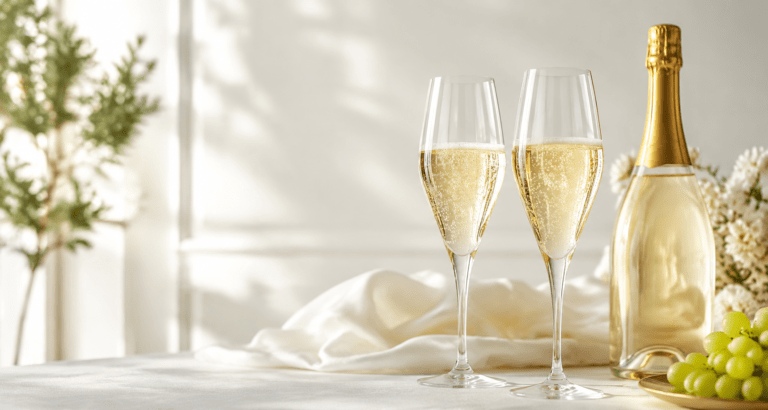
A short spell in the fridge keeps high-alcohol Zinfandel fresh, not hot.

Understand Wine. Enjoy Every Glass.
Grape Varieties
Zinfandel is California's own heritage red: ripe, spicy, and generous. Learn what it tastes like, how it relates to Italy's Primitivo, and what to grill with it.
Start Learning
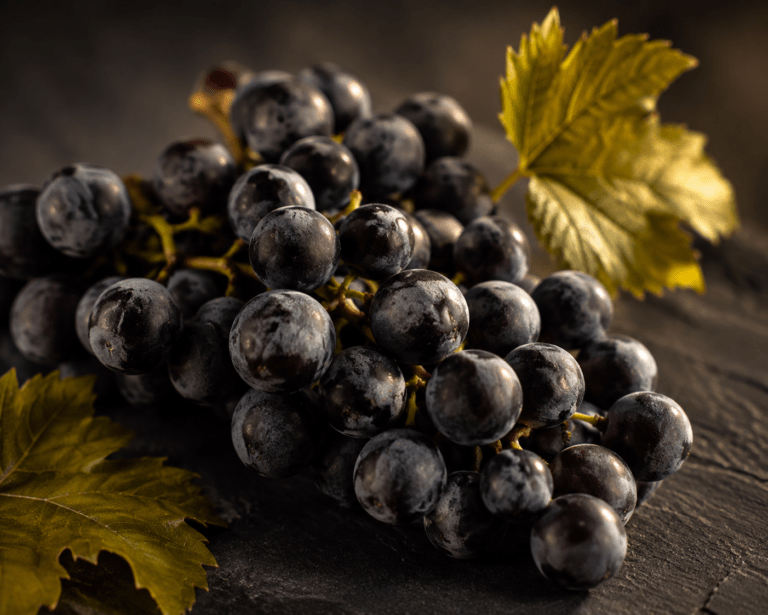
Red Zinfandel wine is ripe, juicy, and spicy. The fruit is a mix of red and black: raspberry, strawberry jam, blackberry, and black cherry. Spice notes include black pepper, cinnamon, clove, and licorice, and oak can add vanilla, sweet tobacco, and smoke. Zinfandel grapes ripen unevenly within the same cluster, so some berries shrivel toward raisins while others stay fresh. That gives many bottles a mix of bright, tart fruit and dried-fruit sweetness. Zinfandel is medium- to full-bodied with moderate tannins and lively acidity. It is famous for high alcohol, often 14.5–16%, which adds warmth and richness. Most red Zinfandel is dry, even though its jammy fruit can seem sweet. Pink White Zinfandel is a very different, sweet wine made from the same grape.
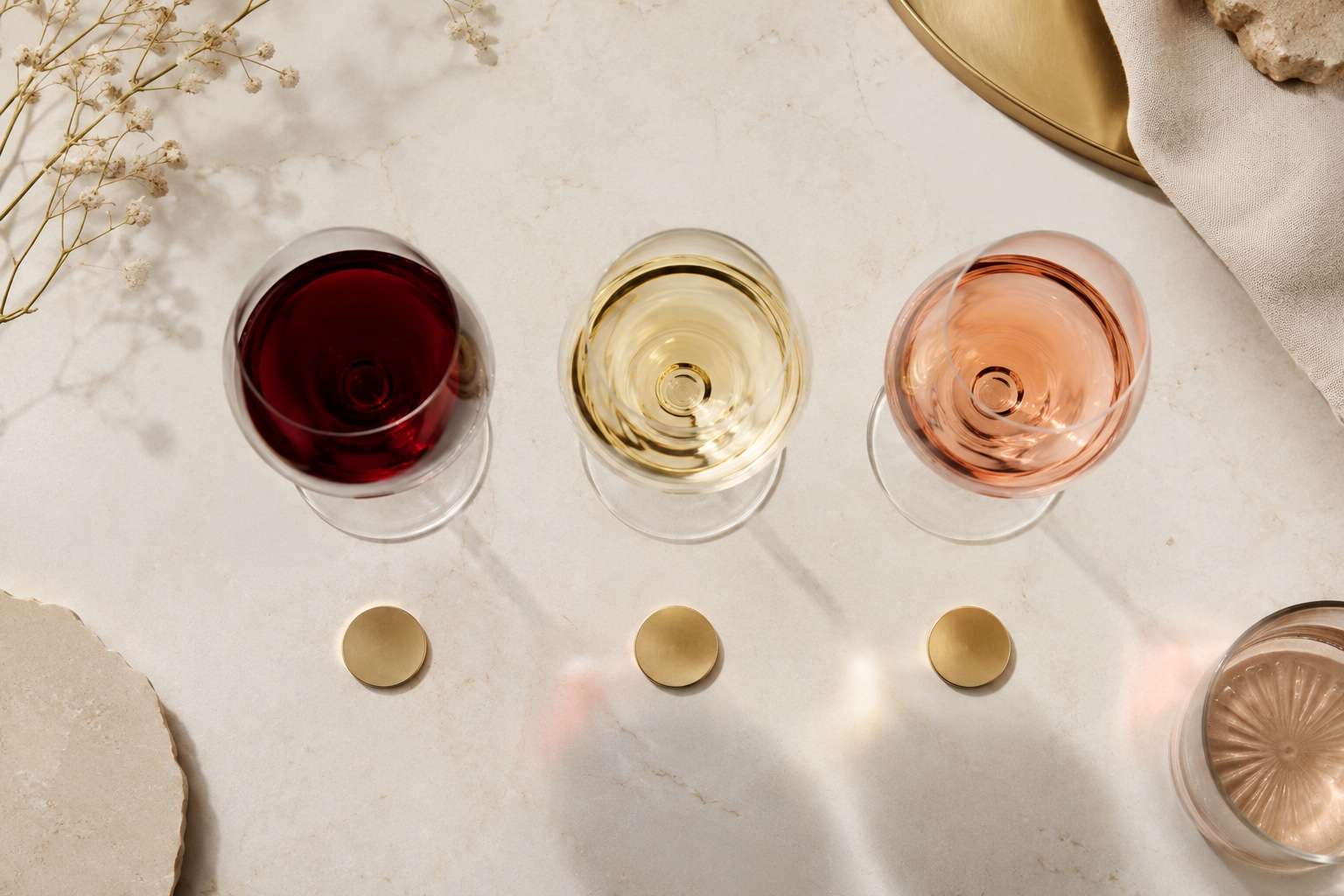
Zinfandel has been grown in California since the mid-1800s and is closely tied to the state’s history. Many vineyards are planted with old, gnarled, head-trained vines, some more than a century old, and “old vine” bottlings are prized for their concentration. Sonoma‘s Dry Creek Valley is known for balanced, brambly, peppery Zinfandel, and Russian River adds cooler-climate freshness. Lodi, in the Central Valley, makes ripe, jammy, generous wines from some of the oldest vines in the state. Paso Robles gives bold, spicy, full-bodied examples, and the Sierra Foothills, especially Amador County, produce rustic, robust ones. Napa Valley and Contra Costa County are other historic sources. Outside California, Zinfandel is rare, though Australia and South Africa grow small amounts.
For years, Zinfandel’s origin was a mystery. DNA research eventually showed that it is genetically identical to Italy’s Primitivo, grown in Puglia in the heel of Italy’s boot, and that both trace back to a Croatian grape known as Crljenak Kaštelanski, also called Tribidrag. Same grape, but different places and traditions lead to different wines. California Zinfandel is often riper, spicier, and more oak-influenced, while Primitivo from Puglia, especially from Manduria, tends to be softer and earthier with dried-fruit and herbal notes, often at a lower price. Both share that mix of jammy fruit and warmth. For a side-by-side look, see Zinfandel vs Primitivo. Note too that red Zinfandel and White Zinfandel are worlds apart; see rosé vs White Zinfandel.
Serve Zinfandel at 60–65°F. Because its alcohol is often high, serving it warm makes it taste hot and syrupy, so 15 to 20 minutes in the fridge is a smart move, especially at summer cookouts. Most Zinfandel is made to enjoy young and fruity, within three to five years, and does not need decanting. Big, concentrated old-vine bottles can benefit from 20 to 30 minutes of air. A standard red wine glass works well; avoid filling it more than a third so the aromas can gather. Opened Zinfandel keeps for three to four days in the fridge. Because the alcohol is high, pour slightly smaller glasses and drink water alongside. Our wine serving temperature guide explains why a slight chill helps.
Zinfandel loves bold, smoky, slightly sweet flavors. It is a top choice for barbecue, because its ripe fruit matches tangy-sweet sauces and its spice echoes dry rubs. Pulled pork, ribs, and brisket are natural partners. It is also one of the best wines with pizza, especially pepperoni or sausage, and it handles burgers with all the fixings. Zinfandel suits Thanksgiving turkey with cranberry sauce, meatloaf, spaghetti and meatballs, and chili. Its fruitiness can handle gentle spice, though very hot food clashes with its high alcohol. For cheese, try aged Cheddar, Monterey Jack, or smoked Gouda. Avoid delicate fish and subtle dishes, which Zinfandel will overpower.
If you like Zinfandel, start with its twin, Primitivo, for a softer Italian take. Australian Shiraz offers a similar ripe, spicy, barbecue-friendly profile. California Petite Sirah, often blended with Zinfandel in old field-blend vineyards, is darker and more tannic. Grenache shares the red-fruit sweetness and warmth. For a bigger, more structured comparison, read Cabernet Sauvignon vs Zinfandel. When shopping, region guides style: Dry Creek Valley for balance and pepper, Lodi for lush jammy fruit, Amador for rustic power, Paso Robles for richness. “Old vine” has no legal definition, but it usually signals more concentrated fruit. Check the alcohol if you prefer a lighter style.
| Region | Style | What to Expect |
|---|---|---|
| Dry Creek Valley, Sonoma | Balanced and brambly | Blackberry, black pepper, fresh acidity |
| Lodi, California | Ripe and jammy | Raspberry jam, vanilla, plush body |
| Paso Robles, California | Bold and spicy | Black cherry, licorice, high alcohol |
| Amador County, Sierra Foothills | Rustic and robust | Dark fruit, earth, firmer tannin |
| Puglia, Italy (Primitivo) | Soft and earthy | Dried cherry, herbs, good value |
A short spell in the fridge keeps high-alcohol Zinfandel fresh, not hot.
Smoky barbecue sauce and Zinfandel's jammy fruit are a perfect match.
Old-vine bottlings usually deliver deeper, more concentrated fruit.
Learn Your Taste
Answer a few simple questions and discover styles that fit your palate.
Take the Wine QuizRed Zinfandel is usually dry, though its jammy fruit and high alcohol can taste slightly sweet. White Zinfandel, the pink version, is noticeably sweet and much lighter.
They come from the same grape. Red Zinfandel is a bold, dry red wine. White Zinfandel is a pale pink, sweet, low-alcohol rosé made with very brief skin contact.
Yes. DNA testing showed they are genetically identical, and both trace back to a Croatian grape. California Zinfandel is usually riper and spicier, while Italian Primitivo is often softer and earthier.
Zinfandel ripens unevenly and accumulates a lot of sugar, especially in warm California sites. Winemakers often wait for the whole cluster to ripen, and that extra sugar becomes extra alcohol.
Barbecue, ribs, pulled pork, burgers, pizza, meatballs, chili, and turkey with cranberry sauce are all excellent. Its ripe fruit and spice suit bold, smoky, slightly sweet flavors.
Slightly. Serve red Zinfandel at 60–65°F, a little below room temperature. White Zinfandel should be served fully chilled, at about 45°F, like other sweet rosés.