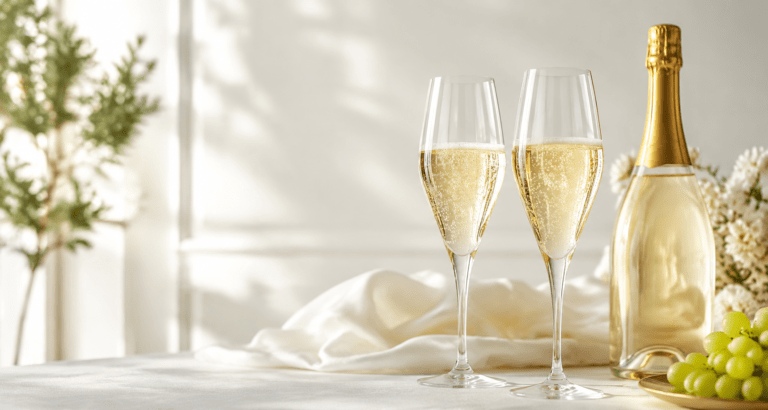
Pour Primitivo at 60–65°F
Slightly below room temperature keeps the high alcohol from overwhelming Primitivo's fruit.

Understand Wine. Enjoy Every Glass.
Grape Varieties
Primitivo is the sun-soaked red of Puglia in Italy's heel: ripe, jammy, and generous. Here is how it tastes, how it relates to Zinfandel, and what to serve with it.
Start Learning
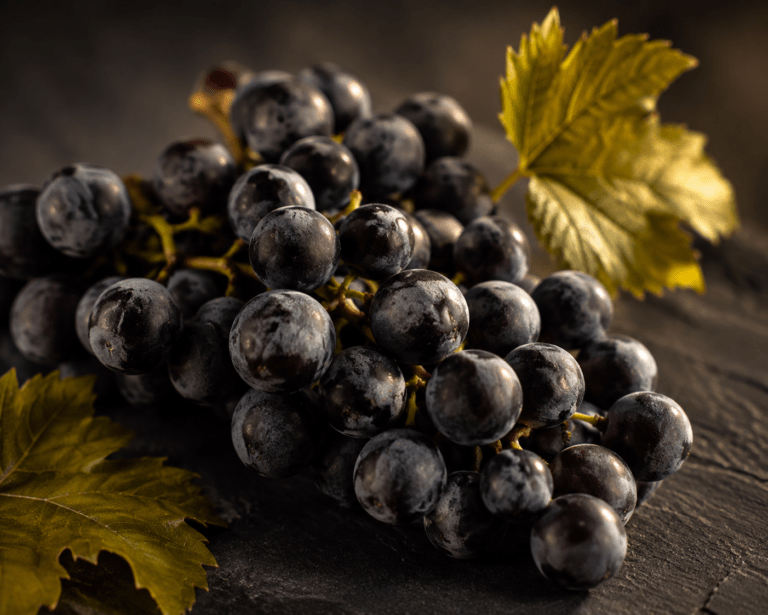
Primitivo wine is all about ripe, dark fruit. Expect blackberry, black cherry, plum jam, and blueberry, often with dried fruit like fig, prune, and raisin in the ripest bottles. Underneath you get licorice, cinnamon, black pepper, and the dried herbs of the southern Italian countryside. On the palate, it is full-bodied and round. Tannins are soft to moderate, and acidity is on the lower side, so it feels plush rather than sharp. The other defining trait is alcohol. Primitivo ripens early and builds sugar quickly in the southern heat, so many bottles reach 14% to 15% alcohol or more. That gives the wine its warm, mouth-filling texture. Well-made examples balance that ripeness with enough freshness to stay drinkable.
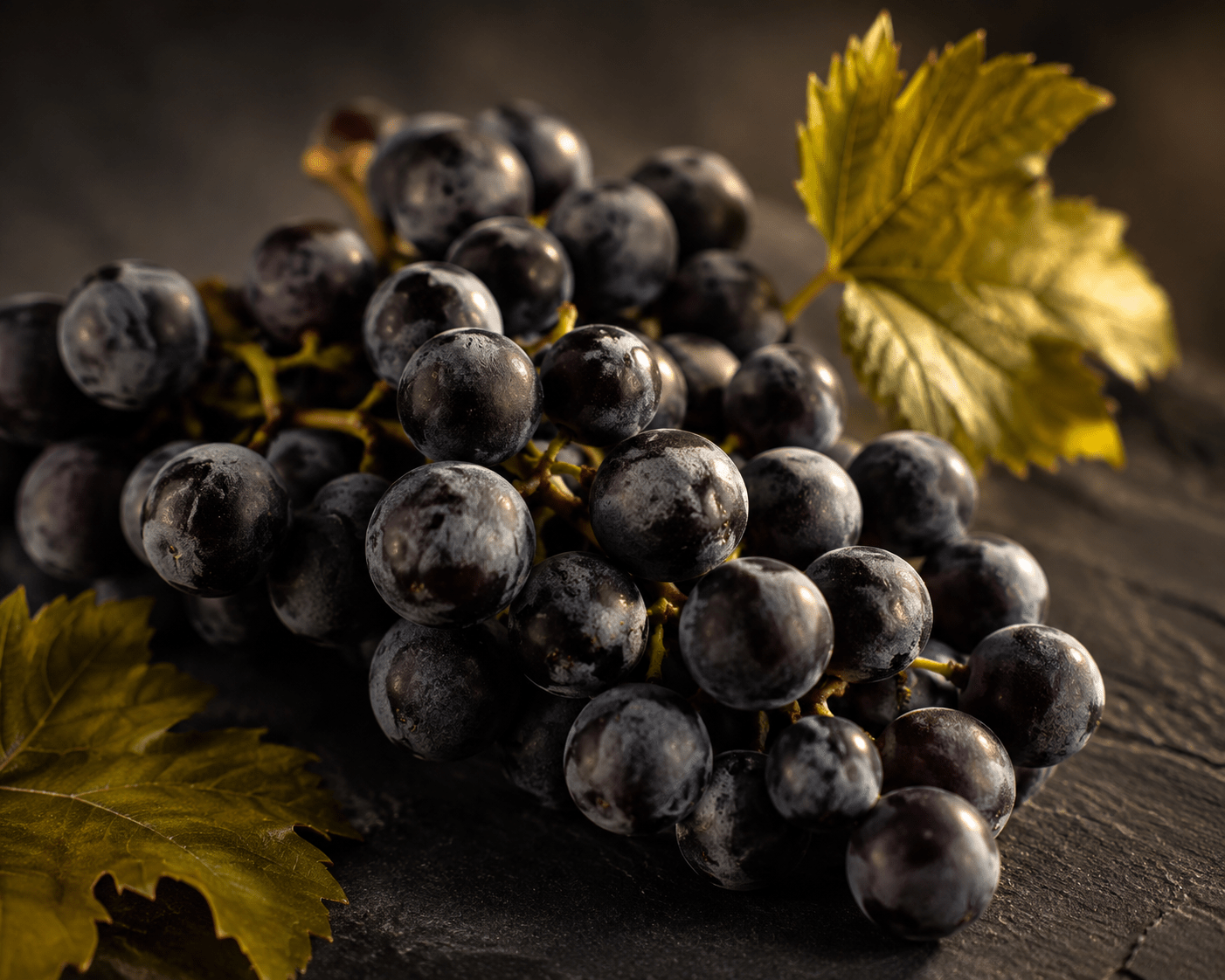
Primitivo and Zinfandel are genetically the same grape. DNA research traced both back to a Croatian variety known as Tribidrag or Crljenak Kaštelanski. The grape reached southern Italy and became Primitivo, a name that refers to its early ripening. Separately, it traveled to the United States in the 1800s and became California’s Zinfandel. Today the two often taste different because of climate, clone, and winemaking. Italian Primitivo tends to be a bit more rustic and savory, with dried herbs and earth. California Zinfandel is often riper, more brambly, and more heavily oaked, with peppery spice. EU rules allow either name on labels, and you may even see Italian wine labeled Zinfandel. Our Zinfandel vs. Primitivo comparison goes deeper.
Puglia, the long heel of Italy’s boot, is Primitivo country. It is hot, sunny, and flat, cooled by breezes from both the Adriatic and Ionian seas. The most famous wine is Primitivo di Manduria, from the Salento peninsula near Taranto. It is rich, ripe, and powerful, often from old bush vines, and there is a rare sweet version called Primitivo di Manduria Dolce Naturale. Gioia del Colle, farther north on a higher plateau, makes fresher, more structured Primitivo with brighter acidity. Much of the everyday Primitivo on shelves is labeled Puglia IGT or Salento IGT, which gives winemakers more freedom and often great value. Smaller amounts grow in Basilicata and Campania.
Serve Primitivo at 60–65°F, a little cooler than room temperature. Because the alcohol is high and the acidity low, a warm Primitivo can taste soupy and hot. Fifteen to twenty minutes in the refrigerator brings the fruit back into focus. Use a large-bowled red wine glass. Most Primitivo is made to drink young and fruity, within three to five years, and simple bottles need no decanting. Bigger Primitivo di Manduria and oak-aged Riserva wines benefit from 30 to 60 minutes in a decanter to soften the tannin and blow off any heat. The sweet Dolce Naturale style should be served slightly cooler, around 55–60°F, in a small glass.
Primitivo wine loves hearty, flavorful food. Its ripe fruit and soft tannins match smoky, slightly sweet flavors, which makes it excellent with barbecue, pulled pork, and ribs with a tangy sauce. It is a great burger wine, especially with caramelized onions or blue cheese. In Puglia, it is served with orecchiette and sausage, braised meats, and meatballs in tomato sauce. It works well with most pasta in rich red sauce, with pizza topped with spicy salami, and with aged cheeses like Pecorino and aged provolone. The low acidity means it can struggle with very tart dishes, and its high alcohol makes very spicy food burn, so keep the chili moderate.
For everyday drinking, Primitivo labeled Puglia IGT or Salento IGT offers big flavor at a low price, often under $15. For a more serious bottle, look for Primitivo di Manduria, or Gioia del Colle for a fresher, more structured style. Riserva means longer aging. Check the alcohol on the label: 13.5% hints at a fresher style, while 15% or more signals a rich, jammy wine. If you enjoy Primitivo, try California Zinfandel for the American take. Montepulciano from Abruzzo is juicier and less alcoholic. Nero d’Avola from Sicily offers similar southern warmth and dark fruit, and Australian Shiraz shares the ripe, plush style.
| Wine or Region | Style | What to Expect |
|---|---|---|
| Primitivo di Manduria | Rich, powerful red | Jammy black fruit, fig, high alcohol |
| Primitivo di Manduria Dolce Naturale | Naturally sweet red | Raisin, dried cherry, chocolate |
| Gioia del Colle | Higher-altitude Primitivo | Fresher acidity, firmer structure |
| Puglia or Salento IGT | Everyday Primitivo | Ripe, round, easy and affordable |
| California Zinfandel | Same grape, US style | Brambly fruit, pepper, often more oak |
| Riserva bottles | Extended aging | Softer tannins, dried fruit, spice |
Slightly below room temperature keeps the high alcohol from overwhelming Primitivo's fruit.
A lower alcohol number on a Puglia label usually means a fresher, less jammy style.
Smoky, slightly sweet sauces are a natural match for Primitivo's ripe fruit.
Learn Your Taste
Answer a few simple questions and discover styles that fit your palate.
Take the Wine QuizYes, genetically. DNA testing showed Primitivo and Zinfandel are the same grape, both descended from a Croatian variety called Tribidrag. They often taste different because of climate and winemaking, with Italian Primitivo usually a bit more rustic and savory.
Most Primitivo is dry. Its very ripe fruit and high alcohol can create an impression of sweetness. The exception is Primitivo di Manduria Dolce Naturale, a genuinely sweet red made from late-harvested grapes.
Yes. Primitivo is usually full-bodied, with ripe fruit, soft tannins, and alcohol often at 14% or more. That combination gives it a rich, mouth-filling texture similar to Zinfandel or warm-climate Shiraz.
It is Primitivo's most famous appellation, in Puglia's Salento peninsula. The wines are rich and powerful, often made from old bush vines, with ripe black fruit and high alcohol. A sweet version, Dolce Naturale, has its own higher-level status.
Hearty dishes are best: barbecue ribs, burgers, sausage pasta, meatballs, braised beef, and pizza with spicy salami. Aged cheeses like Pecorino and provolone also work well with its ripe fruit and soft tannins.
Most Primitivo is best within three to five years of the vintage, while its fruit is vibrant. Top Primitivo di Manduria and Riserva wines can age longer, developing dried-fruit and leathery notes.