Mind the Alcohol
Serve at 60–65°F; warm, high-alcohol Shiraz tastes hot and heavy.

Understand Wine. Enjoy Every Glass.
Grape Varieties
Shiraz is Australia's signature red: bold, ripe, and generous. Learn what it tastes like, how regions change it, and why it is a barbecue's best friend.
Start Learning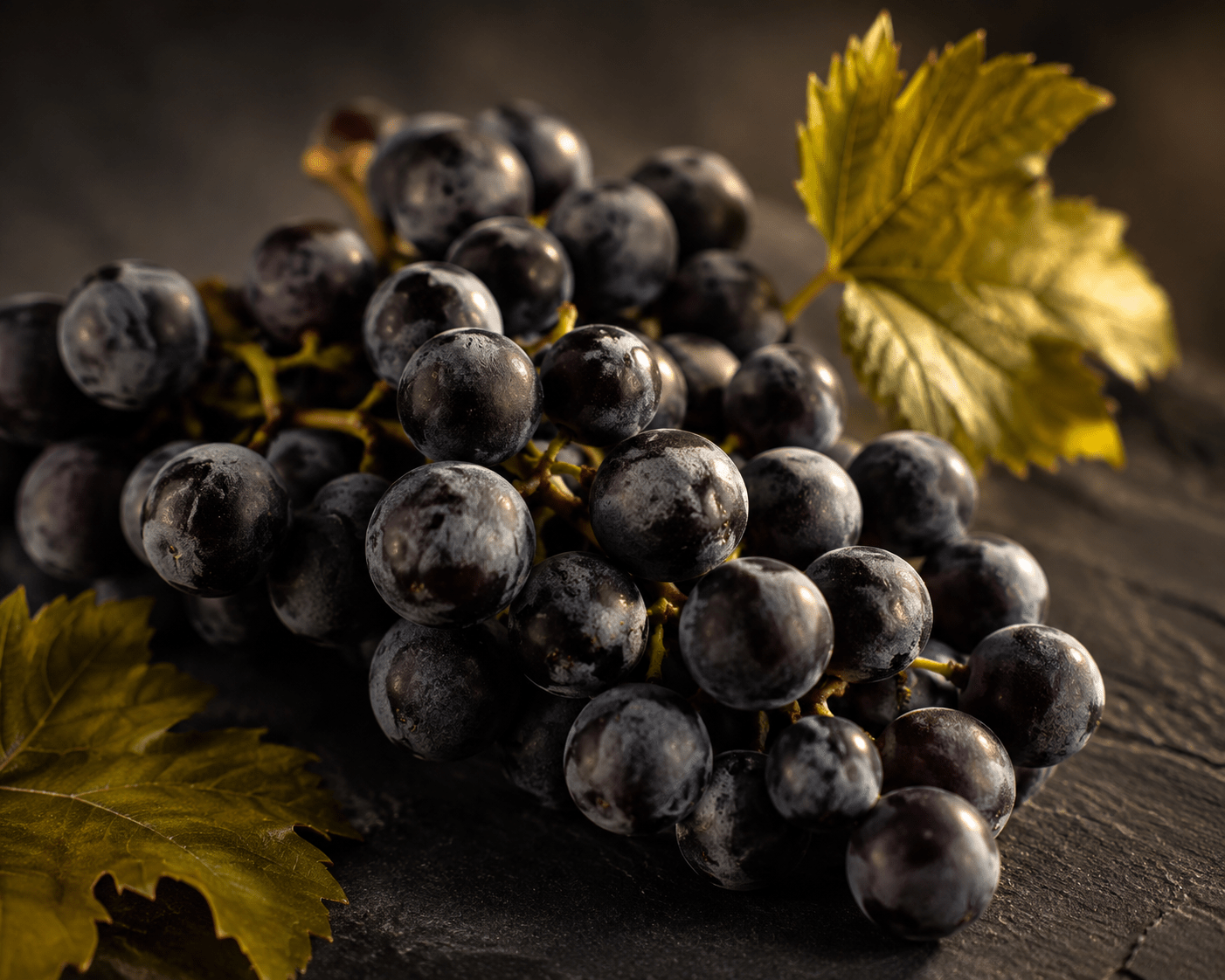
Shiraz wine is rich and fruit-forward. Expect ripe blackberry, black plum, blueberry, and black cherry, often with dark chocolate, mocha, licorice, and sweet baking spice. Many Australian examples carry a eucalyptus or mint note and a dusting of black pepper. Oak, often American oak in traditional styles, adds vanilla, coconut, and toast. In the mouth, Shiraz is full-bodied and plush, with ripe, rounded tannins and moderate acidity. Alcohol often reaches 14–15%, which adds to the sense of richness and warmth; see wine alcohol content for how that affects taste. Cooler-climate Shiraz is a different animal, lighter and more savory, with red fruit, pepper, and spice. Top bottles age for decades, developing leather, earth, and dried fruit.
Shiraz is Australia’s most planted red grape, and region makes a big difference. The Barossa Valley in South Australia is the heartland, famous for dense, ripe, chocolatey wines, including some from vines more than a century old. Neighboring Eden Valley is cooler and more floral. McLaren Vale, south of Adelaide near the sea, gives rich Shiraz with dark chocolate and savory, earthy notes. Clare Valley adds minty freshness. New South Wales’ Hunter Valley makes medium-bodied, earthy Shiraz that ages into leathery complexity. Victoria’s cooler regions, such as Heathcote, Grampians, and the Yarra Valley, produce peppery, elegant examples, as does Canberra District. Western Australia’s Great Southern and Margaret River are other cool-climate sources.
Australia has given the world several distinctive Shiraz styles. Shiraz-Cabernet is a classic Australian blend, pairing Shiraz’s plush fruit with Cabernet Sauvignon’s structure and blackcurrant. Shiraz-Viognier follows the Côte-Rôtie tradition of co-fermenting a little white Viognier with the red grapes, which deepens color and adds floral lift. GSM blends Grenache, Shiraz, and Mourvèdre, a nod to the southern Rhône that thrives in McLaren Vale and Barossa. Then there is sparkling Shiraz, a deep red, gently sweet-fruited bubbly that Australians drink with roast turkey and holiday meals. Fortified Shiraz, made in a style similar to port wine, is another regional tradition. South Africa also uses the Shiraz name for its riper reds.
Serve Shiraz at 60–65°F. Because many bottles are high in alcohol, serving too warm makes them taste hot and syrupy. On a summer day, 20 minutes in the fridge is a good idea. Young, concentrated Barossa or McLaren Vale Shiraz benefits from 30 to 60 minutes of air, either in a decanter or by opening the bottle well before the meal. Medium-bodied Hunter Valley and fruitier everyday Shiraz can be poured immediately. A large-bowled red wine glass helps tame the alcohol and lets the fruit show. Sparkling Shiraz should be served chilled, like other sparkling wine, at about 50°F. An opened bottle of still Shiraz will usually last three to five days in the fridge with the cork back in.
Bold, fruity Shiraz needs bold food. It is a natural partner for barbecue of all kinds, especially smoky, sweet, sauced meats like ribs and pulled pork, because its ripe fruit matches the sweetness of the sauce. Grilled lamb, burgers, beef brisket, and peppered steak all work. Shiraz’s chocolate notes make it a fun match for chili con carne and mole, as long as the heat is moderate. Australians often serve it with kangaroo or game; venison and duck are easier substitutes. Aged Cheddar and smoked Gouda are good cheese choices. Sparkling Shiraz is a festive match for roast turkey and glazed ham. Avoid delicate fish, light salads, and fiery spice, which make high-alcohol Shiraz taste harsh.
Shiraz is the same grape as Syrah; try a northern Rhône Syrah to taste the leaner, more peppery side, and read Syrah vs Shiraz for a full comparison. If you love Shiraz’s ripe fruit, California Zinfandel, Argentine Malbec, and South Africa’s Pinotage are good next steps. For a softer comparison, see Merlot vs Shiraz. When buying, pick your region to pick your style: Barossa or McLaren Vale for richness, Hunter Valley for earthy, medium body, and Heathcote, Yarra Valley, or Great Southern for pepper and elegance. Many good-value Shiraz bottles are labeled simply “South Australia.” Old-vine bottlings are a step up in concentration.
| Region | Style | What to Expect |
|---|---|---|
| Barossa Valley | Rich and ripe | Blackberry jam, chocolate, plush tannin |
| McLaren Vale | Full and savory | Dark chocolate, plum, earthy spice |
| Hunter Valley | Medium-bodied, earthy | Red fruit, leather with age, lower alcohol |
| Heathcote & Grampians (Victoria) | Cooler, peppery | Black pepper, dark cherry, fine tannin |
| Eden Valley | Fragrant, elegant | Violet, blueberry, fresh acidity |
| Sparkling Shiraz | Red sparkling | Juicy berry fruit, served chilled |
Serve at 60–65°F; warm, high-alcohol Shiraz tastes hot and heavy.
Barossa means rich; Victoria and Eden Valley mean peppery and elegant.
Sweet, smoky barbecue sauce loves Shiraz's ripe, jammy fruit.
Learn Your Taste
Answer a few simple questions and discover styles that fit your palate.
Take the Wine QuizNo. Still Shiraz is dry, though its ripe, jammy fruit and vanilla oak can taste sweet. Sparkling Shiraz often has a touch of sweetness, and fortified Shiraz is sweet.
Yes, it is the same grape. Shiraz is the name used in Australia and South Africa and usually signals a riper, fruitier style than French-style Syrah.
Barbecue, ribs, brisket, burgers, grilled lamb, and peppered steak are all excellent. Its ripe fruit also handles sweet and smoky sauces that would overwhelm lighter reds.
Usually, yes. Australian Shiraz is typically full-bodied with 14–15% alcohol. Cool-climate and Hunter Valley styles are lighter and more medium-bodied, with lower alcohol and more savory, earthy flavors.
It is a red sparkling wine made from Shiraz, mostly in Australia. It is deep purple, fruity, often slightly sweet, and served chilled, frequently with holiday roasts.
Neither is better; they are different. Shiraz is bolder and spicier, with more alcohol and pepper. Merlot is softer and rounder, with plum and chocolate notes. Choose based on your food and taste.