
Air Out Shiraz
Give young Shiraz 30 minutes in a decanter to soften its tannins and open its aromas.

Understand Wine. Enjoy Every Glass.
Wine Comparisons
Merlot and Shiraz are two of the most popular reds on any shelf. One is plush and mellow, the other bold and peppery. Here is how to pick.
Start Learning
Both are dark-skinned red grapes that make full-flavored wines, but they sit at different points on the intensity scale. Merlot is known for being smooth and approachable, which is why it became a gateway red for so many drinkers. Its grapes are relatively thin-skinned and early ripening, giving round, fleshy wines with gentle grip. Shiraz is the same grape as Syrah. The name Shiraz is used in Australia and South Africa, and by winemakers elsewhere who want to signal a riper, bolder, fruit-forward style. Shiraz grapes have thick, dark skins that deliver deep color, more tannin, and a spicy, savory kick. If you want a cozy, easy red, think Merlot. If you want something big and bold with pepper, think Shiraz. For the naming story, see Syrah vs Shiraz.
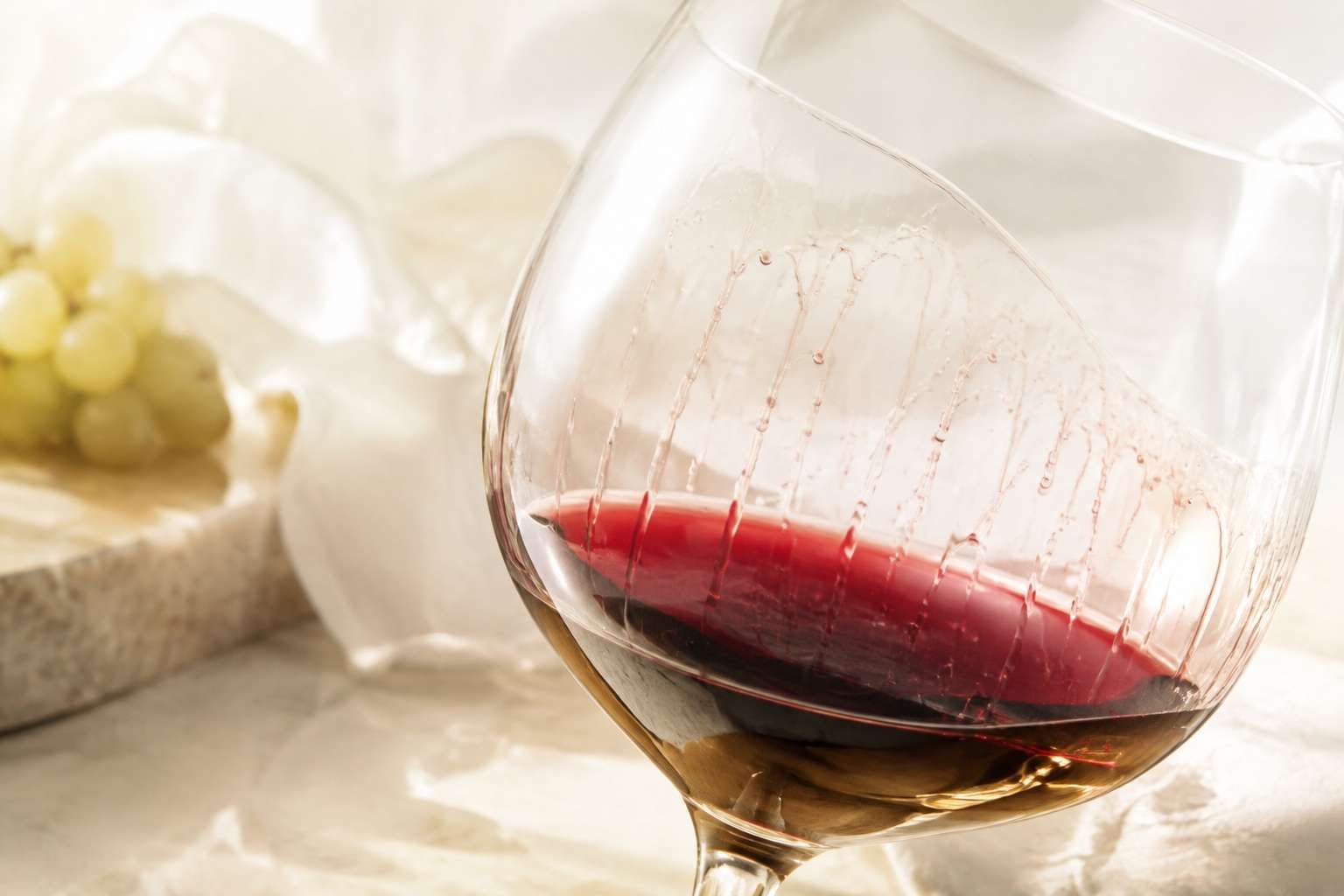
A good Merlot tastes of ripe plum, black cherry, and raspberry, with notes of milk chocolate, mocha, vanilla, and sometimes bay leaf or tobacco in cooler styles. It is medium to full-bodied with medium tannins that feel velvety rather than drying, moderate acidity, and alcohol around 13.5 to 14.5 percent. Shiraz is denser and more dramatic. Australian Shiraz shows blackberry jam, blueberry, black plum, licorice, dark chocolate, and a signature cracked black pepper note, sometimes with smoked meat, eucalyptus, or mint. It is full-bodied, with firmer tannins and alcohol often around 14 to 15 percent or higher. Both are normally dry, though very ripe Shiraz can taste sweet from sheer fruit and alcohol. Merlot feels smooth and rounded from start to finish, while Shiraz feels bigger, spicier, and more powerful.

Merlot’s spiritual home is Bordeaux, where it is the most planted grape. On the Right Bank, in Pomerol and Saint-Émilion, Merlot leads blends with Cabernet Franc, producing some of the world’s most celebrated reds. Washington State’s Columbia Valley makes ripe yet fresh, well-structured Merlot, and California, Chile, and northern Italy produce plenty of soft, fruity versions. Shiraz is Australia’s signature red. The Barossa Valley is famous for rich, chocolatey Shiraz from old vines, and McLaren Vale adds more savory, earthy depth. Cooler Australian regions, plus South Africa, make spicier, more restrained versions. In France’s northern Rhône, the same grape is called Syrah and makes leaner, peppery, smoky wines from places like Côte-Rôtie and Hermitage, a reminder that place and climate shape this grape strongly.
Merlot’s soft tannins and plush fruit make it flexible with medium-weight dishes. It is excellent with roast chicken, turkey, pork tenderloin, meatloaf, mushroom risotto, and pasta with tomato or meat sauce. It also works with filet mignon and burgers, and it won’t overwhelm milder cheeses like Gouda or Brie. Shiraz needs bigger flavors to match its power. Reach for it with barbecued brisket, smoky ribs, peppered steak, sausages, and spiced lamb, especially grilled chops or slow-roasted shoulder with rosemary. Its pepper notes echo black pepper rubs, and its jammy fruit stands up to sweet, smoky sauces. Avoid pairing Shiraz with delicate fish or light salads, which it will flatten. A simple rule: if the dish is gentle and savory, pour Merlot; if it is charred, spiced, or smoky, pour Shiraz.
Both grapes are widely available and offer good value. Everyday Merlot from Chile, California, and southern France is often $10 to $18, and Washington Merlot is a sweet spot for quality in the $15 to $30 range. At the top end, Right Bank Bordeaux from Pomerol and Saint-Émilion includes some of the most expensive Merlot-based wines in the world. Australian Shiraz is also a bargain at the entry level, with juicy, generous bottles often under $15. Spending more brings old-vine Barossa and McLaren Vale Shiraz with greater depth and aging potential, often in the $30 to $60 range or higher. If you are shopping on a budget, look for Washington Merlot or a South Australian Shiraz. Our best red wines under $20 list has more ideas.
Choose Merlot if you are new to red wine, prefer soft and smooth textures, or need a bottle that suits a varied table and a crowd with mixed tastes. Merlot is also a smart pick for weeknight dinners, roast chicken, and pasta. Choose Shiraz if you love bold, full-bodied reds, enjoy peppery spice, or are firing up the grill. Fans of Zinfandel and Malbec usually feel right at home with Shiraz. Serve both slightly below room temperature, around 60 to 65°F. Young, powerful Shiraz benefits from 30 minutes of air in a decanter, while most Merlot is ready to drink straight from the bottle. Still curious? Compare Merlot with another plush red in our Malbec vs Merlot guide.
| Attribute | Merlot | Shiraz |
|---|---|---|
| Flavor | Plum, black cherry, chocolate, mocha | Blackberry, blueberry, black pepper, licorice |
| Body | Medium to full | Full |
| Tannin | Medium, velvety | Medium-high to high, firmer grip |
| Alcohol | About 13.5–14.5% | Often 14–15% or more |
| Key regions | Bordeaux Right Bank, Washington, California, Chile | Barossa Valley, McLaren Vale, South Africa; Syrah in the Rhône |
| Best food | Roast chicken, pork tenderloin, mushroom pasta | Barbecue brisket, peppered steak, grilled lamb |
Give young Shiraz 30 minutes in a decanter to soften its tannins and open its aromas.
Washington State Merlot offers ripe fruit with fresh structure at fair prices.
Pour both around 60–65°F. Warm reds taste flabby and more alcoholic.
Learn Your Taste
Answer a few simple questions and discover styles that fit your palate.
Take the Wine QuizBoth are usually dry. Australian Shiraz can taste sweeter because of its jammy blackberry fruit and higher alcohol, while Merlot tastes softer and rounder. Neither typically has much residual sugar unless the label says otherwise.
Usually, yes. Shiraz is often 14 to 15 percent alcohol or more and has firmer tannins and fuller body. Merlot tends to sit around 13.5 to 14.5 percent and feels smoother and less intense.
Usually, yes. Shiraz tends to have firmer, grippier tannins and more spice, while Merlot is known for soft, round tannins that feel smooth. Top Bordeaux Merlot can be quite structured, but in everyday bottles Shiraz almost always has more grip.
Merlot is usually easier for beginners. Its soft tannins, plum and cherry fruit, and smooth finish make it gentle and approachable. Shiraz is a great next step once you want more spice, power, and body.
Yes. Winemakers blend them, especially in Australia, and many inexpensive red blends combine the two. Merlot softens Shiraz's tannins and adds plummy flesh, while Shiraz contributes color, spice, and backbone.
It depends on the cut. Shiraz suits a peppery or grilled ribeye and strip steak thanks to its spice and grip. Merlot is better with lean filet mignon, which a powerful Shiraz could overwhelm.

