
Look for Uco Valley
Malbec from the high Uco Valley tends to be fresher and more floral.

Understand Wine. Enjoy Every Glass.
Wine Comparisons
Both are smooth, fruity reds that please a crowd, so Malbec vs Merlot can feel like a coin toss. The differences in color, fruit, and food matches are real, though.
Start Learning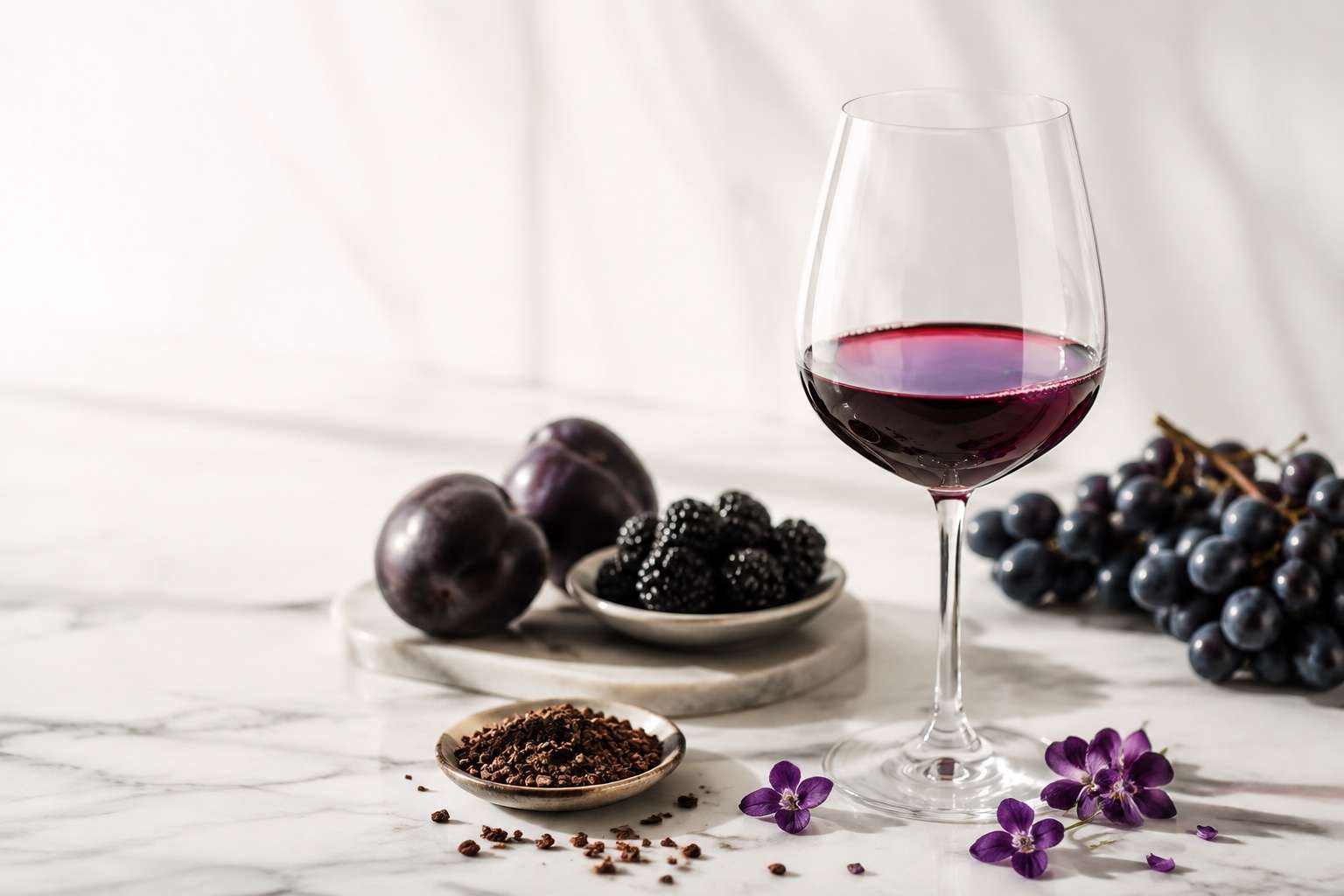
Both grapes started in France, but they took different paths. Merlot is a Bordeaux star, prized for soft, plummy wines that fill out blends. Malbec was once a minor Bordeaux grape and the main grape of Cahors in southwest France, where its dark wines were nicknamed black wine. Its big success came in Argentina. The key contrast is weight and color. Malbec makes an inky, purple-black wine with more concentrated dark fruit, a floral violet perfume, and firmer tannins. Merlot is a bit lighter in color, rounder, and silkier, with gentler tannins and red-to-black fruit. Both are typically medium-plus to full-bodied and dry, which is why many drinkers who like one also enjoy the other.
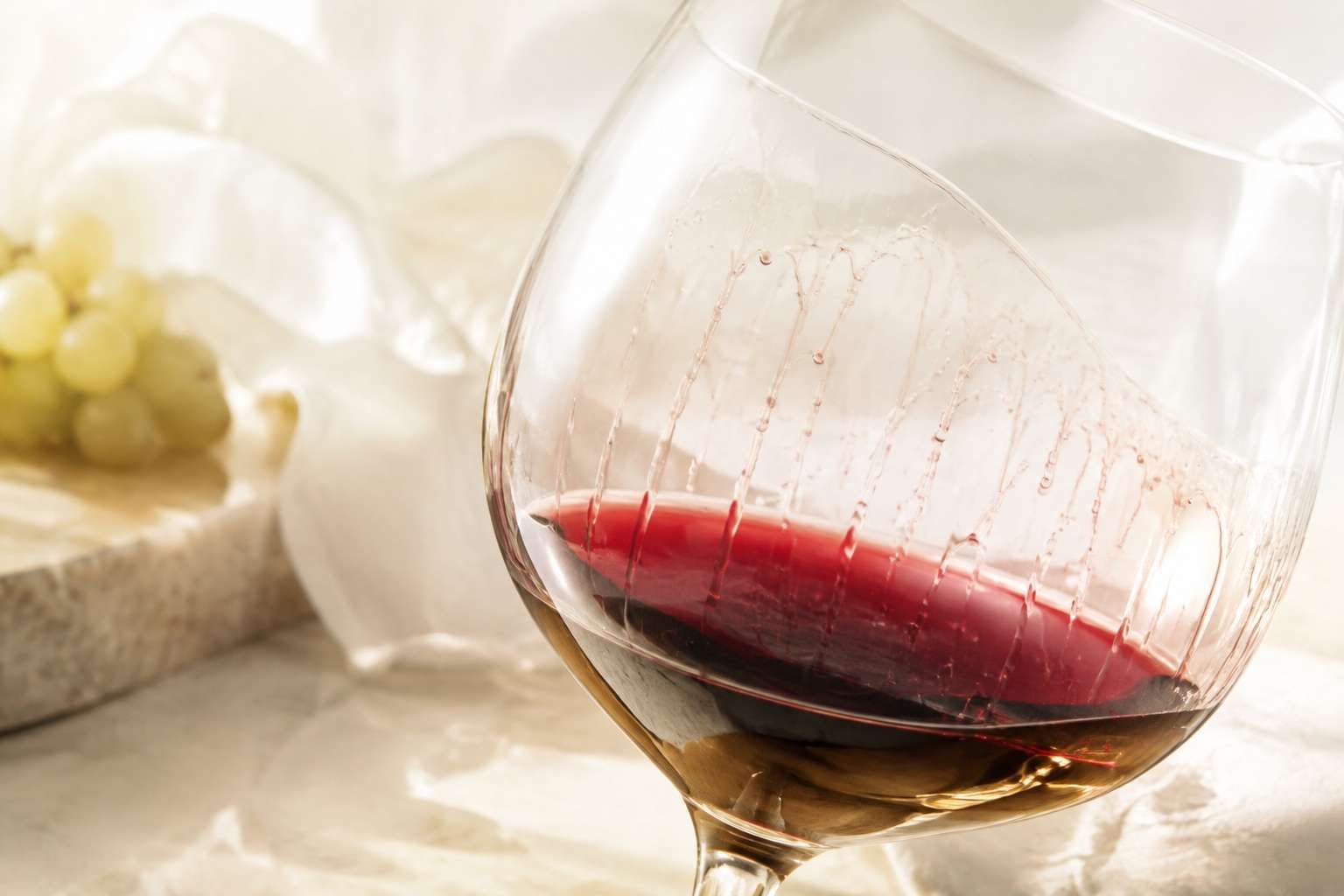
Argentine Malbec tastes of blackberry, black plum, and blueberry, with violet, cocoa, sweet tobacco, and a touch of leather. Oak-aged bottles add vanilla and mocha. Its tannins are medium to medium-plus but ripe and smooth, and its acidity is often brighter than you expect, thanks to cool nights at altitude. French Cahors Malbec is more rustic and earthy, with firmer tannin and sour cherry. Merlot tastes of ripe plum, black cherry, raspberry, and milk chocolate, with bay leaf and earthy notes in cooler climates. Its tannins feel velvety and its finish rounded. In a side-by-side tasting, Malbec usually feels darker and more muscular, while Merlot feels plush and mellow. Alcohol is similar in both, typically 13.5–14.5%.

Today, most of the world’s Malbec grows in Argentina, especially Mendoza. Vineyards there sit high in the foothills of the Andes. The Uco Valley, at the highest elevations, makes fresh, floral wines, while Luján de Cuyo is known for richer, older-vine Malbec. Cahors in France remains Malbec’s historic home, and Chile, California, and Washington grow small amounts. Merlot is planted widely around the world. Its classic home is Bordeaux’s Right Bank, where Saint-Émilion and Pomerol make Merlot-led blends. Washington’s Columbia Valley is famous for balanced, ripe Merlot, and Napa, Chile, northern Italy, and southern France all produce reliable versions.
Malbec’s natural partner is grilled red meat. In Argentina it is poured with asado, the big wood-fired barbecue of beef cuts and sausages, often topped with tangy chimichurri. It is also excellent with burgers, skirt steak, beef empanadas, lamb, and smoky grilled vegetables. Its fruit handles mild spice, like chili-rubbed meat or tacos. Merlot is gentler and more flexible. It pairs well with roast chicken, pork tenderloin, meatloaf, mushroom dishes, eggplant parmesan, and tomato-sauced pasta. Soft cheeses and mild cheddar suit it nicely. Either wine works for a casual pizza night: Malbec for meat-loaded pies, Merlot for mushroom or margherita.
Both offer excellent value. Argentine Malbec is one of the best deals in red wine, with many satisfying bottles under $15 to $20 and serious single-vineyard wines from the Uco Valley costing more. Merlot is also widely available under $20 from Chile, Washington, and southern France. The top tier of Merlot, in Pomerol and Saint-Émilion, is far pricier than almost any Malbec. Serve both at 60–65°F in a standard red wine glass. Young, dense Malbec often improves with 20 to 30 minutes in a decanter, which softens tannin and lifts the violet aromas. Most Merlot is ready to drink right away. Both are best within a few years of the vintage unless labeled reserve.
Pick Malbec if you like bold, dark, juicy reds with a floral edge, are cooking steak or barbecue, or want the most flavor for your money. Pick Merlot if you prefer a softer, mellower red, have guests who find bigger reds too strong, or are serving a mix of dishes from chicken to pasta. Both make great choices for anyone stepping up from lighter reds. To keep comparing, read Malbec vs Cabernet Sauvignon and Cabernet Sauvignon vs Merlot, or find more bargains in our best red wines under $20.
| Attribute | Malbec | Merlot |
|---|---|---|
| Color | Inky purple-black | Ruby to deep garnet |
| Main flavors | Blackberry, plum, violet, cocoa | Red plum, black cherry, milk chocolate |
| Tannin | Medium to medium-plus, ripe | Medium, soft and velvety |
| Classic regions | Mendoza, Cahors | Bordeaux Right Bank, Washington |
| Best food | Grilled steak, asado, empanadas | Roast chicken, pork, pasta |
| Value | Excellent; many bottles under $20 | Good; top Pomerol is very costly |
Malbec from the high Uco Valley tends to be fresher and more floral.
The tangy herb sauce brightens Malbec's dark fruit and softens its tannin.
Both taste best at 60–65°F; a warm bottle tastes soupy and alcoholic.
Learn Your Taste
Answer a few simple questions and discover styles that fit your palate.
Take the Wine QuizMalbec usually tastes bolder, with darker color, more concentrated fruit, and firmer tannin. Alcohol levels are similar, often 13.5–14.5% for both, so the difference is mostly in flavor intensity, not strength.
Merlot is generally smoother, with softer, velvety tannin and a rounder feel. Argentine Malbec is still smooth for a dark red, with ripe tannins, but it has more grip and structure than most Merlot.
Neither is sweet. Both are dry reds. Malbec's ripe blackberry and plum fruit can seem sweet, and Merlot's chocolatey softness can too, but neither usually contains noticeable residual sugar.
Malbec comes from southwest France, where it is the main grape of Cahors and was once part of Bordeaux blends. It became world-famous in Argentina, which now grows most of it.
Yes. Argentine Malbec is fruity, smooth, and easy to enjoy, yet bold enough for steak. It is also affordable, so it is a great way to explore fuller reds without spending much.
Yes. Both are dry, fruity reds with moderate tannin, so they work interchangeably in beef stews, red wine sauces, and braises. Use a bottle you would happily drink, since flavors concentrate as they cook.

