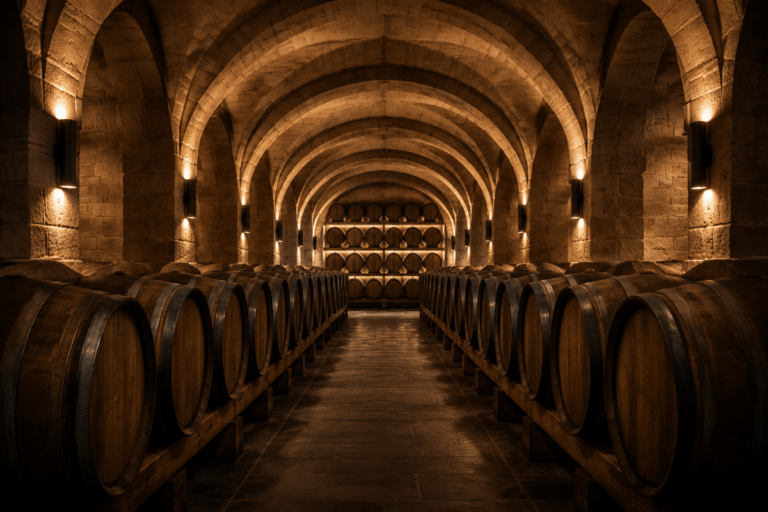
Seek an Aged Semillon
Ask cellar doors for older museum releases to taste Semillon's toasty transformation.

Understand Wine. Enjoy Every Glass.
Wine Regions
Just a couple of hours from Sydney, the Hunter Valley is one of Australia's oldest and most visited wine regions. Its unique Semillon is unlike any white wine you have tried.
Start Learning
The Hunter Valley is in New South Wales, about two hours’ drive north of Sydney, and is one of Australia’s oldest wine regions, with vines planted in the early 1800s. Its closeness to the country’s biggest city has made it one of Australia’s most visited wine destinations. The climate is unusual for a top wine region: warm, humid, and subtropical in feel, with much of the year’s rain often falling in summer, right around harvest. That sounds like a challenge, and it is. But afternoon cloud cover and sea breezes moderate the heat, and growers often pick early to avoid rain and disease. Soils range from sandy creek flats, which suit Semillon, to red volcanic loams and clay on the slopes, preferred for Shiraz. These conditions shape the region’s distinctive style: Hunter Valley wine tends to be lower in alcohol and more medium-bodied than wine from hotter Australian regions.

Semillon is the Hunter’s signature grape and one of Australia’s most original wines. Elsewhere, Semillon is often blended with Sauvignon Blanc or made into sweet wine, but Hunter growers pick it early, at low sugar levels, and make it without oak. The result is a pale, bone-dry white with only around 10 to 11.5 percent alcohol, tasting of lemon, lime, green apple, and fresh-cut grass, with very high acidity. Young, it can seem lean. The magic comes with age. After five to ten years or more in bottle, Hunter Semillon turns golden and develops aromas of toast, honey, nuts, and lanolin, as if it had been aged in oak, even though it never touched a barrel. Few white wines age this well, which makes it a favorite among collectors and a great candidate for starting a small cellar.

Shiraz is the Hunter’s main red grape, and it is very different from the bold, jammy style many people expect from Australia. Hunter Shiraz is usually medium-bodied, with red and black cherry, plum, and earthy, savory notes often described as leather or forest floor. Tannins are fine and acidity is fresh. It ages gracefully, gaining complexity over a decade or more. Compare it with the richer, riper Shiraz of the Barossa Valley to see how much climate matters. Chardonnay is the other important white; modern Hunter versions are fresher and less oaky than in the past, with peach, melon, and citrus. Verdelho, a Portuguese grape, makes fruity, tropical whites that are easy to enjoy young. You will also find Tempranillo, Fiano, and other newer varieties as growers experiment with grapes suited to warm, humid weather.
The region divides into the Lower Hunter and the Upper Hunter. Most wineries and visitors are in the Lower Hunter, around Cessnock. Pokolbin is the heart of the region, with the greatest number of cellar doors and many of the oldest vineyards; it sits beneath the Brokenback Range. Lovedale and Rothbury are close by and known for Semillon from sandy soils. Mount View, on higher ground to the southwest, is a little cooler and quieter. Broke Fordwich, a recognized subregion to the west, has a reputation for fine Semillon and a more rural feel. The Upper Hunter, farther northwest around Denman and Muswellbrook, is drier and larger in scale, with fewer wineries but good Chardonnay and red wines. For a first visit, Pokolbin and Lovedale put you within minutes of dozens of tasting rooms.
Start with a young Hunter Semillon, which is often inexpensive. Then, if you can, find an aged bottle with five or more years of age, which some wineries sell as a museum release. Tasting the two together is a wine lesson you will never forget. Next, try a Hunter Shiraz to see Australia’s savory side. Young Semillon is brilliant with seafood: oysters, prawns, grilled fish, and fish and chips, thanks to its crisp acidity and lemony lift. It also suits salads and Vietnamese-style dishes with fresh herbs. Aged Semillon pairs with richer food such as roast chicken, crab, and creamy pasta. Hunter Shiraz works with roast lamb, beef casseroles, duck, and mushroom dishes, where its earthy notes shine. Chardonnay suits pork and chicken. Serve young Semillon at 45 to 50°F and Shiraz slightly cool, around 60 to 64°F.
The Hunter Valley is made for wine travel. It has a huge choice of cellar doors, many restaurants, and accommodations from cottages to resorts, and it is an easy day or weekend trip from Sydney. Pokolbin is the busiest area, with wineries close together, so a guided tour, minibus, or private driver lets everyone taste safely. Hot air balloon flights at dawn are a popular way to see the vineyards from above, and the region hosts concerts and food events throughout the year. Harvest usually runs from late January to March, a lively time to visit, but summer can be hot and humid. Autumn and spring offer mild weather and are ideal for cycling between cellar doors. Weekends can be crowded, so book tastings and restaurants ahead, or visit midweek for a quieter, more personal experience.
| Grape or Style | Character | Try It With |
|---|---|---|
| Young Semillon | Lemon, lime, grass, crisp and light | Oysters, prawns, fish and chips |
| Aged Semillon | Toast, honey, nuts, still fresh | Roast chicken, crab, creamy pasta |
| Shiraz | Medium-bodied, cherry, earthy, leathery | Roast lamb, beef casserole, duck |
| Chardonnay | Peach, melon, citrus, lightly oaked | Pork, roast chicken, soft cheese |
| Verdelho | Fruity, tropical, easy-drinking | Thai salads, picnics |
Ask cellar doors for older museum releases to taste Semillon's toasty transformation.
Hunter Shiraz is medium-bodied and earthy, not big and jammy; chill slightly.
Weekdays mean quieter cellar doors and more time to chat with staff.
Learn Your Taste
Answer a few simple questions and discover styles that fit your palate.
Take the Wine QuizThe Hunter Valley is best known for Semillon, a dry, low-alcohol white that ages remarkably well, and for medium-bodied, earthy Shiraz. Chardonnay and Verdelho are also important grapes in the region.
As Hunter Semillon ages in bottle, its high acidity and fruit slowly change, creating aromas of toast, honey, and nuts. This happens naturally over years, without any barrel aging, which is what makes the wine so famous.
Good Hunter Semillon often improves for 10 years or more, and the best can last 20 years. It is typically at its most complex after five to ten years, when toasty and honeyed notes appear.
Yes. Hunter Shiraz is usually medium-bodied, earthy, and savory with moderate alcohol, while Barossa Shiraz is fuller, riper, and richer with dark fruit and chocolate notes. Climate is the main reason for the difference.
The Hunter Valley is roughly a two-hour drive north of Sydney, depending on traffic. Many visitors make it a weekend trip, though a long day trip with a tour is also popular.
Autumn and spring offer the most pleasant weather. Harvest, from late January to March, is lively but often hot and humid. Visiting midweek avoids weekend crowds at popular cellar doors.