Read the Region
Montepulciano d'Abruzzo is the grape. Vino Nobile di Montepulciano is Tuscan Sangiovese.

Understand Wine. Enjoy Every Glass.
Grape Varieties
Montepulciano is the juicy, dark-fruited red of central Italy and one of the best values in wine. Here is how it tastes, where it grows, and what to cook with it.
Start Learning
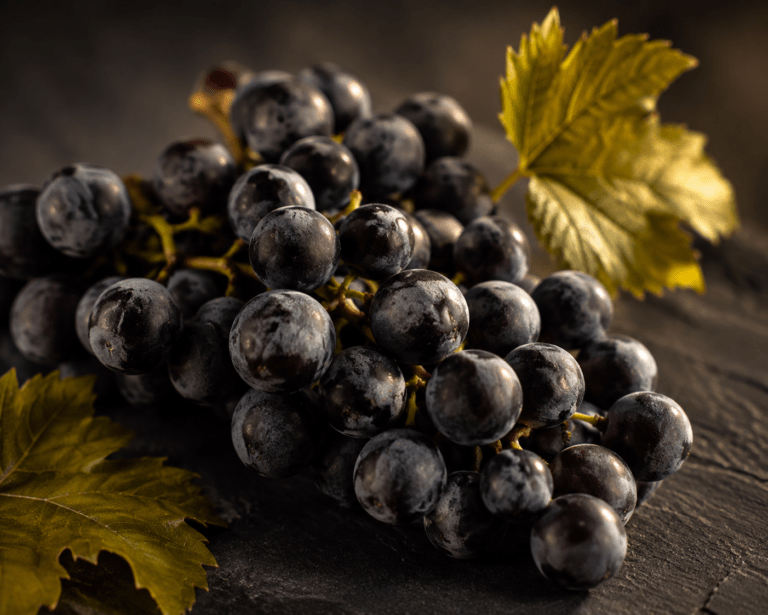
Montepulciano wine is dark, juicy, and generous. The fruit centers on black cherry, sour cherry, plum, and blackberry. Around it you will often find dried herbs like oregano, plus licorice, tobacco, and a light earthy note. Oak-aged versions add vanilla, cocoa, and sweet spice. The grape has thick skins, so the color is deep purple, almost inky. On the palate, it is medium- to full-bodied with ripe, rounded tannins and fresh but not sharp acidity. That combination makes it softer and fruitier than many Italian reds such as Sangiovese or Nebbiolo. Simple, inexpensive bottles are easy and fruity. Better bottles, especially from top hillside sites, have more concentration, firmer tannin, and the structure to age for a decade.
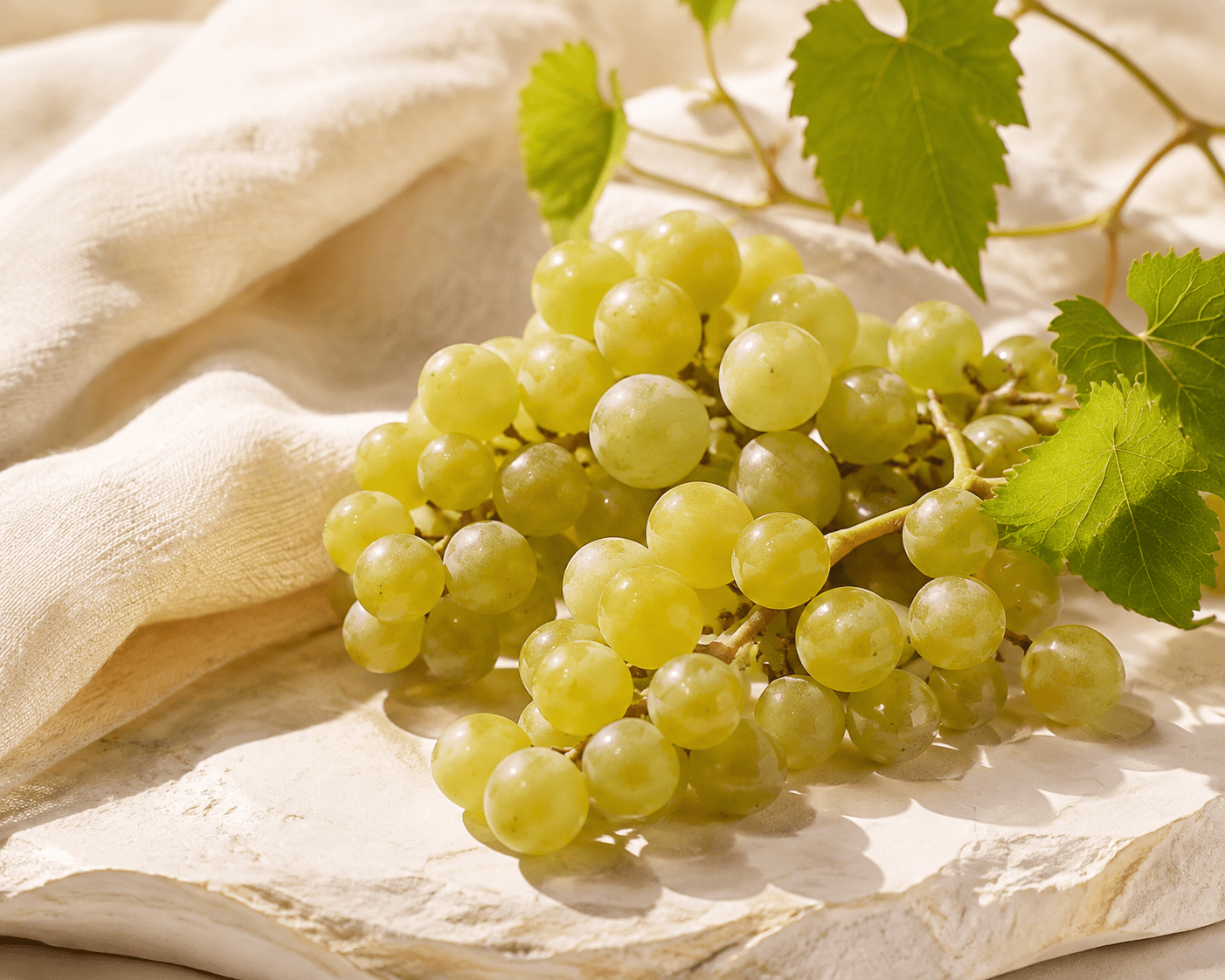
This is the most common mix-up in Italian wine. Montepulciano is a grape grown mostly in Abruzzo and the Marche. Montepulciano is also a hilltop town in Tuscany, whose famous wine, Vino Nobile di Montepulciano, is made mainly from Sangiovese — not the Montepulciano grape at all. Rosso di Montepulciano from that town is also Sangiovese-based. So if a label says Montepulciano d’Abruzzo, you are drinking the grape. If it says Vino Nobile di Montepulciano, you are drinking Tuscan Sangiovese, which is lighter, more tart, and more savory. Both are excellent, but they taste quite different, and knowing the difference makes shopping at an Italian wine shelf much easier.
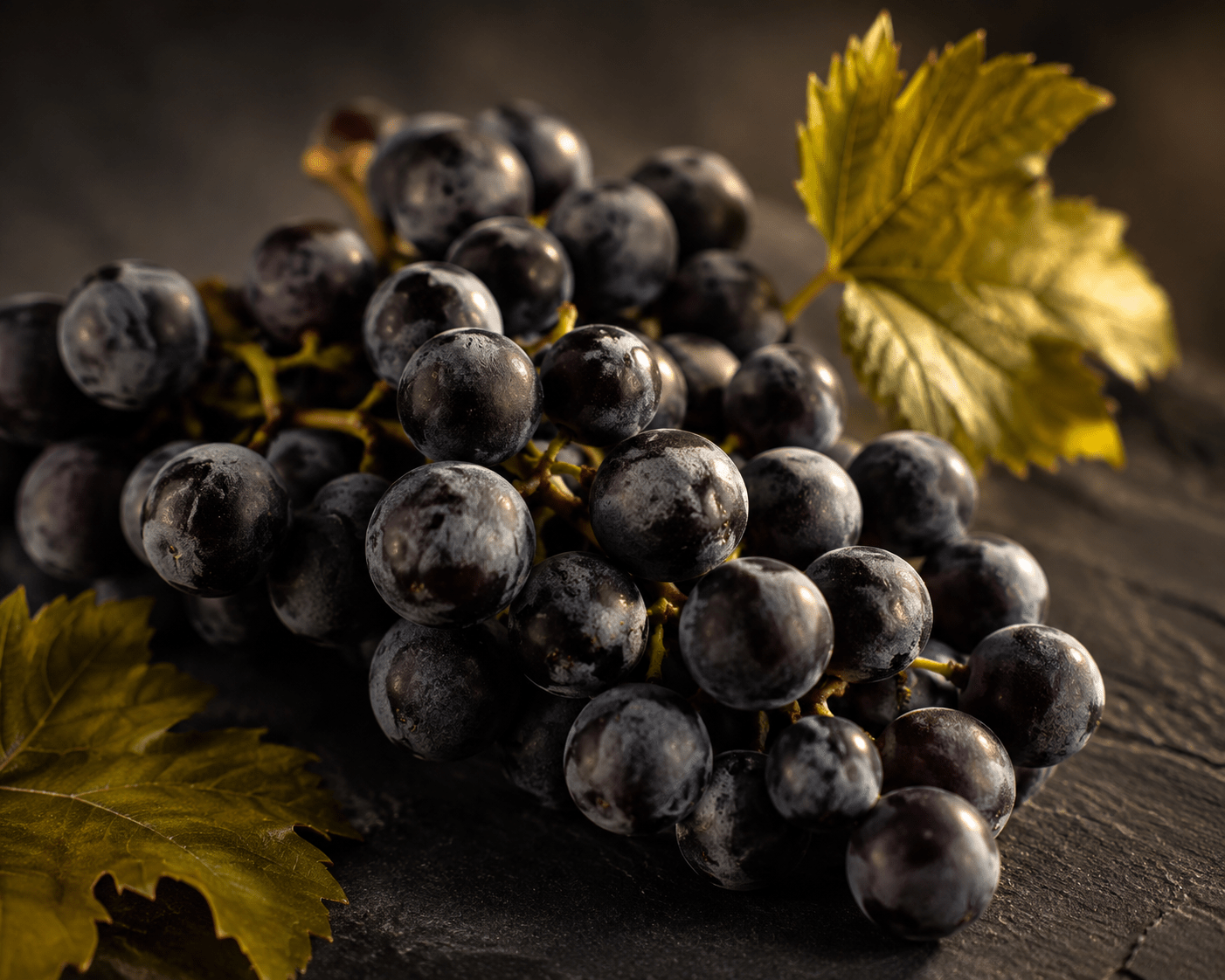
Abruzzo, on the Adriatic coast east of Rome, is the grape’s heartland. Montepulciano d’Abruzzo is the main red, and it ranges from cheerful, everyday wine to serious bottles. The Colline Teramane DOCG in the north of the region has stricter rules and tends to make more structured, age-worthy wines. Abruzzo also makes Cerasuolo d’Abruzzo, a deep cherry-pink rosé from the same grape that is fuller and fruitier than most pinks. In the Marche, just to the north, Montepulciano is the main grape of Rosso Conero, grown near the sea on Monte Conero, and is blended with Sangiovese in Rosso Piceno. You will also find it in Molise and Puglia, and in small amounts in Australia and California.
Serve Montepulciano at 60–65°F. A slight chill keeps the fruit lively, especially with budget bottles that can taste flat when warm. A standard red wine glass is fine. Most everyday Montepulciano d’Abruzzo is made to drink right away and does not need decanting. More serious bottles, such as Colline Teramane or Riserva wines with several years of oak aging, benefit from 30 to 60 minutes of air to open up. Cerasuolo d’Abruzzo should be served chilled at 50–55°F, slightly warmer than a pale rosé because of its fuller body. An opened bottle of red will stay fresh for two or three days with the cork back in, stored in the fridge.
Montepulciano wine is built for everyday Italian cooking. Its acidity matches tomato sauce, and its soft tannins handle cheese without clashing. That makes it one of the best partners for pizza, from margherita to pepperoni. It is excellent with lasagna, spaghetti and meatballs, eggplant parmigiana, and pasta with sausage ragù. In Abruzzo, it is the classic match for arrosticini, small skewers of grilled lamb. It also pairs well with burgers, roast pork, and hard cheeses like Pecorino. Cerasuolo d’Abruzzo is a great all-rounder for charcuterie, grilled fish, and summer salads. For more ideas, see our guide to wine with Italian food.
Montepulciano d’Abruzzo is famously good value. Plenty of satisfying bottles cost under $15, which earns it a spot among the best red wines under $20. For more depth, look for Riserva on the label, meaning extra aging, or the Colline Teramane DOCG. Rosso Conero from the Marche is another step up in structure. If you enjoy Montepulciano, try Nero d’Avola from Sicily for similar dark fruit with a warmer, plusher feel. Primitivo from Puglia is riper and jammier. For something lighter and more tart, taste Sangiovese from Chianti and see how the two central Italian reds differ.
| Wine or Region | Style | What to Expect |
|---|---|---|
| Montepulciano d'Abruzzo | Everyday red | Juicy black cherry, soft tannins, great value |
| Colline Teramane DOCG | Structured, often oak-aged | More concentration, firmer tannin, ages well |
| Cerasuolo d'Abruzzo | Deep-colored rosé | Cherry and watermelon, fuller than most pinks |
| Rosso Conero, Marche | Montepulciano-led red | Dark fruit, herbs, a touch of sea-breeze freshness |
| Rosso Piceno, Marche | Blend with Sangiovese | Brighter acidity, red and black cherry |
| Vino Nobile di Montepulciano | Tuscan Sangiovese, not this grape | Lighter, tart cherry, savory |
Montepulciano d'Abruzzo is the grape. Vino Nobile di Montepulciano is Tuscan Sangiovese.
Fifteen minutes in the fridge keeps everyday Montepulciano d'Abruzzo juicy and fresh.
Its acidity and soft tannins make Montepulciano a near-perfect pizza wine.
Learn Your Taste
Answer a few simple questions and discover styles that fit your palate.
Take the Wine QuizNo. Montepulciano is a grape grown mainly in Abruzzo. Vino Nobile di Montepulciano is a Tuscan wine named after the town of Montepulciano and made mostly from Sangiovese. They share a name but taste quite different.
Yes. Montepulciano d'Abruzzo is a dry red wine. Its ripe cherry and plum fruit can make it seem slightly sweet, especially when served warm, but there is little or no residual sugar in most bottles.
Somewhat. Both are central Italian reds with cherry fruit and good acidity. Chianti is made from Sangiovese and tastes lighter, tarter, and more savory. Montepulciano is darker, rounder, and fruitier, with softer tannins.
It is usually medium- to full-bodied. Everyday bottles feel medium-weight and juicy, while Riserva and Colline Teramane wines are fuller, with more concentration and firmer structure from extra aging.
Most everyday bottles are best within two to four years of the vintage. Riserva and Colline Teramane wines can age for ten years or more, gaining earthy, leathery notes as the fruit softens.
Cerasuolo d'Abruzzo is a rosé made from the Montepulciano grape. Its name refers to its cherry color. It is darker, fruitier, and fuller-bodied than pale Provence-style rosé, and it pairs well with food.