Check the Sub-AVA
Adelaida or Willow Creek on the label suggests a fresher west side style.

Understand Wine. Enjoy Every Glass.
Wine Regions
Halfway between San Francisco and Los Angeles, Paso Robles makes big, sun-ripened reds with a relaxed, cowboy-country vibe. Here is what to pour and where to go.
Start Learning
Paso Robles is in San Luis Obispo County on California’s Central Coast, roughly halfway between San Francisco and Los Angeles. It is one of the state’s largest AVAs, a sprawling area of rolling hills, oak trees, and ranch land. Summers are hot and sunny, which ripens grapes fully and gives Paso Robles wine its rich, generous fruit. The twist is the nights. Cool ocean air slips inland through a low gap in the coastal mountains called the Templeton Gap, and temperatures fall sharply after sunset. Paso has some of the biggest day-to-night temperature swings in California, which helps grapes keep acidity and color. Rainfall is low, especially in the east, so many vines grow with little or no irrigation on hillsides, producing small, concentrated berries.
Cabernet Sauvignon is the most widely planted grape, and Paso versions tend to be ripe and plush, with black cherry, cocoa, and softer tannins than many Napa bottles. Zinfandel has grown here for well over a century, and its jammy blackberry, black pepper, and warm spice fit the region’s heat perfectly. Paso is also California’s leading home for Rhône grapes. Syrah, Grenache, and Mourvèdre appear alone or in GSM blends, inspired by the Rhône Valley. Rhône whites such as Viognier, Roussanne, and Grenache Blanc are rich and aromatic. Winemakers here love to experiment, so you will find unusual blends, such as Cabernet with Syrah, plus inky Petite Sirah and Tempranillo.
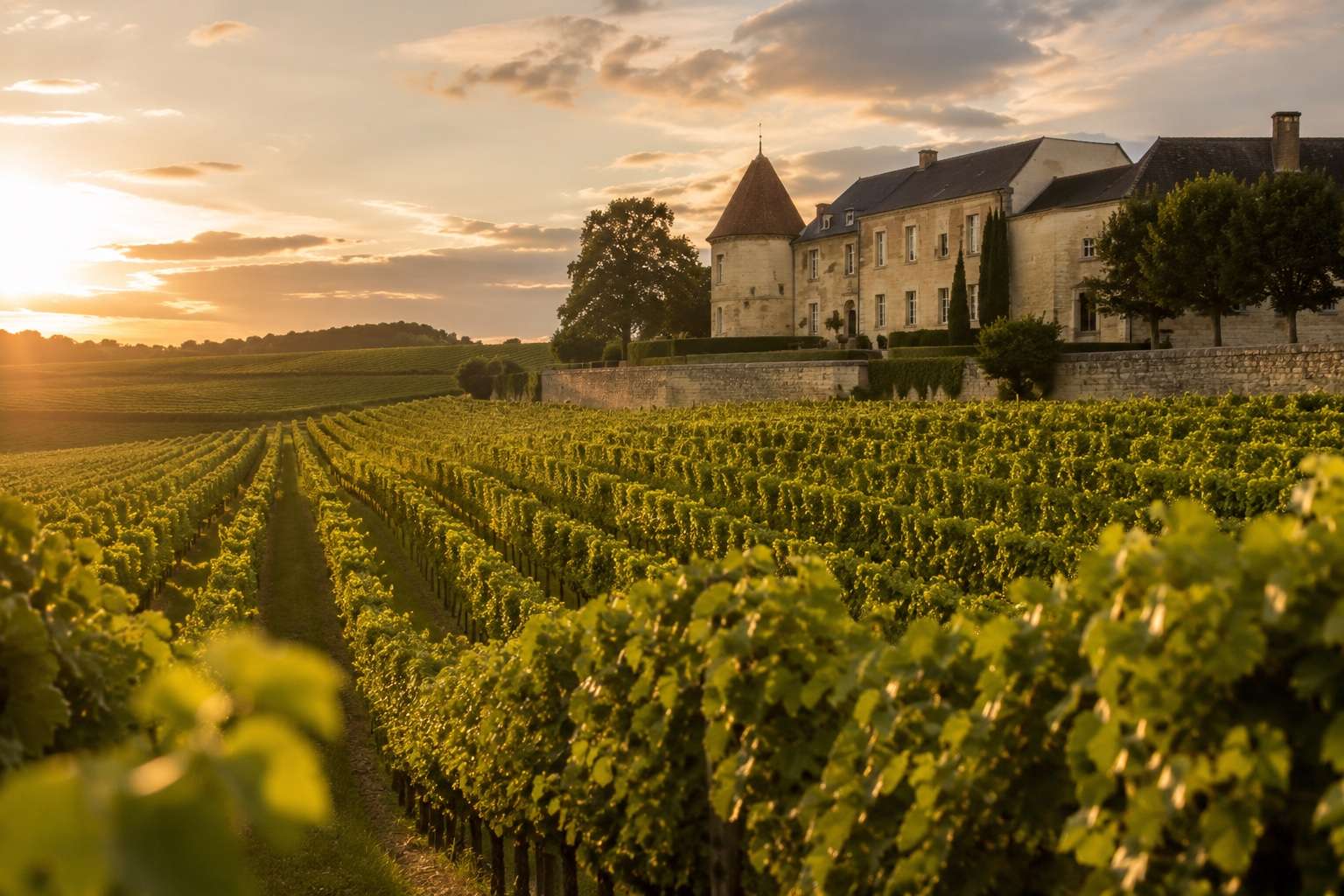
Locals divide Paso in two, roughly along Highway 101. The west side is hillier, closer to the ocean, and gets more rain. Its chalky, limestone-rich soils and cooler nights give structured, fresher reds, and it is the heart of Paso’s Rhône and Zinfandel scene. The east side is flatter, warmer, and drier, with deeper loamy and sandy soils, and grows much of the region’s Cabernet Sauvignon and Merlot in a fruit-forward style. Because the area is so big, it was divided into 11 smaller sub-AVAs in 2014. On the west side, look for Adelaida District, Willow Creek District, and Templeton Gap District, which are cooler and more elevated. On the east side, Paso Robles Estrella District, El Pomar District, and Creston District are common names. A sub-AVA on the label gives a better hint of style than “Paso Robles” alone.
Start with a Rhône-style red blend, often labeled GSM or with a proprietary name. It shows what makes Paso special: ripe raspberry and plum from Grenache, dark fruit and pepper from Syrah, and savory earth from Mourvèdre. Next, try a west side Zinfandel for juicy berry fruit with more balance than you might expect. Cabernet lovers should compare a Paso Cabernet with one from Napa Valley; Paso is often riper, softer, and noticeably cheaper. On the white side, a Viognier or Roussanne blend is rich, peachy, and floral. Paso reds can be high in alcohol, sometimes 15 percent or more, so check the label and serve them slightly cool. If you are curious why so many Paso wines are blends, read red blend vs single varietal.
Paso’s ripe, bold reds love smoke and char. The Central Coast is famous for tri-tip grilled over red oak, and a Syrah or GSM blend is a perfect partner. Zinfandel shines with barbecue, pulled pork, sausage, and sticky ribs, because its jammy fruit stands up to sweet, tangy sauces. Paso Cabernet suits grilled ribeye, burgers, and braised short ribs. Mourvèdre-heavy blends are great with lamb, roast duck, and herb-rubbed pork. Rich Rhône whites pair well with roast chicken, pork tenderloin with apricots, and grilled shrimp. The region also produces olive oil and local cheeses, which make easy snacks with any glass. Serve Paso reds at 60–65°F; a quick 15 minutes in the fridge tames their warmth and alcohol.
Paso Robles is famously relaxed: think jeans, friendly tasting room staff, and fewer crowds than Napa. Start in downtown Paso, where many tasting rooms, restaurants, and shops surround a shady town square. Highway 46 West leads into the hilly west side, with winding roads and scenic views, while Highway 46 East heads into the flatter east side. Distances are large, so cluster visits by area and plan three or four stops a day. Tasting fees are often lower than in Napa, and many wineries still welcome walk-ins, though weekends are busier. Summer days can be very hot, so spring and fall are most comfortable, and harvest usually runs from late August into October. Bring a designated driver; country roads are dark at night.
| Grape or Style | Character | Try It With |
|---|---|---|
| GSM or Rhône red blend | Raspberry, plum, pepper, savory earth | Grilled tri-tip or lamb |
| Zinfandel | Jammy blackberry, black pepper, full body | Barbecue ribs or sausage |
| Cabernet Sauvignon | Ripe black cherry, cocoa, soft tannins | Ribeye or burgers |
| Syrah | Dark fruit, smoked meat, black pepper | Braised short ribs or brisket |
| Petite Sirah | Inky, blueberry, firm tannins | Smoked brisket or hard cheeses |
| Rhône white blend (Viognier, Roussanne) | Peach, apricot, floral, rich texture | Roast chicken or grilled shrimp |
Adelaida or Willow Creek on the label suggests a fresher west side style.
Paso reds can top 15 percent, so pour smaller glasses and serve slightly cool.
Walkable downtown tasting rooms are an easy, low-pressure introduction to Paso wines.
Learn Your Taste
Answer a few simple questions and discover styles that fit your palate.
Take the Wine QuizBold reds, especially Cabernet Sauvignon, Zinfandel, and Rhône-style blends of Syrah, Grenache, and Mourvèdre. Paso is considered California's top region for Rhône grapes and is known for creative, unconventional blends.
Not better, just different. Napa focuses on polished, often expensive Cabernet. Paso offers a wider range of grapes, especially Rhône varieties and Zinfandel, in a riper style, usually at lower prices and with a more laid-back tasting experience.
The west side is hillier and cooler, with limestone soils and more rain, giving fresher, more structured wines and lots of Rhône grapes and Zinfandel. The east side is flatter, warmer, and drier, producing riper, fruit-forward Cabernet and Merlot.
Spring and fall are ideal, with mild weather and green or golden hills. Summer can be very hot, often topping 90°F. Harvest, from late August into October, is lively but busy, and winter is quiet with cooler, rainier days.
A GSM is a red blend of Grenache, Syrah, and Mourvèdre, modeled on Rhône Valley wines. Grenache brings red fruit, Syrah adds dark fruit and pepper, and Mourvèdre adds earthy structure. Paso makes some of the best GSMs outside France.
Often, yes. Hot summer days produce very ripe grapes, so many Paso reds land between about 14.5 and 16 percent alcohol. Cool nights help keep them balanced, but serving them slightly chilled makes them taste fresher.