Check Blend Percentages on the Back
Many blends list grape percentages on the back. The first grape listed usually shapes the flavor most.

Understand Wine. Enjoy Every Glass.
Wine Comparisons
One bottle names a single grape. The other mixes several. Here is what that choice does to flavor, how labels hide or reveal it, and which one fits your dinner.
Start Learning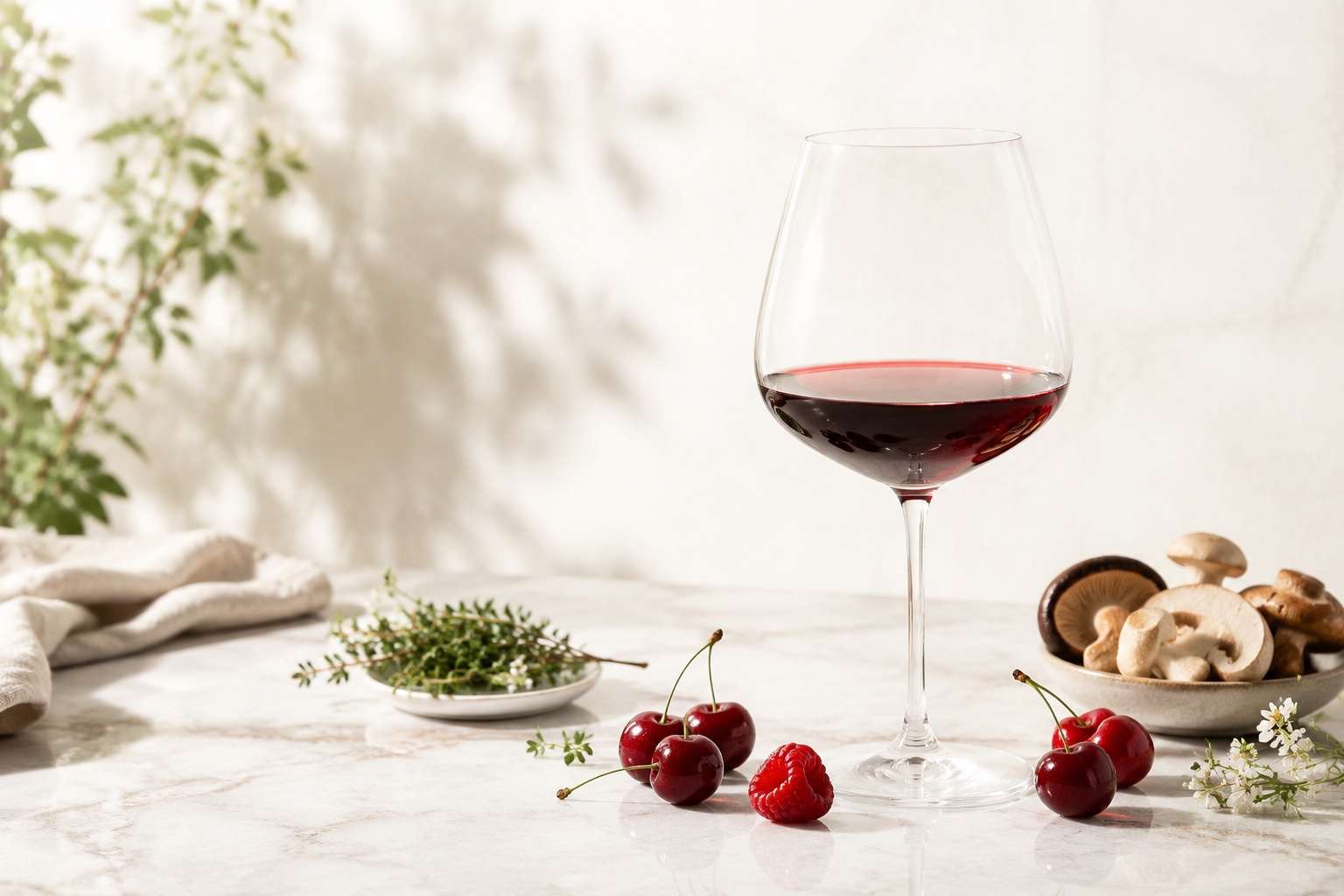
A single varietal wine is named after the grape it is made from: Cabernet Sauvignon, Merlot, Syrah. A red blend combines two or more grapes in one bottle. Label rules decide how pure a varietal must be. In the United States, a wine labeled with one grape must contain at least 75% of it, so a bottle called Merlot can legally include some Cabernet. Many European countries set the bar at 85%. Blending is not a shortcut or a sign of lower quality. Many of the world’s most famous reds are blends, including red Bordeaux, Châteauneuf-du-Pape, and Chianti. The real difference is intent: a varietal shows off one grape, while a blend aims for balance by combining strengths.
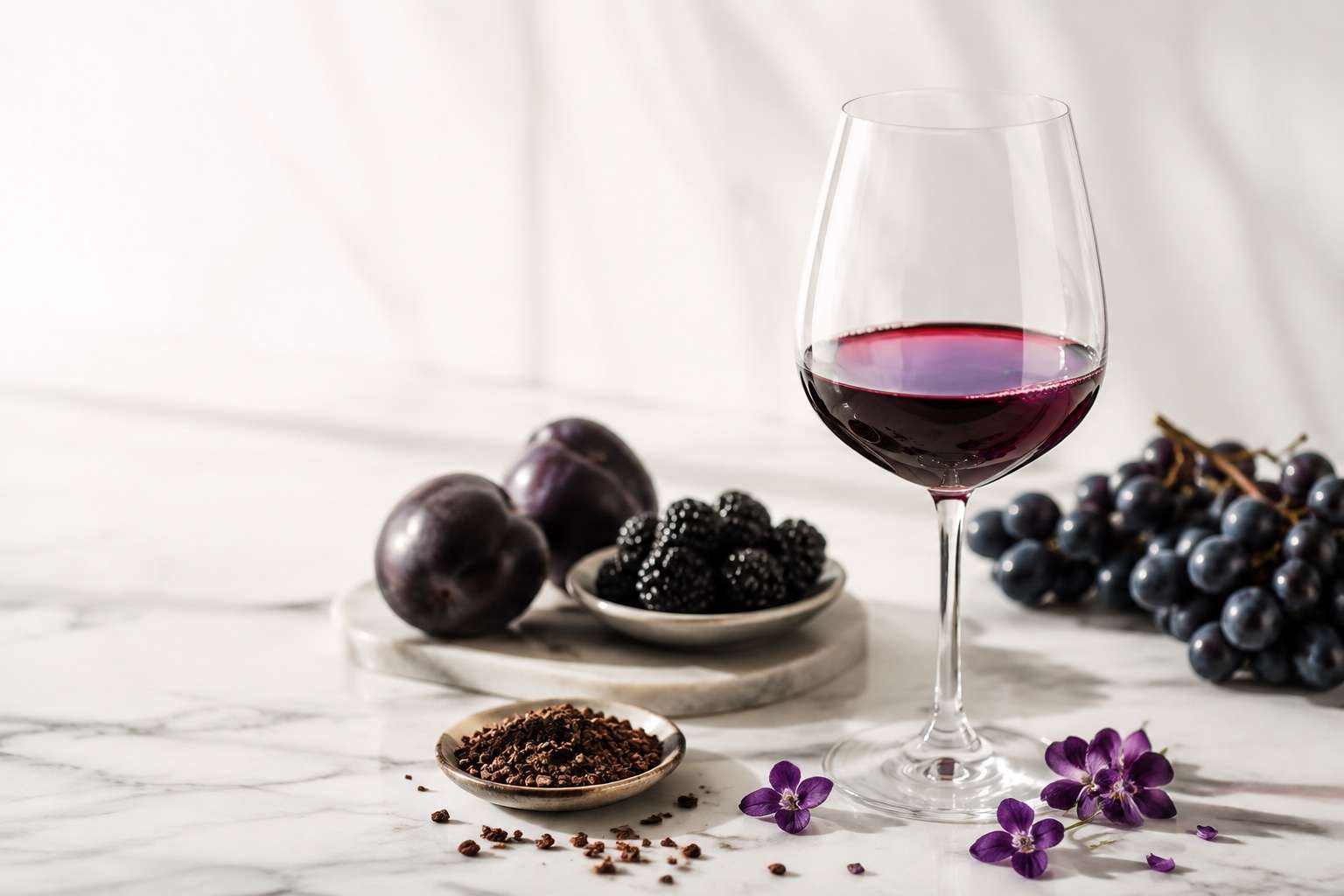
Single varietals give you a clear flavor signature. Pinot Noir tastes of cherry and earth with light body and silky tannin. Malbec brings plum, blackberry, and a soft, plush finish. That clarity makes varietals the best way to learn what each grape tastes like. Blends trade some of that clarity for completeness. In a Bordeaux-style blend, Cabernet Sauvignon supplies firm tannin and blackcurrant, Merlot adds soft plummy flesh in the middle, and Cabernet Franc adds red fruit and a leafy lift. The finished wine often feels smoother and more even from first sip to finish than any one of its parts. Sweetness varies too: many inexpensive American red blends are made in a ripe, fruity style with a touch of residual sugar, while classic European blends are dry.
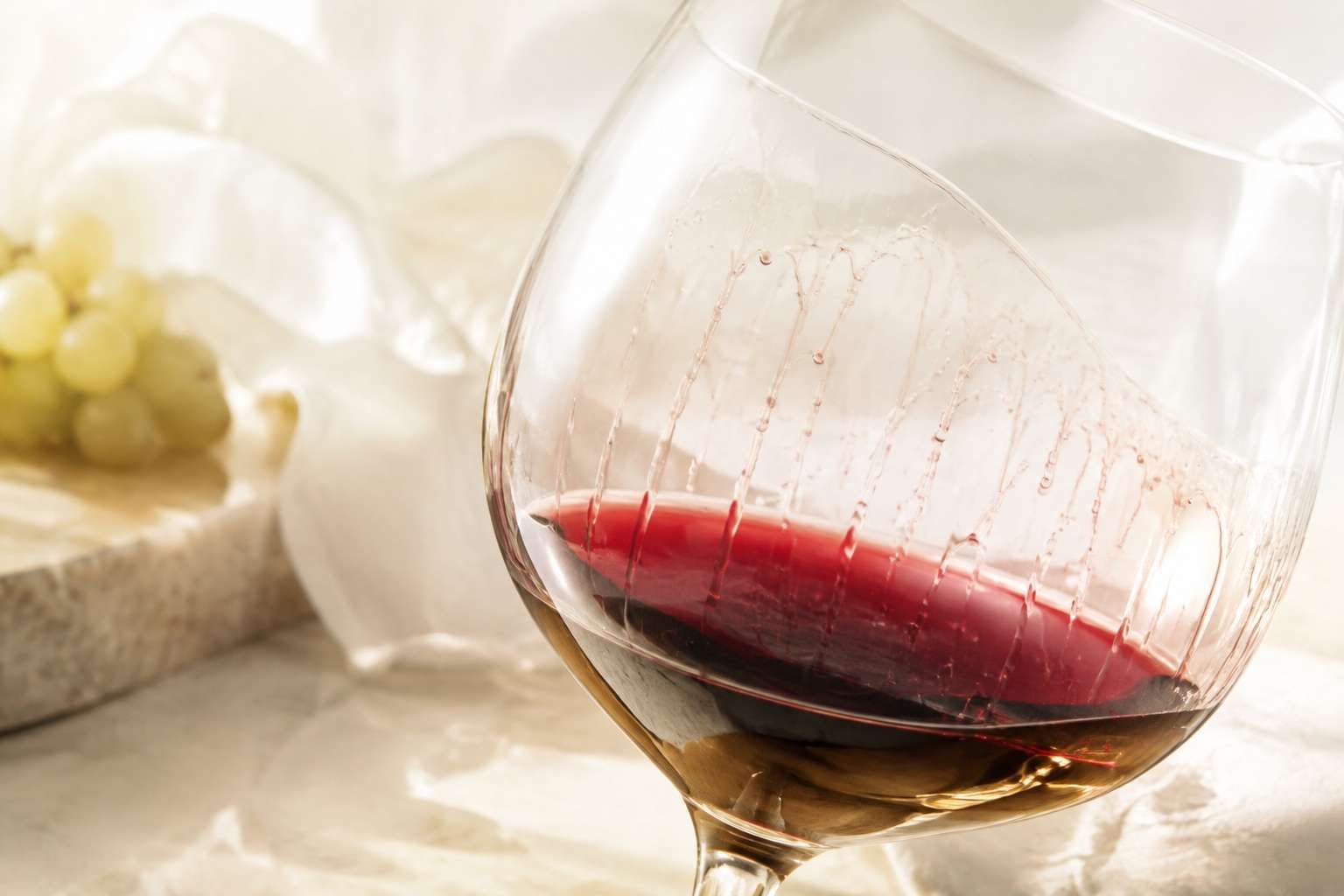
A few blends are worth knowing by name. Bordeaux blends mix Cabernet Sauvignon and Merlot with smaller amounts of Cabernet Franc, Petit Verdot, or Malbec; in the U.S. a top version may be called Meritage. GSM blends combine Grenache, Syrah, and Mourvèdre, the backbone of the southern Rhône Valley, where Grenache gives strawberry and spice, Syrah adds color and pepper, and Mourvèdre adds savory depth. Chianti is built on Sangiovese, often softened with a little Merlot or local grapes. Portugal’s Douro reds blend native grapes such as Touriga Nacional. California’s field blends, often led by Zinfandel, come from old vineyards where several grapes were planted side by side and picked together.
Geography explains a lot. Most of Europe’s traditional regions name wines by place, not grape, and many of those places have blended for centuries because growing several grapes was insurance against a bad year. If one variety ripened poorly, another could carry the wine. The New World, especially California, Australia, and South America, popularized varietal labels in the late twentieth century because a grape name was easier for shoppers to understand than a village name. That is why you will find Mendoza Malbec and Napa Cabernet labeled by grape, while a bottle from the Médoc or Rioja may never mention its grapes on the front. Today both approaches appear everywhere, and many New World wineries now make proudly labeled red blends. For more on the cultural split, see Old World vs New World wine.
Blends are often the more flexible food wine because no single trait dominates. A soft GSM handles burgers, pizza, and grilled sausages, and a fruity American red blend is an easy crowd-pleaser for barbecue. Single varietals shine when you want to match one dish precisely: Pinot Noir with salmon or roast chicken, Cabernet Sauvignon with a marbled ribeye, Malbec with chimichurri steak. On price, red blends are some of the best values in the shop. Blending lets winemakers use grapes from many vineyards to deliver consistent flavor, so plenty of tasty blends sit under $15. At the other extreme, some of the most expensive wines on earth are blends too. Varietals cover the full range as well, so judge by region and style rather than by the word blend.
Choose a single varietal when you are learning. Tasting one grape at a time builds your flavor memory fast, and it is the quickest way to find out whether you prefer the light silk of Pinot Noir or the grip of Cabernet. Choose a red blend when you want a smooth, balanced bottle for a crowd, a weeknight dinner, or mixed dishes on one table. If you like fruit-forward, soft reds, try an American red blend; if you prefer drier, savory wines, reach for a Côtes du Rhône or a Bordeaux. A fun experiment: buy a Cabernet, a Merlot, and a Bordeaux blend at similar prices and taste them together. You will literally taste what each grape contributes. The Cabernet Sauvignon vs Merlot comparison is a good companion read.
| Attribute | Red Blend | Single Varietal |
|---|---|---|
| What's inside | Two or more grapes, e.g. Cabernet + Merlot + Cabernet Franc | Mostly one grape: at least 75% in the U.S., 85% in much of Europe |
| Flavor | Layered and rounded; grapes fill each other's gaps | Clear grape signature, like Pinot Noir's cherry or Malbec's plum |
| Sweetness | Classic blends are dry; many budget U.S. blends are fruity, some off-dry | Usually dry |
| Famous examples | Bordeaux, Châteauneuf-du-Pape, Chianti, GSM, Meritage | Napa Cabernet, Mendoza Malbec, Oregon Pinot Noir |
| Best for | Crowds, mixed dishes, smooth easy drinking | Learning grapes and matching one specific dish |
| Label clue | Says red blend, a proprietary name, or a place name | Grape name is front and center |
Many blends list grape percentages on the back. The first grape listed usually shapes the flavor most.
Inexpensive American red blends can be off-dry. If you want a dry wine, try a Côtes du Rhône or Bordeaux.
Pour a Cabernet, a Merlot, and a Bordeaux blend side by side to taste what blending adds.
Learn Your Taste
Answer a few simple questions and discover styles that fit your palate.
Take the Wine QuizNeither is better by default. Some of the world's most prized wines, like top Bordeaux, are blends, and so are many cheap supermarket reds. Quality depends on the vineyards and winemaking, not on whether the bottle holds one grape or several.
Not always. Classic European blends from Bordeaux, the Rhône, and Tuscany are dry. Many inexpensive American red blends, however, are made in a ripe, jammy style and some keep a little residual sugar, so they can taste noticeably sweeter.
In the United States, a wine labeled with a grape name must contain at least 75% of that grape. Much of Europe, plus Australia and New Zealand, uses an 85% minimum. The rest can be other grapes.
It depends on the style. Bordeaux blends use Cabernet Sauvignon, Merlot, and Cabernet Franc. Rhône-style GSM blends use Grenache, Syrah, and Mourvèdre. American red blends often include Zinfandel, Syrah, Petite Sirah, or Merlot.
Meritage is a name some American wineries use for a Bordeaux-style blend made from traditional Bordeaux grapes, such as Cabernet Sauvignon, Merlot, Cabernet Franc, Petit Verdot, and Malbec. It rhymes with heritage, not with garage.
Yes. Nearly all red Bordeaux is a blend. Wines from the Left Bank lean on Cabernet Sauvignon, while Right Bank areas like Saint-Émilion and Pomerol lean on Merlot, with Cabernet Franc playing a supporting role in both.